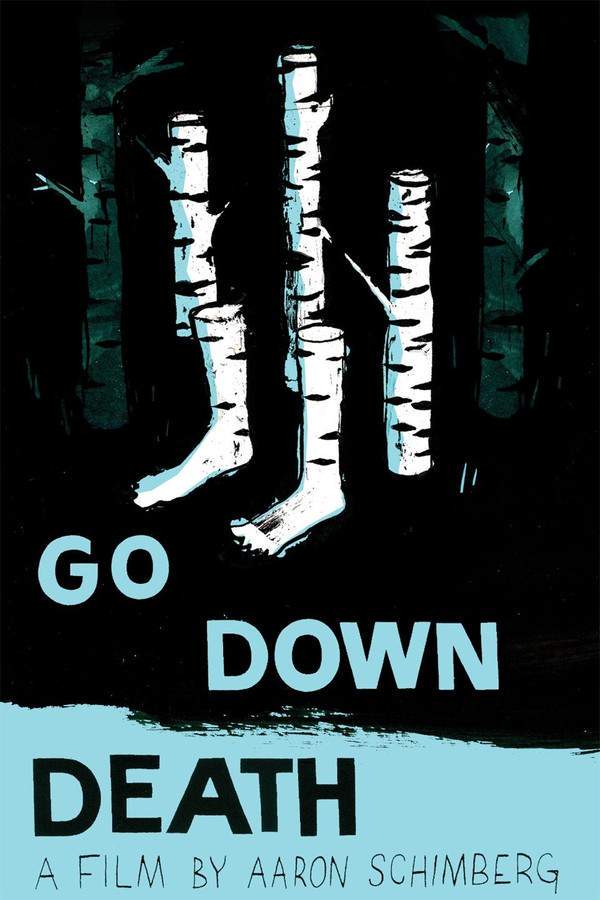
In a quiet provincial villa, four siblings—Alessandro, Leone, Giulia, and Augusto—live with their blind, widowed mother, a household held together by tense routines and unspoken grievances. The younger brothers are described as epileptic, and Giulia, the sister, is portrayed as mentally disturbed, with an unsettling, almost intimate tension existing between her and Alessandro. The eldest brother, Augusto, appears to be the only one functioning as the family’s provider, carrying the weight of keeping everyone afloat.
The plot thickens when Augusto’s fiancée, Lucia, receives an anonymous letter that claims to be from someone pregnant by him. Augusto immediately suspects Giulia is behind the deceit, exposing the disturbing web of manipulation and desire that threads through the family. Amid the growing bitterness, Alessandro, growing more disgusted with the entire system of control and secrecy, hatches a brutal plan: if the mother and the other siblings could be removed, Augusto would be free to live with Lucia. Yet his plan reveals a deeper hunger for dominance within the family’s already fragile hierarchy.
Alessandro maneuvers to stage a cemetery trip by convincingly claiming he has passed his driving test, a ruse that allows him to take the mother, Leone, and Giulia along while he supposedly goes ahead. After he has left, Augusto discovers a note from Alessandro threatening to kill all of them and himself, a stark indicator of the violence simmering beneath the surface. A confrontation with another driver—an event driven, in part, by Giulia’s provocations—ignites a reckless car race, and the fragile plan begins to unravel. The family returns home, and Augusto responds with a sharp slap to Alessandro, a moment that marks the beginning of an irreversible drift toward tragedy.
Time passes, and Alessandro lures his mother on another ride, taking her to an overlook. There, he pushes her off the cliff, sending her to her death as the family reels from the crime. At the wake, Alessandro confesses the deed to Giulia, but she remains silent, choosing not to betray him in the moment of crisis. After the funeral, Alessandro intensifies the nightmare by killing Leone—giving him an overdose of his medication and then drowning him in the bathtub. Giulia, shaken to the core, realizes what Alessandro has done, and in a paralyzed state falls down the stairs, leaving her bed-ridden.
The brutality does not end there. Alessandro attempts to smother Giulia with a pillow while she sleeps, but he cannot complete the act. The weight of his crimes and his own mounting fragility culminate in another epileptic fit that proves fatal, a death witnessed by Giulia who, tragically, does not intervene. The result is a family torn apart by murder, deceit, and a cascade of suffering, all carried out within the claustrophobic confines of a household that once seemed secure.
- The tale unfolds with a stark, clinical atmosphere that emphasizes the fragility of family bonds and the way power dynamics can twist even intimate feelings into deadly consequences.
- The relationships at the center—the siblings, their mother, and the external pressures—drive a narrative that remains unflinching in its portrayal of rage, guilt, and the ruin that follows.
Note: This summary uses the actors’ names for the first mentions of each character, linking to the respective pages: Alessandro, Leone, Giulia, Augusto, Lucia, and Mother.