Plot Explained Spoilers guaranteed!
Plot Explained

Browse by genre

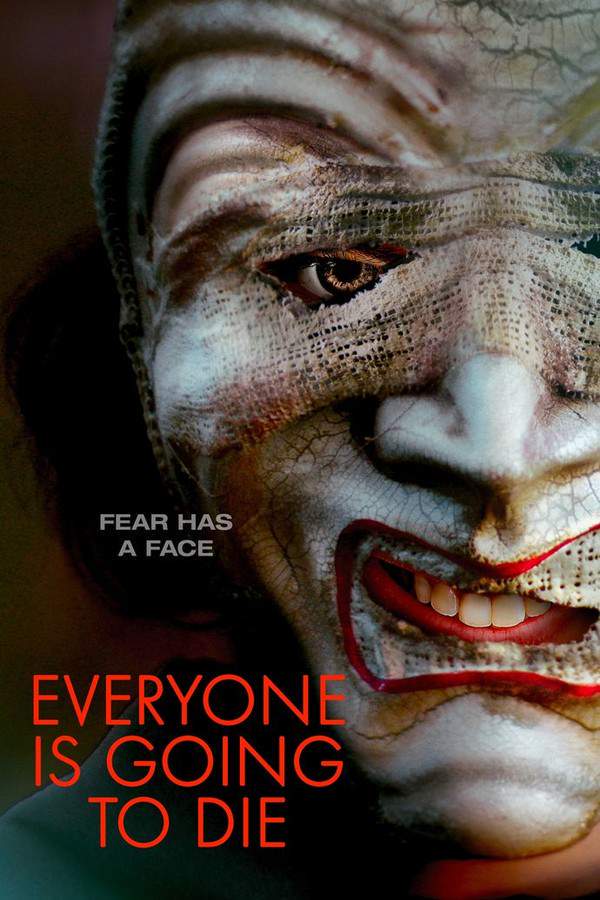
Everybody Dies by the End (2022) movie poster

Plot Summary

Everybody Dies by the End (2022) Plot Summary Explained

Release, runtime and language
2022 · 90 mins · English
Loading streaming availability…
Starring
Vinny Curran, Bill Oberst Jr., Caroline Amiguet, Ryan Schafer, Ian Tripp, Brendan Cahalan

A documentary crew chronicles the making of Alfred Costella’s final film, a practical effects horror masterpiece. The veteran director aims to create a truly unforgettable experience, but the production is shrouded in a dark and unsettling secret that unfolds as the film progresses.

On this page (6)
  1. 1 Where to watch
  2. 2 What happens: full plot
  3. 3 Plot questions answered
  4. 4 Movie threads
  5. 5 Movies like Everybody Dies by the End
  6. 6 Every angle
Loading streaming availability…

Full plot summary · contains spoilers

What Happens in Everybody Dies by the End: Full Plot Summary

The whole story of Everybody Dies by the End (2022) explained, from the opening scene to the final frame: every key event, every twist and what it all adds up to. Read it as a quick recap before the sequel, to check a scene you missed, or to finally understand what really happened.

Alfred Costella, portrayed by Vinny Curran, is a controversial filmmaker who once vanished from the public eye after a volatile outburst during a talk show interview. After a ten-year hiatus, he reaches out to a documentary filmmaker named Calvin to chronicle the production of his final project, which he describes as his "magnum opus" and an allegory for the end of his career.

Calvin and his friend Mark travel to "Camp Costella," where they are met by Alfred's assistant, Grant. During their stay, Alfred reveals his deep disillusionment with the film industry and his desire to create something so extreme it will shock the world. As production begins, tension rises between the director and his lead actors, Allison and Theo. While Alfred praises Allison's commitment, he grows increasingly frustrated with Theo's performance.

The atmosphere turns sinister when Alfred uses real pig's blood on set and introduces Allison to a mysterious "red room." The production spirals into violence when Theo accidentally cuts himself with a real knife; Alfred later claims Theo has left, showing Calvin footage of a crew member's death.

On the final day of shooting, the horror culminates in a series of murders. Grant tells Calvin that:

> "everybody must die by the end"

Grant kills Mark and then himself, followed by several crew members committing suicide. Alfred completes the massacre by killing another staff member and shooting Calvin. In a final act of uncompromising vision, Alfred shaves his beard and throws himself into a woodchipper. The film concludes with FBI agents reviewing the footage, with one agent suggesting they watch the gruesome recording again before filing it away in evidence.

Last updated: October 28, 2026 at 07:15

Was this helpful?

Plot questions answered

Everybody Dies by the End Plot Explained: Your Questions Answered

The questions people ask most about Everybody Dies by the End (2022): what happens in the confusing scenes, why the characters do what they do, the twists, hidden details and what the ending means. Each answer contains spoilers.

Q1

Were the deaths at Camp Costella real, or staged for the movie?

Everybody Dies by the End presents the final deaths as genuine events rather than staged pranks: Calvin's camera captures them, and the FBI later treats the footage as evidence. At the same time, the killings are framed as the enactment of Alfred's fictional vision, so the deaths are real within the story while also serving as the production's intended ending.

  • real or staged deaths
  • camp costella
  • final shooting
  • massacre footage
  • practical effects
Q2

What did Grant mean when he said everyone had to die?

Grant presents it as a literal condition of Alfred's production: to complete the film, everyone involved must die. Everybody Dies by the End then turns that requirement into a series of on-set deaths, so the warning becomes both a production rule and a dark summary of Alfred's obsession.

Foreshadowing: Earlier real blood, Theo's knife injury, and the red room mystery show the production steadily crossing from illusion into real danger.

  • everyone has to die
  • grant
  • final day of shooting
  • cast and crew deaths
  • artistic vision
Q3

Why did Alfred Costella return to filmmaking after a ten-year hiatus?

Alfred says the talk-show outburst left him emotionally devastated and that he grew disillusioned with the film industry. After struggling with inspiration and his identity as a filmmaker, he returned to make an intentionally extreme final film rather than resume a conventional career. Everybody Dies by the End is presented as both his magnum opus and an allegory for the end of his career.

Foreshadowing: His first interview already calls the project his magnum opus and an allegory for his career's end.

  • alfred costella
  • ten-year hiatus
  • talk show outburst
  • final film
  • magnum opus
Q4

Why did Grant kill Mark and then kill himself?

Grant treats Alfred's vision of an all-encompassing ending as a literal rule. He announces that everyone must die, stabs Mark, and then kills himself, making himself another participant in the film's death sequence; the film gives no separate personal grievance against Mark.

Foreshadowing: Grant's earlier hostility toward Calvin when he tries to follow Alfred prefigures his violent enforcement of the director's rules.

  • grant
  • mark's death
  • grant suicide
  • camp costella
  • everyone must die
Q5

Why did Theo cut himself with a real knife?

Theo believed the prop knife was real and cut his arm during the death-scene shoot. The accident follows his refusal to continue: after learning Theo intends to quit, Alfred orders his death scene to be filmed that same night, making the rehearsal of death foreshadow real injury.

Foreshadowing: Alfred's repeated criticism of Theo's acting and Theo's attempt to quit make the sudden demand for the death scene feel deliberately ominous.

  • theo bradley
  • real knife
  • prop knife
  • death scene
  • quit production
Q6

What is the red room, and what did Allison mean when she said she had changed?

Everybody Dies by the End never explains exactly what occurs inside the red room. Alfred takes Allison there, and she later tells Calvin only that she 'changed' and refuses to elaborate; the skull Alfred subsequently displays makes the room central to the mystery but does not confirm what happened to her.

Foreshadowing: The secret filming of Calvin while he sleeps establishes that someone is already watching and recording events at Camp Costella.

  • red room
  • allison
  • changed
  • skull
  • camp costella mystery
Q7

Why did Alfred use real pig's blood on Allison?

Alfred uses real pig blood to make the horror feel physically authentic and because he considers the scene a test of the actors' commitment. When Allison threatens to leave over the deception, he apologizes, and she stays after securing the right to spray him with the same blood.

Foreshadowing: His promise to create something that will shock the cinematic world anticipates the production's repeated collapse into real bodily harm.

  • pig blood
  • allison
  • practical effects
  • authenticity
  • horror scene
Q8

Was Allison's on-camera shooting a real death?

It is presented as a real shooting rather than a prop effect: Allison shoots herself with a real gun on camera while filming a death sequence. Calvin's concern and the crew's refusal to let him into the set keep the act's context obscured, while the later deaths connect it to the final 'everyone dies' design.

Foreshadowing: Allison's claim that the film has given her a purpose, followed by her insistence that she 'changed,' makes the later shooting feel prepared rather than random.

  • allison
  • on-camera shooting
  • death scene
  • final day
  • purpose in life
Q9

Why was Alfred so hard on Theo but so impressed with Allison?

Alfred judges his actors by how completely they commit to his extreme vision. Allison embraces the grim material and responds to the pig-blood incident by demanding equal treatment, which fits Alfred's view of her commitment; Theo resists the production and announces that he wants to quit, so Alfred treats him as an obstacle and demands his death scene be filmed immediately.

Foreshadowing: Alfred's private admission that he is insecure about the film explains why a performance dispute escalates so severely.

  • theo bradley
  • allison mccree
  • acting performance
  • commitment
  • alfred costella
Q10

What happened to Theo after Alfred said he had left the production?

Everybody Dies by the End only tells viewers that Theo has left, and it shows neither a body nor independent confirmation. The disturbing video Alfred presents concerns a crew member and comes through Alfred's own framing, so Theo's actual fate remains unresolved rather than being conclusively explained.

Foreshadowing: Theo's real-knife injury and Alfred's fixation on filming his death scene make Alfred's claim that he simply 'left' feel suspect.

  • theo bradley
  • what happened to theo
  • missing actor
  • death video
  • alfred's claim
Q11

Why did Alfred show Calvin the death video and accuse him of uploading it?

Alfred presents the footage as a real crew member dying in a set accident and displays a skull to make the claim concrete. He then accuses Calvin of uploading it, shifting the documentarian from a neutral observer to a suspect, although the film never independently verifies who uploaded the video or whether the earlier death was accidental.

  • death video
  • skull
  • calvin
  • crew member death
  • set accident
Q12

Why did the other crew members shoot themselves?

They are presented as carrying out Alfred's requirement that everyone involved must die. The crew members shoot themselves one after another immediately after Grant, turning his declaration into a group enactment; the film provides no individual motives and instead emphasizes their collective participation in the production's deadly ending.

  • crew suicides
  • mass suicide
  • grant
  • final shooting
  • everyone dies
Q13

Why did Alfred kill Calvin and another crew member?

Alfred first kills another staff member with a studio light and then shoots Calvin, extending the death toll to both the production team and the person documenting it. He presents these killings as the completion of his vision, not as an escape from it; the film does not explicitly say that silencing a witness is his motive.

Foreshadowing: His talk-show outburst and repeated insistence on creating an unforgettable work foreshadow the murder he commits in the name of that vision.

  • alfred kills calvin
  • studio light murder
  • documentary witness
  • final massacre
  • artistic vision
Q14

Why did Alfred shave his beard and throw himself into the woodchipper?

Alfred addresses the camera after shaving his beard, declaring that he will never compromise his artistic vision. He then throws himself into a woodchipper, completing the career-ending allegory he described at the beginning and choosing the timing and manner of his death himself.

Foreshadowing: His first interview calls the project an allegory for the end of his career and his magnum opus, directly preparing this final self-portrait.

  • woodchipper suicide
  • shaved beard
  • never compromise
  • magnum opus
  • career ending
Q15

Why do the FBI agents want to watch the massacre footage again?

One FBI agent wants to replay the footage after discussing Costella's films, suggesting that the massacre still has value as a completed piece of filmmaking despite its horror. The ending gives no practical reason for the choice; it closes on the unsettling idea that filing the evidence away does not erase the film's pull on its audience.

  • fbi agents
  • evidence footage
  • watch again
  • alfred costella
  • final ending

Movie threads

More Movies Like Everybody Dies by the End, by Mood & Story

Curated lists built around what makes Everybody Dies by the End tick: the same mood, the same kind of story or the same emotional payoff. Each list explains why these movies belong together.

Movies Like Everybody Dies by the End: Darkly Comic Meta-Horror

A film-about-a-film turns production mishaps into an escalating reality nightmare. If you liked Everybody Dies by the End, explore movies like this film where the making of a movie becomes a destabilizing meta-horror story. Expect mockumentary framing, unsettling secrets, macabre dark humor, creative dysfunction, and a violent shift from curious observation to graphic nightmare.

  • meta-horror
  • mockumentary
  • macabre comedy
  • creative dysfunction
  • surreal dread
  • grotesque
  • Tone: macabre, darkly comic, ominous
  • Pacing: variable, escalating into frantic chaos
Why these movies?

The story pattern: A creative project begins as an eccentric production with observable conflicts and comic friction. As documentary footage exposes disturbing secrets, the boundary between performance and lived catastrophe collapses. Escalating deaths and grotesque set-piece violence transform curiosity and amusement into dread, moral discomfort, and a bleak final impression.

Why they belong together: These movies share a self-referential moviemaking frame, an uneasy mixture of mockery and sympathy, and a production environment that steadily mutates into horror. Their appeal lies in watching artistic ambition collide with reality while tonal restraint gives way to shocking, grotesque chaos.
Movies Like Everybody Dies by the End: Obsession Turns Catastrophic

A relentless creative vision consumes its maker, turning ambition into spectacle, violence, and ruin. Movies like Everybody Dies by the End follow obsessive creators whose pursuit of an unforgettable vision spirals into isolation, moral decay, and catastrophe. If you enjoyed this film’s Hollywood disillusionment and bleak examination of spectacle, you’ll find similarly dark stories where artistic ambition collides with devastating human consequences.

  • creative obsession
  • moral decay
  • isolated creator
  • human cost
  • bleak downfall
  • cult cinema
  • Tone: bleak, obsessive, morally unsettled
  • Pacing: variable buildup, accelerating catastrophe
Why these movies?

The story pattern: A central filmmaker or creator pursues a final or defining work with escalating intensity, while colleagues, loved ones, and audiences become collateral to the vision. The story moves from fascination and uneasy amusement through mounting obsession and ethical compromise, ending in irreversible loss that reframes the project as a disturbing monument to vanity.

Why they belong together: The common thread is not merely filmmaking, but a creator whose need for transcendence through art becomes self-destructive. Each film uses escalating danger and grotesque consequences to question the morality of spectacle, balancing dark humor against genuine cruelty and despair.

If you liked this

Movies Like Everybody Dies by the End

Similar movies to Everybody Dies by the End: the same genre, themes or kind of story. Each one comes with its own plot summary, timeline and ending explained.

Browse all movie summaries

Every angle

Everybody Dies by the End (2022) Explained: Plot, Timeline & Characters

Everything about Everybody Dies by the End in one place: what happens in the plot summary, the timeline in chronological order, the characters and meaning and a spoiler-free summary. What's After the Movie adds the cast, box office and post-credit scenes.

Coming soon on iOS and Android

The Plot Explained Movie Summary App

Plot summaries, endings explained and timelines on your phone. Catch up on any movie in minutes, save your favorites and never miss a twist again.

Be the first to know when we launch. Your email stays private, always.

Learn more about the app