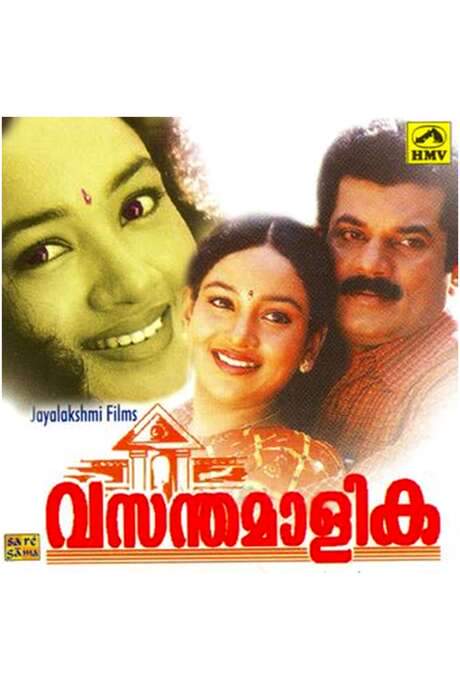
Radha Devi, Shanthi Krishna, is an office assistant in the bustling city of Kozhikode who dreams of a future with her beloved, the unemployed Sivan, Jayaram. Their tender romance faces the everyday pressures of life in a busy town, where work is scarce and self-worth often feels tethered to financial stability. To be closer to Sivan and to escape the prying eyes of relatives, Radha Devi moves into the home of the warm-hearted Satyavathiyamma, KPAC Lalitha, as a paying guest. She is joined by two close friends: Indu, Saranya Ponvannan, who runs the hotel’s housekeeping staff, and Rama, Shari, a sharp, feminist editor at a magazine. The trio brings energy, humor, and a splash of modern outlook to the traditional household.
In the same circle, they cross paths with Dr. Aniruddhan, Sreenivasan, a widowed physician raising a baby girl in a quiet, understated home. The infant, Vishwanathan, is a focal point that softens many conversations and sparks a gentle bond among the adults who gather around him. The introduction of Dr. Aniruddhan adds a layer of warmth and complexity to the household, turning ordinary days into small theaters of care, aspiration, and expectation. The presence of a family-like unit around Vishwanathan brings new perspectives to Radha, Sivan, and their friends as they navigate affection, duty, and the stubborn facts of life.
The story is punctuated by a parade of colorful, comic moments. Ulpalakshan, the local postman, is a source of lighthearted friction and neighborhood chatter, brought to life by Jagadish. A local politician, Thotta MLA, adds political satire and social texture to the mix, with the character brought to the screen by Sukumari, whose presence amplifies the community’s voices and quirks. Khader, the local compounder, adds another layer of humor and reliability to the plot, portrayed by Mamukkoya. Their capers and conversations offer relief from the more serious strains of love, ambition, and poverty that thread through the characters’ days.
Meanwhile, Sivan’s unemployment grows into a weight that saps his confidence. His sister-in-law Devaki and Radha’s uncle press him to prove his worth, casting a shadow over the couple’s bond and testing Radha’s patience and devotion. The pressure mounts as Radha’s family urges her to separate from the man they see as a liability, transforming quiet concern into a formal, if painful, decision to part ways. The emotional center of the film therefore shifts toward the interplay between independence, affection, and the expectations that society places on a couple when money is tight.
Despite the strain, Radha forms a tender, almost filial closeness with Dr. Aniruddhan’s baby daughter. The daily contact with the child softens her resolve and opens her heart to a different possibility: a future that could include marriage to the doctor. The idea of such a union is not only about companionship but also about shared responsibility, care, and the possibility of a combined life that honors both Radha’s longing for connection and Sivan’s need for dignity.
The moment of decision arrives when Aniruddhan himself notices the depth of Radha’s feeling for Vishwanathan and, perhaps more importantly, the way Sivan and Radha are already bound by unspoken promises and mutual regard. He proposes a path that could reconcile everyone’s needs: Radha Devi could marry him, and yet the strongest attraction remains between Radha and Sivan. Dr. Aniruddhan’s practical and compassionate nature leads him to a bold revelation and plan. He arranges for Radha’s mother and uncle to be present, signaling a bridge between the old world’s expectations and the new world’s possibilities.
As the clock moves toward a registrar’s ceremony, the film pivots from sacrifice to surprise. Aniruddhan steps back, acknowledging the truth that the bond between Radha and Sivan is the central thread, and that they should be married together. In a moment of quiet grandeur, he departs with his child, leaving behind a gesture of selflessness and a challenge to conventional norms. The two lovers, guided by a mixture of tenderness, resilience, and shared history, finally marry at the end, choosing a commitment that honors their earlier days, their present longing, and the uncertain future they now face together.
In the end, what begins as a tale of ordinary heartbreak and economic worry blooms into a testament to steadfast affection and the courage to redefine happiness on one’s own terms. The story balances humor with heartfelt emotion, casting light on the everyday realities of love, duty, and companionship. It is a warm, humane portrait of people who adapt to circumstance through empathy, wit, and the quiet strength of choosing each other against the odds. The result is an ending that feels earned, satisfying, and true to the film’s gentle, communal spirit.




















Q7
Why was there so much pressure about Sivan's unemployment?
The social pressure reflected the cultural and economic reality of the time, unemployment was seen as a sign of failure and made Sivan an unacceptable prospect for marriage in the eyes of Radha's family. The film portrays how financial worth was often tied to personal dignity and social standing. Sivan's sister-in-law Devaki and Radha's uncle represented voices of societal judgment that equated employment with a man's ability to provide for a family.