
Easter Sunday
Year: 2014
Runtime: 95 mins
Language: English
Twenty-four years ago, serial killer Douglas Fisher was executed on Easter night. Now, a group of partying teenagers unwittingly resurrect him when celebrating the holiday. Chaos and terror erupt as they realize they’ve unleashed a deadly force, and must confront the horrifying consequences of their actions.
Warning: spoilers below!
Haven’t seen Easter Sunday yet? This summary contains major spoilers. Bookmark the page, watch the movie, and come back for the full breakdown. If you're ready, scroll on and relive the story!
Easter Sunday (2014) – Full Plot Summary & Ending Explained
Read the complete plot breakdown of Easter Sunday (2014), including all key story events, major twists, and the ending explained in detail. Discover what really happened, and what it all means.
Joe Valencia (Jo Koy) is a comedian and struggling actor best known for a popular beer commercial where he delivers his catchphrase, “Let’s get this party started, baby!” Despite his fame in the commercial world, he faces ongoing challenges in balancing his career and his role as a single father to his son, Junior (Brandon Wardell). Joe often misses important moments in Junior’s life, including school meetings, which causes tension and feelings of neglect between father and son. His ex-wife Amanda and Junior’s school life also weigh heavily on him, pushing Joe to make some difficult decisions.
When Joe’s agent Nick (Jay Chandrasekhar) secures an audition for him in a sitcom, he is asked to portray a stereotypical Filipino character with an accent, raising concerns about cultural representation. This opportunity results in Joe skipping a school event with Junior, prompting him to take his son along to his family’s Easter celebration instead. The gathering is lively and chaotic, with Joe reuniting with his family, including his mother Susan, played by Lydia Gaston, and his sister Regina, portrayed by Elena Juatco, who all see Joe as having gone Hollywood despite his struggles.
The family reunion is filled with humor and typical family drama: discussions at church, a picnic in the park, and comic arguments between Susan and Theresa, Joe’s relatives played by Tia Carrere and others. Amidst this, Joe learns that his cousin Eugene (Eugene Cordero) has borrowed money from a dangerous gangster, Dev Deluxe, played by Asif Ali, to fund a hype truck, leading to a series of frantic attempts to raise cash. They even consider pawning Manny Pacquiao’s boxing gloves, stolen and sold among various shady dealings.
Things escalate when the family tries to sell the gloves to a wealthy acquaintance, Marvin Ma, played by Jimmy O Yang, who refuses because he recognizes the gloves as stolen property. Joe, Eugene, and Junior eventually find themselves chased by Dev’s goons after Tala, a girl Junior meets at the park and who works in a store owned by Dev, is revealed as a connection to the gangster. Their escape includes a series of comic and tense moments involving a stolen police car, a fake pregnancy story to distract an officer played by Tiffany Haddish, and a plan to meet with Lou Diamond Phillips’s character, “The Jeweler,” who agrees to buy the stolen gloves to help pay off Eugene’s debt.
Meanwhile, Joe is also dealing with professional pressure. He is offered a role in a sitcom, but the casting call demands him to do the stereotypical accent. He is torn between advancing his career and staying true to himself. A key moment occurs during Easter dinner when Joe’s agent calls to inform him of the role—and Joe declines, choosing family over fame. Tensions flare as family conflicts emerge, with accusations from Theresa that Susan isn’t a good mom, based on stories from Joe’s childhood. Junior, hurt by these arguments and overwhelmed by the chaos, calls Joe a hypocrite for not being there. The evening seems headed for disaster until Joe, in a heartfelt gesture, encourages everyone to join in karaoke singing “I Gotta Feeling.” The moment helps bring the family back together, and Susan and Theresa begin to reconcile.
However, peace is shattered when Dev Deluxe and his goons arrive at the celebration, taking Junior hostage in a tense standoff. Joe, with support from his uncle Arthur, distracts the gang while he dons Pacquiao’s gloves for a final punch, knocking Dev out cold. With law enforcement arriving just in time, Dev and his crew are arrested, and Joe’s quick thinking saves the day. The incident hints at a possible reconciliation with Vanessa, the officer (Tiffany Haddish), who shows up during the chaos.
The story concludes with Joe in the hospital, recovering and reflecting on his family’s chaos and love. The producer decides to create a sitcom based on Joe and his family’s genuine, unfiltered stories, leading to a new beginning. Five months later, filming begins, with Lou Diamond Phillips cast as Eugene, and the family working on set, humorously disrupting the crew with their antics. Through it all, Joe learns that family, despite the turmoil and misunderstandings, is what truly matters, and embracing his roots can lead to unexpected opportunities and happiness.
Last updated: August 05, 2025 at 06:58
Easter Sunday (2014) Plot Questions Answered – Summary FAQ
Explore frequently asked questions about Easter Sunday (2014) with spoiler-rich answers covering the full plot summary, major story beats, character motivations, hidden details, and ending meaning. This movie summary FAQ helps explain confusing scenes, plot twists, and narrative decisions in clear, searchable detail.
Why does Joe turn down the sitcom role?
Joe declines the sitcom role because the casting call requires him to perform with a stereotypical Filipino accent, which he feels compromises his integrity and authenticity. The decision is made during Easter dinner when his agent calls with the offer, and Joe chooses to prioritize his family and cultural identity over career advancement.
Earlier, Joe expresses concern about cultural representation when his agent first mentions the audition.
Why did Eugene borrow money from Dev Deluxe?
Eugene borrows money from the gangster Dev Deluxe to fund a hype truck, which appears to be a merchandise venture. This decision puts the entire family at risk when Eugene cannot repay the debt, leading Dev's goons to pursue them.
Why does Junior call Joe a hypocrite?
Junior calls Joe a hypocrite during Easter dinner after witnessing the family argue about Joe's absence in their lives. Junior is hurt because Joe constantly misses important moments in his life due to work, yet preaches about family values. The argument escalates when Joe's past absences are thrown back at him.
Joe had already missed a school meeting with Junior earlier in the film.
What happens to Manny Pacquiao's boxing gloves?
Joe and Eugene attempt to sell stolen Manny Pacquiao boxing gloves to a wealthy contact named Marvin Ma, who refuses because he recognizes them as stolen. They later sell the gloves to Lou Diamond Phillips's character, known as 'The Jeweler,' who agrees to buy them and provides the cash needed to pay off Eugene's debt to Dev Deluxe.
The gloves were previously stolen from Dev's store.
How does Joe defeat Dev Deluxe?
When Dev Deluxe and his goons arrive at the Easter celebration and take Junior hostage, Joe creates a distraction while his uncle Arthur helps. Joe then dons Manny Pacquiao's boxing gloves and delivers a final punch that knocks Dev out cold. The police arrive immediately after and arrest Dev and his crew.
The boxing gloves were introduced earlier as a valuable item they were trying to sell.
Why is the karaoke scene important?
After the heated argument at Easter dinner where Junior storms out and tensions peak, Joe encourages everyone to join in karaoke singing 'I Gotta Feeling.' This moment breaks the tension and helps the family reconcile, with Susan and Theresa beginning to bury the hatchet. It marks the emotional turning point before the climactic hostage situation.
How does Joe end up with his own sitcom?
After the chaos at the Easter celebration and Joe's heroic actions, a producer visits him in the hospital and decides to create a sitcom based on Joe and his family's genuine, unfiltered stories. Joe accepts the offer. Five months later, filming begins with Lou Diamond Phillips cast as Eugene.
Why does Tala fake a pregnancy during the chase?
While Joe and Eugene are being chased by Dev's goons and pulled over by Officer Vanessa, Tala fakes a labor emergency to distract the officer and help them avoid arrest. This wild lie allows them to escape the police confrontation and continue their attempt to raise money for Eugene's debt.
What causes the conflict between Susan and Theresa?
The conflict between Susan and Theresa stems from long-standing family tensions, including a disputed empanada recipe. During Easter dinner, Theresa accuses Susan of not being a good mom based on stories from Joe's childhood, which escalates the argument. The two eventually reconcile during the karaoke session.
The dispute over the empanada recipe is introduced during the park picnic.

Explore Movie Threads
Discover curated groups of movies connected by mood, themes, and story style. Browse collections built around emotion, atmosphere, and narrative focus to easily find films that match what you feel like watching right now.
Chaotic Family Comedies like Easter Sunday
Fast-paced comedies where family chaos leads to heartfelt connection.If you liked the frantic energy and family-centric humor of Easter Sunday, you'll enjoy these movies. This list features fast-paced comedies where high-stakes antics and cultural pride lead to heartwarming moments of connection and reconciliation.
Meet the Fockers
2004
Johnson Family Vacation
2004
Vacation Friends
2021
College Road Trip
2008
Death at a Funeral
2010
Cheaper by the Dozen 2
2005
Cheaper by the Dozen
2003

Moving
1988

Stay Tuned
1992
Family Switch
2023

You're Cordially Invited
2025

Good Luck Charlie, It’s Christmas!
2011
Welcome
2007

Family Troubles
1943

All the Best: Fun Begins
2009
Narrative Summary
Stories in this thread typically involve a protagonist thrust into a high-stakes, often absurd situation that forces interaction with their eccentric family. The plot unfolds through a rapid series of comedic mishaps, chases, or schemes, all while exploring underlying themes of cultural identity and the importance of family. The journey is from familial friction to joyful unity.
Why These Movies?
Movies are grouped here for their shared mix of a light, humorous tone with a fast-paced, energetic plot structure centered on family dynamics. They balance chaotic events with heartfelt emotional payoffs, creating an uplifting and energetic viewing experience.
Movies about Career and Culture like Easter Sunday
Funny stories about finding professional success by embracing your roots.Fans of Easter Sunday's focus on Joe's acting career and cultural identity will find similar stories here. These movies explore the humorous and heartfelt challenges of navigating professional ambitions while staying true to one's heritage and family.

Wanderlust
2012
How to Lose Friends & Alienate People
2008
Bollywood/Hollywood
2003
The Internship
2013
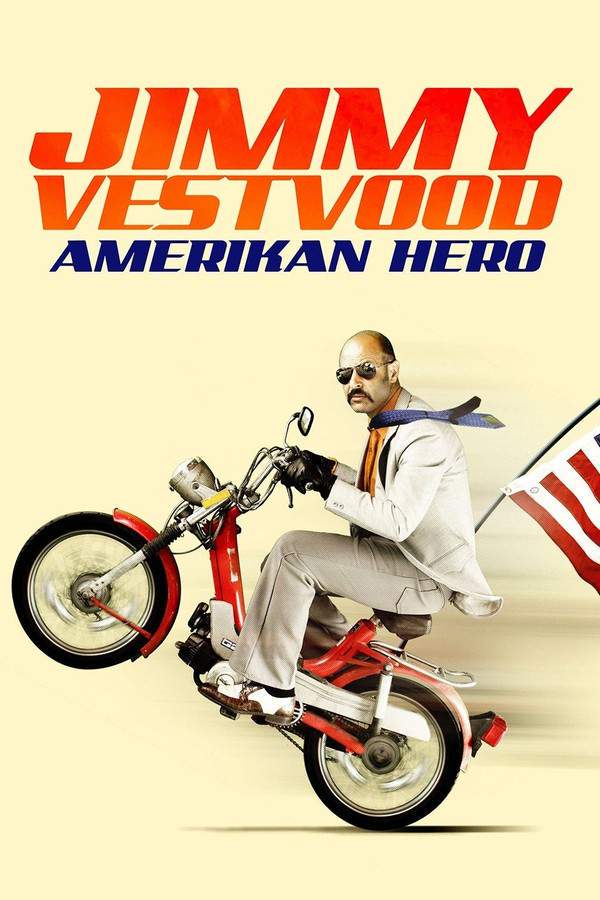
Jimmy Vestvood: Amerikan Hero
2016
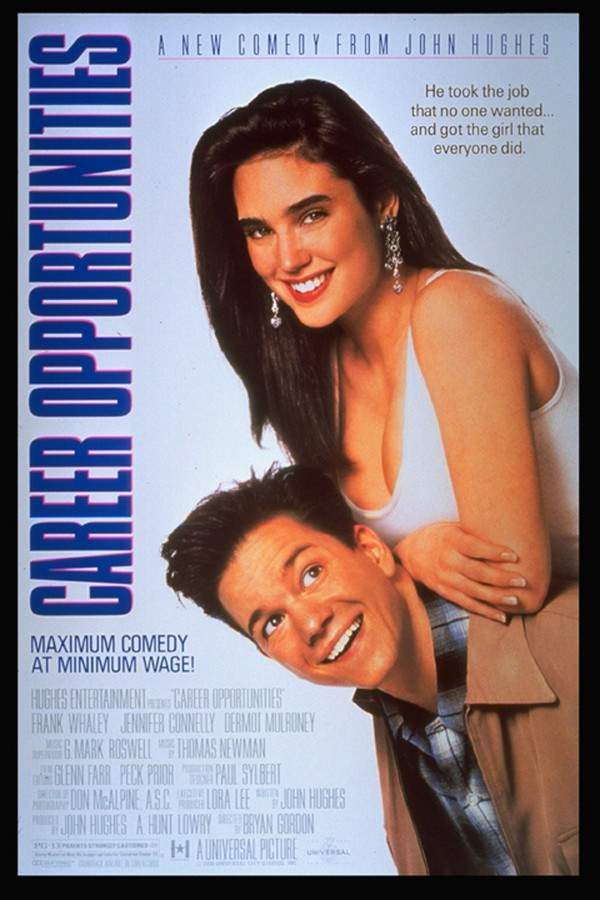
Career Opportunities
1991

Flavors
2004
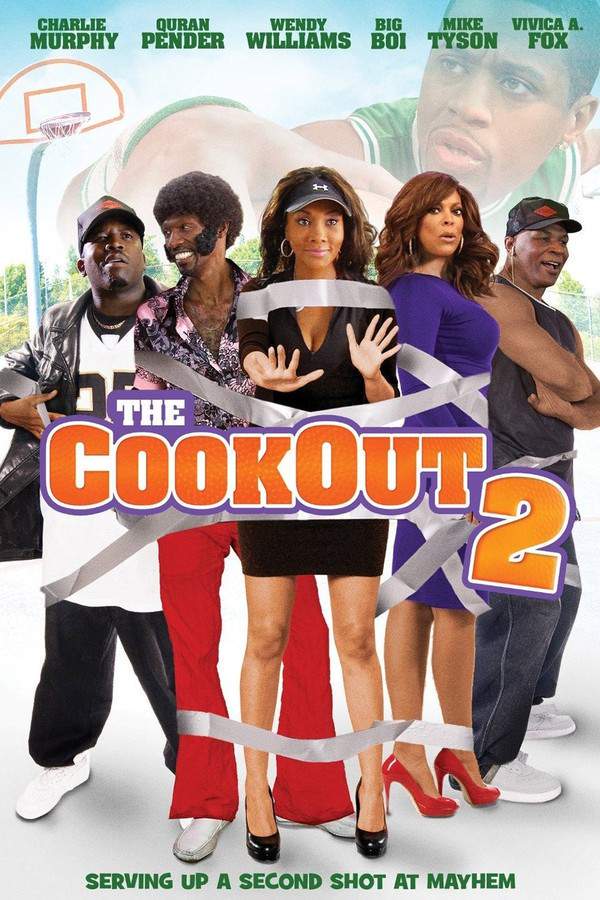
The Cookout
2004
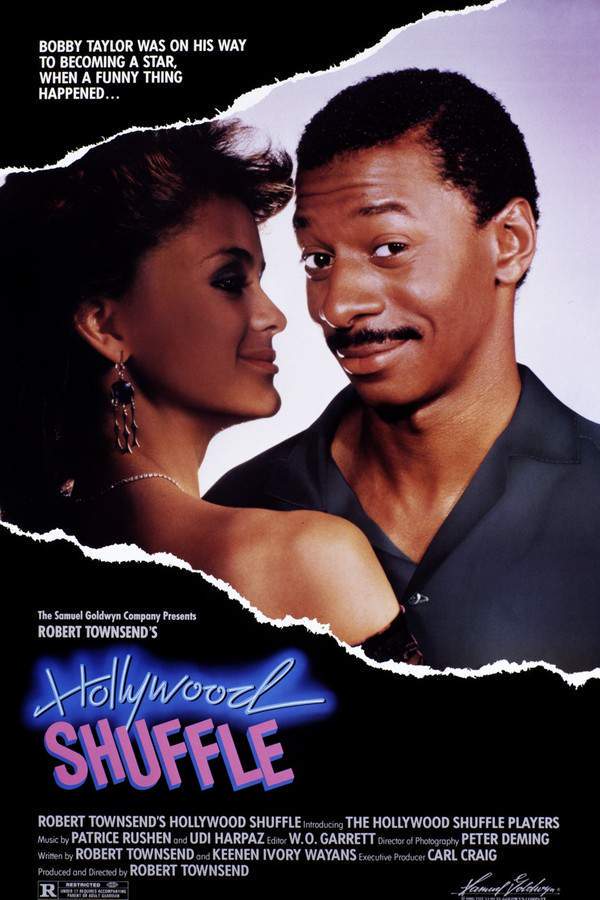
Hollywood Shuffle
1987
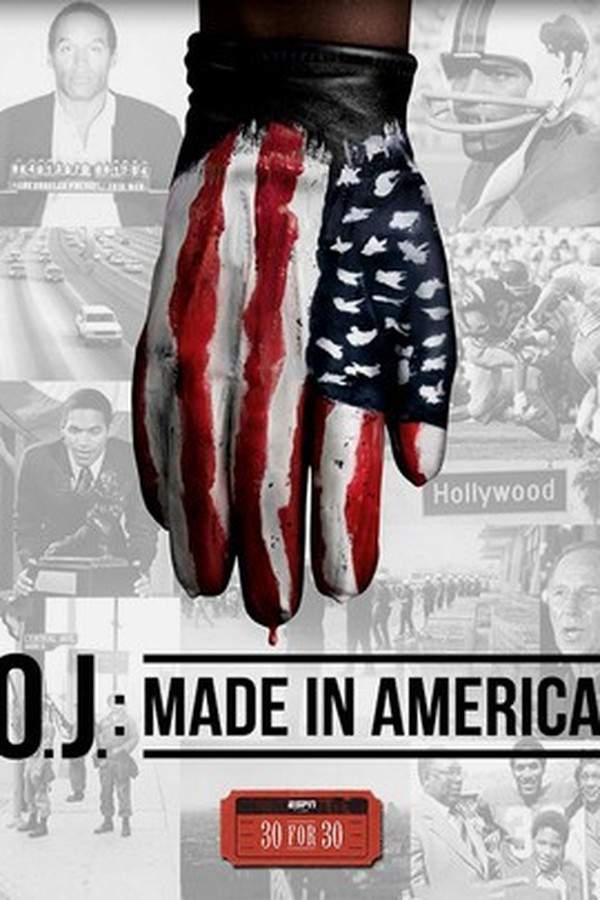
Made in America
1993
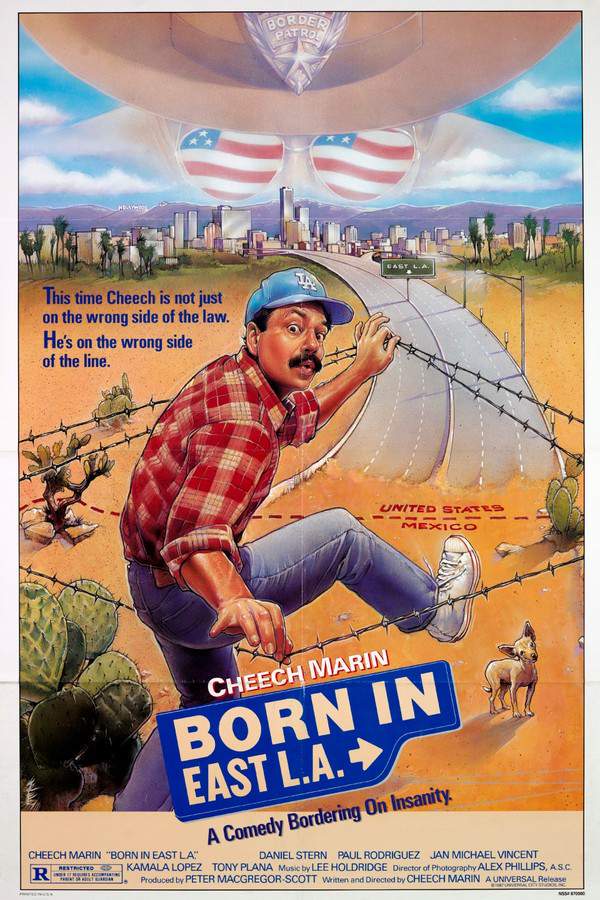
Born in East L.A.
1987
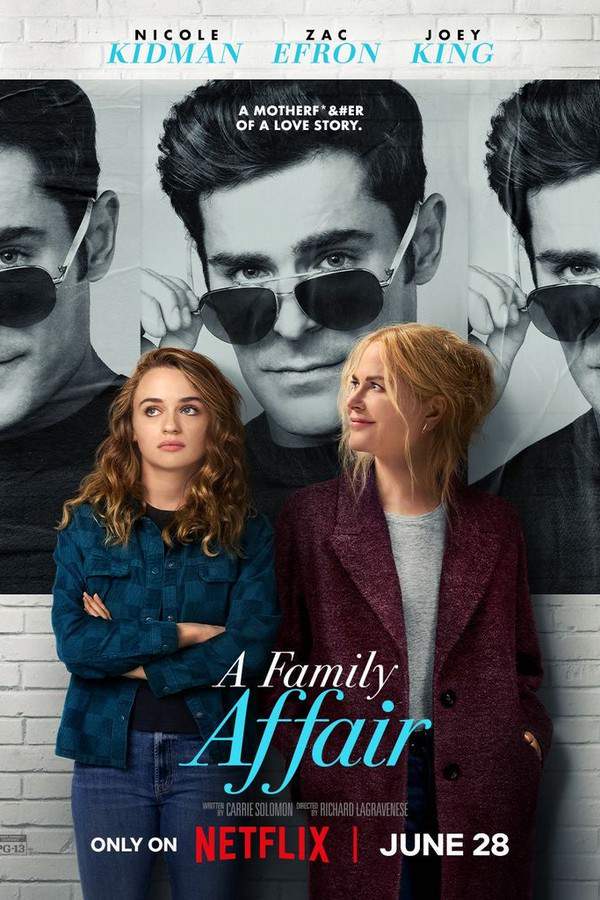
A Family Affair
2024

ABCD: American-Born Confused Desi
2013

See This Movie
2004

Clash of Egos
2006
Narrative Summary
The narrative follows a character, often in a creative or public-facing field, who faces professional stagnation or misrepresentation. Their journey involves a series of comedic setbacks that force a reckoning with their cultural background. The resolution comes from a pivotal event, often involving family, that allows them to leverage their unique identity to achieve authentic success and personal fulfillment.
Why These Movies?
These movies share a focus on the intersection of career struggles and cultural identity, presented with a lighthearted comedic tone. They feature protagonists on a journey of self-discovery, where embracing their heritage becomes the key to resolving both personal and professional conflicts.
Unlock the Full Story of Easter Sunday
Don't stop at just watching - explore Easter Sunday in full detail. From the complete plot summary and scene-by-scene timeline to character breakdowns, thematic analysis, and a deep dive into the ending - every page helps you truly understand what Easter Sunday is all about. Plus, discover what's next after the movie.
Easter Sunday Timeline
Track the full timeline of Easter Sunday with every major event arranged chronologically. Perfect for decoding non-linear storytelling, flashbacks, or parallel narratives with a clear scene-by-scene breakdown.

Characters, Settings & Themes in Easter Sunday
Discover the characters, locations, and core themes that shape Easter Sunday. Get insights into symbolic elements, setting significance, and deeper narrative meaning - ideal for thematic analysis and movie breakdowns.


