Plot Explained Spoilers guaranteed!
Plot Explained

Browse by genre

Don’t Torture a Duckling (1972) movie poster

Characters & Themes

Don’t Torture a Duckling (1972) Characters, Setting & Themes Explained

Release, runtime and language
1972 · 105 mins · Italian
Directed by
Lucio Fulci
Starring
John Bartha, Irene Papas, Marc Porel, Franco Balducci, Georges Wilson, Barbara Bouchet

Lucio Fulci’s unsettling thriller follows a hard‑boiled reporter and a sexually liberated young woman as they investigate a string of brutal child murders in a secluded southern Italian village, where ancient superstitions and a deep mistrust of outsiders dominate daily life. Their probing draws them into a nightmarish web of folk beliefs and hidden secrets that threaten anyone who dares to uncover the truth.

On this page (7)
  1. 1 Characters explained (9)
  2. 2 Where & when it takes place
  3. 3 Themes & meaning (3)
  4. 4 Character & meaning questions
  5. 5 Movie threads
  6. 6 Movies like Don’t Torture a Duckling
  7. 7 Every angle

9 main characters · contains spoilers

Don’t Torture a Duckling Characters Explained: Who Is Who

The main characters of Don’t Torture a Duckling (1972), heroes and villains: what drives them, how they change over the course of the story and what each of them reveals about the film's bigger ideas.

  • Andrea Martelli — Tomas Milian

    A Rome journalist who arrives in Accendura and partners with Patrizia to uncover the truth behind the killings. He is observant, skeptical of superstition, and drawn to the human drama in a village marked by fear and rumor. His investigation drives the plot as he navigates village loyalties and moral judgments.

    • 🗞️ Journalist
    • 🧭 Investigator
    • 💡 Analytical
  • Patrizia — Barbara Bouchet

    A former Milan reporter living in the village, she faces ostracism for her cosmopolitan ways. She exudes a modern, provocative presence that unsettles the locals and complicates her relationship with Andrea. Her ambiguous behavior and past scandals make her a suspect and ally at once.

    • 🗺️ City outsider
    • 🎭 Complex
  • Maciara — Florinda Bolkan

    A reclusive Gypsy witch rumored to practice black magic and connected to the murders. She confesses under duress but seems to believe only in her dolls’ magic, not physical methods. Her brutal treatment by the crowd exposes the danger of scapegoating the innocent.

    • 🔮 Witchcraft
    • 🌗 Reclusive
  • Don Alberto Avallone — Franco Balducci

    A respected local priest who oversees the boys’ group. He ultimately murders the children not to condemn their sins, but to prevent them from sinning as they grow up, revealing a chilling moral code. His clash with Andrea culminates in a fatal confrontation.

    • 🙏 Priest
    • 🧭 Moralistic
  • Aurelia Avallone — Irene Papas

    Alberto's mother and the keeper of a six-year-old deaf-mute daughter, Malvina. She disappears with her daughter, prompting Andrea and Patrizia to intervene. Her character embodies maternal concern and the tension between family loyalty and the town’s dark secrets.

    • 👩 Mother
    • 🕊️ Protective
  • Francesco — Georges Wilson

    An eccentric hermit who practices black magic and is rumored to have had a child with Maciara. He represents occult knowledge in the village and is both a suspect and a source of rumors the investigation must weigh.

    • 🧙 Hermit
    • 🔮 Occult
  • Giuseppe Barra — Vito Passeri

    A simple local who is arrested for Bruno’s ransom incident but is later exonerated when Bruno’s body is found; his arrest highlights how fear and rumor can frame justice in a small town.

    • 👤 Local
    • 💡 Innocent
  • Mr. Lo Cascio (Bruno's Father) — Andrea Aureli

    Bruno's father, a village figure who embodies the domestic tension and protective yet sometimes harsh attitudes of small-town life.

    • 👨 Father
    • 🏡 Village resident
  • Mrs. Lo Cascio (Bruno's Mother) — Linda Sini

    Bruno’s mother, whose reactions reflect the community’s heartbreak and concern for the missing child and the impact of the murders on families.

    • 👩 Mother
    • 💔 Grief

Last updated: October 04, 2025 at 18:01

Was this helpful?

Setting

Where and When Does Don’t Torture a Duckling Take Place?

The setting of Don’t Torture a Duckling (1972): the year and time period, the places and locations, and how they shape the characters, the mood and the tension of the story.

Time period

1970s

The story unfolds in the early 1970s in rural Italy, where traditional values clash with modern attitudes. Journalists descend on the village as media interest grows, turning a provincial murder case into a national affair. The period mood amplifies suspicion, moral judgments, and sensationalism in the investigation.

Location

Accendura, Basilicata, Italy

Accendura is a remote Basilicata village whose narrow streets and close-knit community foster gossip and superstition. Its hillside setting and religious traditions create a claustrophobic backdrop as a string of brutal killings unsettles everyone. The surrounding mountains hide secrets and a sense of ancient fear that permeates daily life.

  • 🏞️ Rural village
  • 🧭 Basilicata setting
  • 🌧️ Atmospheric small-town life

Last updated: October 04, 2025 at 18:01

Was this helpful?

3 major themes

Don’t Torture a Duckling Meaning: Themes & Message Explained

What is Don’t Torture a Duckling (1972) really about? The emotional, social and philosophical themes the film keeps returning to, its symbolism and the message beneath the surface.

  • Morality

    The close-knit community enforces strict moral codes, ostracizing outsiders and judging behavior. The murders reveal hypocrisy and the cost of suppressing uncomfortable truths. Friends become suspects, and hometown solidarity masks darker undercurrents.

  • Superstition vs Reason

    Witchcraft rumors and occult rituals contrast with rational police work and journalism. Maciara’s claimed powers collide with forensic discovery, challenging what the town believes and what actually happened. Belief can both explain and obscure truth.

  • Media & Exposure

    Reporters and the national press turn a rural tragedy into headlines, changing how the village is perceived and how the case is pursued. The media gaze fuels fear, sensationalism, and pressure on investigators. The town’s secrets become commodified for public consumption.

Last updated: October 04, 2025 at 18:01

Was this helpful?

Character & theme questions

Don’t Torture a Duckling Characters & Meaning: Your Questions Answered

The questions people ask about Don’t Torture a Duckling (1972): who the characters really are, their relationships, what the symbols mean, where it takes place and what the movie is really about. Each answer contains spoilers.

Q1

Where is Don't Torture a Duckling set?

The film takes place in Accendura, a remote village in the Basilicata region of southern Italy. This isolated, hilly setting creates a claustrophobic atmosphere where narrow streets and a close-knit community foster gossip, superstition, and suspicion. The mountainous surroundings reinforce a sense of ancient fear that permeates daily life.

  • accendura
  • basilicata
  • southern italy
  • village setting
  • italian horror
Q2

What time period does the movie take place in?

Don't Torture a Duckling is set in the early 1970s, during a period when traditional rural Italian values clash with modern attitudes. Journalists arrive from Rome and Milan, turning a provincial murder case into a national media affair. The 1970s setting amplifies themes of suspicion, moral judgment, and sensationalism.

  • 1970s
  • time period
  • rural italy
  • 1970s italy
  • era
Q3

What is the morality theme in Don't Torture a Duckling?

The movie explores how the close-knit community of Accendura enforces strict moral codes, ostracizing outsiders and harshly judging behavior. The child murders expose deep hypocrisy and the dangerous cost of suppressing uncomfortable truths. Friends become suspects, and the village's appearance of solidarity masks darker undercurrents of secret sin and moral corruption.

  • morality
  • community
  • hypocrisy
  • sin
  • social judgment
Q4

How does the movie handle superstition vs reason?

Don't Torture a Duckling contrasts witchcraft rumors and occult rituals with rational police work and investigative journalism. Maciara's claimed magical powers collide with forensic methods, challenging what the town believes versus what actually happened. The film shows how belief can both explain and obscure truth, as superstition becomes a tool for scapegoating.

  • superstition
  • reason
  • witchcraft
  • occult
  • maciara
  • magic
Q5

What role does media play in Don't Torture a Duckling?

The film examines how reporters and the national press transform a rural tragedy into sensational headlines. This media attention changes how the village is perceived and pursued, fueling fear and pressure on investigators. The town's dark secrets become commodified for public consumption, revealing how exposure can corrupt both the investigated and the investigators.

  • media
  • press
  • journalism
  • investigation
  • sensationalism
  • exposure
Q6

Who is Andrea Martelli in the movie?

Andrea Martelli is a Rome journalist portrayed by Tomas Milian who arrives in Accendura to investigate the child murders. He is observant, skeptical of superstition, and drawn to the human drama unfolding in the fear-ridden village. His investigation drives the plot as he navigates complex village loyalties and moral judgments while partnering with Patrizia.

  • andrea martelli
  • tomas milian
  • journalist
  • reporter
  • investigator
Q7

Who is Patrizia in Don't Torture a Duckling?

Patrizia is a former Milan reporter portrayed by Barbara Bouchet who now lives in the village. She faces ostracism from locals due to her cosmopolitan ways and modern, provocative demeanor. Her ambiguous behavior and past scandals make her both a suspect and an ally to Andrea throughout the investigation.

  • patrizia
  • barbara bouchet
  • milan reporter
  • outsider
  • suspect
Q8

Who is Maciara and what is her role?

Maciara is a reclusive Gypsy witch portrayed by Florinda Bolkan, rumored to practice black magic and connected to the murders. She confesses under duress from the mob but seems to believe only in her dolls' magic, not physical methods. Her brutal treatment by the crowd illustrates how the village scapegoats an innocent outsider during times of fear.

  • maciara
  • florinda bolkan
  • gypsy
  • witch
  • scapegoat
  • occult
Q9

Who is Don Alberto Avallone in the film?

Don Alberto Avallone is a respected local priest portrayed by Franco Balducci who oversees the boys' group in the village. He is ultimately revealed as the murderer, motivated not by condemnation of sin but by a chilling desire to prevent the children from sinning as they grow up. His clash with Andrea leads to a fatal confrontation.

  • don alberto avallone
  • priest
  • killer
  • villain
  • murderer
  • religious hypocrisy
Q10

What is Aurelia Avallone's role in the movie?

Aurelia Avallone is played by Irene Papas as Alberto's mother, who cares for her six-year-old deaf-mute daughter Malvina. She disappears with her daughter during the chaos of the investigation, prompting Andrea and Patrizia to intervene. Her character embodies maternal concern while highlighting the tension between family loyalty and the town's dark secrets.

  • aurelia avallone
  • irene papas
  • mother
  • malvina
  • family
  • protection
Q11

Why is the isolated village setting important to the story?

The remote setting of Accendura is central to the film's themes. Geographic isolation fosters a community where gossip spreads rapidly, superstition thrives, and outsiders are immediately suspected. The village's religious traditions and close quarters create a pressure cooker environment where secrets are kept and moral judgments are swift and violent.

  • village
  • isolation
  • community
  • superstition
  • outsiders
  • gossip
Q12

Who is Francesco in Don't Torture a Duckling?

Francesco is an eccentric hermit portrayed by Georges Wilson who practices black magic and is rumored to have had a child with Maciara. He represents the occult knowledge lurking in the village and serves as both a suspect in the murders and a source of rumors that the investigation must weigh against rational evidence.

  • francesco
  • hermit
  • occult
  • black magic
  • suspect
  • rumors

Movie threads

More Movies Like Don’t Torture a Duckling, by Mood & Story

Curated lists built around what makes Don’t Torture a Duckling tick: the same mood, the same kind of story or the same emotional payoff. Each list explains why these movies belong together.

Thrillers about small town secrets like Don’t Torture a Duckling

Tight-knit communities unravel under the weight of crime and suspicion. If you liked the oppressive atmosphere and moral decay of Don’t Torture a Duckling, explore more movies where a community's dark underbelly is exposed by a crime. These films use a small-town setting to amplify tension, paranoia, and the brutal consequences of superstition and hidden truths.

  • paranoid
  • claustrophobic
  • unsettling
  • suspenseful
  • oppressive
  • brutal
  • Tone: dark, unsettling, paranoid
  • Pacing: steady, methodical
Why these movies?

The story pattern: Stories in this thread typically begin with an outsider or a brave local challenging a community's fragile status quo, often triggered by a murder or disappearance. The narrative follows the investigation as it peels back layers of respectability to reveal corruption, hypocrisy, and violence, frequently culminating in a tragic failure of justice.

Why they belong together: These films are grouped by their shared focus on a community as the central antagonist. They share a dark tone, a steady, methodical pacing that builds dread, and a heavy emotional weight derived from the collapse of social order and the triumph of base instincts over reason.

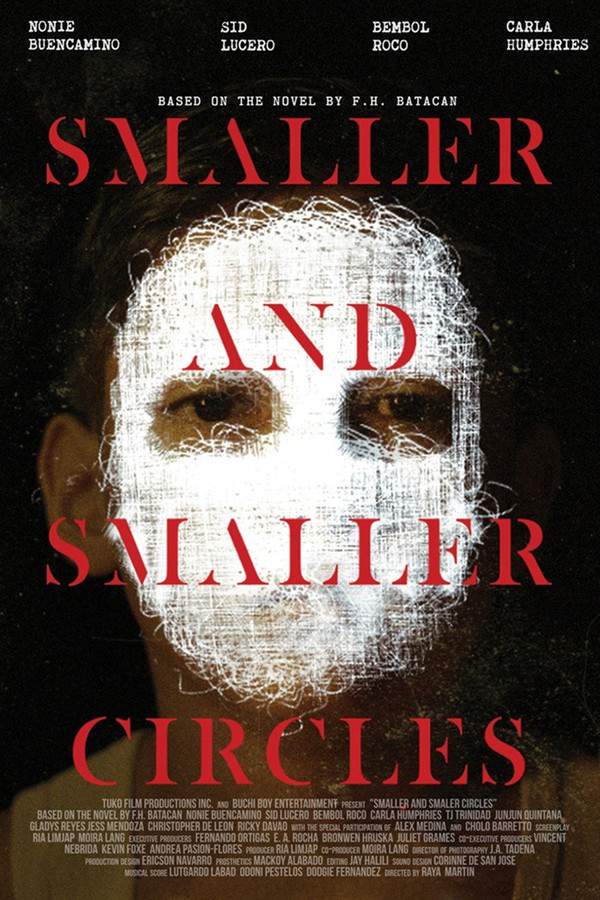
Giallo style murder mysteries like Don’t Torture a Duckling

Stylish, violent murder mysteries where the investigation is a descent into madness. Fans of the methodical pacing, graphic violence, and dark themes in Don’t Torture a Duckling will find similar thrills here. This collection highlights gritty murder mysteries where the search for a killer leads through a nightmare of superstition, repressed desires, and brutal violence.

  • violent
  • suspenseful
  • unsettling
  • dark
  • brutal
  • oppressive
  • Tone: dark, violent, suspenseful
  • Pacing: steady, relentless
Why these movies?

The story pattern: The narrative follows a dogged investigator—a journalist, detective, or amateur sleuth—as they piece together clues in a case marked by extreme violence and bizarre symbolism. The plot is linear but layered with red herrings and disturbing reveals about the perpetrator's motives, which are often rooted in trauma or psychosis.

Why they belong together: These movies are united by their specific blend of steady-paced investigation, high-intensity violence, and a dark, oppressive tone. They deliver a consistent experience of suspense and dread, prioritizing mood and brutal imagery over complex twists, resulting in a deeply unsettling viewing experience.

If you liked this

Movies Like Don’t Torture a Duckling

Similar movies to Don’t Torture a Duckling: the same genre, themes or kind of story. Each one comes with its own plot summary, timeline and ending explained.

Browse all movie summaries

Every angle

Don’t Torture a Duckling (1972) Explained: Plot, Timeline & Characters

Everything about Don’t Torture a Duckling in one place: what happens in the plot summary, the timeline in chronological order, the characters and meaning and a spoiler-free summary. What's After the Movie adds the cast, box office and post-credit scenes.

Coming soon on iOS and Android

The Plot Explained Movie Summary App

Plot summaries, endings explained and timelines on your phone. Catch up on any movie in minutes, save your favorites and never miss a twist again.

Be the first to know when we launch. Your email stays private, always.

Learn more about the app