Plot Explained Spoilers guaranteed!
Plot Explained

Browse by genre

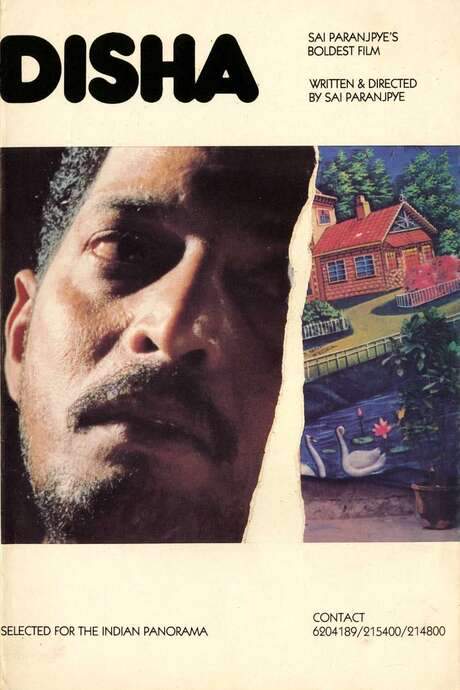
Disha (1990) movie poster

Characters & Themes

Disha (1990) Characters, Setting & Themes Explained

Release, runtime and language
1990 · 135 mins · Hindi
Directed by
Sai Paranjape
Starring
Shabana Azmi, Om Puri, Nana Patekar, Achyut Potdar, Raghubir Yadav, Rajshree Sawant

Two peasants are ill-prepared for life in the big city after moving from their tiny village to Bombay.

On this page (6)
  1. 1 Characters explained (6)
  2. 2 Where & when it takes place
  3. 3 Themes & meaning (3)
  4. 4 Character & meaning questions
  5. 5 Movie threads
  6. 6 Every angle

6 main characters · contains spoilers

Disha Characters Explained: Who Is Who

The main characters of Disha (1990), heroes and villains: what drives them, how they change over the course of the story and what each of them reveals about the film's bigger ideas.

  • Vasanta

    A young man who marries into the village life and seeks sustaining work in Mumbai. He dreams of saving enough to start a cooperative project in Bakuri but must navigate the lure of city life and family duty.

    • 👔 Ambitious
    • 🏠 Family-oriented
  • Phulwanti

    Vasanta's wife who joins the bidi factory workforce. She faces the pressures of factory life and the moral complexities surrounding Munshi, including an extramarital affair, while caring for her in-laws.

    • 💪 Resilient
    • ⚖️ Morally challenged
  • Soma

    A migrant worker who views Mumbai as the solution to unemployment back home. He becomes a resourceful ally in the village but eventually weighs leaving the city to support farming schemes.

    • 🧰 Practical
    • 🚶‍♂️ Migrant
  • Parshuram Sarpat

    Known as 'The pagal parsha', Parshuram earns recognition for finally obtaining water for the village. His effort embodies community leadership and the fight for shared resources.

    • 🪨 Determined
    • 🧭 Community-driven
  • Munshi

    Manager of the bidi factory who harbors predatory intentions toward Phulwanti and wields his position to exert control, highlighting exploitation within industrial settings.

    • 🏢 Authority
    • ⚖️ Corrupt power
  • Hansa

    A local woman who works alongside Phulwanti in the bidi factory and stands as part of the village's labor force, representing resilience in the face of hardship.

    • 🤝 Solidarity
    • 🧵 Labor

Last updated: December 27, 2025 at 11:30

Was this helpful?

Setting

Where and When Does Disha Take Place?

The setting of Disha (1990): the year and time period, the places and locations, and how they shape the characters, the mood and the tension of the story.

Time period

Mid-20th century

The film is set in an era of early industrialization, when Mumbai's cotton mills and bidi factories drew rural workers in search of steady income. Life is marked by hard labor, long shifts, and debt that ties workers to their employers. The old city and its outskirts are depicted as a world apart from rural Bakuri.

Location

Bakuri village, Mumbai

Bakuri is a small village where water scarcity shapes daily life and the struggle for a shared water source. The story shows the village as arid and tightly knit, with people depending on local wells and communal resources. As migrants leave for Mumbai, the balance between village life and urban opportunity becomes a central tension.

  • 🏞️ Rural setting
  • 💧 Water scarcity
  • 🏭 Urban migration

Last updated: December 27, 2025 at 11:30

Was this helpful?

3 major themes

Disha Meaning: Themes & Message Explained

What is Disha (1990) really about? The emotional, social and philosophical themes the film keeps returning to, its symbolism and the message beneath the surface.

  • Water Scarcity

    Water becomes the lifeblood of the village, driving Parshuram's determination and bringing the community together. The struggle to secure a reliable water supply exposes social tensions but also offers a path to universal access when Parshuram succeeds. The theme ties daily survival to communal solidarity and reform.

  • Migration & Labor

    Men like Soma and Vasanta chase urban work in Mumbai's mills, lured by the promise of better wages. The film portrays brutal working conditions, long hours, and the loneliness of being away from family. Debts and housing constraints deepen the hardship, shaping choices between the city and village.

  • Exploitation & Morality

    Munshi's predatory behavior toward Phulwanti exposes power imbalances in factory life. The narrative follows moral compromises, including Phulwanti's relationships and the strain on marriage, under the pressure of economic desperation. The theme questions justice, vulnerability, and the cost of ambition.

Last updated: December 27, 2025 at 11:30

Was this helpful?

Character & theme questions

Disha Characters & Meaning: Your Questions Answered

The questions people ask about Disha (1990): who the characters really are, their relationships, what the symbols mean, where it takes place and what the movie is really about. Each answer contains spoilers.

Q1

Where is the story of Disha set?

The film takes place primarily in Bakuri, a small rural village dealing with severe water scarcity, and in Mumbai where migrants work in bidi factories and cotton mills. The contrast between the arid, tight-knit village and the industrial city underscores the central tension between rural survival and urban opportunity.

  • bakuri village
  • mumbai
  • bidi factory
  • setting
  • rural india
Q2

What time period does Disha portray?

Disha is set during the mid-20th century, a period of early industrialization in Mumbai when cotton mills and bidi factories attracted rural workers. This era was marked by hard labor, long shifts, and debt bondage that tied workers to their employers, creating a stark contrast with traditional village life.

  • mid-20th century
  • industrial era
  • mumbai mills
  • time period
Q3

What role does water scarcity play in Disha?

Water scarcity is the central force driving the village of Bakuri. The struggle to secure a reliable water source shapes daily life, determines social tensions, and ultimately brings the community together when Parshuram Sarpat succeeds in obtaining water for the village. This theme ties survival to communal solidarity and reform.

  • water scarcity
  • bakuri well
  • village resources
  • community
Q4

How does Disha portray migration and factory labor?

The film depicts the harsh reality of rural workers migrating to Mumbai's mills in search of steady income. Characters like Vasanta and Soma face brutal working conditions, long hours, debt, and housing constraints. The narrative shows the emotional toll of being away from family while questioning whether urban work truly offers a better life.

  • migration
  • mumbai mills
  • factory labor
  • debt
  • hardship
Q5

What does Disha say about exploitation and morality?

Disha explores how power imbalances in factory life lead to exploitation, particularly through Munshi's predatory behavior toward Phulwanti. The narrative examines moral compromises made under economic desperation, including extramarital affairs and strained marriages, questioning justice and vulnerability in industrial settings.

  • exploitation
  • munshi
  • factory manager
  • morality
  • power abuse
Q6

Who is Vasanta in Disha?

Vasanta is a young man who leaves Bakuri for Mumbai to seek sustainable work. He dreams of returning to start a cooperative project in his village but must navigate the allure of city life against his family duties. His journey represents the broader migrant experience of chasing opportunity while maintaining ties to home.

  • vasanta
  • migrant worker
  • cooperative
  • village dreams
Q7

Who is Phulwanti in Disha?

Phulwanti is Vasanta's wife who joins the bidi factory workforce in Mumbai alongside her husband. She faces the dual pressures of factory life and the moral complexities arising from Munshi's attention, including an extramarital affair, all while caring for her in-laws. Her character embodies the vulnerability of women in industrial settings.

  • phulwanti
  • bidi factory
  • munshi
  • exploitation
  • women workers
Q8

Who is Parshuram Sarpat in Disha?

Parshuram Sarpat, known as 'The pagal parsha' or crazy saint, earns recognition for finally obtaining water for the drought-stricken village of Bakuri. His successful well-digging effort embodies community leadership and the fight for shared resources, providing one of the film's few hopeful moments amid widespread hardship.

  • parshuram sarpat
  • pagal parsha
  • village well
  • community leader
Q9

What role does Munshi play in Disha?

Munshi is the manager of the bidi factory who wields his position to exert control over workers, particularly harboring predatory intentions toward Phulwanti. His character highlights the systemic exploitation present in industrial settings, where those in power abuse their positions against vulnerable workers.

  • munshi
  • factory manager
  • exploitation
  • predator
  • power abuse
Q10

How does Disha contrast village life with city life?

Disha presents a stark contrast between Bakuri's arid but tight-knit community, where survival depends on shared resources like water wells, and Mumbai's industrial world of mills and factories offering wages but demanding heavy personal costs. The film examines whether urban opportunity truly outweighs the displacement from communal village life.

  • village vs city
  • rural urban contrast
  • migration
  • bakuri mumbai
Q11

What is the emotional tone of Disha?

Disha has a predominantly bleak tone focusing on systemic poverty, exploitation, and the emotional toll of migration. While Parshuram's successful well-digging offers a hopeful counterpoint, the central narrative is marked by hardship including debt, poor working conditions, and marital betrayal, resulting in a bittersweet ending where some find purpose in returning to the village while others are broken.

  • emotional tone
  • poverty
  • hardship
  • bittersweet
  • bleak
Q12

Who is Soma in Disha?

Soma is a migrant worker who views Mumbai's industrial jobs as the solution to unemployment in his home village. He becomes a resourceful ally in Bakuri but eventually faces the dilemma of leaving city work to support farming schemes. His character represents the constant权衡 between urban employment and rural agricultural life.

  • soma
  • migrant worker
  • farming
  • village support

Movie threads

More Movies Like Disha, by Mood & Story

Curated lists built around what makes Disha tick: the same mood, the same kind of story or the same emotional payoff. Each list explains why these movies belong together.

Bittersweet rural migration stories like Disha

Stories of hope and hardship when villagers seek a new life in the city. For viewers who appreciated Disha, this collection features movies about the poignant and difficult transition from village life to the big city. Explore similar films that capture the hope, struggle, and bittersweet reality of rural migrants searching for a better future.

  • gritty
  • melancholic
  • hopeful
  • determined
  • oppressive
  • nostalgic
  • Tone: bittersweet, bleak
  • Pacing: steady, contemplative
Why these movies?

The story pattern: The narrative typically follows a journey from a simple rural setting to a complex urban landscape. Characters face systemic challenges like unemployment, debt, and exploitation, testing their resilience and relationships. The arc often involves disillusionment alongside small triumphs, culminating in an ending that acknowledges the cost of their dreams.

Why they belong together: These films are grouped together because they share a core focus on the migrant experience, blending a gritty, melancholic mood with a steady, observational pace. They offer a heavy emotional weight rooted in economic and social struggles, creating a powerful and relatable human drama.

Steady dramas of economic struggle like Disha

Unflinching character studies set against a backdrop of systemic poverty and survival. If you liked the realistic depiction of poverty and survival in Disha, this thread gathers movies with a similar steady pacing and heavy emotional weight. Discover other films that explore unemployment, debt, and the harsh realities of life on the economic margins.

  • oppressive
  • gritty
  • determined
  • melancholic
  • harsh
  • somber
  • Tone: bleak, harsh
  • Pacing: steady, methodical
Why these movies?

The story pattern: The plot is driven by the characters' continuous battle against economic forces beyond their control. There are no easy solutions, and the story unfolds through a series of challenges related to work, debt, and social exploitation. The pacing is deliberate, allowing the audience to feel the cumulative toll of each setback and small victory.

Why they belong together: This grouping connects films that share a bleak tone and a steady, patient pacing, focusing intensely on themes of poverty and survival. The viewing experience is characterized by a medium but persistent intensity, creating a powerful sense of empathy for characters facing overwhelming odds.

Every angle

Disha (1990) Explained: Plot, Timeline & Characters

Everything about Disha in one place: what happens in the plot summary, the timeline in chronological order, the characters and meaning and a spoiler-free summary. What's After the Movie adds the cast, box office and post-credit scenes.

Coming soon on iOS and Android

The Plot Explained Movie Summary App

Plot summaries, endings explained and timelines on your phone. Catch up on any movie in minutes, save your favorites and never miss a twist again.

Be the first to know when we launch. Your email stays private, always.

Learn more about the app