
Di Timur Matahari
Year: 2012
Runtime: 114 mins
Language: Indonesian
Director: Ari Sihasale
Mazmur and his friends reside in Papua, attending school without a teacher. They learn valuable lessons from community members like Father Samuel, Om Ucok, and Om Jollex. Their lives are dramatically altered when Mazmur witnesses the murder of his father, a traumatic event that forever changes their community and forces them to confront difficult circumstances.
Warning: spoilers below!
Haven’t seen Di Timur Matahari yet? This summary contains major spoilers. Bookmark the page, watch the movie, and come back for the full breakdown. If you're ready, scroll on and relive the story!
Timeline – Di Timur Matahari (2012)
Trace every key event in Di Timur Matahari (2012) with our detailed, chronological timeline. Perfect for unpacking nonlinear stories, spotting hidden connections, and understanding how each scene builds toward the film’s climax. Whether you're revisiting or decoding for the first time, this timeline gives you the full picture.
Last updated: March 05, 2026 at 18:42
Di Timur Matahari (2012) Timeline Questions Answered – Chronology FAQ
Find frequently asked questions about the Di Timur Matahari (2012) timeline, including chronological order, nonlinear jumps, cause-and-effect links, and scene sequence clarifications. This timeline FAQ helps explain when key events happen, how moments connect, and why the story unfolds in that specific order.
Why was Mazmur's father killed?
Mazmur's father was killed by Agnes's father in the Papua village. The murder stems from an existing grudge between the two families, though the exact origin of this grievance is not detailed in the summary. This act of violence shatters the village's fragile balance and triggers the central conflict of the story.
Why did Michael and Vina come to the village?
Michael, Mazmur's uncle who lives in Jakarta with his wife Vina, returns to the Papua village after the murder to help ease the mounting tensions between the two families. Michael brings a calmer, modern perspective in hopes of mediating the conflict and preventing further violence, while Vina works to maintain stability for the children caught in the middle.
Why does Alex want revenge?
Alex is Michael's brother who remains in the village and rejects the modern approach to resolving the conflict. He insists on traditional 'eye for an eye' justice, believing that the killer must pay with blood. His vengeance-driven stance sharpens the divide in the community and creates tension with Michael's mediation efforts.
Why has no teacher arrived in six months?
The village has been without a teacher for six months, with the airstrip being their only link to the outside world. The children have been learning from elders and nature during this time. The summary does not explain why the teacher has not arrived, but the ongoing absence creates hope that a new teacher might still come via the airstrip.
The village's wait at the airstrip early in the film establishes the longing for education that remains unfulfilled.
What role do the elders play in the village?
The elders Father Samuel (priest), Doctor Fatimah, and elders Ucok and Jolex fill the educational gap left by the missing teacher. They teach the children lessons from nature and community guidance. When conflict erupts, they provide counsel and cultural memory, emphasizing tradition, community, and the possibility of peace as a moral compass for the village.
How do the children stay united despite adult conflict?
Even as adults clash and violence erupts between factions, the children including Mazmur, Thomas, and their friends continue to play together and learn with Vina. Their bonds cross the family divide caused by the murder, demonstrating resilience and hope. Vina becomes a unifying presence for the younger generation, providing stability and education despite the surrounding chaos.
What causes the violence to erupt in the village?
The violence erupts after Mazmur's father is killed, which triggers old grievances and turns latent tensions into present danger. When Michael attempts to mediate and promote dialogue, his modern approach faces resistance from hardliners. Alex's demand for revenge further fuels the conflict. The adults ultimately circle one another with clenched fists, and open violence breaks out among the factions.
Why is the airstrip important to the village?
The airstrip is the remote Papua village's only connection to the outside world. It represents both their hope for a teacher and their link to broader opportunities. Throughout the story, the community watches the sky for signs of arrivals, making the airstrip a symbol of possibility even as dangers and conflicts surround them.
The opening scenes establish the airstrip as the village's lifeline and the focus of their daily hope.
What is the conflict between modern and traditional values?
The story contrasts Michael's modern, Jakarta-influenced approach of dialogue and restraint with Alex's traditional insistence on revenge. The village struggles between accepting new ways or clinging to old justice systems. This tension between 'eye for an eye' vengeance and modern mediation creates the central philosophical conflict of the film.
Does the village find peace by the end?
The summary ends on a note of fragile hope tempered by threat. While children find common ground and elders advocate for peace, the underlying tensions remain unresolved and violence lingers. The outcome of Michael's peace efforts and whether the conflict escalates further remains ambiguous at the film's conclusion.

Explore Movie Threads
Discover curated groups of movies connected by mood, themes, and story style. Browse collections built around emotion, atmosphere, and narrative focus to easily find films that match what you feel like watching right now.
Movies about traumatic youth awakening like Di Timur Matahari
Children's innocence is shattered by adult conflicts they must navigate.Explore films similar to Di Timur Matahari that focus on young characters whose innocence is shattered by violence and trauma. These powerful coming-of-age stories set in remote communities show children grappling with adult conflicts and loss.

The Watcher in the Woods
1981
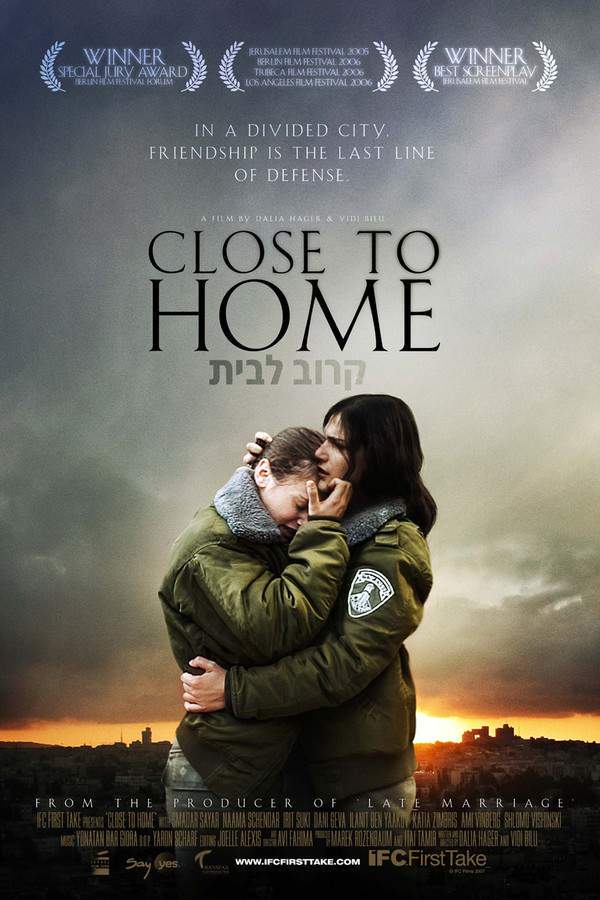
Close to Home
2007

White Water Summer
1987
Di Timur Matahari
2012

Cinema Verite
2011

Edge of Innocence
2017

The Village Album
2004

Cry for the Strangers
1982

The Hidden Child
2021

In the Electric Mist
2009

Because They’re Young
1960

The Young Stranger
1957

The Light in the Forest
1958

Dry Season
2024

Valley of the Shadow of Death
2024
Narrative Summary
These narratives often begin in a state of relative peace or innocence, focusing on the daily lives and education of young characters. A pivotal traumatic event, often a murder or act of violence witnessed by the child, shatters this peace. The story then follows their emotional and psychological journey as they are forced to confront complex adult realities, tribal conflicts, or intergenerational trauma, forever losing their childhood innocence in the process.
Why These Movies?
They are grouped by their shared focus on the painful transition from childhood innocence to a hardened understanding of the world, triggered by a specific traumatic catalyst. The emotional weight comes from witnessing this loss of innocence set against culturally rich, often isolated backdrops where traditional conflicts boil over.
Movies about cultural conflict like Di Timur Matahari
Remote communities grapple with modern influences and ancient conflicts.Discover films similar to Di Timur Matahari that explore cultural conflicts in remote communities. These tense dramas examine the clash between tradition and modernity, intergenerational trauma, and the fragile peace of indigenous societies facing internal and external pressures.
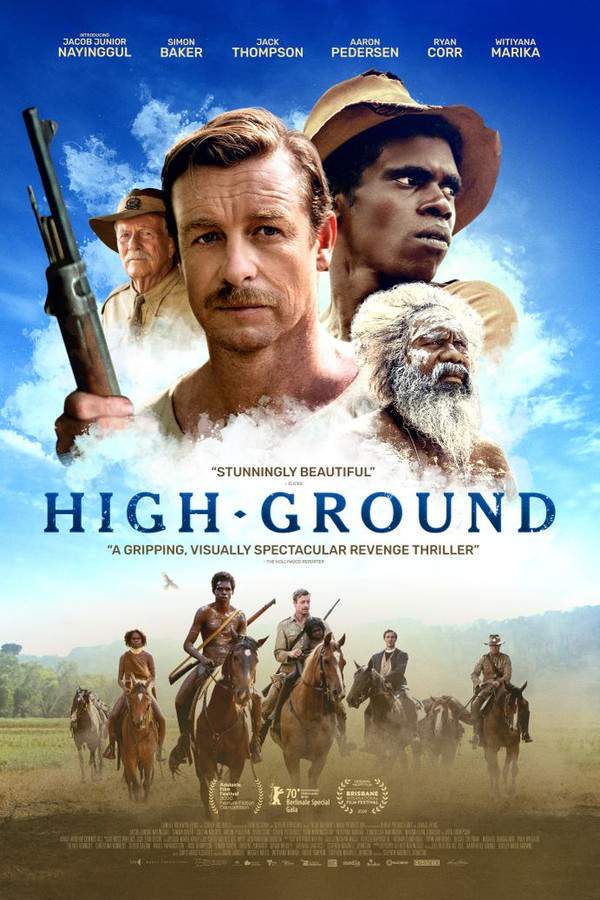
High Ground
2021
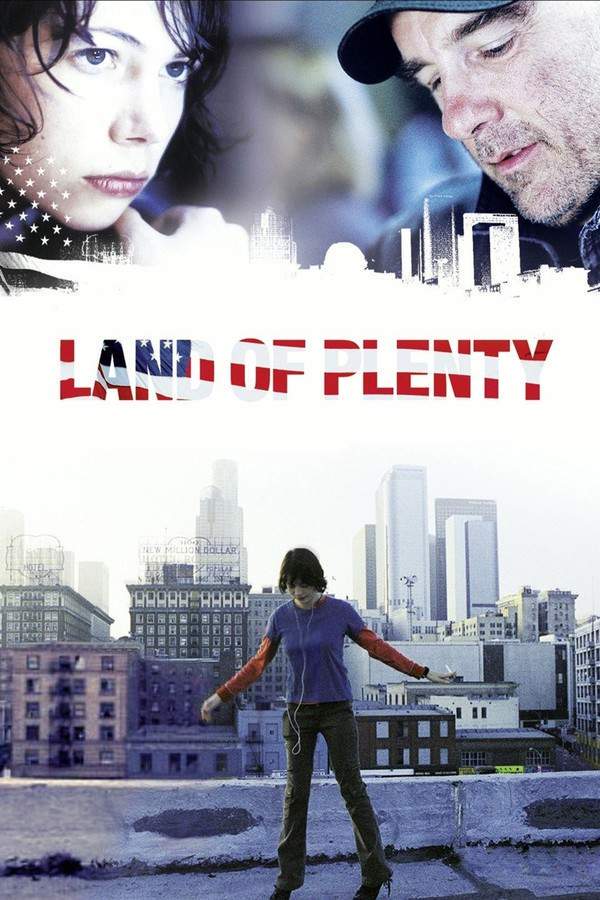
Land of Plenty
2005

Fancy Dance
2024

Day of Reckoning
2025
Di Timur Matahari
2012

Montana
1990

Mohawk
1956

Tension at Table Rock
1956

New Mexico
1951

The Savage
1952
The Light in the Forest
1958

Stolen Women, Captured Hearts
1997

Rites of Passage
1999

Older Than America
2008
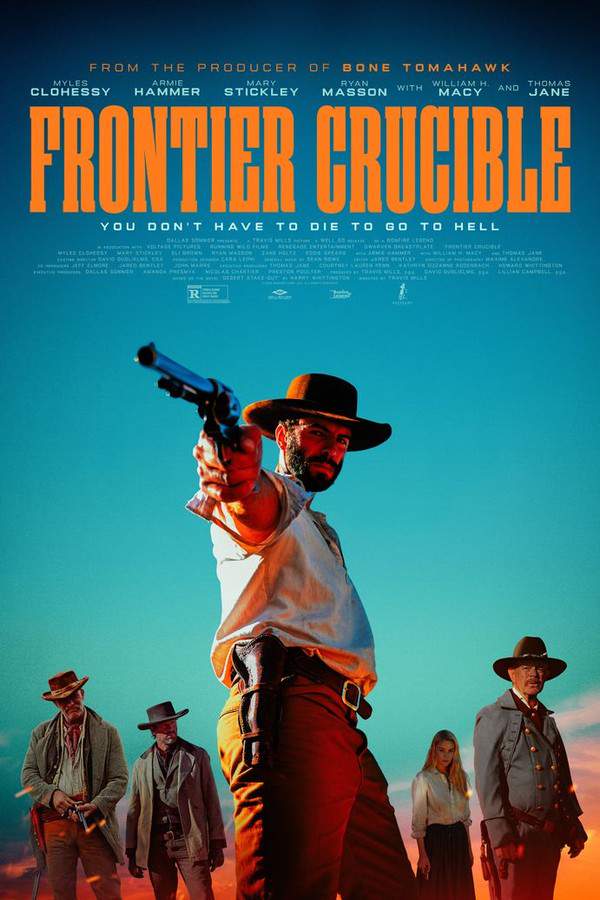
Frontier Crucible
2025
Narrative Summary
These narratives typically unfold in geographically or culturally isolated settings where a community's traditional way of life is maintained. The story introduces a catalyst—often an outside influence, a brewing internal conflict, or a violent incident—that threatens this stability. The plot follows the resulting tensions between different factions, generations, or value systems (e.g., traditional 'eye for an eye' justice vs. modern mediation), creating a steady build of dread and moral complexity.
Why These Movies?
They share a compelling setting of a remote community under stress, a tense atmosphere born from cultural or ideological clashes, and a narrative that explores the conflict between tradition and change. The emotional core often involves grief, loss, and the difficult choices faced by characters trying to preserve their community's soul.
Unlock the Full Story of Di Timur Matahari
Don't stop at just watching - explore Di Timur Matahari in full detail. From the complete plot summary and scene-by-scene timeline to character breakdowns, thematic analysis, and a deep dive into the ending - every page helps you truly understand what Di Timur Matahari is all about. Plus, discover what's next after the movie.
Di Timur Matahari Summary
Read a complete plot summary of Di Timur Matahari, including all key story points, character arcs, and turning points. This in-depth recap is ideal for understanding the narrative structure or reviewing what happened in the movie.

Characters, Settings & Themes in Di Timur Matahari
Discover the characters, locations, and core themes that shape Di Timur Matahari. Get insights into symbolic elements, setting significance, and deeper narrative meaning - ideal for thematic analysis and movie breakdowns.


