Death of a Cyclist

Death of a Cyclist

Year: 1955

Runtime: 88 mins

Language: Spanish

Director: Juan Antonio Bardem

CrimeDramaThriller

Death on the road. A couple having an affair strike a bicyclist with their car and do not offer aid out of fear of their relationship being exposed.

Warning: spoilers below!

Haven’t seen Death of a Cyclist yet? This summary contains major spoilers. Bookmark the page, watch the movie, and come back for the full breakdown. If you're ready, scroll on and relive the story!

Timeline & Setting – Death of a Cyclist (1955)

Explore the full timeline and setting of Death of a Cyclist (1955). Follow every major event in chronological order and see how the environment shapes the story, characters, and dramatic tension.

Time period

1950s

The film is set in mid-20th-century Spain under Francoist rule, a time of strict social codes and censorship. The era's class divisions amplify the stakes when private actions threaten the public facade. The narrative uses contemporary Spanish settings and social rituals to critique privilege and accountability.

Location

Spain

Set in Spain's urban upper-class milieu, the story unfolds across public roads and exclusive social gatherings. The roads themselves become a stage for a moral crisis, where appearances mask a tangle of secrets. The setting emphasizes a society obsessed with reputation and control.

🏛️ Spain 🏙️ Urban upper-class

Last Updated: October 04, 2025 at 15:03

Main Characters – Death of a Cyclist (1955)

Meet the key characters of Death of a Cyclist (1955), with detailed profiles, motivations, and roles in the plot. Understand their emotional journeys and what they reveal about the film’s deeper themes.

Juan Fernández Soler (Alberto Closas)

A university professor and former Falange soldier, Juan embodies the educated upper class's conscience and contradictions. The affair exposes his past loyalties and current hesitations, pushing him to confront the costs of privilege. He vacillates between confessing to the police and seeking to protect the social order, revealing a man torn by duty and desire. His arc culminates in a fatal tension between truth and loyalty as events spiral out of control.

💼 Privileged 🧠 Introspective ⚖️ Morally conflicted

María José de Castro (Lucia Bosè)

A wealthy socialite whose world would unravel with public exposure. She is consumed by the desire to preserve her status, which leads her to drastic actions. Her willingness to sacrifice others—up to the point of murder—highlights the ruthlessness that can underwrite privilege. In the end, she dies as consequence of the chain of events she helped set in motion.

💎 Wealth 💃 Socialite 🔒 Secretive

Rafael Sandoval (Rafa) (Carlos Casaravilla)

An observing art critic who aims to purify the upper class through scandal. He feeds on exposing hypocrisy and uses the couple's affair to threaten their social standing. His scheming frames the couple's choices and exposes the fragility of the elite's moral codes. He embodies a voice of corrosive mockery from outside the circle.

🕵️ Observer 🎨 Art critic 🏛️ Outsider

Cyclist (Manuel Alexandre)

The unnamed cyclist is the catalyst whose unglamorous demise triggers the central crisis. His accident, initially just a victim, becomes the moral fulcrum around which the upper-class characters justify or condemn themselves. Although he is seen only obliquely, his death exposes the social order's fragility and the randomness of fate. His role underscores the film's commentary on power and responsibility.

🚲 Victim 💥 Catalyst 🕊️ Innocent

Last Updated: October 04, 2025 at 15:03

Major Themes – Death of a Cyclist (1955)

Explore the central themes of Death of a Cyclist (1955), from psychological, social, and emotional dimensions to philosophical messages. Understand what the film is really saying beneath the surface.

🏛️ Class Hypocrisy

The film lays bare how the upper class maintains appearances while concealing their moral compromises. Juan and María Jose navigate a world that rewards status more than integrity. Their affair becomes a litmus test for whether privilege can withstand scrutiny. The story uses their cracks to critique the hollow codes of the elite.

⚖️ Guilt & Consequences

Guilt surfaces as the threat of exposure looms over the couple. The possibility of justice or public disgrace drives pivotal choices, revealing how far individuals will go to protect their way of life. The film suggests that privilege can shield crime, but not moral responsibility. The ultimate consequences expose the limits of power.

🕵️ Public Scrutiny

Rafa embodies the intrusive impulse to expose hypocrisy for personal or ideological gain. His plan to purify the upper class forces the couple to confront a truth they prefer hidden. The cinema frames social surveillance as a weapon that can annihilate reputations. Scrutiny destabilizes even the most fortified social circles.

💥 Violence & Fate

The cyclist’s accident acts as a catalyst that reveals the fragility of the social order. Violence emerges not as a grand gesture but as a grim consequence of attempts to preserve status. Fate threads through the narrative, showing how a private act can spiral into public catastrophe. The ending underscores the unpredictable, brutal reach of privilege.

Last Updated: October 04, 2025 at 15:03

Mobile App Preview

Coming soon on iOS and Android

The Plot Explained Mobile App

From blockbusters to hidden gems — dive into movie stories anytime, anywhere. Save your favorites, discover plots faster, and never miss a twist again.

Sign up to be the first to know when we launch. Your email stays private — always.

Explore Movie Threads

Discover curated groups of movies connected by mood, themes, and story style. Browse collections built around emotion, atmosphere, and narrative focus to easily find films that match what you feel like watching right now.

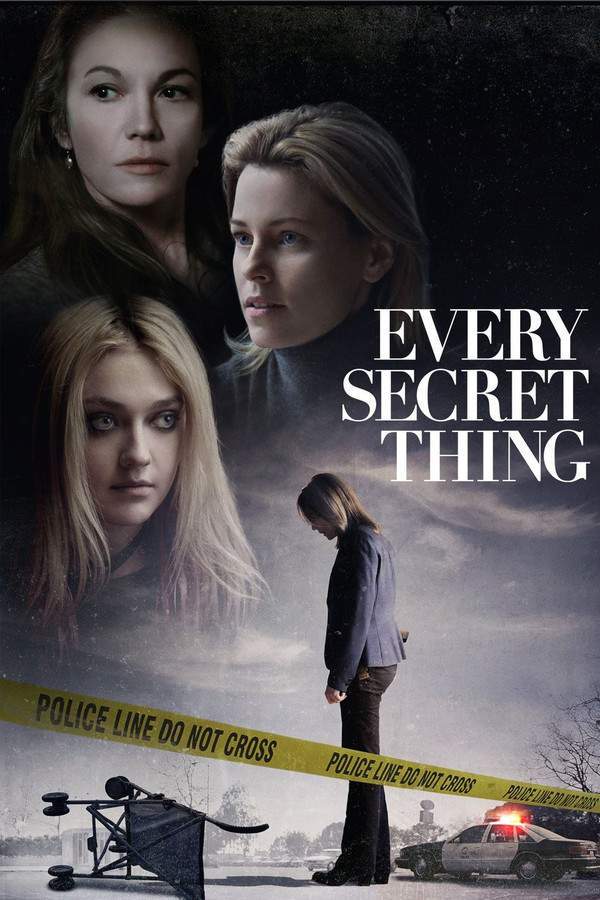
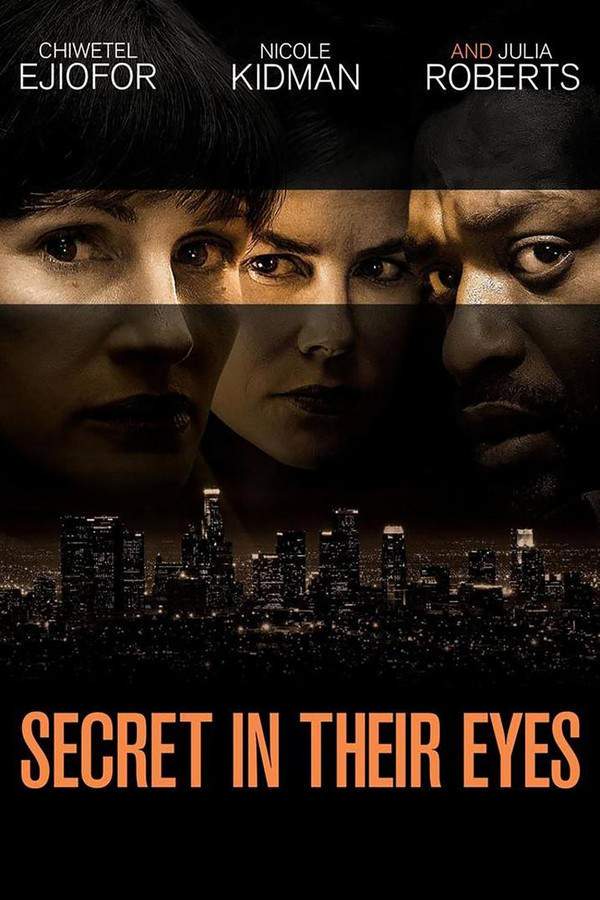
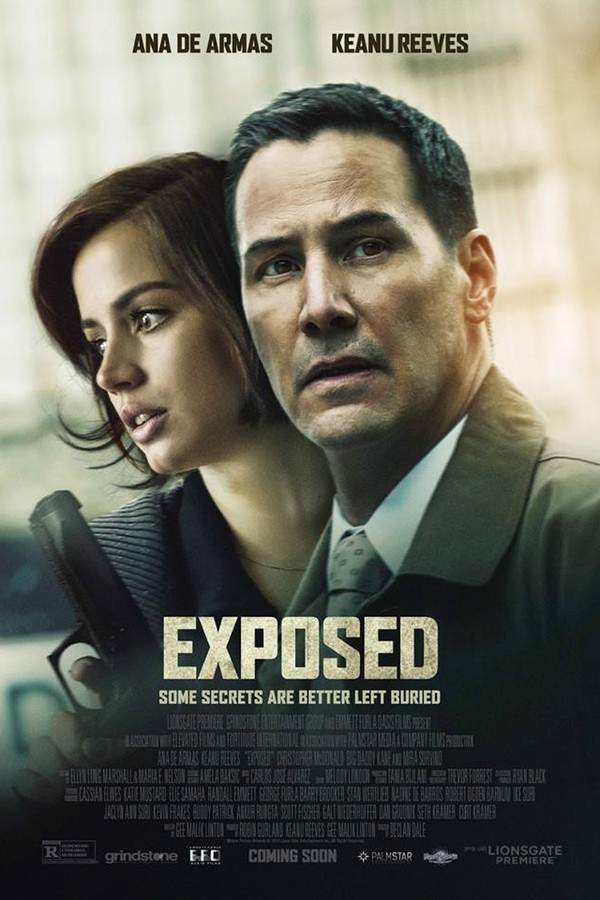
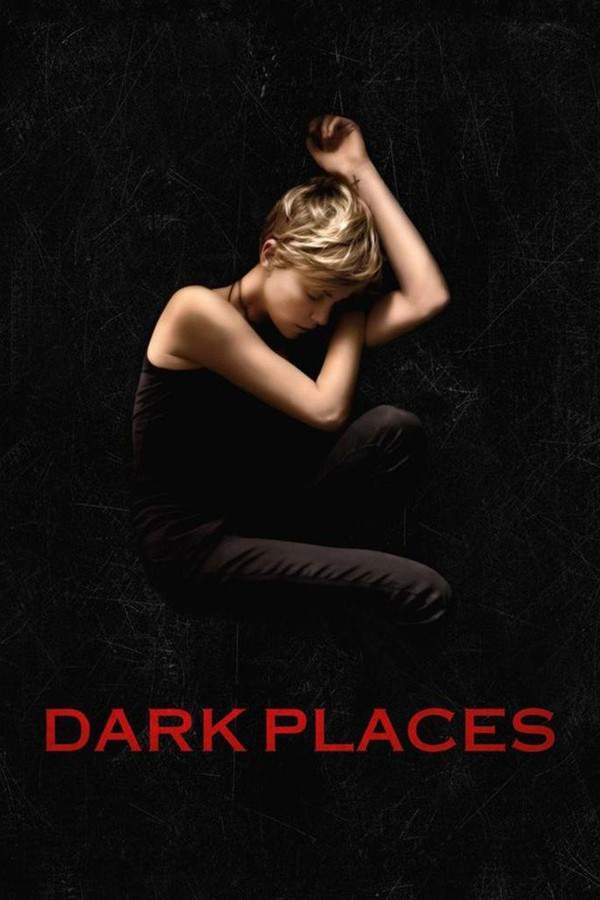
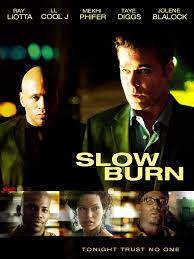
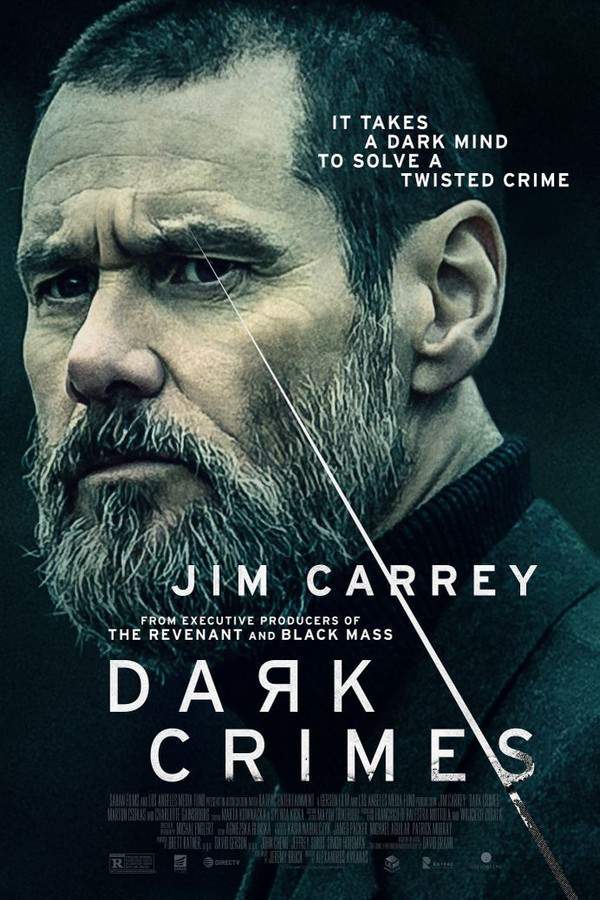
Thrillers of guilty secrets like Death of a Cyclist

Stories where a single moral compromise triggers a downward spiral of anxiety.If you liked the anxious tension of Death of a Cyclist, explore more movies like it where a hidden crime or moral failure leads to psychological unraveling. These similar thrillers and dramas feature characters trapped by their secrets, facing the threat of exposure and their own collapsing morality.

guiltyanxiousclaustrophobicsuspensefulmorally ambiguousoppressivepsychological tension

Narrative Summary

The narrative pattern typically begins with a pivotal, morally questionable act. The story then follows the escalating psychological consequences for those involved, as paranoia grows and external pressures threaten to reveal the truth. The journey is one of internal decay, often culminating in a bleak resolution that underscores the inescapable nature of guilt.

Why These Movies?

Movies are grouped here based on their shared focus on the psychological burden of a secret. They create a similar mood of sustained anxiety and claustrophobia, often featuring a steady pace that methodically builds tension towards a devastating emotional payoff centered on accountability.

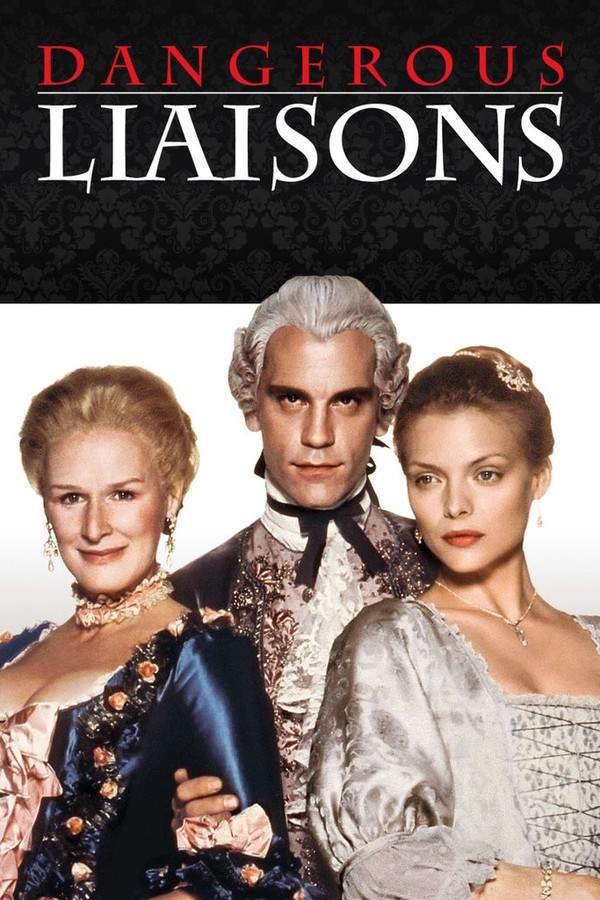
Dark social critiques like Death of a Cyclist

Dramas exposing the hypocrisy and ethical collapse within privileged worlds.Discover movies similar to Death of a Cyclist that offer a dark critique of class and privilege. These films share a bleak tone and explore themes of hypocrisy and moral decay among the social elite, often following characters whose actions are driven by fear of scandal.

morally ambiguousoppressivehypocriticalcriticalclass commentarydarkdecadent

Narrative Summary

These narratives often use a central conflict to expose the fragility and hypocrisy of a polished social world. The plot unfolds to show how characters' carefully constructed lives are built on a foundation of ethical compromise, leading to their inevitable downfall. The journey is less about external suspense and more about the slow, inevitable revelation of internal rot.

Why These Movies?

These films are connected by their shared dark tone and thematic focus on the intersection of class, privilege, and moral failure. They create a similarly oppressive atmosphere and deliver a heavy emotional weight, often concluding with resolutions that comment on the emptiness of the world they portray.

Unlock the Full Story of Death of a Cyclist

Don't stop at just watching — explore Death of a Cyclist in full detail. From the complete plot summary and scene-by-scene timeline to character breakdowns, thematic analysis, and a deep dive into the ending — every page helps you truly understand what Death of a Cyclist is all about. Plus, discover what's next after the movie.

Death of a Cyclist Summary

Read a complete plot summary of Death of a Cyclist, including all key story points, character arcs, and turning points. This in-depth recap is ideal for understanding the narrative structure or reviewing what happened in the movie.

Death of a Cyclist Summary

Death of a Cyclist Timeline

Track the full timeline of Death of a Cyclist with every major event arranged chronologically. Perfect for decoding non-linear storytelling, flashbacks, or parallel narratives with a clear scene-by-scene breakdown.

Death of a Cyclist Timeline

Death of a Cyclist Spoiler-Free Summary

Get a quick, spoiler-free overview of Death of a Cyclist that covers the main plot points and key details without revealing any major twists or spoilers. Perfect for those who want to know what to expect before diving in.

Death of a Cyclist Spoiler-Free Summary

More About Death of a Cyclist

Visit What's After the Movie to explore more about Death of a Cyclist: box office results, cast and crew info, production details, post-credit scenes, and external links — all in one place for movie fans and researchers.

More About Death of a Cyclist

Similar Movies to Death of a Cyclist

Discover movies like Death of a Cyclist that share similar genres, themes, and storytelling elements. Whether you’re drawn to the atmosphere, character arcs, or plot structure, these curated recommendations will help you explore more films you’ll love.