Year: 2000
Runtime: 90 mins
Language: English
Director: Beeban Kidron
Set in the mid‑20th century fashion‑obsessed world of Zezolla’s family, Cinderella’s father marries the selfish Claudette. Determined to protect the only relatives she has left, she battles a murderous step‑mother, an antisocial mermaid who lives in a cave, and a bored prince with a taste for rock ’n’ roll amid 1950s glamour.
Find where to stream, rent, or buy Cinderella (2000) in the US with current JustWatch availability, up-to-date pricing, and platform listings for subscription, rental, and digital purchase options.
Warning: spoilers below!
Haven’t seen Cinderella yet? This summary contains major spoilers. Bookmark the page, watch the movie, and come back for the full breakdown. If you're ready, scroll on and relive the story!
Trace every key event in Cinderella (2000) with our detailed, chronological timeline. Perfect for unpacking nonlinear stories, spotting hidden connections, and understanding how each scene builds toward the film’s climax. Whether you're revisiting or decoding for the first time, this timeline gives you the full picture.
Last updated: March 05, 2026 at 18:38
Find frequently asked questions about the Cinderella (2000) timeline, including chronological order, nonlinear jumps, cause-and-effect links, and scene sequence clarifications. This timeline FAQ helps explain when key events happen, how moments connect, and why the story unfolds in that specific order.
Zezolla attends the ball with the intent to sabotage her stepmother Claudette's plans to find a wealthy husband for herself. Rather than simply escaping the abuse at home, she deliberately chooses to intervene in Claudette's schemes by dancing with older men to divert their attention away from her stepmother.
Early in the story, Zezolla is established as a fighter who protects the only family she has left, making her decision to actively confront Claudette's manipulation consistent with her character.
Prince Valiant has previously refused to pursue romance, claiming that love isn't cool and only interested in trendy things. However, when he sees Zezolla at the ball, he experiences an immediate and genuine attraction that defies his earlier stance against romance, suggesting her authenticity and spirit struck him in a way no one else did.
The Queen's frustration with her son's disinterest in love early in the story sets up the dramatic impact of his sudden change of heart.
After discovering that her husband isn't actually wealthy as she had assumed, Claudette begins slowly poisoning him to secure wealth and power for herself. The exact method isn't detailed, but the poisoning occurs gradually throughout the story, causing his health to decline.
Claudette's initial interest in the father appears motivated by financial security, which foreshadows her ruthless turn when she learns the truth about his wealth.
As the clock strikes midnight, Zezolla must flee the ball to preserve her secret and escape before anyone discovers her true identity. She leaps back into the pool from which she originally emerged, using it as her means of escape, a twist on the traditional fairy tale's midnight transformation.
The ball scene builds tension toward midnight, creating anticipation for her departure and adding to the fairy-tale atmosphere established by Mab's magical presence.
Mab is a mermaid-like woman who lives behind a waterfall and becomes Zezolla's mysterious confidante and friend. She offers guidance and companionship to Zezolla, providing a magical contrast to the human cruelty Zezolla endures at home. Mab represents the whimsical, otherworldly help that arrives in Zezolla's time of need.
Mab's introduction early in the story establishes her as a magical ally, hinting that supernatural assistance will play a role in Zezolla's journey.
Prince Valiant is portrayed as a bored young royal with a taste for rock and roll who believes love isn't cool. He actively avoids traditional romance and refuses to choose a wife, preferring to focus on what's trendy and fashionable rather than emotional connections. This laziness about love creates tension with the Queen, who worries about the kingdom's marriage politics.
The Queen's open frustration with her son's disinterest establishes early that he will need a significant catalyst to change his outlook on romance.
At the ball, Zezolla deliberately dances with older men as part of her sabotage plan against Claudette. By attracting the attention of these older, wealthy suitors herself, she prevents them from pursuing her stepmother, effectively undermining Claudette's scheme to secure a wealthy husband.
This clever tactic demonstrates Zezolla's resourcefulness and willingness to actively fight against her oppression, established through her resistance to Claudette's cruelty throughout the story.
Zezolla's father becomes increasingly ill due to Claudette's slow poisoning. After she discovers he isn't wealthy, she continues her toxic scheme to secure wealth and power for herself, leaving his health in steady decline throughout the latter part of the story.
Claudette's change in attitude toward her husband after learning of his financial situation foreshadows her deadly turn against him.
After Zezolla's mother dies and her father marries Claudette, the new stepmother treats Zezolla cruelly and forces her to work as a servant in the family manor. Claudette and her shallow daughters, Goneril and Regan, dominate the household and degrade Zezolla while her father pays more attention to pleasing his new wife than protecting his daughter.
The early establishment of Zezolla's oppressive home life sets the emotional stakes for her journey and explains her motivation to seek a different life.
Discover curated groups of movies connected by mood, themes, and story style. Browse collections built around emotion, atmosphere, and narrative focus to easily find films that match what you feel like watching right now.
Children's classics retold with deeper emotional wounds and whimsical healing.Discover movies like Cinderella that blend magical whimsy with authentic themes of grief and loss. If you enjoyed the melancholic undercurrent beneath the 1950s glamour, these fairy tale adaptations offer similar heartfelt journeys.
Stories in this thread often begin with a significant loss that propels the protagonist into a world of magical intervention. The narrative arc balances the struggle against tangible antagonists (like stepfamilies) with the internal journey of overcoming grief, culminating in an earned, emotionally resonant happy ending.
These films share a unique tonal blend: they are whimsical enough to feel like fairy tales yet carry enough emotional weight to resonate with adults. They treat themes of loss seriously, using fantasy not as escape but as a metaphor for processing pain.
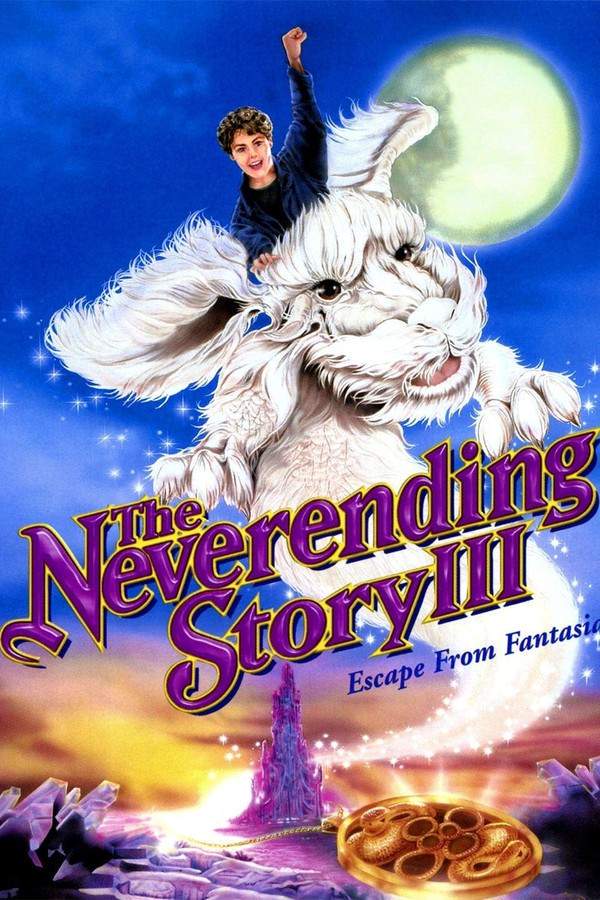
Classic stories transplanted into specific, stylized historical eras.If you loved the mid-century fashion and glamour of Cinderella, explore these movies that similarly reimagine classic stories within specific, vibrant historical settings. Find films with that same blend of timeless narrative and stylish period charm.
The focus is on the adaptation process itself: how a story's core conflicts and themes are reinterpreted through the lens of a new era. The plot follows the familiar beats of the original, but the characters' motivations, challenges, and resolutions are colored by the specific social mores and aesthetics of the chosen period.
These movies are grouped by their shared commitment to using a historical setting as a key creative element. The appeal lies in seeing a known story refreshed and given new texture through detailed period design, costume, and a re-contextualized emotional landscape.
Don't stop at just watching - explore Cinderella in full detail. From the complete plot summary and scene-by-scene timeline to character breakdowns, thematic analysis, and a deep dive into the ending - every page helps you truly understand what Cinderella is all about. Plus, discover what's next after the movie.
Read a complete plot summary of Cinderella, including all key story points, character arcs, and turning points. This in-depth recap is ideal for understanding the narrative structure or reviewing what happened in the movie.
Discover the characters, locations, and core themes that shape Cinderella. Get insights into symbolic elements, setting significance, and deeper narrative meaning - ideal for thematic analysis and movie breakdowns.