













Plot Explained Spoilers guaranteed!
Plot Explained

Browse by genre

Chained for Life (1952) movie poster

Characters & Themes

Chained for Life (1952) Characters, Setting & Themes Explained

Release, runtime and language
1952 · 81 mins · English
JustWatch #4,944 17
Directed by
Harry L. Fraser
Starring
Allen Jenkins, Patricia Wright, Daisy Hilton, Violet Hilton, Brian O'Hara, Jack Mulhall

Conjoined twins find themselves at the center of a brutal case when one sister murders the husband who abandoned her. The courts must grapple with the unprecedented question of how to convict the culpable twin while deciding whether, and how, to punish the innocent sister who shares her body but had no part in the killing.

On this page (8)
  1. 1 Where to watch
  2. 2 Characters explained (7)
  3. 3 Where & when it takes place
  4. 4 Themes & meaning (3)
  5. 5 Character & meaning questions
  6. 6 Movie threads
  7. 7 Movies like Chained for Life
  8. 8 Every angle

Where to watch

Where to Watch Chained for Life (1952)

Where can you watch Chained for Life? Stream, rent or buy it in the US, including on Amazon Prime Video, Artiflix and Cultpix: current JustWatch availability with up-to-date prices.

Streaming availability powered by JustWatch

7 main characters · contains spoilers

Chained for Life Characters Explained: Who Is Who

The main characters of Chained for Life (1952), heroes and villains: what drives them, how they change over the course of the story and what each of them reveals about the film's bigger ideas.

  • Dorothy Hamilton (Daisy Hilton)

    Dorothy is the bolder, more impulsive twin who pushes the duo into the publicity scheme. She longs for personal happiness and believes that love and stardom can coexist with her sister’s well-being. Her willingness to risk everything for a dream drives the plot and challenges the balance between loyalty and self-fulfillment.

    • 💃 Performer's ambition
    • 🎭 Romantic entanglement
    • 🗣 Public image
  • Vivian Hamilton (Violet Hilton)

    Vivian is protective of her sister and principled, quick to defend them both. She suspects deceit in Andre's motives and acts decisively to defend Dorothy and their joint life. Her righteous anger and courage culminate in a drastic act that tests the limits of justice and loyalty.

    • 🛡 Protective
    • 💔 Jealousy
    • 🗡 Impulsive justice
  • Andre Pariseau (Mario Laval)

    Andre is a charming, scheming figure who uses the romance ruse to boost his and his partner Renee's act. He hides romantic involvement with Renee while courting Dorothy, showing a calculating disregard for the sisters' feelings. His ultimate deception leads to a fatal confrontation.

    • 💼 Manipulator
    • 💘 Double life
    • 🪬 Deceit
  • Renée (Patricia Wright)

    Renée is Andre's partner in crime and romance, playing a key role in the scheme while pursuing her own interests. Her involvement in the manipulation and kissing incident reveals a willingness to exploit others for advantage. She embodies the duplicitous side of entertainment partnerships.

    • 💋 Co-conspirator
    • 🫶 Hidden love
    • 🔍 Schemer
  • Hinkley (Allen Jenkins)

    Hinkley is the opportunistic manager who believes a publicity stunt can revive the sisters' careers. He orchestrates the romance plan, balancing ambition with the risk of harm to the twins. His actions drive much of the entertainment-driven conflict central to the plot.

    • 🎩 Manager
    • 📈 Ambition
    • 🃏 Schemer
  • Dr. Thompson (Jack Mulhall)

    Dr. Thompson is the medical professional involved in the idea of separating the twins, finally explaining that such surgery is impossible. He represents the scientific rationality of the era and the limits of medical intervention in the twins' lives.

    • 🩺 Doctor
    • 🧪 Medical ethics
    • 🧭 Realism
  • Judge Mitchell (Norval Mitchell)

    Judge Mitchell presides over the courtroom, begging the audience for help in resolving a moral dilemma. He embodies the weight of law and the burden of deciding between punishment and mercy. His indecision drives the film's reflective, participatory conclusion.

    • ⚖️ Judge
    • 🗣 Accountability
    • 🏛 Legal drama

Last updated: October 04, 2025 at 14:57

Was this helpful?

Setting

Where and When Does Chained for Life Take Place?

The setting of Chained for Life (1952): the year and time period, the places and locations, and how they shape the characters, the mood and the tension of the story.

Time period

Early 20th century

Set in the vaudeville era, the narrative unfolds as live acts dominate entertainment and public opinion can shape a star's fate. The period's social attitudes toward difference, marriage, and celebrity color the characters' choices and consequences. Legal and medical debates of the time amplify the stakes of the central dilemma. The era's appetite for spectacle provides the film with its dramatic energy.

Location

Vaudeville theater, Courtroom

Set in a bustling US city with a thriving vaudeville circuit, the sisters perform on a top-tier stage. The theater is a bright, noisy space of spectacle, music, and crowd energy that fuels the twins' act. The courtroom scenes frame the drama with legal and social stakes surrounding marriage, autonomy, and responsibility. The contrast between performance and judgment underscores the film's moral tension.

  • 🎭 Vaudeville
  • 🧑‍⚖ Courtroom
  • 🕰 Early 20th century

Last updated: October 04, 2025 at 14:57

Was this helpful?

3 major themes

Chained for Life Meaning: Themes & Message Explained

What is Chained for Life (1952) really about? The emotional, social and philosophical themes the film keeps returning to, its symbolism and the message beneath the surface.

  • Exploitation

    The plan to stage a romance between one twin and a partner shows how show business can commodify physical difference for fame. The twins' talent is leveraged by their manager to revive their careers, often at the cost of the sisters' own desires. Public appetite for sensational acts drives risky decisions that shape the plot. The film invites viewers to question where entertainment ends and exploitation begins.

  • Identity Autonomy

    Dorothy and Vivian share a life, yet each pursues personal dreams and choices beyond public expectations. The sisters' conflicting desires test their autonomy, especially as they consider unconventional paths to love. Their situation raises questions about consent, agency, and who truly owns a shared life. The narrative uses their predicament to explore individuality within dependence.

  • Justice Dilemma

    In the courtroom, the question arises whether Vivian should be punished for Andre's murder while Dorothy bears responsibility for the act, highlighting the fault lines between culpability and innocence. The film refuses a tidy verdict, inviting the audience to weigh mercy against law. The finale's appeal for viewer judgment emphasizes film as a platform for moral debate. The tension mirrors contemporary debates about spectacle, punishment, and compassion.

Last updated: October 04, 2025 at 14:57

Was this helpful?

Character & theme questions

Chained for Life Characters & Meaning: Your Questions Answered

The questions people ask about Chained for Life (1952): who the characters really are, their relationships, what the symbols mean, where it takes place and what the movie is really about. Each answer contains spoilers.

Q1

Where is the movie set?

The film takes place in a bustling US city during the vaudeville era. The primary settings are a top-tier vaudeville theater where the twins perform, and a courtroom where their case is tried. The theater represents a world of spectacle, music, and crowd energy, while the courtroom provides the dramatic setting for the legal and moral dilemma.

  • vaudeville theater
  • courtroom
  • setting
  • us city
Q2

What time period does the movie take place in?

The movie is set in the early 20th century during the vaudeville era. This was a period when live acts dominated entertainment and public opinion could shape a star's fate. The era's social attitudes toward physical difference, marriage, and celebrity directly influence the characters' choices and the consequences they face.

  • early 20th century
  • vaudeville era
  • time period
  • historical context
Q3

What does the film say about exploitation in show business?

The film explores how the entertainment industry commodifies physical difference for profit. The twins' manager, Hinkley, orchestrates a publicity stunt to revive their careers, using their conjoined condition as a spectacle. The narrative questions where entertainment ends and exploitation begins, showing how public appetite for sensational acts drives risky decisions that ultimately harm the performers.

  • exploitation
  • show business
  • vaudeville
  • spectacle
  • publicity stunt
Q4

What theme of identity and autonomy does the movie explore?

The film examines whether two people who share a body can have individual identities and autonomy. Dorothy longs for personal happiness and love, while Vivian is protective and principled. Their conflicting desires test the limits of consent and agency within their shared existence, raising questions about who truly controls a shared life.

  • identity
  • autonomy
  • conjoined twins
  • individuality
  • consent
Q5

What is the central justice dilemma in the film?

The film centers on a courtroom dilemma: Vivian killed Andre in defense of Dorothy, but Dorothy was the one who pursued the romantic relationship that led to the murder. The question becomes how to convict the culpable twin while deciding whether to punish the innocent sister who shared her body but had no part in the killing. The film refuses a tidy verdict, inviting viewers to weigh mercy against the law.

  • justice
  • courtroom
  • culpability
  • murder trial
  • moral dilemma
Q6

Who are the main characters Dorothy and Vivian?

Dorothy Hamilton (Daisy Hilton) and Vivian Hamilton (Violet Hilton) are conjoined twins who perform as a vaudeville act. Dorothy is the bolder, more impulsive twin who pushes for the publicity scheme and longs for personal happiness and love. Vivian is protective and principled, quick to defend her sister and suspicious of Andre's motives. Their contrasting personalities drive the central conflict.

  • Dorothy
  • Vivian
  • conjoined twins
  • Daisy Hilton
  • Violet Hilton
Q7

Who is Hinkley and what is his role in the story?

Hinkley is the twins' opportunistic manager who believes a publicity stunt can revive their fading careers. He orchestrates the plan to stage a romance between Dorothy and a performer named Andre to generate sensational headlines. His ambition to profit from the twins' condition sets the chain of events in motion, balancing show business aspirations with disregard for the sisters' true desires.

  • Hinkley
  • manager
  • publicity
  • vaudeville agent
  • entertainment
Q8

Who is Andre and what is his role in the film?

Andre Pariseau is a charming but scheming performer who participates in Hinkley's publicity scheme. While publicly courting Dorothy to boost their acts, he is secretly romantically involved with his partner Renée. His calculated deception of the twins, using their desire for love against them, leads directly to the tragic confrontation that becomes the courtroom case.

  • Andre Pariseau
  • deception
  • romance scheme
  • vaudeville performer
Q9

Can the conjoined twins be separated?

Dr. Thompson, the medical professional in the film, explains that surgical separation of the twins is impossible. This medical reality traps Dorothy and Vivian in their shared existence and makes their legal predicament even more complex, since neither can escape the other's fate.

  • separation surgery
  • medical
  • Dr. Thompson
  • conjoined twins
Q10

What does the courtroom represent in the film?

The courtroom represents the clash between spectacle and judgment that runs through the entire film. It is where the entertainment world's consequences are adjudicated, placing the twins' exploited lives under legal and moral scrutiny. The setting underscores the film's tension between public consumption of their difference and society's inability to determine a just outcome.

  • courtroom
  • judgment
  • law
  • moral conflict
  • legal system

Movie threads

More Movies Like Chained for Life, by Mood & Story

Curated lists built around what makes Chained for Life tick: the same mood, the same kind of story or the same emotional payoff. Each list explains why these movies belong together.

Movies with Ethical Dilemmas like Chained for Life

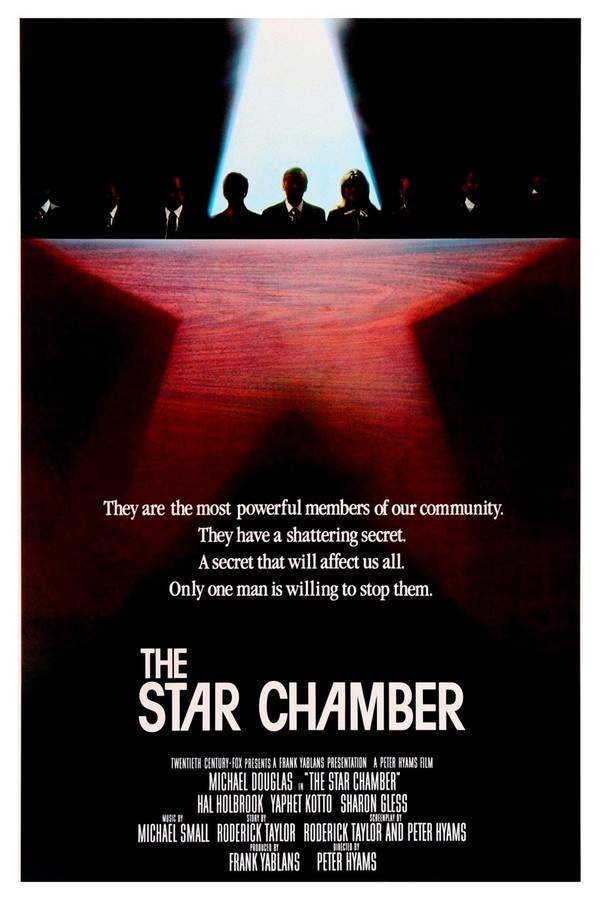
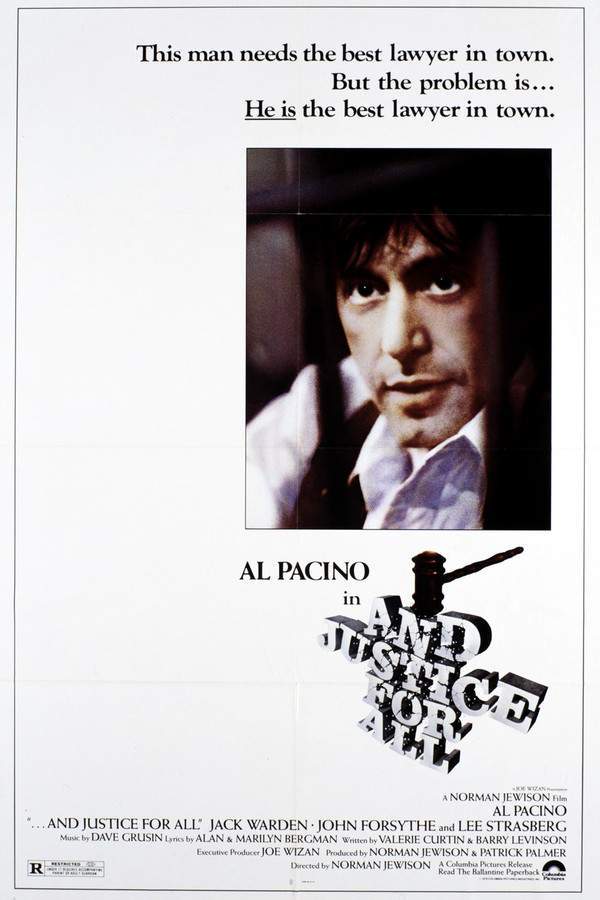
Stories where legal and ethical questions collide with devastating personal consequences. If you were captivated by the intense moral conflict in Chained for Life, explore this list of movies like it. These films feature heavy ethical questions within legal or systemic settings, offering similar thought-provoking and emotionally challenging narratives.

  • tense
  • thought-provoking
  • unsettling
  • tragic
  • oppressive
  • anxious
  • Tone: dark, serious, thought-provoking
  • Pacing: steady, deliberate
Why these movies?

The story pattern: These narratives often unfold within a legal or institutional setting, using a central, high-stakes dilemma to drive the plot. The character journey is typically one of being trapped by circumstances, forced to make or endure decisions that test both personal and societal morals, leading to emotionally heavy conclusions.

Why they belong together: Movies are grouped here for their shared focus on a central, insoluble ethical problem that creates high tension and emotional weight. They share a dark, serious tone and a steady pace that allows the moral complexity to unfold fully, leaving a lasting, unsettling impact on the viewer.
Bleak Tragic Dramas like Chained for Life

Somber stories of tragic figures crushed by cruel circumstances and their own flaws. For viewers who appreciated the tragic and oppressive mood of Chained for Life, this list features similar bleak character studies. These movies share a dark tone, a steady pace, and a focus on the emotional devastation of their protagonists, perfect for fans of heavy, melancholic stories.

  • tragic
  • melancholic
  • oppressive
  • unsettling
  • sad
  • bleak
  • Tone: dark, tragic, melancholic
  • Pacing: steady, deliberate
Why these movies?

The story pattern: The narrative pattern revolves around a protagonist whose life is defined by exploitation or a fundamental flaw, leading them into a downward spiral. The story methodically builds a sense of dread and inevitability, culminating in a climax that brings sorrow or leaves the central tragedy unresolved, emphasizing the bleakness of their circumstances.

Why they belong together: These films are united by their dark, melancholic tone and their focus on tragic character arcs. They share a high sadness score, an oppressive mood, and a steady pacing that allows the tragic elements to resonate deeply, creating a powerfully somber and unsettling viewing experience.

If you liked this

Movies Like Chained for Life

Similar movies to Chained for Life: the same genre, themes or kind of story. Each one comes with its own plot summary, timeline and ending explained.

Browse all movie summaries

Every angle

Chained for Life (1952) Explained: Plot, Timeline & Characters

Everything about Chained for Life in one place: what happens in the plot summary, the timeline in chronological order, the characters and meaning and a spoiler-free summary. What's After the Movie adds the cast, box office and post-credit scenes.

Coming soon on iOS and Android

The Plot Explained Movie Summary App

Plot summaries, endings explained and timelines on your phone. Catch up on any movie in minutes, save your favorites and never miss a twist again.

Be the first to know when we launch. Your email stays private, always.

Learn more about the app