


















Plot Explained Spoilers guaranteed!
Plot Explained

Browse by genre

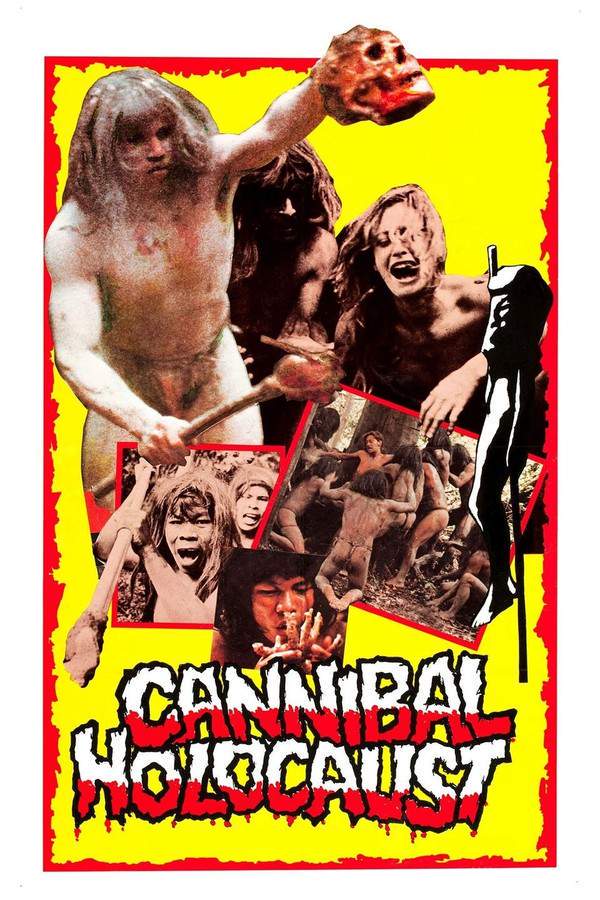
Cannibal Holocaust (1980) movie poster

Timeline

Cannibal Holocaust (1980) Timeline Explained – Every Event in Order

Release, runtime and language
1980 · 95 min · English
JustWatch #19,890 5
Directed by
Ruggero Deodato
Starring
Carl Gabriel Yorke, Claudia Rocchi, Francesca Ciardi, Lionello Pio Di Savoia, Luca Barbareschi, Paolo Paoloni

While exploring the Amazon rainforest, a professor finds evidence of a missing film crew. He recovers their recovered and disturbing footage, which documents their experiences with a previously uncontacted tribe. The recovered film reveals a horrifying story of survival, violence, and ultimately, a tragic end for the expedition members, forcing the professor to confront the brutal reality of their fate.

On this page (6)
  1. 1 Where to watch
  2. 2 Events in order (15)
  3. 3 Timeline questions answered
  4. 4 Movie threads
  5. 5 Movies like Cannibal Holocaust
  6. 6 Every angle

Where to watch

Where to Watch Cannibal Holocaust (1980)

Where can you watch Cannibal Holocaust? Stream, rent or buy it in the US, including on AMC+, Bloodstream and Cultpix: current JustWatch availability with up-to-date prices.

Streaming availability powered by JustWatch

15 events in order · contains spoilers

Cannibal Holocaust Timeline: Events in Chronological Order

Every key event of Cannibal Holocaust (1980) in order, scene by scene, with when and where it takes place. Use it to untangle flashbacks, time jumps and parallel storylines, to refresh your memory before the sequel or to find the exact scene you are thinking of.

  1. The Disappearance of the Film Crew

    Two months prior to the investigation, a documentary film crew led by Alan Yates vanished in the dense jungles of South America. Their aim was to document the existence of local cannibal tribes, venturing into treacherous territory without adequate preparation.

    When
    Two months ago
    Where
    South America
  2. The Investigation Begins

    In New York City, television news reporter uncovers the mysterious case of the vanished crew. With the guidance of NYU Professor Harold Monroe, an investigation team is formed to delve deeper into the jungle's ominous tale.

    When
    Present Day
    Where
    New York City
  3. Arrival in Leticia

    Monroe and his team arrive in the isolated town of Leticia, where they seek information about the last known whereabouts of the film crew. The local atmosphere filled with danger sets the stage for their perilous journey ahead.

    Where
    Leticia
  4. Cannibalism Discovery

    While exploring a jungle area, a patrol discovers a horrific scene of cannibalism. The violent encounter with the locals escalates, leading to a confrontation that leaves several natives dead.

    Where
    South American Jungle
  5. Meeting the Lieutenant

    Following the chaos, Monroe meets with the balding lieutenant who captured a native tied to the Yacumo tribe. The lieutenant presents a cigarette lighter found on the native, confirming a connection to Faye, one of the crew members.

  6. Collaborating with Chaco

    To navigate the treacherous jungle, Monroe teams up with Chaco, a knowledgeable Venezuelan guide. Chaco explains that the Yacumo are believed to be rooted in spiritual customs, offering insight into the local culture during their exploration.

    Where
    South American Jungle
  7. Discovering Remains

    As Monroe, Chaco, and young guide Miguel venture deeper into the jungle, they find the remains of Felipe, the Yates team’s guide. Simultaneously, they witness a gruesome ritual involving a Yacumo man, solidifying the danger lurking in the area.

    Where
    Jungle
  8. Reaching the Yacumo Village

    After dealing with various trials, Monroe and his team finally arrive at the Yacumo village. They cautiously gain the trust of the tribe members, leading to crucial insights about the complexities of their culture.

    Where
    Yacumo Village
  9. Alliances with Yamamomo Tribe

    Monroe aims to establish communication with the Yamamomo tribe, who have been in conflict with another tribe. Their encounter begins with tension, yet through strategic actions, they manage to foster a temporary alliance.

    Where
    Yamamomo Territory
  10. Bonding with the Yamamomo

    In a moment of connection, Monroe engages with Yamamomo women, which helps him earn their favor. This bonding experience enhances the collaboration, making way for pivotal information sharing.

    Where
    Yamamomo Tribe
  11. The Disturbing Totem Shrine

    During their journey, Monroe and his guides discover an unsettling totem shrine containing the skeletal remains of Yates' crew. The presence of the intact film equipment drives Monroe to recover the footage, haunted by its implications.

    Where
    Jungle
  12. Reactions in New York

    Weeks later in New York, Monroe is called to an interview where he discusses the dark truths of the jungle. He reviews disturbing footage from the lost crew under scrutiny from university executives aiming for sensationalism.

    When
    Weeks later
    Where
    New York City
  13. Horrified Discoveries

    As Monroe reviews the footage, he becomes increasingly horrified by the crew’s arrogance and the violent acts they perpetrated against the indigenous tribes. Memories of their actions reveal their moral decay and callous disregard.

  14. Pleading Against Sensationalism

    Monroe passionately argues against showcasing the footage, deeming it exploitative and inhumane. His emotional appeal resonates with the executives, urging them to reconsider airing such brutal content.

  15. Reflection on Civilization

    As the executives ultimately decide to bury the footage, Monroe leaves pondering the nature of civilization versus primal instincts. He questions who the true cannibals are in this intricate tale of exploitation and survival.

    Where
    New York City

Last updated: October 25, 2024 at 11:42

Was this helpful?

Timeline questions answered

Cannibal Holocaust Timeline Explained: Your Questions Answered

When does it happen, and why in that order? The questions people ask about the chronology of Cannibal Holocaust (1980): time jumps, flashbacks, cause and effect between scenes and the correct order of events, each answered with spoilers.

Q1

Why did the Yamamomo tribe kill the film crew?

The Yamamomo killed the film crew after the filmmakers attacked them. The recovered footage revealed that Yates and his team, desperate for sensational content, initiated violence against the tribe. In the final reel, the crew targets a young Yamamomo woman, triggering a violent confrontation where the indigenous warriors massacre the entire crew. This was the consequence of the filmmakers' escalating aggression against the tribe they came to document.

Foreshadowing: Earlier in the footage, the crew's increasingly hostile and exploitative behavior toward indigenous tribes foreshadows their fatal confrontation with the Yamamomo.

  • yamamomo tribe
  • alan yates
  • film crew death
  • indigenous violence
  • final reel
Q2

What violent acts did the film crew commit against the tribes?

The recovered footage shows the crew committing numerous atrocities. They burned down the Yacumo village and murdered several Yacumo tribe members. They displayed blatant disregard for indigenous lives, filming their brutal acts without remorse. The crew's arrogance led them to attack and kill tribe members simply to capture shocking footage for their documentary, justifying their actions as necessary for ratings and fame.

Foreshadowing: Monroe's discovery of the cigarette lighter connected to Faye and the captured native establishes the crew's direct involvement with the Yacumo before their ultimate fate.

  • yates crew violence
  • yacumo village
  • indigenous tribes
  • film crew atrocities
  • exploitation
Q3

Why did Professor Monroe want to bury the footage?

Monroe argued that airing the footage would be exploitative, calling it 'offensive, dishonest, and inhuman.' He recognized that broadcasting the crew's violent acts would only further victimize the indigenous tribes already harmed by the filmmakers. Rather than allow the footage to become sensationalized television content, Monroe insisted it should be buried to prevent further exploitation and respect the dignity of the tribes depicted.

Foreshadowing: Throughout his jungle journey, Monroe develops growing empathy for the indigenous people, which culminates in his passionate plea to the executives.

  • monroe
  • footage burial
  • exploitation
  • television executives
  • moral argument
Q4

What happened to Alan Yates and the film crew?

Alan Yates, along with Faye Daniels, Jack Anders, and Mark Tomaso, all perished in the Amazon jungle. Their skeletal remains were discovered by Monroe at a disturbing totem shrine deep in the jungle, surrounded by their intact film equipment. The crew was killed during a violent clash with the Yamamomo tribe after they attacked the tribe and targeted a young woman, resulting in the indigenous warriors massacring the entire group.

Foreshadowing: The timeline establishes the crew's disappearance two months prior, with Monroe's investigation progressively revealing the grim truth of their fate.

  • alan yates
  • faye daniels
  • jack anders
  • mark tomaso
  • death
  • remains
Q5

What does the final quote 'who the real cannibals are' mean?

The closing line 'I wonder who the real cannibals are' is a biting critique of civilization. While the indigenous tribes practiced cannibalism in spiritual rituals, it was the 'civilized' Western film crew who committed actual brutality, murdering, burning villages, and exploiting indigenous people for profit. Monroe questions whether modern society, which creates exploitation filmmakers and sensationalizes violence for entertainment, is truly more moral than the 'primitive' tribes they deem savages.

Foreshadowing: The film's juxtaposition of the crew's violent footage with the tribes' alleged cannibalism builds toward this thematic revelation about the nature of savagery.

  • civilization
  • primal instincts
  • cannibalism theme
  • ending quote
  • irony
Q6

How did the Yacumo and Yamamomo tribes differ in the film?

The Yacumo were depicted as a tribe engaged primarily in spiritual ceremonies that involved ritualistic practices, including what colonists perceived as cannibalism. The Yamamomo, known as the Tree People, were more isolated and constantly at war with the Shamatari (Swamp People). The Yacumo village was destroyed by the film crew, while the Yamamomo were the tribe that ultimately killed the filmmakers after being attacked by them.

Foreshadowing: Chaco explains to Monroe that the Yacumo's ceremonial practices are misunderstood as mere cannibalism, setting up the distinction between spiritual rituals and actual violence.

  • yacumo tribe
  • yamamomo tribe
  • tree people
  • swamp people
  • indigenous culture
Q7

Why does the film show real animal killings?

The animal cruelty depicted in the film was part of the recovered footage showing what the actual film crew did to create their documentary. The crew killed real animals, including turtles, snakes, and other wildlife, to capture graphic footage, demonstrating their complete disregard for life in pursuit of sensational content. This further illustrates the crew's moral corruption and willingness to commit any act for ratings.

Foreshadowing: The meta notes indicate graphic animal violence was central to the film's impact, serving as a commentary on the crew's exploitation of all life.

  • animal cruelty
  • real animals killed
  • exploitation
  • graphic content
  • film crew acts
Q8

What is the film-within-a-film structure about?

The narrative operates on two parallel timelines. The present day follows Professor Monroe's investigative journey through the Amazon jungle to discover what happened to the missing crew. The pasttimeline consists of the recovered footage showing the crew's descent into violence and their ultimate demise. This structure allows the audience to experience the same revelation as Monroe, discovering the crew's atrocities through the very footage that horrified him, creating a layered examination of exploitation and observation.

Foreshadowing: Monroe's urgency to recover the intact film equipment at the totem shrine establishes the footage's central role in uncovering the truth.

  • film within film
  • narrative structure
  • recovered footage
  • parallel timeline
  • monroe investigation
Q9

Why did the film crew vanish in the Amazon?

The crew did not simply vanish, they were killed by the Yamamomo tribe after escalating violence against indigenous communities. Their disappearance was initially mysterious because no one knew their fate, but Monroe's investigation revealed they were murdered during a confrontation with the Yamamomo after the crew attacked the tribe while filming. Their remains were discovered at a sacred totem shrine deep in the jungle.

Foreshadowing: The initial news reporter's investigation into the disappearance sets up the mystery that Monroe later solves through his jungle expedition.

  • vanished crew
  • missing filmmakers
  • amazon jungle
  • investigation
  • discovery
Q10

Why was Professor Monroe investigating the missing crew?

Monroe, a professor from NYU, was tasked with investigating the disappearance because of his academic expertise in anthropology and the Amazon region. He was assigned to uncover the mystery surrounding the film crew's fate after they vanished while attempting to document cannibal tribes in the jungle near Leticia. His academic credentials and knowledge of local indigenous cultures made him the logical choice for the expedition.

Foreshadowing: The timeline establishes Monroe's academic background and his assignment by television news to lead the investigation.

  • professor monroe
  • nyu
  • investigation
  • anthropologist
  • missing crew assignment
Q11

What was Chaco's role in Monroe's journey?

Chaco was a Venezuelan guide who accompanied Monroe and young guide Miguel into the deep jungle. He provided critical cultural context about the indigenous tribes, explaining that the Yacumo's practices were rooted in spiritual customs rather than mere savagery. Chaco's knowledge helped Monroe navigate treacherous terrain, interpret tribal customs, and ultimately reach the Yamamomo territory where the crew's remains were discovered.

Foreshadowing: Monroe teams up with Chaco after the lieutenant presents the captured native, establishing Chaco as the essential local expert.

  • chaco guide
  • venezuelan guide
  • miguel
  • jungle journey
  • tribal customs

Movie threads

More Movies Like Cannibal Holocaust, by Mood & Story

Curated lists built around what makes Cannibal Holocaust tick: the same mood, the same kind of story or the same emotional payoff. Each list explains why these movies belong together.

Found Footage Horror Movies like Cannibal Holocaust

Movies that use raw, first-person footage to document a terrifying collapse into chaos. If you liked the raw, first-person perspective of Cannibal Holocaust, explore these other found footage horror movies. These films use the documentary style to create intense realism, often following expeditions or investigations that spiral into terror, delivering a similar visceral and shocking experience.

  • unsettling
  • claustrophobic
  • chaotic
  • raw
  • shocking
  • realistic
  • Tone: dark, tense, bleak
  • Pacing: variable, chaotic
Why these movies?

The story pattern: Stories in this thread are framed as recovered recordings, diaries, or documentary footage. The narrative typically follows a group of characters—journalists, scientists, or explorers—venturing into the unknown. The format creates a strong sense of verisimilitude, making the eventual descent into violence, madness, or supernatural terror feel immediate and brutally authentic.

Why they belong together: These movies are grouped by their shared use of the found footage aesthetic to amplify horror. They prioritize a gritty, realistic feel and often explore themes of media ethics, the arrogance of 'civilization,' and the fragility of sanity when confronted with the primal or unknown, creating a uniquely disturbing and immersive viewing experience.

Movies about Colonial Horror and Savage Encounters like Cannibal Holocaust

Stories where civilized intruders meet a gruesome fate, challenging notions of savagery. For viewers who appreciated Cannibal Holocaust's brutal critique of exploitation, this list features movies with similar themes. These stories often follow arrogant outsiders venturing into remote territories, facing gruesome consequences that question who the real savages are, perfect for fans of dark, thematic horror.

  • brutal
  • oppressive
  • disturbing
  • ethical
  • grim
  • unsettling
  • Tone: dark, bleak, disturbing
  • Pacing: variable, building to chaos
Why these movies?

The story pattern: The narrative pattern involves a group from an advanced society entering a secluded, often primitive setting with a sense of superiority. Their disrespect, greed, or violence provokes a devastating backlash. The story structure serves to deconstruct the myth of civilized innocence, often culminating in a bleak ending that highlights the inherent savagery of the intruders themselves.

Why they belong together: These films are united by their thematic focus on the horrors of colonialism and exploitation. They share a dark, unflinching tone and use intense violence not just for shock, but as a narrative tool to critique cultural arrogance, ethical bankruptcy, and the dark side of human nature, resulting in a profoundly heavy and thought-provoking experience.

If you liked this

Movies Like Cannibal Holocaust

Similar movies to Cannibal Holocaust: the same genre, themes or kind of story. Each one comes with its own plot summary, timeline and ending explained.

Browse all movie summaries

Every angle

Cannibal Holocaust (1980) Explained: Plot, Timeline & Characters

Everything about Cannibal Holocaust in one place: what happens in the plot summary, the timeline in chronological order, the characters and meaning and a spoiler-free summary. What's After the Movie adds the cast, box office and post-credit scenes.

Coming soon on iOS and Android

The Plot Explained Movie Summary App

Plot summaries, endings explained and timelines on your phone. Catch up on any movie in minutes, save your favorites and never miss a twist again.

Be the first to know when we launch. Your email stays private, always.

Learn more about the app