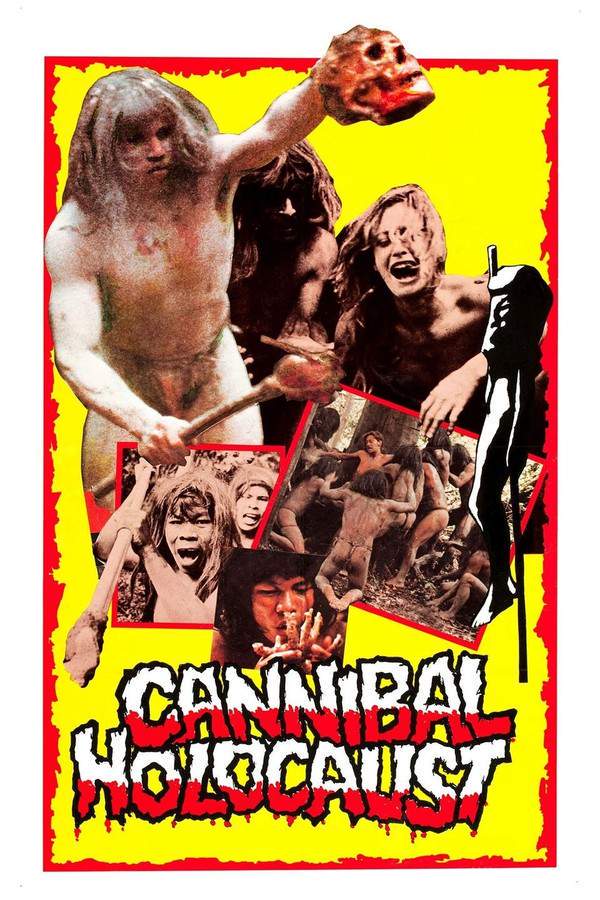


















Cannibal Holocaust

Cannibal Holocaust

Year: 1980

Runtime: 95 min

Language: English

Director: Ruggero Deodato

AdventureHorror

While exploring the Amazon rainforest, a professor finds evidence of a missing film crew. He recovers their recovered and disturbing footage, which documents their experiences with a previously uncontacted tribe. The recovered film reveals a horrifying story of survival, violence, and ultimately, a tragic end for the expedition members, forcing the professor to confront the brutal reality of their fate.

Warning: spoilers below!

Haven’t seen Cannibal Holocaust yet? This summary contains major spoilers. Bookmark the page, watch the movie, and come back for the full breakdown. If you're ready, scroll on and relive the story!

Timeline & Setting – Cannibal Holocaust (1980)

Explore the full timeline and setting of Cannibal Holocaust (1980). Follow every major event in chronological order and see how the environment shapes the story, characters, and dramatic tension.

Time period

The movie does not specify a particular time period; however, it depicts a modern-day scenario of the late 20th century. This is evidenced by the presence of video technology and a contemporary media landscape that drives the story's conflict around exploitation and ethical journalism.

Location

New York City, Leticia, South American jungles

New York City serves as the starting point for the film, contrasting the urban environment with the raw wilderness that follows. Leticia is a secluded town within the jungle, known for its proximity to indigenous tribes and rich biodiversity. The South American jungles are dense and mysterious, home to numerous tribal communities, and the backdrop for the film's exploration of cannibalistic practices.

🌆 City 🌴 Jungle 🏞️ Wilderness

Last Updated: October 22, 2024 at 21:04

Main Characters – Cannibal Holocaust (1980)

Meet the key characters of Cannibal Holocaust (1980), with detailed profiles, motivations, and roles in the plot. Understand their emotional journeys and what they reveal about the film’s deeper themes.

Alan Yates (Carl Gabriel Yorke)

Alan Yates is the ambitious and reckless director of the film crew. His desire for fame drives him to push ethical boundaries, leading to disastrous consequences for both his team and the indigenous tribes they encounter. His character embodies the dangers of exploitation in the pursuit of success.

🎬 Filmmaker 😈 Arrogance ⚡ Ambitious

Faye Daniels (Francesca Ciardi)

Faye Daniels is Yates' girlfriend and the script girl, often caught up in the emotional turmoil stemming from their mission. Her character reflects the internal conflict faced by those who accompany the filmmakers, caught between loyalty to a partner and the ethical dilemmas of their actions.

💔 Conflict 🎥 Assistant 🌍 Observer

Professor Harold Monroe (Robert Kerman)

Professor Monroe is an NYU anthropologist tasked with uncovering the mystery of the missing filmmakers. His innate curiosity and ethical standpoint position him as a foil to Yates, confronting the exploitation of indigenous people and advocating for their dignity.

👨‍🏫 Scholar 🕵️‍♂️ Investigator 🌿 Humanitarian

Chaco (Ricardo Fuentes)

Chaco is a Venezuelan guide who aids Monroe in navigating the treacherous jungles. His knowledge of local customs and cultures is vital to Monroe's understanding of the Yacumo tribe and their beliefs, showcasing the importance of respectful engagement.

🌎 Guide 🗣️ Cultural Expert ⚔️ Survivor

Last Updated: October 22, 2024 at 21:04

Major Themes – Cannibal Holocaust (1980)

Explore the central themes of Cannibal Holocaust (1980), from psychological, social, and emotional dimensions to philosophical messages. Understand what the film is really saying beneath the surface.

🕵️‍♂️ Exploration

The theme of exploration runs central to the narrative, as Monroe delves into uncharted territories both physically and morally. The journey into the jungles represents not only a quest for the missing filmmakers but also an investigation into the consequences of exploitation and colonial attitudes. The film raises questions about the true meaning of civilization in contrast to primal behavior.

⚖️ Morality

Morality is a prominent theme as the film examines the ethical implications of the crew's actions. Monroe's horror at the footage reveals a stark critique of the filmmakers' arrogance and exploitation of native tribes. The narrative challenges viewers to consider who the real 'cannibals' are—the indigenous people or those who seek to exploit their cultures for profit.

🏴‍☠️ Exploitation

Exploitation is intricately woven into the story, as Monroe uncovers the violent actions of the film crew against the Yacumo tribe. The film critiques the sensationalism in media and the detrimental impact of viewing other cultures as mere subjects for entertainment. It highlights the destructive consequences of voyeurism and the disregard for human dignity.

Last Updated: October 22, 2024 at 21:04

Mobile App Preview

Coming soon on iOS and Android

The Plot Explained Mobile App

From blockbusters to hidden gems — dive into movie stories anytime, anywhere. Save your favorites, discover plots faster, and never miss a twist again.

Sign up to be the first to know when we launch. Your email stays private — always.

Explore Movie Threads

Discover curated groups of movies connected by mood, themes, and story style. Browse collections built around emotion, atmosphere, and narrative focus to easily find films that match what you feel like watching right now.

Found Footage Horror Movies like Cannibal Holocaust

Movies that use raw, first-person footage to document a terrifying collapse into chaos.If you liked the raw, first-person perspective of Cannibal Holocaust, explore these other found footage horror movies. These films use the documentary style to create intense realism, often following expeditions or investigations that spiral into terror, delivering a similar visceral and shocking experience.

unsettlingclaustrophobicchaoticrawshockingrealisticgrim

Narrative Summary

Stories in this thread are framed as recovered recordings, diaries, or documentary footage. The narrative typically follows a group of characters—journalists, scientists, or explorers—venturing into the unknown. The format creates a strong sense of verisimilitude, making the eventual descent into violence, madness, or supernatural terror feel immediate and brutally authentic.

Why These Movies?

These movies are grouped by their shared use of the found footage aesthetic to amplify horror. They prioritize a gritty, realistic feel and often explore themes of media ethics, the arrogance of 'civilization,' and the fragility of sanity when confronted with the primal or unknown, creating a uniquely disturbing and immersive viewing experience.

Movies about Colonial Horror and Savage Encounters like Cannibal Holocaust

Stories where civilized intruders meet a gruesome fate, challenging notions of savagery.For viewers who appreciated Cannibal Holocaust's brutal critique of exploitation, this list features movies with similar themes. These stories often follow arrogant outsiders venturing into remote territories, facing gruesome consequences that question who the real savages are, perfect for fans of dark, thematic horror.

brutaloppressivedisturbingethicalgrimunsettlingthought-provoking

Narrative Summary

The narrative pattern involves a group from an advanced society entering a secluded, often primitive setting with a sense of superiority. Their disrespect, greed, or violence provokes a devastating backlash. The story structure serves to deconstruct the myth of civilized innocence, often culminating in a bleak ending that highlights the inherent savagery of the intruders themselves.

Why These Movies?

These films are united by their thematic focus on the horrors of colonialism and exploitation. They share a dark, unflinching tone and use intense violence not just for shock, but as a narrative tool to critique cultural arrogance, ethical bankruptcy, and the dark side of human nature, resulting in a profoundly heavy and thought-provoking experience.

Unlock the Full Story of Cannibal Holocaust

Don't stop at just watching — explore Cannibal Holocaust in full detail. From the complete plot summary and scene-by-scene timeline to character breakdowns, thematic analysis, and a deep dive into the ending — every page helps you truly understand what Cannibal Holocaust is all about. Plus, discover what's next after the movie.

Cannibal Holocaust Summary

Read a complete plot summary of Cannibal Holocaust, including all key story points, character arcs, and turning points. This in-depth recap is ideal for understanding the narrative structure or reviewing what happened in the movie.

Cannibal Holocaust Summary

Cannibal Holocaust Timeline

Track the full timeline of Cannibal Holocaust with every major event arranged chronologically. Perfect for decoding non-linear storytelling, flashbacks, or parallel narratives with a clear scene-by-scene breakdown.

Cannibal Holocaust Timeline

Cannibal Holocaust Spoiler-Free Summary

Get a quick, spoiler-free overview of Cannibal Holocaust that covers the main plot points and key details without revealing any major twists or spoilers. Perfect for those who want to know what to expect before diving in.

Cannibal Holocaust Spoiler-Free Summary

More About Cannibal Holocaust

Visit What's After the Movie to explore more about Cannibal Holocaust: box office results, cast and crew info, production details, post-credit scenes, and external links — all in one place for movie fans and researchers.

More About Cannibal Holocaust