
Bontoc Eulogy
Year: 1995
Runtime: 56 mins
Language: English
Director: Bridget Yearian
At the 1904 St. Louis World’s Fair, 1,100 Filipino tribal peoples were presented as a “living exhibit,” part of an ethnological display that juxtaposed “primitive” cultures with Western progress. Marlon E. Fuentes’s Bontoc Eulogy uses this history to examine his conflicted Filipino heritage, delivering a haunting critique of the fair’s cultural arrogance beyond its nostalgic images of Judy Garland and Victorian trolleys.
Bontoc Eulogy (1995) – Spoiler-Free Movie Summary & Plot Overview
Get a spoiler-free look at Bontoc Eulogy (1995) with a clear plot overview that covers the setting, main characters, and story premise—without revealing key twists or the ending. Perfect for deciding if this film is your next watch.
In the film, the quiet voice of an unnamed narrator, played by Marlon Fuentes, carries us through a personal reverie that begins with thoughts of his own children and widens into a restless search for the stories that shaped his lineage. A Filipino‑American immigrant caught between two worlds, he feels the tug of a homeland he left behind and the alienation of a country that never fully claimed him. This inner tension fuels a yearning to locate the missing pieces of his family’s past, prompting a meditation on belonging that steadies the film’s emotional core.
The historical canvas opens onto the 1904 St. Louis World’s Fair, a sprawling spectacle where “living exhibits” displayed peoples from across the globe as curiosities within a triumphalist vision of progress. The fair’s glittering pavilions, Victorian trolleys, and nostalgic melodies sit beside stark reconstructions of a Philippine village, creating a visual contrast that feels simultaneously wondrous and unsettling. Through a blend of archival‑style footage and carefully staged reenactments, the film invites viewers to feel the weight of a bygone era that commodified culture while hinting at the deeper human currents it suppressed.
Anchoring this tableau are the fragmented memories of two forebears. One grandfather fought in the Philippine Revolution and vanished in the chaos of war, a silent void that haunts the narrator’s imagination. The other, Markod, a young Igorot chief, journeyed to America with his tribe to appear in the fair’s “exotic” showcase. Their disparate paths converge in the narrator’s present, offering a prism through which he examines the layered legacy of resistance, displacement, and the strange allure of being displayed for distant eyes.
Stylistically, the film moves like a quiet inquiry, its tone hushed yet charged with an undercurrent of unease. The interweaving of documentary textures, lyrical voice‑over, and poignant visual fragments creates a meditative rhythm that asks more questions than it answers. It becomes a contemplative meditation on diaspora, memory, and the lingering echo of histories that were once staged for curiosity but now linger as unfinished stories waiting to be heard.
Last Updated: November 25, 2025 at 15:13

Explore Movie Threads
Discover curated groups of movies connected by mood, themes, and story style. Browse collections built around emotion, atmosphere, and narrative focus to easily find films that match what you feel like watching right now.
Investigative journeys into trauma like in Bontoc Eulogy
Films that use research and reflection to piece together a fractured past.Explore movies like Bontoc Eulogy that follow a slow, investigative search into personal or collective trauma. These films use archival research and personal reflection to explore themes of colonialism, diaspora, and cultural loss, creating a contemplative and melancholic viewing experience.
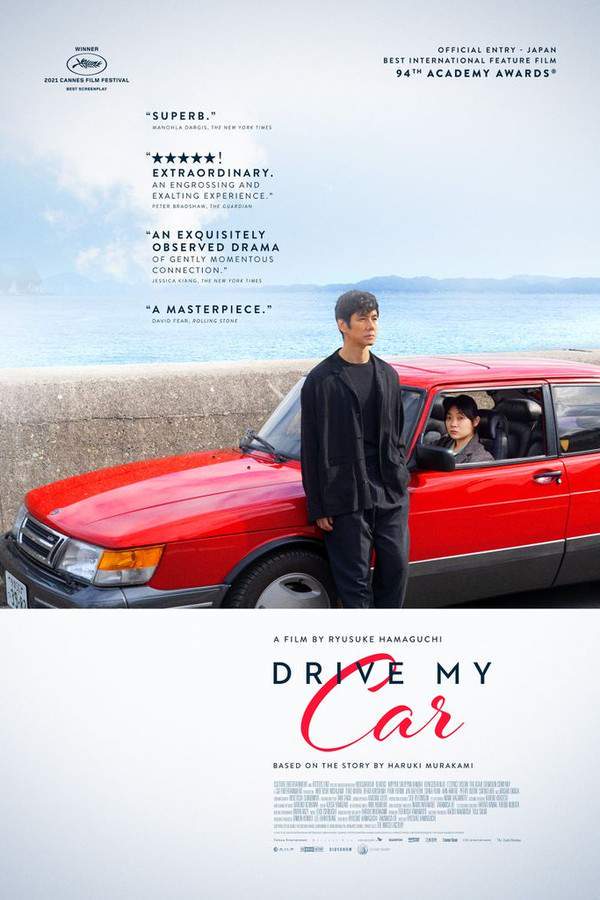
Drive My Car
2021
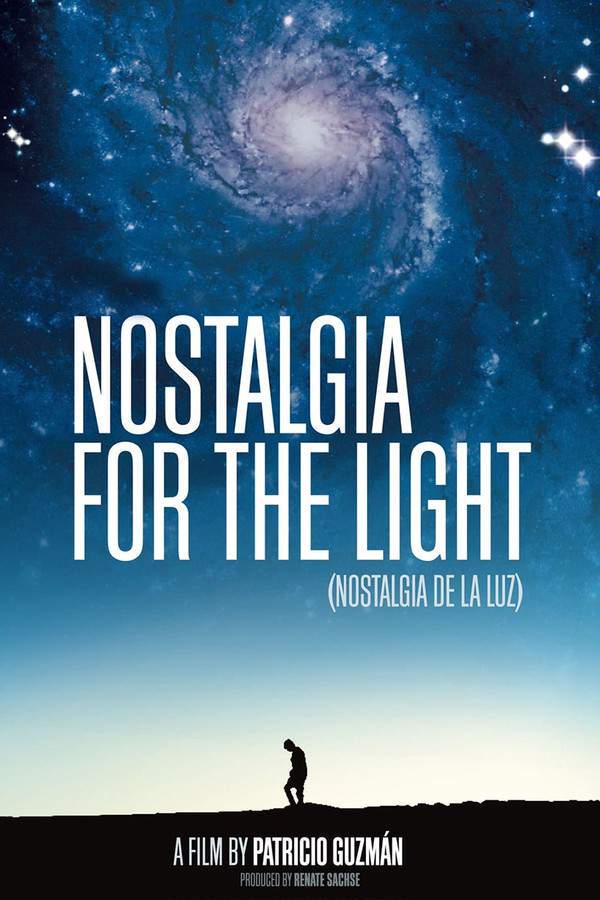
Nostalgia for the Light
2011
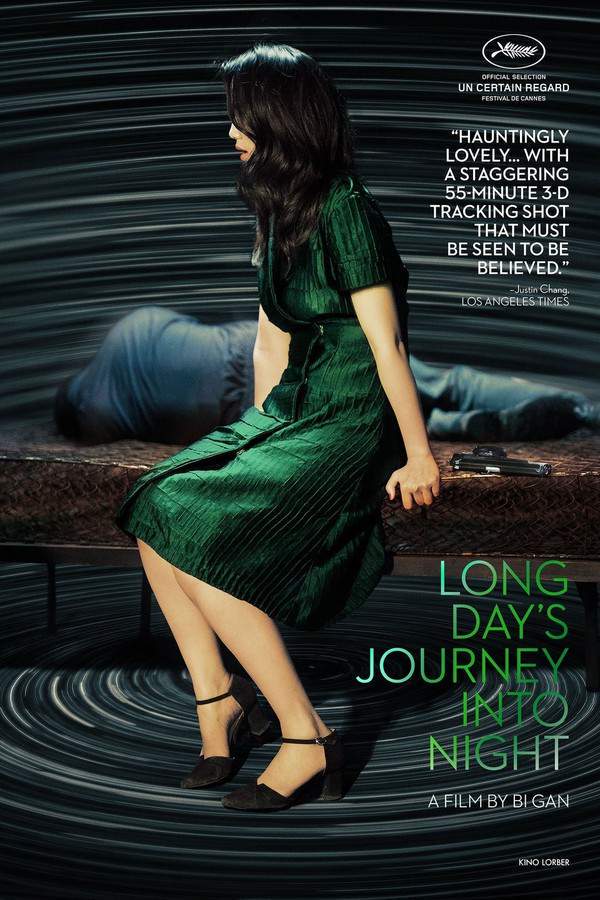
Long Day's Journey Into Night
2019
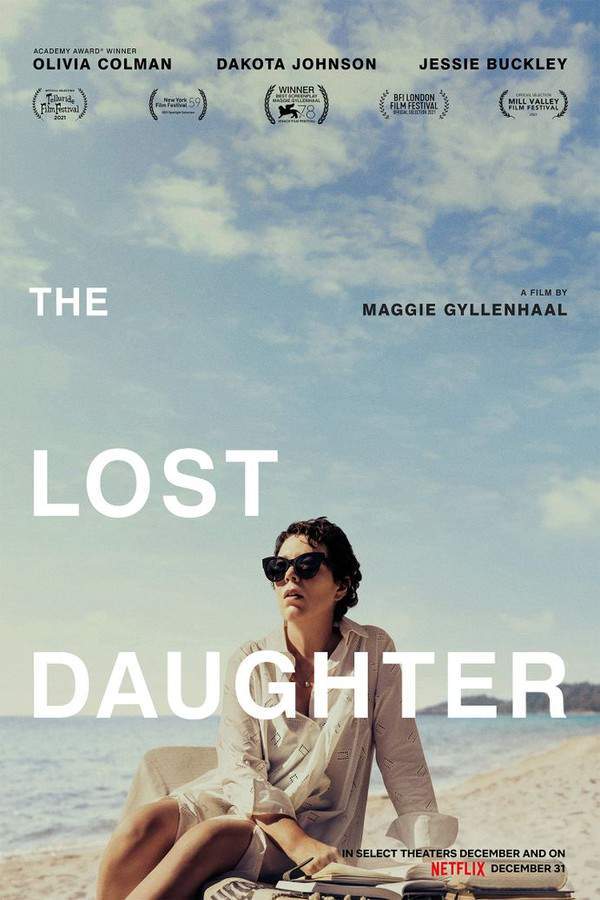
The Lost Daughter
2021
Everlasting Moments
2009
Eureka
2001
The Unforeseen
2008
Leave No Trace
2022
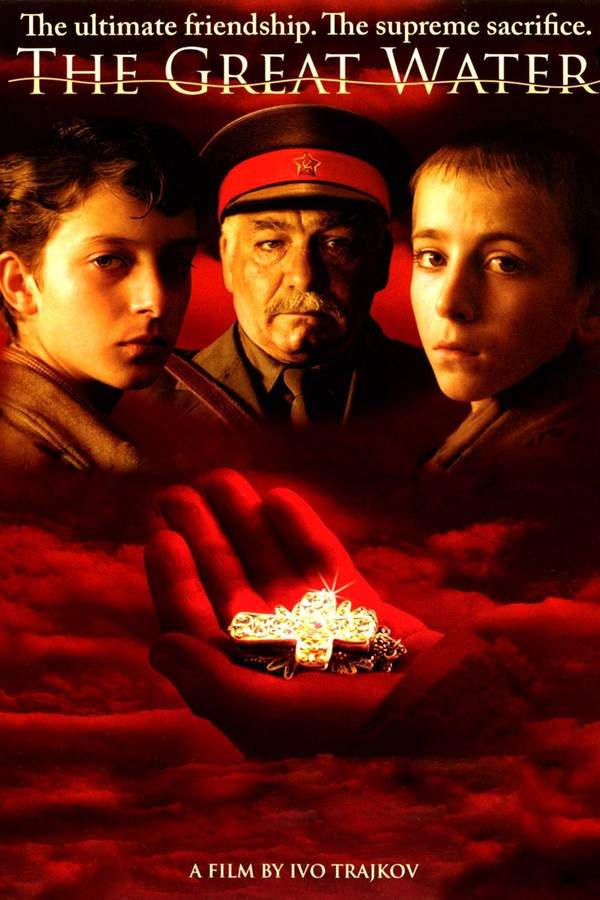
The Great Water
2005
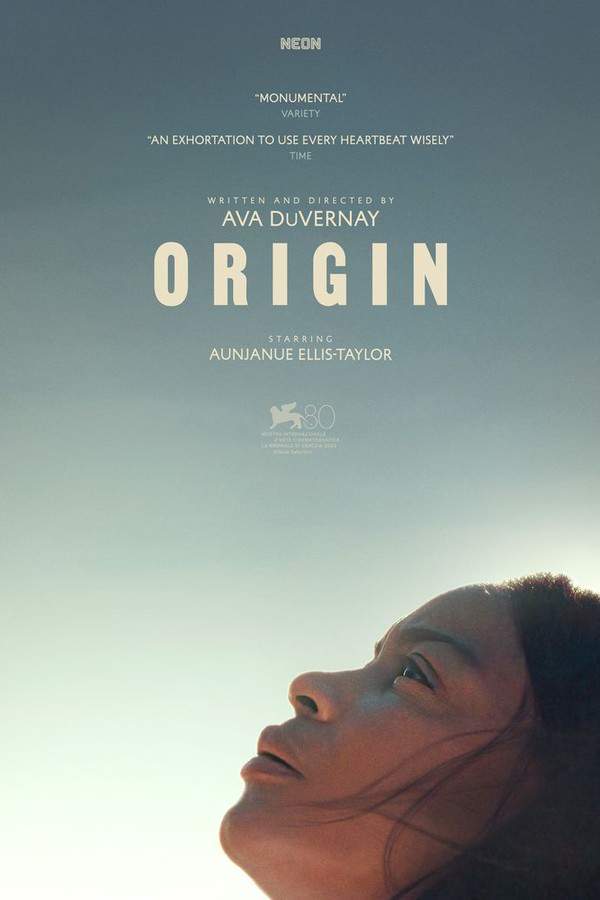
Origin
2023
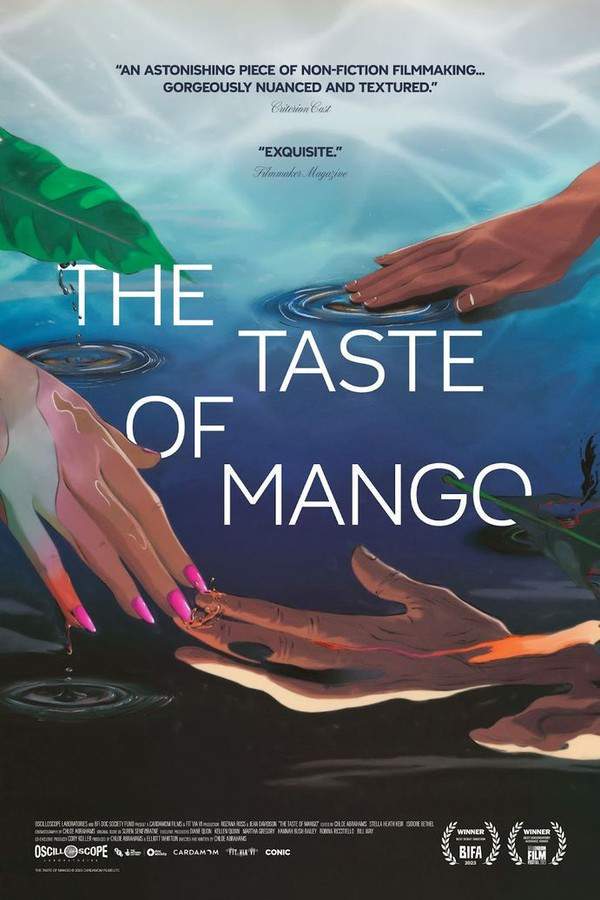
The Taste of Mango
2024

The Assault
2022

Voices in the Wind
2020

Under The Domim Tree
1994

Wounded Game
1977
Narrative Summary
The narrative pattern follows an inquiry, often starting with a personal question or a historical gap. The protagonist acts as a detective of memory, sifting through documents, interviews, and recollections. The plot unfolds not through action but through revelation, building emotional weight as the full scope of a painful past comes into focus. The journey is more about understanding than resolution, frequently concluding with an ambiguous or bittersweet acceptance of fragmented truths.
Why These Movies?
Movies in this thread are grouped by their shared approach to storytelling: a meditative, research-driven narrative structure, a consistently melancholic and reflective tone, and a focus on the emotional impact of uncovering hidden or suppressed histories. They prioritize intellectual and emotional exploration over conventional plot.
Somber reflections on colonialism like in Bontoc Eulogy
Stories that examine the heavy legacy of colonialism on personal and cultural identity.Find movies similar to Bontoc Eulogy that offer a serious and reflective look at colonialism, cultural exploitation, and the search for identity. These films share a heavy emotional weight, a slow, thoughtful pace, and a focus on the personal impact of historical injustice.
Nostalgia for the Light
2011
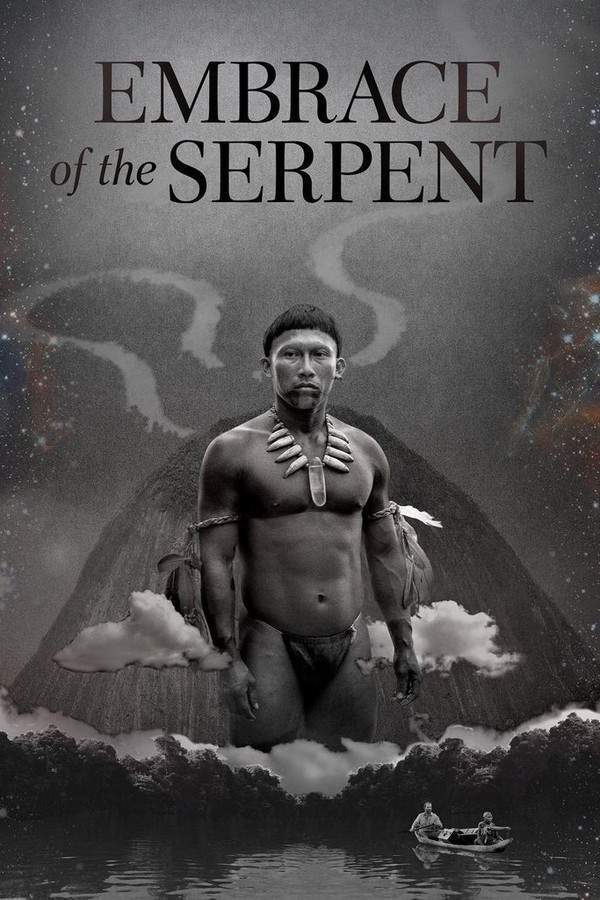
Embrace of the Serpent
2016
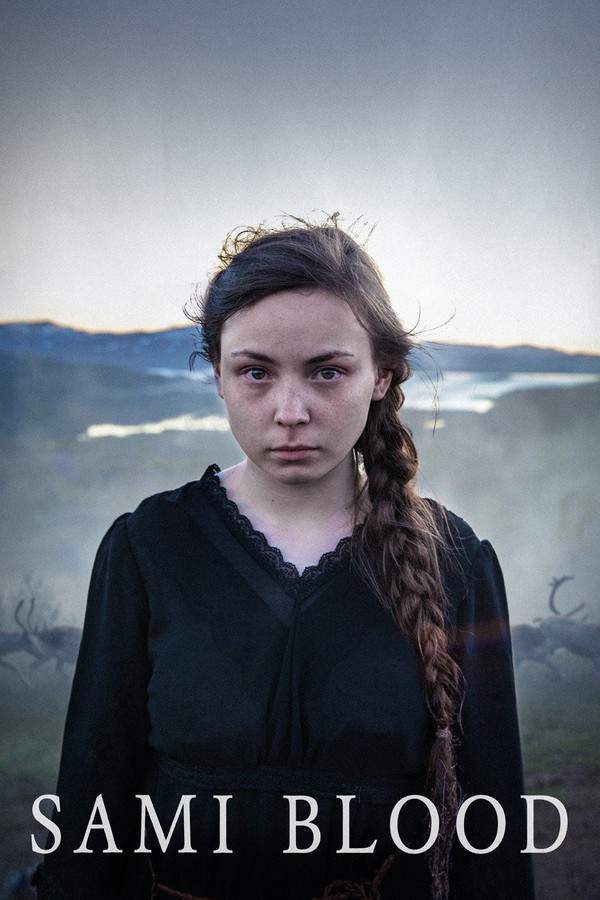
Sami Blood
2017
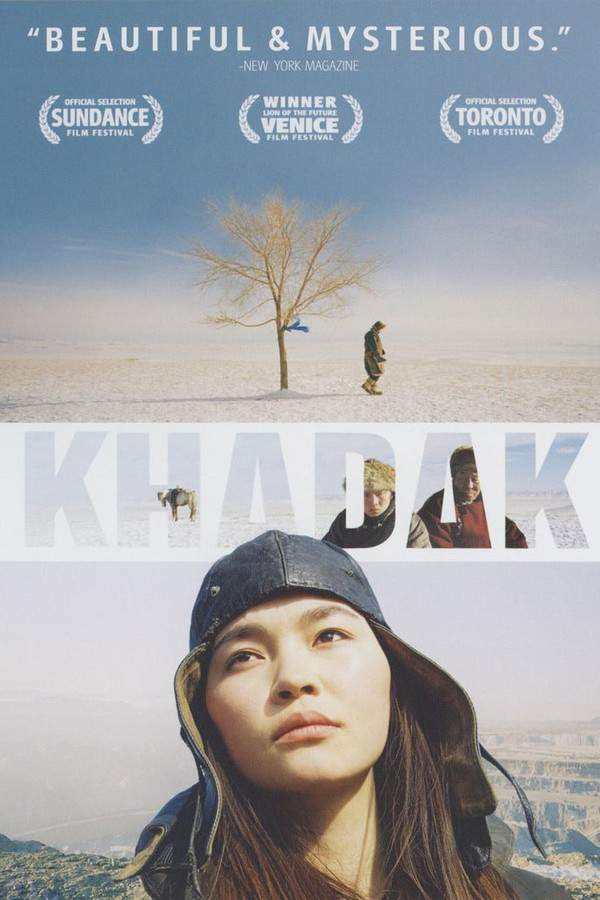
Khadak
2007
Origin
2023
The Taste of Mango
2024

Bombay Beach
2011

Palm Trees in the Snow
2015

No, or the Vain Glory of Command
1990

Song of Tibet
2000
Bontoc Eulogy
1995

All My Good Countrymen
1969

Chinese Box
1997

The Stone Cross
1968

The Edge of the World
1937
Narrative Summary
The narrative centers on characters or communities confronting the legacy of colonial power structures. The emotional journey involves a search for belonging and meaning in the wake of cultural displacement or erasure. Conflicts are often internal—a struggle with identity—as well as external, against historical narratives. The pacing is typically slow and meditative, allowing space for reflection on the complex and painful themes, often leading to an ambiguous or bittersweet conclusion that acknowledges ongoing loss.
Why These Movies?
These films are united by their core thematic focus on colonialism's impact and the subsequent quest for cultural or self-understanding. They share a consistent mood of somber reflection, a serious approach to their subject matter, and a pacing that allows the emotional and historical weight to resonate fully with the audience.
Unlock the Full Story of Bontoc Eulogy
Don't stop at just watching — explore Bontoc Eulogy in full detail. From the complete plot summary and scene-by-scene timeline to character breakdowns, thematic analysis, and a deep dive into the ending — every page helps you truly understand what Bontoc Eulogy is all about. Plus, discover what's next after the movie.
Bontoc Eulogy Summary
Read a complete plot summary of Bontoc Eulogy, including all key story points, character arcs, and turning points. This in-depth recap is ideal for understanding the narrative structure or reviewing what happened in the movie.

Bontoc Eulogy Timeline
Track the full timeline of Bontoc Eulogy with every major event arranged chronologically. Perfect for decoding non-linear storytelling, flashbacks, or parallel narratives with a clear scene-by-scene breakdown.



Similar Movies to Bontoc Eulogy
Discover movies like Bontoc Eulogy that share similar genres, themes, and storytelling elements. Whether you’re drawn to the atmosphere, character arcs, or plot structure, these curated recommendations will help you explore more films you’ll love.
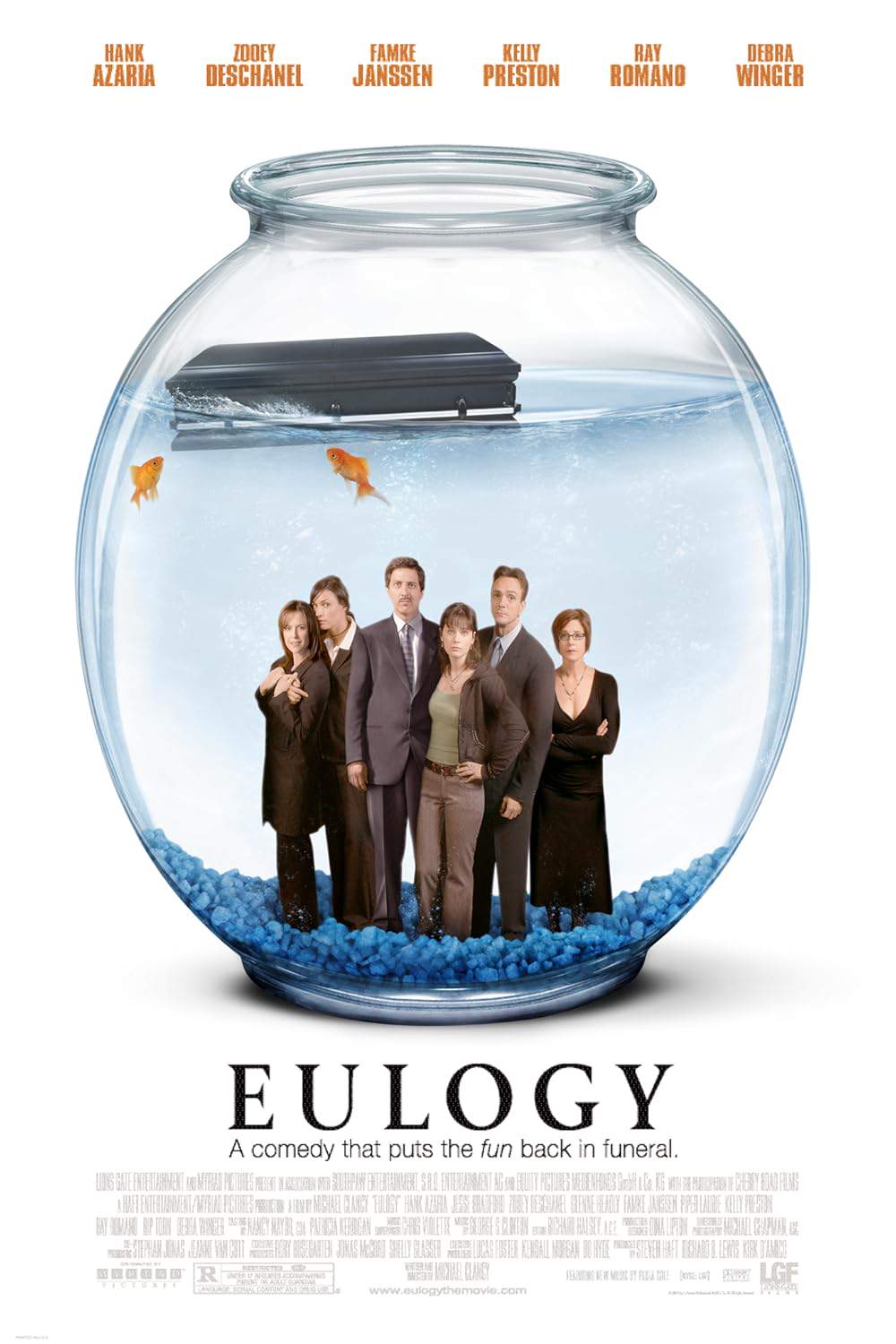
Eulogy
2004

The World’s Greatest Fair
2004

A Short Film About the Indio Nacional
2005

Lamentations: A Monument for the Dead World
1985

Being Different
1981

Cinebuano
2023

A Day at the Fair
1947

Taboos of the World
1963

Halving the Bones
1996

Farewell the Last Man
1978

To Be Alive!
1964

Los últimos de Filipinas
1945

The Forgotten Village
1941

Oriental Elegy
1996
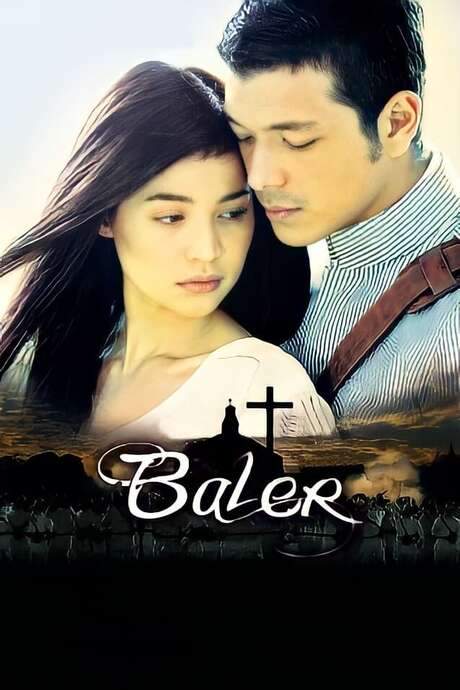
Baler
2008
Explore More About Movie Bontoc Eulogy
Bontoc Eulogy (1995) Scene-by-Scene Movie Timeline
Bontoc Eulogy (1995) Movie Characters, Themes & Settings
Bontoc Eulogy (1995) Spoiler-Free Summary & Key Flow
Movies Like Bontoc Eulogy – Similar Titles You’ll Enjoy
Eulogy (2004) Movie Recap & Themes
The World’s Greatest Fair (2004) Film Overview & Timeline
A Short Film About the Indio Nacional (2005) Film Overview & Timeline
Lamentations: A Monument for the Dead World (1985) Plot Summary & Ending Explained
Being Different (1981) Story Summary & Characters
Cinebuano (2023) Complete Plot Breakdown
A Day at the Fair (1947) Full Movie Breakdown
Taboos of the World (1963) Story Summary & Characters
Halving the Bones (1996) Film Overview & Timeline
Farewell the Last Man (1978) Plot Summary & Ending Explained
To Be Alive! (1964) Story Summary & Characters
Los últimos de Filipinas (1945) Ending Explained & Film Insights
The Forgotten Village (1941) Movie Recap & Themes
Oriental Elegy (1996) Plot Summary & Ending Explained
Baler (2008) Full Movie Breakdown