Plot Explained Spoilers guaranteed!
Plot Explained

Browse by genre

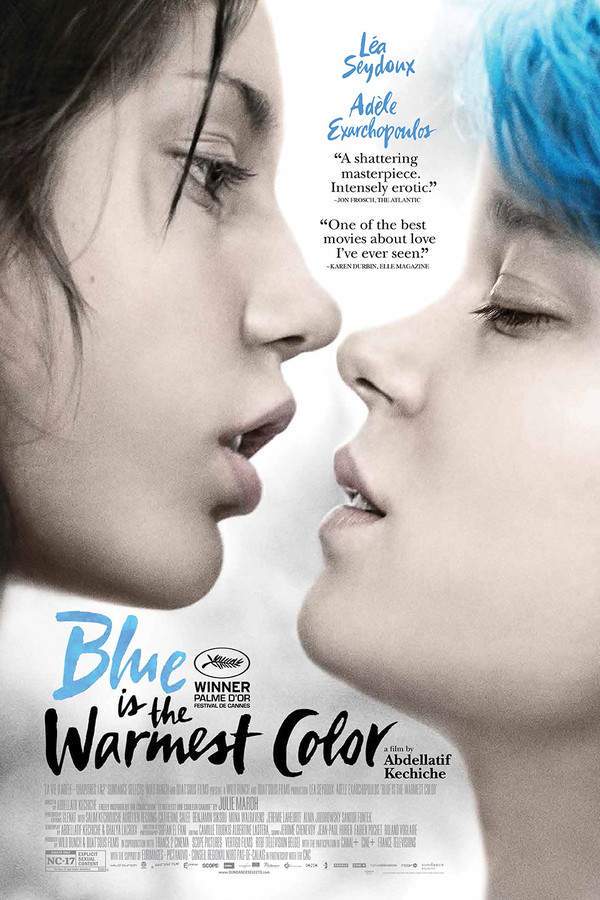
Blue Is the Warmest Color (2013) movie poster

Characters & Themes

Blue Is the Warmest Color (2013) Characters, Setting & Themes Explained

Release, runtime and language
2013 · 179 min · French
Loading streaming availability…
Directed by
Abdel Kechiche
Starring
Léa Seydoux, Catherine Salée, Ad, Alma Jodorowsky, Anne Loiret, Aurélien Recoing

A shy and introspective 15-year-old, Adèle, begins to question her understanding of love and desire. Her life takes an unexpected turn when she meets Emma, a charismatic and unconventional art student with blue hair. Their connection sparks a passionate and transformative relationship that challenges Adèle’s innocence and forces her to confront her identity. The film explores the intensity and complexities of their romance as they navigate a decade of personal growth and emotional discovery.

On this page (8)
  1. 1 Where to watch
  2. 2 Characters explained (2)
  3. 3 Where & when it takes place
  4. 4 Themes & meaning (3)
  5. 5 Character & meaning questions
  6. 6 The book behind the movie
  7. 7 Movie threads
  8. 8 Every angle
Loading streaming availability…

2 main characters · contains spoilers

Blue Is the Warmest Color Characters Explained: Who Is Who

The main characters of Blue Is the Warmest Color (2013), heroes and villains: what drives them, how they change over the course of the story and what each of them reveals about the film's bigger ideas.

  • Adèle

    played by Léa Seydoux

    Adèle is a 15-year-old high school student, introverted yet passionate about her awakening desires. She undergoes profound changes as she navigates her sexual identity, developing a deep emotional connection with Emma. Her character is marked by curiosity and a search for self-acceptance, ultimately faced with the complexities of adult relationships.

    • 👩‍🎓 Student
    • ❤️ In Love
    • 🌱 Growing Up
  • Emma

    played by Alma Jodorowsky

    Emma, the blue-haired woman, embodies artistic freedom and complexity. As a significant figure in Adèle's life, she introduces her to a new world of love and creativity. Emma's character juxtaposes her dynamic nature with the pressures of societal norms, highlighting the struggles of maintaining individual identity within a relationship.

    • 🎨 Artist
    • 🏳️‍🌈 LGBTQ+ Advocate
    • 💔 Disappointed

Last updated: October 22, 2024 at 21:23

Was this helpful?

Setting

Where and When Does Blue Is the Warmest Color Take Place?

The setting of Blue Is the Warmest Color (2013): the year and time period, the places and locations, and how they shape the characters, the mood and the tension of the story.

Time period

Contemporary

The narrative unfolds in contemporary times, a period marked by evolving social views on sexuality and relationships. This modern backdrop contrasts traditional values with the exploration of new identities and love. The characters navigate their personal journeys amidst societal pressures, showcasing the dynamic nature of human relationships today.

Location

France, Paris

The movie primarily takes place in France, particularly in Paris, a city renowned for its rich culture and artistic history. Paris is famous for its vibrant art scene, historic architecture, and diverse communities, making it a significant backdrop for Adèle and Emma's relationship. The urban environment enhances the film's exploration of love and identity, surrounded by the complexities of modern life.

  • 🇫🇷 France
  • 🎨 Art Scene
  • 🌆 Urban Life

Last updated: October 22, 2024 at 21:23

Was this helpful?

3 major themes

Blue Is the Warmest Color Meaning: Themes & Message Explained

What is Blue Is the Warmest Color (2013) really about? The emotional, social and philosophical themes the film keeps returning to, its symbolism and the message beneath the surface.

  • Love and Loss

    The film poignantly captures the intense love between Adèle and Emma, exploring both the beauty and heartbreak that come with it. As their relationship evolves, the theme of loss becomes paramount, highlighting how love can transform into longing. Their eventual separation emphasizes the bittersweet reality of love that continues to resonate long after it's gone.

  • Identity and Acceptance

    Adèle's journey of self-discovery is central to the film, addressing the complexities of sexual identity and societal acceptance. The exploration of her relationship with Emma serves as a catalyst for her growth, as she learns to navigate her desires and the reactions of those around her. This theme highlights the struggle for acceptance and the importance of being true to oneself.

  • Art and Expression

    Art plays a crucial role in the film, symbolizing freedom of expression and the emotional landscapes of the characters. Emma's artistic journey parallels her relationship with Adèle, illustrating how creativity can be a refuge and a way to process complex feelings. The portrayal of art emphasizes its power to convey love and vulnerability.

Last updated: October 22, 2024 at 21:23

Was this helpful?

Character & theme questions

Blue Is the Warmest Color Characters & Meaning: Your Questions Answered

The questions people ask about Blue Is the Warmest Color (2013): who the characters really are, their relationships, what the symbols mean, where it takes place and what the movie is really about. Each answer contains spoilers.

Q1

Where does the film take place?

The movie is set primarily in Paris, France, a city known for its rich culture and artistic history. Paris serves as a vibrant backdrop that enhances the story's exploration of love, identity, and artistic expression. The urban environment reflects the complexities of modern life that the characters navigate throughout the narrative.

  • paris
  • france
  • setting
  • location
  • french film
Q2

When is the story set?

The narrative unfolds in contemporary times, a period marked by evolving social views on sexuality and relationships. This modern backdrop allows the film to contrast traditional values with the characters' exploration of new identities and love. The contemporary setting reflects today's dynamic views on relationships and personal identity.

  • contemporary
  • modern era
  • time period
  • year 2013
Q3

What are the main themes of the film?

The film explores several interconnected themes including love and loss, identity and acceptance, and art and expression. The intense romance between Adèle and Emma serves as a vehicle for exploring how love can be both beautiful and heartbreaking. Identity and acceptance dominate Adèle's journey of self-discovery regarding her sexual orientation. Art functions as a symbol of freedom and emotional processing throughout the story.

  • themes
  • love
  • loss
  • identity
  • acceptance
  • art
  • expression
Q4

Who is Adèle and what does she represent?

Adèle is a 15-year-old high school student who begins questioning her understanding of love and desire. She is introverted yet passionate, and her character represents the journey of self-discovery and sexual awakening. Through her relationship with Emma, Adèle learns to navigate her desires and the reactions of those around her, ultimately facing the complexities of adult relationships while searching for self-acceptance.

  • adèle
  • character
  • identity
  • student
  • coming of age
Q5

Who is Emma and what role does she play?

Emma is a charismatic art student with distinctive blue hair who becomes the catalyst for Adèle's emotional and sexual awakening. She embodies artistic freedom and complexity, introducing Adèle to a world of love and creativity. Emma represents both the transformative power of first love and the challenges of maintaining individual identity within a relationship amid societal pressures.

  • emma
  • blue hair
  • art student
  • artist
  • love interest
Q6

What does Emma's blue hair symbolize?

Emma's blue hair serves as a visual symbol of her individuality, nonconformity, and artistic freedom. The blue color represents uniqueness and stands in contrast to conventional norms, reflecting Emma's free-spirited nature. This distinctive appearance immediately sets her apart and signals her role as someone who lives outside traditional boundaries, which mirrors the film's exploration of unconventional love and identity.

  • blue hair
  • symbolism
  • artistic freedom
  • uniqueness
  • visual motif
Q7

How does the film explore identity and acceptance?

Adèle's journey of self-discovery is central to the film, addressing the complexities of sexual identity and societal acceptance. Her relationship with Emma serves as a catalyst for growth as she learns to navigate her desires while facing the reactions of family, peers, and society. The film highlights the struggle for acceptance, both from others and from oneself, emphasizing the importance of being true to one's authentic self despite external pressures.

  • identity
  • acceptance
  • sexual orientation
  • self-discovery
  • coming out
Q8

What role does art play in the movie?

Art plays a crucial role as a symbol of freedom of expression and a reflection of the characters' emotional landscapes. Emma's artistic journey parallels her relationship with Adèle, demonstrating how creativity can serve as both a refuge and a means to process complex feelings. The portrayal of art emphasizes its power to convey love, vulnerability, and the intangible aspects of human connection.

  • art
  • painting
  • creativity
  • expression
  • art student
  • artistic journey
Q9

How does the Paris setting influence the story?

Paris provides a sophisticated urban environment that enhances the film's exploration of love and identity. The city's renowned art scene and historic architecture create a backdrop that mirrors the characters' artistic and emotional journeys. The vibrancy and cultural depth of Paris contrast with the characters' internal struggles, while the urban setting reflects the complexities of modern life they must navigate.

  • paris
  • france
  • art scene
  • urban setting
  • city backdrop
Q10

What does the film say about love and loss?

The film poignantly captures the intense love between Adèle and Emma, exploring both its beauty and the heartbreak that follows. As their relationship evolves, loss becomes paramount, highlighting how love can transform into lingering longing. Their eventual separation emphasizes the bittersweet reality of love that continues to resonate long after it ends, leaving permanent marks on both characters.

  • love
  • loss
  • heartbreak
  • relationship
  • bittersweet
  • romance

Movie threads

More Movies Like Blue Is the Warmest Color, by Mood & Story

Curated lists built around what makes Blue Is the Warmest Color tick: the same mood, the same kind of story or the same emotional payoff. Each list explains why these movies belong together.

Emotionally Heavy Coming-of-Age Romances like Blue Is the Warmest Color

Stories where first love fundamentally alters a character's sense of self. For viewers who appreciated the intense emotional journey in Blue Is the Warmest Color, this section features movies like it that explore raw first loves and profound personal growth. If you liked the film's heavy emotional weight and its focus on identity and transformative relationships, you'll find similar stories here.

  • passionate
  • raw
  • transformative
  • introspective
  • aching
  • sensual
  • Tone: melancholic, raw, passionate
  • Pacing: slow, character-driven
Why these movies?

The story pattern: This thread follows characters, often young, as they encounter a powerful first love that shatters their previous understanding of the world. The narrative chronicles the relationship's passionate peak and its eventual dissolution, but the true focus is the internal transformation of the protagonist, who emerges permanently changed, carrying both the scars and the wisdom of the experience.

Why they belong together: Movies are grouped here because they share a central focus on the intersection of romantic awakening and personal identity formation. They prioritize emotional authenticity over plot mechanics, feature a melancholic or bittersweet tone, and aim for a heavy, resonant emotional impact on the viewer.
Slow-Burn Studies of Intimate Relationships like Blue Is the Warmest Color

Films that meticulously chart the lifespan of a deep, complicated relationship. This collection gathers movies similar to Blue Is the Warmest Color that use a slow, deliberate pace to explore the complexities of a long-term relationship. If you enjoyed how the film captured the nuances of love and heartache over time, you'll find other films that take a similarly immersive and detailed approach to intimacy.

  • intimate
  • aching
  • nostalgic
  • contemplative
  • sensual
  • raw
  • Tone: bittersweet, intimate, melancholic
  • Pacing: slow, immersive, deliberate
Why these movies?

The story pattern: The narrative pattern in this thread involves a linear, often decade-spanning, observation of a central relationship. There is minimal external plot; the drama arises from the natural evolution of the partnership—the initial spark, the building of a shared life, the emergence of fissures, and the poignant aftermath. The ending is rarely purely happy or sad, but instead reflects the complex residue of a significant shared history.

Why they belong together: These films are united by their commitment to a slow, sensual pacing that mimics the real-time experience of a relationship. They share a high degree of emotional intimacy, a focus on nuanced character interaction over external events, and a tone that blends profound joy with an underlying melancholy, resulting in a bittersweet conclusion.

Every angle

Blue Is the Warmest Color (2013) Explained: Plot, Timeline & Characters

Everything about Blue Is the Warmest Color in one place: what happens in the plot summary, the timeline in chronological order, the characters and meaning and a spoiler-free summary. What's After the Movie adds the cast, box office and post-credit scenes.

Coming soon on iOS and Android

The Plot Explained Movie Summary App

Plot summaries, endings explained and timelines on your phone. Catch up on any movie in minutes, save your favorites and never miss a twist again.

Be the first to know when we launch. Your email stays private, always.

Learn more about the app