
Bicycle Thieves
Year: 2013
Runtime: 147 mins
Language: Malayalam
Director: Jis Joy
The film revolves around a guy and three others earn their living by stealing bicycles and selling them.
Warning: spoilers below!
Haven’t seen Bicycle Thieves yet? This summary contains major spoilers. Bookmark the page, watch the movie, and come back for the full breakdown. If you're ready, scroll on and relive the story!
Bicycle Thieves (2013) – Full Plot Summary & Ending Explained
Read the complete plot breakdown of Bicycle Thieves (2013), including all key story events, major twists, and the ending explained in detail. Discover what really happened, and what it all means.
In the shadow of post-World War II Rome, a desperate struggle to keep a family fed sets the stage for a quiet, unsentimental drama. Antonio Ricci, a devoted husband and father, is swallowed by the grind of finding steady work so he can support his wife Maria, their young son Bruno, and the baby who changes every daily choice. When a job posting promises honest pay for advertising bills, Antonio’s pride wobbles at the idea of lacking something as simple as a bicycle, a tool he needs to move with the city and its shifting errands. Maria, in a practical surge of love and stubborn resilience, strips the bed of its dowry sheets—tiny, priceless talismans of a poorer life—and walks them to the pawn shop. The small, stubborn pieces of fabric are traded for just enough to redeem the bicycle that has become the backbone of their modest livelihood.
On Antonio’s first day of work, fate bites with a sharp coin. He stands on a ladder, hopeful, when a quick hand snatches his bicycle away. The chase begins in earnest; Antonio pursues with the scrambled energy of a man who knows every minute of time could slip away from his family’s needs, only to be thrown off course by the thief’s accomplices. The police take the report, yet the reality of the city’s streets—crowded, restless, uncooperative—offers little hope of recovery. The sense that justice is distant gnaws at Antonio as he returns to Bruno with the weight of the day pressing down.
Seeking a lead, they press into the city’s echoing web of markets. They head toward Piazza Vittorio, a place where the restless energy of sellers, buyers, and lost chances collides. They glimpse a bicycle frame that might belong to Antonio, but the vendors stubbornly refuse to let them inspect the serial numbers. A carabiniere is brought in, and the officer orders a closer look, yet the search halts at the moment the number is checked and doesn’t match. The municipal guard cannot offer them a way to verify further, and the sense of rule-bound helplessness grows heavier. The crowd’s whispers curl around their quest, hinting at the thin line between proof and rumor in a city where every missing object can become a tale of fate.
A second, brighter thread appears at Porta Portese market, where Antonio and Bruno spot a man who resembles the thief, accompanied by an old man who seems to know more than he’ll say. The thief slips away, the old man feigns ignorance, and the chase deepens into an alley of dead ends. They trail the pair into a church, and then into a brothel, where the denizens eject them with a hostile indifference that stings more deeply than any scolding. Back outside, the neighbors gather, their faces a chorus of suspicion and anger. Antonio’s accusation—torn from a heart that refuses to surrender on behalf of his family—collides with a crowd that will not grant him the immediate right to be believed. A fit of fear, a public misreading, and the crowd’s sharp intolerance turn the scene into a test of temper and resolve.
Bruno, watching his father falter under the weight of blame and the risk of a fading hope, runs for help and brings a policeman. The search of the thief’s apartment yields nothing, leaving Antonio with a case that feels too weak to stand. The officer’s verdict—there are no witnesses, and the neighbors’ stories will surely be used to shield the thief—lands like a final, hollow thud. The two men depart into the street as jeers and threats ripple through the crowd. Their departure is slow, almost ceremonial, as if the city itself were weighing whether to lift its boot or to press it harder.
The day shifts toward a tableaux of contradiction and decision as they make their way home. An unexpected pause in the city’s rhythm leads them past the Stadio Nazionale, a vast stadium where politics and pride mingle with the ordinary’s pain. Antonio’s eyes fix on an unattended bicycle near a doorway, and after a long moment of agonized hesitation, he tells Bruno to take the tram to a nearby stop and wait. The choice, mired in risk and longing, becomes a slippery pivot: Antonio circles the bicycle, the air thick with what-ifs, and then he rides. The moment the bicycle starts to move, a hue and cry erupts, and Bruno—the son who has spent the day chasing after a thief and the truth—finds himself suddenly confronted with the image of his father sprinting away on two wheels.
The crowd closes in. Antonio is pulled toward the police station, and the tension is almost unbearable as the situation threatens to turn tragically unfair. But in a moment of grace that seems almost too tender to be real, the bicycle’s owner, an old man who has observed the scene with a quiet, stubborn humanity, notices Bruno’s tears and speaks with a soft authority that cuts through the noise. He moves the crowd’s attention, and with a single, humane gesture, he tells the others to release Antonio. The tension loosens, the crowd’s grip on their anger loosens, and the two men are allowed to step away from the edge of a harsher fate.
Antonio and Bruno begin the long walk home, shoulders bending under the weight of disappointment and relief in equal measure. The air carries the mixture of fatigue and a stubborn, stubborn perseverance. Antonio’s eyes glisten with unshed tears that his son’s small hand steadies, a quiet reminder that the bond of family can survive even when the rules of a city seem bent toward misfortune. They move forward together, slowly and with dignity, as the evening settles around them like a shared breath of hope.
In every beat of this quiet narrative, the film asks how a society measures a man’s effort to protect what he loves, and how mercy can arrive in the most ordinary moments. The story unfolds with a careful attention to the realities that shape everyday life—the fragility of work, the cannot-quite-meet demands of poverty, the stubborn endurance of family love, and the occasional, luminous flash of humanity that can untangle a day that began in loss. It is a portrait of perseverance, fear, and the small acts that keep faith alive when the world seems against you.
Last updated: October 03, 2025 at 10:35
Bicycle Thieves (2013) Plot Questions Answered – Summary FAQ
Explore frequently asked questions about Bicycle Thieves (2013) with spoiler-rich answers covering the full plot summary, major story beats, character motivations, hidden details, and ending meaning. This movie summary FAQ helps explain confusing scenes, plot twists, and narrative decisions in clear, searchable detail.
Why does Maria pawn the dowry sheets to buy a bicycle?
Maria pawns the dowry sheets because Antonio needs a bicycle to take the job posting for advertising bills. Without the bicycle, he cannot work, and without work, the family cannot eat. The dowry sheets, though emotionally priceless as family heirlooms, are traded for the practical tool that represents their only chance at survival. Maria's sacrifice shows how poverty forces impossible choices between sentiment and necessity.
The bed sheets were mentioned earlier as tiny, priceless talismans of a poorer life, foreshadowing their sacrifice.
How does Antonio lose his bicycle on his first day of work?
While Antonio stands on a ladder working, a thief quickly snatches the bicycle. Antonio gives chase but is thrown off course by the thief's accomplices who help the thief escape into the crowded city streets. This sudden loss happens within minutes of Antonio starting his hopeful new job, trapping him back into unemployment and desperation.
Why can't Antonio prove the bicycle at Piazza Vittorio is his?
Antonio and Bruno spot a bicycle frame at Piazza Vittorio that might belong to Antonio. When they ask to inspect the serial numbers, the vendors refuse to cooperate. A carabiniere orders a closer look, but when the serial number is checked, it doesn't match Antonio's bike. The municipal guard cannot provide further verification, leaving them with partial hope but no proof.
Why does the thief escape at Porta Portese market?
Antonio and Bruno identify a man resembling the thief at Porta Portese, accompanied by an old man who seems to know more. Before they can act, the thief slips away into the crowded market. The old man pretends to know nothing, and the trail vanishes into the market's chaos, allowing the thief to disappear once more.
What happens when Antonio chases the thief into the church and brothel?
Antonio follows the thief and old man into a church, then into a brothel. In both locations, the locals eject Antonio and Bruno with hostile indifference, showing no willingness to help. Outside, a hostile crowd gathers, turning Antonio's accusation into a public trial where he faces suspicion and anger rather than support.
Why can't the police find witnesses to identify the thief?
When Bruno brings a policeman to search the thief's apartment, nothing is found. The officer explains there are no witnesses willing to come forward, and the neighbors' stories will likely shield the thief. The city's indifference and lack of cooperation make legal recourse impossible, leaving Antonio's case too weak to pursue.
Why does Antonio decide to steal a bicycle at the stadium?
At the Stadio Nazionale, Antonio spots an unattended bicycle near a doorway. Desperate after a full day of failed searching and knowing his family's survival depends on having transportation for work, he tells Bruno to wait at a tram stop. After agonizing hesitation, Antonio rides away on the bicycle, desperate enough to become what he has been hunting, a thief.
The day has been building Antonio's desperation through repeated failures and public humiliation.
Why does the old bicycle owner show mercy to Antonio?
When the crowd closes in on Antonio, the bicycle's owner, an old man who has watched the scene unfold, notices Bruno crying. Moved by the boy's tears and the father's desperation, the old man speaks with quiet authority and tells the crowd to release Antonio. His humane gesture prevents a tragic outcome, showing that mercy can emerge even from ordinary strangers observing human suffering.
What does the ending mean for Antonio and Bruno's relationship?
Antonio and Bruno walk home together, shoulders bent under the weight of disappointment but also relief. As Antonio fights back tears, Bruno reaches for his father's hand, a gesture steadying their bond. The ending suggests that while poverty and injustice remain, their shared ordeal has strengthened the family connection. The small act of mercy from the old man allows them to preserve their dignity despite failure.
What is the film saying about society's treatment of desperate people?
The film examines how society measures a man's worth through his ability to provide for his family, and how the rules of a city can feel bent toward misfortune for the poor. Yet it also shows that mercy can arrive in ordinary moments, the old man's intervention demonstrates that humane gestures can untangle situations that seem destined for tragedy. The story argues that dignity can survive even when the world seems against you.

Explore Movie Threads
Discover curated groups of movies connected by mood, themes, and story style. Browse collections built around emotion, atmosphere, and narrative focus to easily find films that match what you feel like watching right now.
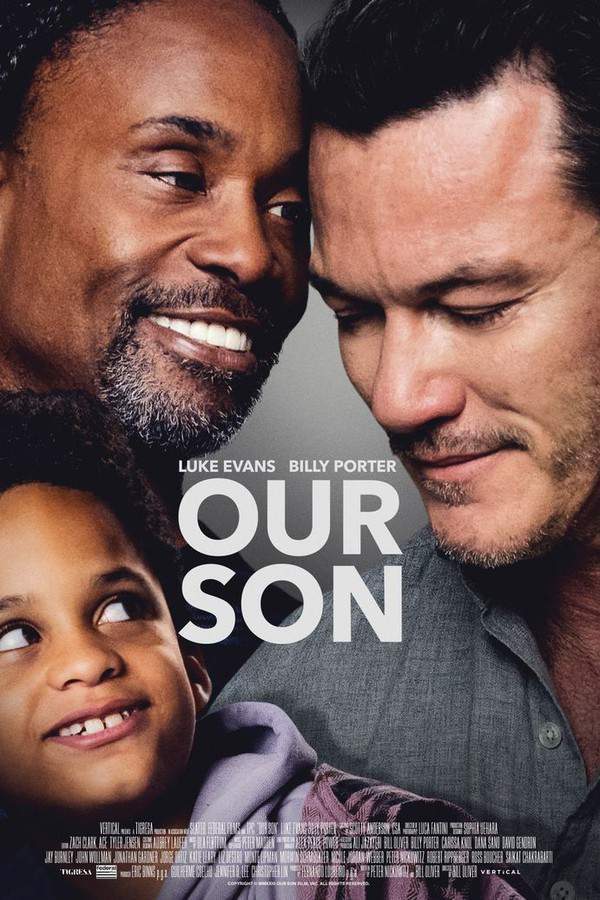
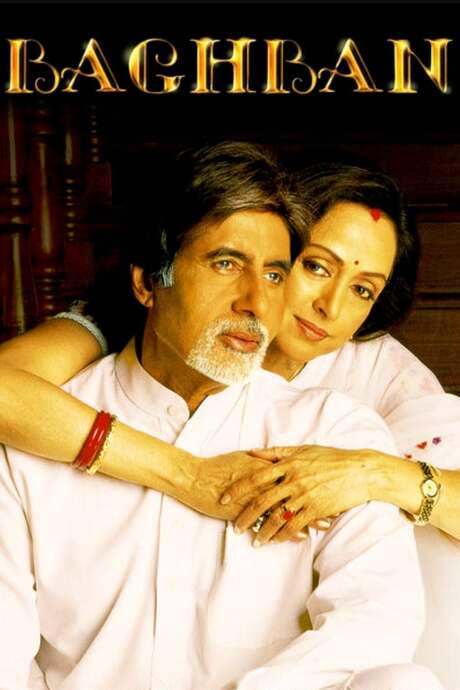
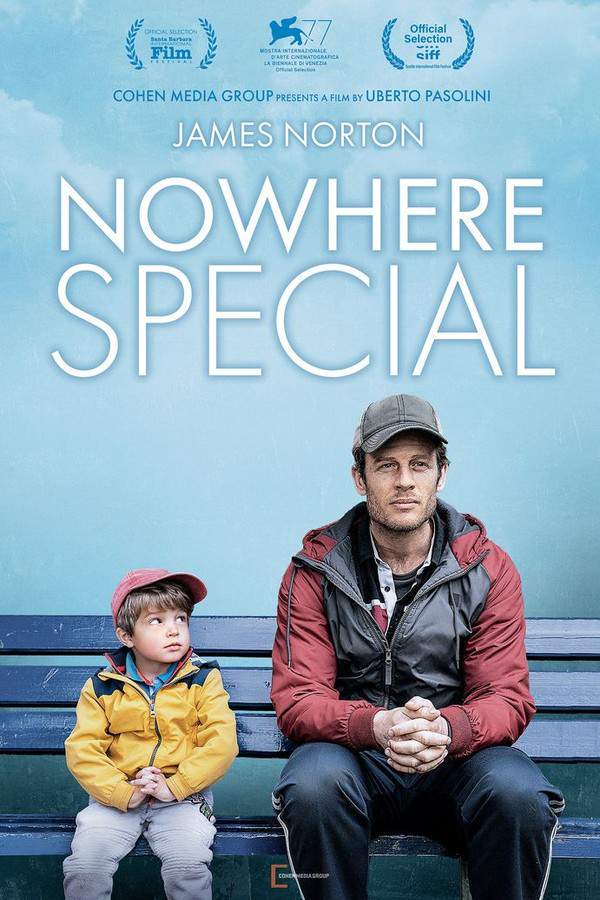
Father and Son Survival Stories like Bicycle Thieves
Stories of fathers facing desperate choices to protect their children.Find more movies like Bicycle Thieves that explore the profound bond between father and son in the face of adversity. If you were moved by the desperate struggle to provide and protect, these similar dramas capture the weight of paternal love and moral conflict.

Like Father, Like Son
2014

Riding Alone for Thousands of Miles
2006
Our Son
2023

Dad
1989
Baghban
2003
Nowhere Special
2024

Like Dandelion Dust
2009

All About My Father
2002

Hidden in America
1996

Two Is a Family
2016
Bicycle Thieves
2013

Fireflies in the Garden
2011

Dor
2006

The Champ
1931

Miracle in Cell No. 7
2013
Narrative Summary
These narratives follow a linear journey where a father's primary goal—providing for his family—is threatened, forcing him into a moral or physical quest. The plot is driven by the father's actions, with the son often as a witness, creating a story about legacy, sacrifice, and what it means to be a good man in a bad situation.
Why These Movies?
Movies are grouped here for their shared focus on the paternal relationship as the emotional engine. They combine the heavy theme of survival with the intimate, tender moments that define family bonds, resulting in a consistently bittersweet and persevering mood.
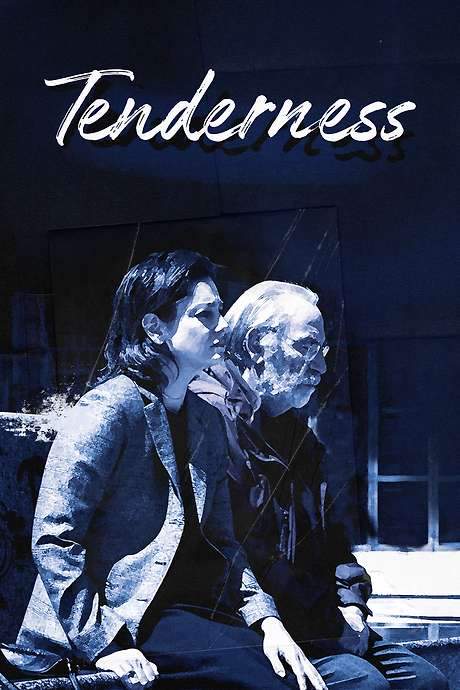
Movies about Quiet Desperation like Bicycle Thieves
Slow-burn stories of ordinary people pushed to the edge by poverty.Discover films similar to Bicycle Thieves that capture the slow, somber vibe of living on the edge. If you appreciated the anxious, quiet tension of a man fighting against poverty and social injustice, these stories share that feeling of desperate perseverance.
Tenderness
2017
Bicycle Thieves
2013

Unfinished Sky
2007

Masaan
2015

Swept from the Sea
1997

Sunflower
1970
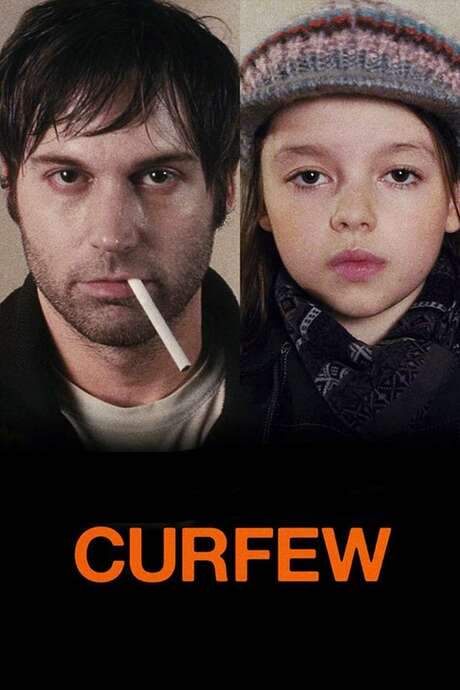
Curfew
2012

The Great Escaper
2023
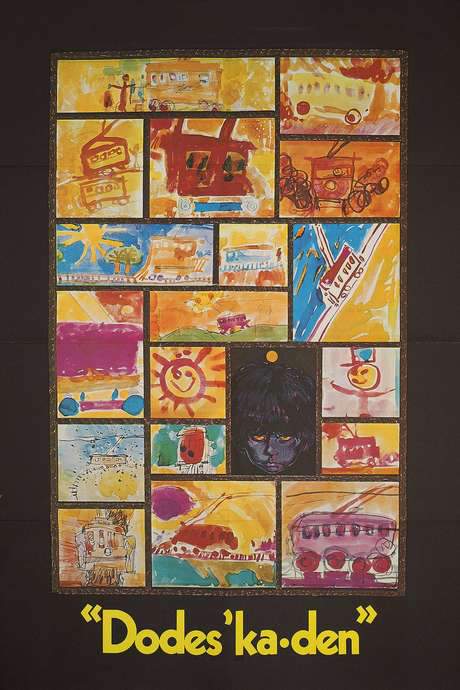
Dodes’ka-den
1970
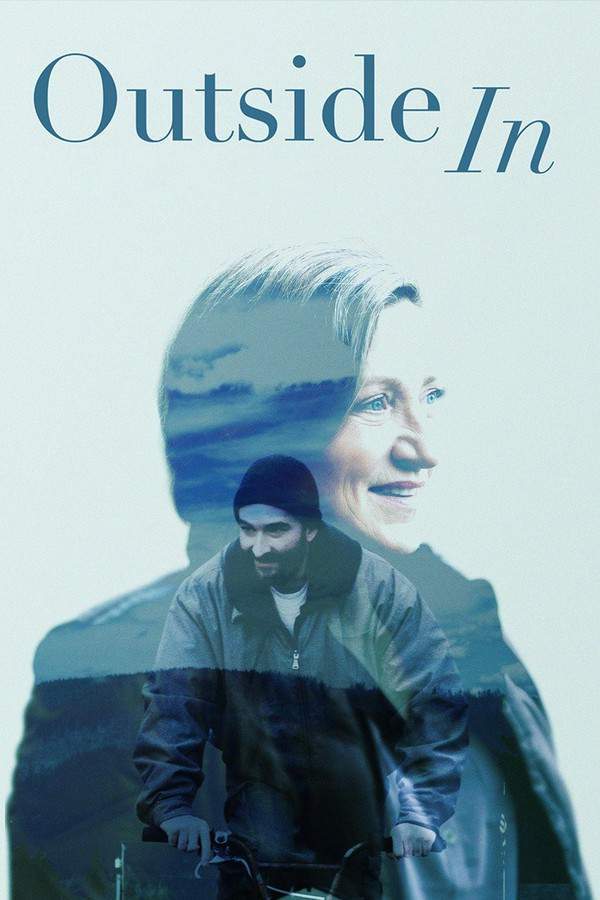
Outside In
2018

Veronika Decides to Die
2005

The Cake Eaters
2009

The Hasty Heart
1949
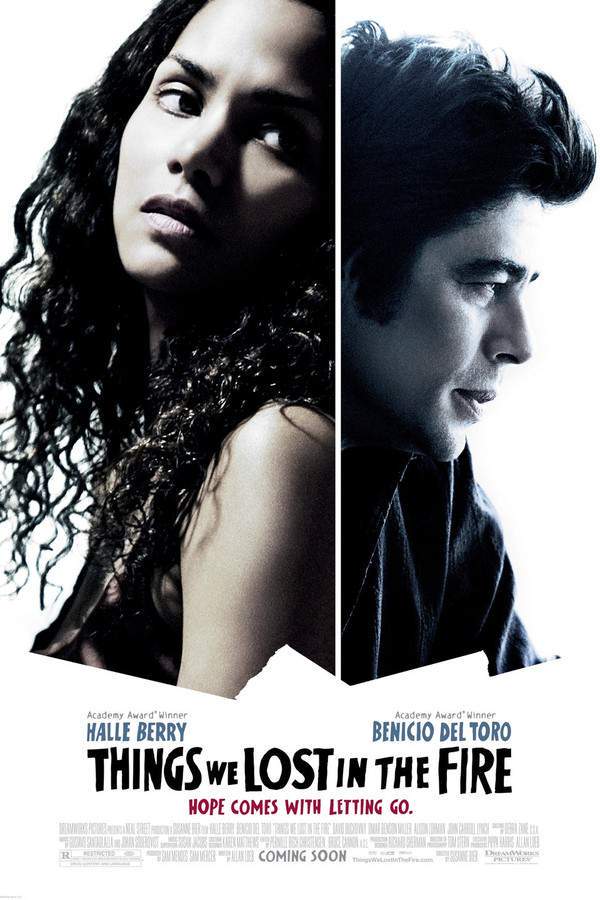
Things We Lost in the Fire
2007
The Almond and the Seahorse
2022
Narrative Summary
The plot typically follows a straightforward, linear quest for a basic necessity, which exposes the protagonist to the injustices of their world. The drama comes from the quiet accumulation of setbacks and small humiliations, leading to a climactic moral choice that defines their character. The ending often leaves the central problem unresolved, emphasizing the cyclical nature of their struggle.
Why These Movies?
These films are united by their specific mood and tone: a somber, slow-paced examination of desperation. They share a medium but consistent intensity, a bittersweet tone blending hope and despair, and a thematic focus on poverty and moral conflict within a social context.
Unlock the Full Story of Bicycle Thieves
Don't stop at just watching - explore Bicycle Thieves in full detail. From the complete plot summary and scene-by-scene timeline to character breakdowns, thematic analysis, and a deep dive into the ending - every page helps you truly understand what Bicycle Thieves is all about. Plus, discover what's next after the movie.
Bicycle Thieves Timeline
Track the full timeline of Bicycle Thieves with every major event arranged chronologically. Perfect for decoding non-linear storytelling, flashbacks, or parallel narratives with a clear scene-by-scene breakdown.

Characters, Settings & Themes in Bicycle Thieves
Discover the characters, locations, and core themes that shape Bicycle Thieves. Get insights into symbolic elements, setting significance, and deeper narrative meaning - ideal for thematic analysis and movie breakdowns.


