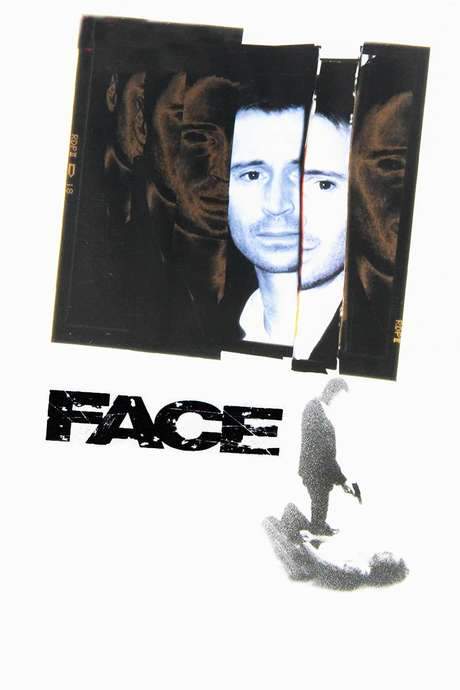
With America engaged in World War II, the old guard of gangsters has fallen on hard times. Doc Rogers [Robert Armstrong] summons criminals from across the nation for a summit and proposes that the only way they can regain their former wealth and influence is to unite under a single, strong leader. The now-deceased Mob Boss “Big Morgan” was their greatest figure of power, so Rogers, his loyal lieutenant, decides to bring in Morgan’s son Edward ‘Baby Face’ Morgan [Richard Cromwell] to lead the revived gang. He sends two loyal but dim-witted henchmen to determine whether Edward has what it takes and to bring him back if he does.
Edward, a small-town delivery boy who never knew his father’s life, is misinterpreted by the two men as a formidable extortionnaire, thanks to tales about taking collections and leaving pineapples that the henchmen mistake for proof of his menace. When they return with Edward, Doc Rogers sees a way to use Edward’s name as the unifying symbol the gang needs, while keeping the truth concealed: Edward and his cousin Ollie Chick Chandler are naive youngsters who know little about the criminal underworld. To mask the ruse, Doc installs them as President and Vice President of a shelf corporation called the Acme Protection Agency, where the criminals’ extortion profits are supposedly deposited.
What follows is a satirical misdirection. The gangsters are told that Big Morgan’s brutal son “Baby Face” is running things, and they believe Doc’s stories of ruthless cruelty. The supposed enforcer becomes a rumor in the background, while the two young men play at running an insurance-like operation, aided by Doc’s henchman, his moll, and an odd office filled with rabbits that the henchman hopes to use to make a fur coat for his moll. For the gangsters, the illusion of control seems enough to keep the extortion scheme rolling.
Doc judges that federal authorities are distracted by other duringwartime concerns—Japanese-Americans being detained and the Bund’s activities—leaving them with a free run. The extortion racket expands to trucking companies, and most operators pay up, except for Virginia Clark [Mary Carlisle], who boldly throws the gangsters out of her office. Her courage earns headlines, prompting Ollie to pivot: the insurance-like policy scheme can be sold to the victims of “Baby Face Morgan,” even though Edward doesn’t realize that he himself is the elusive “Baby Face.”
When Virginia and Edward meet, a real connection blooms, and their growing affection shifts the balance of the scheme. Virginia purchases a substantial policy, the gangsters destroy a truck, and Edward promptly pays up the next day, a pattern that begins to draw more trucking firms into Acme Protection and challenges the old extortionists to ruin their own vehicles as payment.
As the profit recycling continues, the mob closes in, seeking their share of the profits that have been funneled back into the trucking world. Edward—still learning the role he’s been cast into—begins a crash course in acting as a tough-guy leader, even as he tries to navigate a web of deceit, loyalty, and a love that could complicate the plan more than anyone anticipated. The story works as a wartime-fueled caper, blending sharp wit with a cautionary tale about how power and romance can collide when outsiders try to play by the rules of a world they hardly understand.