Plot Explained Spoilers guaranteed!
Plot Explained

Browse by genre

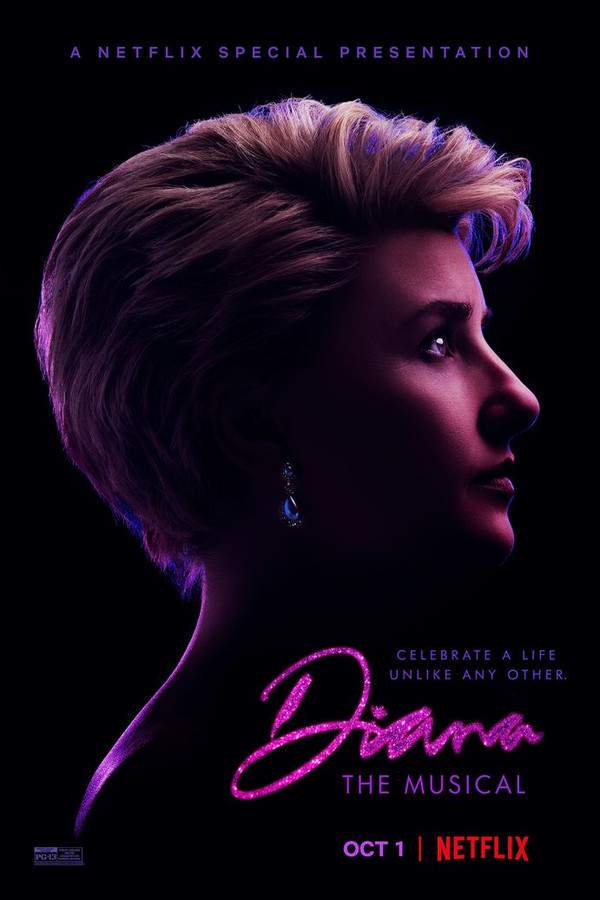
Diana (2021) movie poster

Timeline

Diana (2021) Timeline Explained – Every Event in Order

Release, runtime and language
2021 · 74 mins · English
Loading streaming availability…
Directed by
Jemma Chisnall
Starring
Kate Fleetwood

This film offers an intimate look at Princess Diana’s life, exploring her remarkable transformation from a young nursery assistant to a globally recognized figure. It charts her personal journey and the challenges she faced as she evolved into the Princess of Wales, marking a significant moment in her life as she would have turned 60.

On this page (6)
  1. 1 Where to watch
  2. 2 Events in order (15)
  3. 3 Timeline questions answered
  4. 4 Movie threads
  5. 5 Movies like Diana
  6. 6 Every angle
Loading streaming availability…

15 events in order · contains spoilers

Diana Timeline: Events in Chronological Order

Every key event of Diana (2021) in order, scene by scene, with when and where it takes place. Use it to untangle flashbacks, time jumps and parallel storylines, to refresh your memory before the sequel or to find the exact scene you are thinking of.

  1. A Fateful Encounter

    In 1980, 19-year-old Lady Diana Spencer attends a party thrown by Prince Charles at Buckingham Palace. It is there that she meets Camilla Parker Bowles, Charles's mistress, for the first time. This first encounter quietly sets the stage for the complicated relationships that will come to define all of their lives.

    When
    1980
    Where
    Buckingham Palace
  2. The Worst Job in England

    Queen Elizabeth II is searching for a wife for Prince Charles, who has recently broken off a relationship with Diana's older sister, Sarah. Despite this history, Charles brings up Diana as a possibility. The Queen encourages him to begin the courting process, believing Diana would be perfect for what the staff calls 'The Worst Job in England'.

    When
    1980
    Where
    Buckingham Palace
  3. A Night at the Concert

    Charles sends Diana a necklace and invites her to a performance by cellist Mstislav Rostropovich. At the event, Diana meets Camilla again and starts to become much more suspicious of her and her relationship with Charles. During the performance, Diana imagines a punk-rock version of the concert that is more in line with her own interests.

  4. The Proposal

    The press takes note of Diana's growing relationship with Charles and begins hounding her. Although Charles is still unsure about marrying Diana, the Queen tells him he can keep his close relationship with Camilla while married to Diana. Charles proposes, after first letting Camilla decide whether he should break it off, and she tells him to go ahead with the wedding.

  5. The Royal Wedding

    A nervous Diana moves into Buckingham Palace, despite some reservations about royal life. Soon after, she and Charles get married, vowing 'I Will' to one another. Meanwhile, Camilla's husband Andrew, who has affairs of his own, assures Camilla that they will make their own complicated marriage work.

    Where
    Buckingham Palace
  6. The World Fell in Love

    Diana makes her first public appearance as a royal in Wales, where the townsfolk are skeptical of her at first. Before long, they, along with the entire country, become enamored with her. Charles, however, starts to become jealous of Diana's newfound fame.

    Where
    Wales
  7. You Do Your Duty

    Camilla tells Charles that her husband Andrew has cut off all his other relations, hoping this will reignite their own marriage. Fearing she would become the most hated woman in England if the affair were ever found out, Camilla breaks off her relationship with Charles.

  8. A Baby, Charles

    Diana tells Charles that she is pregnant, bringing new hope to their struggling marriage. Soon after, their son William is born. Despite the joyous occasion, cracks in their relationship continue to deepen behind palace walls.

  9. Simply Breathe

    Diana walks in on Charles sweetly talking on the phone to Camilla, whom he hasn't spoken to in months, and learns that Andrew is being stationed more and more overseas. Deeply hurt by Charles's lack of affection, Diana becomes depressed, even after giving birth to their second child, Harry. Her anguish culminates in her smashing a window with her bare hand.

  10. She Moves in the Most Modern Ways

    Sarah convinces Diana to fight back and do more with her power, so Diana throws herself into charity work and becomes more popular than ever, especially after a surprise performance at the Royal Ballet Christmas Gala. Charles is enraged and cruelly reminds Diana that her only achievement is marrying him. Diana realizes this might be the end of any hope of love in her marriage. That same night, Charles visits Camilla, who tells him she still loves him and wants to continue their affair.

  11. Here Comes James Hewitt

    Diana decides to use the press and her newfound popularity to get back at Charles and fight against the norms of British society, and despite his attempts to fight back, she becomes even more popular. Diana's step-grandmother, novelist Barbara Cartland, introduces James Hewitt, a war hero who has recently come home, and he and Diana begin their own affair. Barbara notes that both affairs are filled with more love and happiness than Charles and Diana's marriage. When Charles's valet Colin informs him of Diana and James's relationship, Charles decides to let it go, as he is happy with Camilla.

  12. Secrets, Lies, and The Main Event

    Despite Charles's worries, Diana visits a clinic for AIDS patients and bonds closely with the men there. After learning from Sarah that Charles and Camilla go out almost every night, Diana crashes a party for Camilla's sister, which turns into a heated confrontation between Diana, Camilla, and Charles. On the car ride home, Charles reveals he knows about Diana's relationship with James and says he doesn't care, as long as they both love the boys. Soon after, James reveals he is being stationed in Germany for two years, and a furious Diana vows to get revenge.

  13. The Words Came Pouring Out

    Diana contacts Andrew Morton, a writer working on a book about her, and agrees to give him anonymous quotes. She uses the opportunity to speak out against Charles, Camilla, and the monarchy itself. When the book is finally published, it becomes the talk of the entire country.

  14. The Dress

    Charles tries to get the Queen to meet Camilla, but she refuses, so he decides to go on television and tell the truth about his affair in an attempt to win back public favour. Diana learns of the interview from her butler and friend Paul, who suggests she wear a 'F-You' dress to draw attention away from it. Amid the palace staff's lament, the Queen agrees to a divorce between Diana and Charles. Reflecting sadly on her own marriage, she tells Diana 'don't be foolish'.

  15. If (Light of the World)

    Diana is excited to start a new life with her boys after the divorce, but it is tragically cut short by a car accident. In the finale, Charles and the company tell the audience that 'the people who will change the world are not the ones you think will change the world.' Diana's legacy as the people's princess lives on.

Last updated: October 20, 2026 at 01:15

Was this helpful?

Timeline questions answered

Diana Timeline Explained: Your Questions Answered

When does it happen, and why in that order? The questions people ask about the chronology of Diana (2021): time jumps, flashbacks, cause and effect between scenes and the correct order of events, each answered with spoilers.

Q1

Why did the Queen encourage Charles to marry Diana despite his relationship with Camilla?

Queen Elizabeth II was actively looking for a suitable wife for Prince Charles and saw 19-year-old Diana as the ideal candidate. She believed Diana's youth, background, and public appeal made her perfect for what palace staff privately called 'The Worst Job in England.' The Queen's approval was decisive, as she told Charles he could maintain his close relationship with Camilla even after marrying Diana.

Foreshadowing: Early palace staff references to 'The Worst Job in England' hint at the emotional toll the role would take on Diana.

  • queen elizabeth
  • charles marriage
  • diana spencer
  • royal approval
  • worst job in england
Q2

Why did Camilla tell Charles to go ahead with the wedding?

When Charles proposed to Diana, he first asked Camilla whether he should break off the engagement if she wanted him to. Camilla encouraged him to proceed with the wedding rather than choose her, likely because she understood the political reality that abandoning the royal match for her would be unacceptable. Charles assured her he would still be there for her, which she accepted as a way to preserve their relationship on her own terms.

  • camilla
  • charles proposal
  • royal wedding
  • affair
Q3

Why did Diana imagine a punk-rock version of the Rostropovich concert?

During the classical cello performance, Diana's imagination drifted to a punk-rock reimagining of the event that reflected her personal tastes rather than the formal royal environment she was being asked to inhabit. This moment reveals how out of place she felt in the world of the monarchy and hints at the more rebellious, modern persona she would later embrace. It is one of the few moments where the film shows Diana's authentic self breaking through the expectations placed on her.

  • punk rock
  • rostropovich concert
  • diana rebellion
  • identity
Q4

Why did Charles become jealous of Diana's rising popularity?

Charles grew increasingly resentful as Diana's first public appearances, especially in Wales, won over the country far more decisively than his own efforts ever had. Her natural charm with the public made her the face of the monarchy in a way he had never achieved, shifting the spotlight away from him. His jealousy was compounded by the fact that the marriage had originally been arranged for his benefit, yet she was the one reaping the adoration.

  • charles jealousy
  • diana popularity
  • wales tour
  • public adoration
Q5

What triggered Diana's depression and the window-smashing scene?

Diana's emotional breakdown was triggered when she walked in on Charles speaking sweetly to Camilla on the phone, after months of emotional distance between them. She also learned that Camilla's husband Andrew was being stationed overseas, which suggested the affair could resume more openly. The combination of Charles's continued emotional connection to Camilla and his coldness toward Diana pushed her into a deep depression that persisted even after the birth of their second son Harry, culminating in her smashing a window with her bare hand.

Foreshadowing: Camilla's earlier mention that Andrew was being 'stationed more and more overseas' foreshadows the renewed closeness between Charles and Camilla.

  • diana depression
  • charles camilla phone call
  • window smashing
  • marriage breakdown
Q6

Why did Diana begin an affair with James Hewitt?

Diana's affair with James Hewitt was driven by the emotional void in her marriage, as Charles's ongoing closeness with Camilla left her feeling unloved and unsupported. Barbara Cartland, Diana's step-grandmother, introduced the two, recognizing that both Diana and Charles had found more genuine love in their respective affairs than in the marriage itself. For Diana, the relationship offered the affection and validation that Charles consistently refused to provide.

  • james hewitt
  • diana affair
  • barbara cartland
  • emotional neglect
Q7

Why did Charles let Diana's affair with James Hewitt go?

When Charles's valet Colin informed him about Diana and James's relationship, Charles chose not to confront her because he was content in his renewed affair with Camilla. He believed the arrangement allowed both of them to find personal happiness without forcing an uncomfortable separation. Charles even told Diana on the car ride home that he didn't care about the affair, as long as they both loved the boys.

  • charles valet
  • diana james hewitt
  • mutual affairs
  • royal marriage
Q8

Why did Diana visit the AIDS clinic despite Charles's objections?

Diana chose to visit a clinic for AIDS patients and personally bond with the men there, defying Charles's concerns about the public risk and stigma. This was part of her larger strategy, encouraged by her sister Sarah, to use her public platform for meaningful causes rather than just ceremonial duties. The visit became one of her defining humanitarian moments and helped reshape global perceptions of the disease.

Foreshadowing: Sarah's earlier encouragement to 'fight back and do more with her power' directly leads to this activism.

  • aids clinic
  • diana charity
  • humanitarian work
  • public platform
Q9

What happened at Camilla's sister's party that led to the confrontation?

Diana, frustrated that Charles and Camilla were going out almost every night without her, decided to crash a party being held for Camilla's sister. Her unexpected arrival turned the gathering into 'The Main Event' for Charles and Camilla's usually bored social circle, who were thrilled by the drama. The evening escalated into a heated confrontation between Diana, Camilla, and Charles, which became a turning point in the marriage's public collapse.

  • camilla sister party
  • main event
  • diana confrontation
  • royal social circle
Q10

Why did Diana agree to give anonymous quotes to Andrew Morton's book?

After learning that James Hewitt was being stationed in Germany for two years, a furious Diana vowed revenge against Charles and decided to use the press as her weapon. She reached out to Andrew Morton, who was already writing a book about her, and offered anonymous quotes that publicly bashed Charles, Camilla, and the monarchy itself. The resulting book became the talk of the country and marked a turning point where Diana openly fought back against the institution rather than staying silent.

Foreshadowing: James's departure and Diana's vow to 'get revenge' directly set up the Morton collaboration.

  • andrew morton
  • diana book
  • anonymous quotes
  • revenge on charles
Q11

What was the significance of the 'F-You dress'?

The 'F-You dress' was a revenge outfit suggested by Diana's butler and friend Paul, designed to overshadow Charles's televised confession about his affair with Camilla. When Charles went on television to admit the affair and win back public sympathy, Diana appeared in the bold dress the same day, instantly dominating headlines and public attention. The strategy worked so effectively that it became one of the most iconic fashion statements in royal history and shifted public favor firmly to Diana's side.

Foreshadowing: Paul's earlier role as Diana's confidant and advisor throughout the marriage culminates in this strategic suggestion.

  • revenge dress
  • paul butler
  • charles interview
  • diana fashion
Q12

Why did the Queen finally agree to the divorce?

The Queen agreed to the divorce after Charles's televised interview and Diana's subsequent revenge dress made the marriage's failure impossible to ignore or manage quietly. Reflecting on her own long marriage, she sadly acknowledged to Diana that the arrangement had not worked out, though she warned her 'don't be foolish.' The Queen prioritized the monarchy's long-term public standing over preserving the marriage, recognizing that both parties were happier apart.

  • queen elizabeth
  • royal divorce
  • charles diana separation
  • monarchy
Q13

What does the closing line 'the people who will change the world are not the ones you think will change the world' mean?

The closing narration, delivered by Charles and the company, frames Diana's legacy as a quiet revolution rather than a traditional royal one. It suggests that her greatest impact came not from political power or institutional authority, but from her authenticity, compassion, and connection with ordinary people. The line reframes her life as a model of how unexpected individuals can reshape culture, leaving the audience with a hopeful message about her enduring influence despite her tragic end.

Foreshadowing: Throughout the film, Diana's most powerful moments come from her genuine humanity rather than her royal status.

  • closing narration
  • diana legacy
  • people who change the world
  • final message
Q14

Why did Diana decide to use the press against Charles and the monarchy?

Diana's turning point came after Charles cruelly told her that her only achievement was marrying him, which shattered any remaining hope she had of salvaging the marriage. Encouraged by her sister Sarah, she began using her popularity to fight back against the rigid norms of British society and to assert her independence. The press, which had hounded her since the courtship, became her most effective tool for reshaping public opinion in her favor and pressuring the royal family on her own terms.

Foreshadowing: Charles's 'The Rage' moment, where he dismisses her worth, directly triggers Diana's decision to weaponize her fame.

  • diana press
  • charles argument
  • royal norms
  • sarah spencer

Movie threads

More Movies Like Diana, by Mood & Story

Curated lists built around what makes Diana tick: the same mood, the same kind of story or the same emotional payoff. Each list explains why these movies belong together.

Movies like Diana: Famous Faces with Private Heartbreak

Stories of icons adored by the world yet quietly crumbling behind the spotlight. Explore movies like Diana that contrast public adoration with private anguish. These films and documentaries follow iconic figures whose glamorous lives mask loneliness, betrayal, and emotional collapse. If you liked Diana, you'll find similar stories about celebrity, royalty, and the personal cost of living under relentless public scrutiny, all wrapped in a bittersweet, melancholic tone.

  • bittersweet
  • glamorous
  • heartbroken
  • public vs private
  • somber
  • regal
  • Tone: bittersweet, melancholic
  • Pacing: variable, reflective
Why these movies?

The story pattern: Stories in this thread typically open on a moment of public triumph or cultural relevance, then slowly peel back the layers to reveal a private world filled with unhappy marriages, emotional abuse, depression, and fractured self-worth. The narrative often oscillates between grand public events and small, quiet domestic scenes where the cracks become visible. The arc usually traces a slow erosion rather than a single crisis, with betrayal, intrusive press attention, or institutional pressure serving as the engine of decline. Romance and family love provide fleeting warmth, but the ending often carries a tragic or unresolved weight.

Why they belong together: These films share a tonal fingerprint: the camera lingers on smiles that do not reach the eyes, and the editing forces viewers to hold admiration and heartbreak at the same time. They tend to explore the gap between a public persona and an inner self, often using parallel scenes of performance and private collapse. The pacing is reflective rather than propulsive, the emotional weight is heavy, and the music or visual style leans into a bittersweet, almost mournful register.
Bittersweet Biopics Like Diana That Leave You Heartbroken

Biographical stories that celebrate a life while mourning how it ended. If you liked Diana, you'll love these similar biographical films and TV movies that trace a real person's life from hopeful beginnings to devastating loss. These bittersweet portraits blend documentary, musical, or hybrid storytelling to celebrate their subjects while mourning the tragic turns that shaped them. Perfect for fans of reflective, emotionally heavy true-life dramas with sad endings.

  • bittersweet
  • melancholic
  • tragic
  • regal
  • defiant
  • somber
  • Tone: bittersweet, tragic, mournful
  • Pacing: variable, chapter-driven
Why these movies?

The story pattern: Films in this thread follow a recognizable biographical arc: a humble or ordinary beginning, a rise into public significance, complicated adult relationships marked by betrayal or conflict, a period of personal struggle including depression or self-harm, and a tragic or mournful conclusion. The narrative often weaves together archival sensibility with staged recreation, and may use songs, narration, or stylized visual motifs to frame the subject as both historical figure and human being. The structure is rarely linear, instead moving thematically between chapters of joy, conflict, and loss.

Why they belong together: These titles are grouped because they all treat their real-life subject with reverence and sadness rather than tabloid sensationalism. They share a moderate complexity, a variable pacing that alternates between quiet interior moments and more dynamic public events, and an ending feel that leans sad, tragic, or unresolved. Many explore parallel conflicts such as a public marriage and a secret affair, charitable purpose versus private despair, and the tension between duty and personal happiness.

If you liked this

Movies Like Diana

Similar movies to Diana: the same genre, themes or kind of story. Each one comes with its own plot summary, timeline and ending explained.

Browse all movie summaries

Every angle

Diana (2021) Explained: Plot, Timeline & Characters

Everything about Diana in one place: what happens in the plot summary, the timeline in chronological order, the characters and meaning and a spoiler-free summary. What's After the Movie adds the cast, box office and post-credit scenes.

Coming soon on iOS and Android

The Plot Explained Movie Summary App

Plot summaries, endings explained and timelines on your phone. Catch up on any movie in minutes, save your favorites and never miss a twist again.

Be the first to know when we launch. Your email stays private, always.

Learn more about the app