Plot Explained Spoilers guaranteed!
Plot Explained

Browse by genre

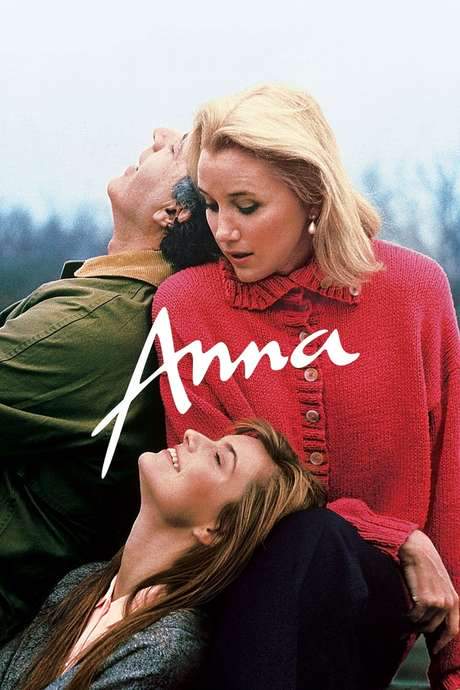
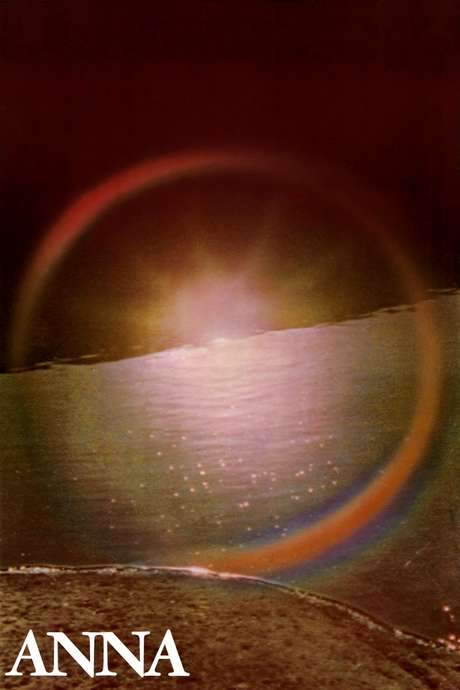
Anna and the Wolves (1973) movie poster

Timeline

Anna and the Wolves (1973) Timeline Explained – Every Event in Order

Release, runtime and language
1973 · 102 mins · Spanish
Directed by
Carlos Saura
Starring
Geraldine Chaplin, Fernando Fernán Gómez, Charo Soriano, Marisa Porcel, Rafaela Aparicio, José Vivó

The young but traveled Ana arrives in a manor in the countryside of Spain to work as nanny of three girls and finds a dysfunctional family.

On this page (5)
  1. 1 Events in order (12)
  2. 2 Timeline questions answered
  3. 3 Movie threads
  4. 4 Movies like Anna and the Wolves
  5. 5 Every angle

12 events in order · contains spoilers

Anna and the Wolves Timeline: Events in Chronological Order

Every key event of Anna and the Wolves (1973) in order, scene by scene, with when and where it takes place. Use it to untangle flashbacks, time jumps and parallel storylines, to refresh your memory before the sequel or to find the exact scene you are thinking of.

  1. Ana arrives at the estate

    Ana, a young governess from abroad, arrives at an isolated estate in Castile to look after three girls. She is greeted by the girls' mother, Luchy, who introduces her to the family setting. Ana begins unpacking and getting acquainted with her new environment.

    Where
    Castile estate
  2. Introduction of José and family

    José, the uncle of the girls, makes it clear he is the voice of authority and offers Ana guidance if she faces any problems. The family, composed of three brothers and their families, is introduced during a dinner gathering. Ana begins to learn about their eccentric personalities and family dynamics.

    Where
    Family estate
  3. Family dinner and family dynamics

    During the dinner, Ana observes the peculiar behaviors of the family members, including Juan's inappropriate behavior towards her and the siblings' individual quirks. The family’s eccentricities start to become evident as Ana begins navigating her role within their strange environment.

    Where
    Family estate dining room
  4. Nightmare and Juan's advances

    That night, Natalia wakes up screaming from a nightmare. Juan takes advantage of the situation to enter Ana's room, attempting to make sexual advances. Ana firmly but politely rejects his advances, which exposes Juan's uncontrollable lust and his search for comfort with a maid afterward.

    When
    Night
    Where
    Family estate
  5. Receiving erotic letters

    Ana begins to receive mysterious erotic letters signed by a secret admirer. The letters are sent with postage stamps from various distant places, each closer than the last, creating a sense of growing intimacy and suspense. José reveals he has opened and read the letters and suspects Juan is the sender using the family’s stamp collection.

    Where
    Family estate
  6. José's involvement and the museum

    José offers Ana protection and a small payment to take care of his military uniform collection, revealing his interest in setting up a small museum. This indicates José’s attempt to assert control and find purpose within the family environment. Ana begins to play along with some of the family’s fantasies.

    Where
    José's study
  7. Fernando’s mystical pursuits

    Fernando has moved out to a nearby cave where he practices mystical incantations and attempts to levitate, demonstrating his desire to escape the mundane world. Ana finds herself both intrigued and repelled by Fernando’s eccentric and mystical behavior, which reflects his longing for otherworldly freedom.

    Where
    Fernando's cave
  8. Family’s concern for Fernando

    The family, worried about Fernando’s health and eccentricity, visits his cave. They find him refusing to eat, and José forces food into his mouth. Ana notices Fernando has not actually swallowed the food, indicating his detachment from the physical world and his mystical rituals.

    Where
    Fernando's cave
  9. Incidents involving the children and Fernando

    The children find a missing doll with cut hair, blaming wolves. Ana reports the incident to Juan, who reveals Fernando’s obsession with hair and his possible involvement. Fernando’s strange behavior and obsession highlight the family’s underlying mental and emotional instability.

    Where
    Family estate
  10. Ana’s influence causes family distress

    Ana’s provocative leading of the three brothers creates tension and suspicion within the family. Luchy, overwhelmed, considers suicide as the family’s stability begins to crack under Ana’s presence and influence. Mama warns Ana to be more understanding of the family’s peculiarities.

    Where
    Family estate
  11. Family’s retaliatory attack on Ana

    As Ana tries to leave, the family members waylay her on the road. Fernando cuts off her hair, Juan forces himself on her sexually, and José points a gun at her head and shoots. These brutal acts mark the climax of her victimization and the family’s complete breakdown.

    Where
    Road outside estate
  12. Final close-up

    The film ends with a gruesome close-up of Ana’s agonized face, capturing her suffering and the brutal culmination of her experience with the family’s violence and chaos. The scene remains frozen, symbolic of her tragic fate.

    Where
    Road outside estate

Last updated: August 19, 2025 at 05:16

Was this helpful?

Timeline questions answered

Anna and the Wolves Timeline Explained: Your Questions Answered

When does it happen, and why in that order? The questions people ask about the chronology of Anna and the Wolves (1973): time jumps, flashbacks, cause and effect between scenes and the correct order of events, each answered with spoilers.

Q1

Why does José shoot Ana at the end?

José shoots Ana as the final act of the family's brutal retaliation against her. Throughout her stay, Ana has manipulated the household dynamics, provoking jealousy and tension among the three brothers. Mama has warned her to be more understanding of the family's peculiarities, but Ana's presence ultimately destabilizes the fragile family unity. When she attempts to leave, the brothers violently turn on her, Fernando cuts her hair, Juan rapes her, and José shoots her. The shooting represents the family's complete breakdown and their willingness to eliminate the source of their internal discord.

Foreshadowing: José earlier demonstrates his obsession with discipline and order through his military uniform collection and his willingness to use force (shooting at a bird to protect Ana), foreshadowing his ultimate act of violence.

  • josé shooting
  • ana's death
  • family violence
  • ending explained
Q2

Why does Fernando live in a cave?

Fernando has withdrawn from the family to live in a cave because he is deeply disconnected from the mundane world. He practices mystical incantations and claims to attempt levitation, representing his desire to escape the oppressive environment of the manor. His strange rituals fascinate Ana, who sees in him a longing for otherworldly freedom. The family visits the cave concerned about his health, and they force food into his mouth, but Ana notices he does not actually swallow, indicating his complete detachment from physical reality.

Foreshadowing: Fernando's mystical pursuits establish his status as the most eccentric and detached brother, foreshadowing his later violent act of cutting Ana's hair.

  • fernando cave
  • levitation
  • mystical rituals
  • fernando's isolation
Q3

Why does Fernando cut the doll's hair?

Fernando has a fetish for hair, which explains why he mutilates the doll by cutting off its hair. The children blame wolves for the incident, but Ana discovers the truth when she reports to Juan, who reveals Fernando's obsession. This disturbing detail illustrates the family's underlying mental and emotional instability, with each brother exhibiting their own form of psychological dysfunction.

Foreshadowing: This incident foreshadows Fernando's final act of cutting Ana's hair as she leaves the estate, showing the consistency of his obsession.

  • fernando hair fetish
  • doll hair cutting
  • fernando obsession
Q4

Who sends Ana the mysterious letters and why?

José reveals that Juan is the sender of the mysterious erotic letters, using the family's stamp collection to disguise the origin. The letters arrive with increasingly exotic postage from different distant locations, creating a sense of growing intimacy. José admits he has opened and read the letters, suggesting he has been monitoring Ana's correspondence. This revelation exposes both Juan's persistent desire for Ana despite her rejection and José's role as an observer who offers "protection" in exchange for her help with his military uniform collection.

Foreshadowing: Juan's earlier attempt to enter Ana's room at night establishes his intense desire for her, which the letters continue to manifest.

  • anonymous letters
  • juan stalker
  • stamp collection
  • ana's admirer
Q5

Why does Mama order Ana to leave the estate?

Mama orders Ana to leave because her presence has sown discord among the brothers and endangered the family's fragile stability. Ana has been manipulating the household dynamics, sometimes mocking the family's eccentricities while playing along with their fantasies. This has created tension, jealousy, and suspicion among the brothers. Luchy, overwhelmed by the chaos, even contemplates suicide. Mama, as the true matriarch, recognizes that Ana's continued presence will destroy the family unit and demands her departure.

Foreshadowing: Mama's earlier warnings to Ana about being more understanding of the family's peculiarities signal the growing threat she perceives from Ana's influence.

  • mama orders ana to leave
  • family break up
  • ana's dismissal
Q6

Why does Luchy contemplate suicide?

Luchy feels overwhelmed by the chaos that Ana's presence has created within the household. The tension among the brothers, driven by their competing desires and jealousy over Ana, becomes unbearable for her. She sees her family's stability crumbling and cannot cope with the dysfunction that Ana's manipulation has brought to the surface. Her contemplation of suicide highlights the psychological toll the household's dysfunction has on its members.

Foreshadowing: Luchy's vulnerability and the family's instability have been established from the beginning, with the household operating under a fragile facade of normalcy.

  • luchy suicide
  • family breakdown
  • overwhelmed wife
Q7

Why does Fernando cut Ana's hair at the end?

Fernando cuts Ana's hair as part of the family's coordinated attack when she tries to leave. This act stems from his documented fetish for hair, which was previously revealed when he mutilated the doll by cutting its hair. The assault represents the culmination of his psychological disturbance, and combined with Juan's rape and José's shooting, it demonstrates how each brother's specific dysfunction manifests in violence.

Foreshadowing: The earlier doll incident with the cut hair directly foreshadows this act, showing Fernando's obsession with hair culminating in violence against Ana herself.

  • fernando cuts hair
  • hair cutting assault
  • final attack explained
Q8

What happens to Ana at the end of the film?

At the end, as Ana attempts to leave the estate, she is attacked by all three brothers. Fernando cuts off her hair, Juan rapes her, and José shoots her in the head. The film freezes on a close-up of Ana's agonized face, capturing her extreme suffering. This brutal climax represents the family's complete breakdown and their violent rejection of the woman who destabilized their household. The freeze-frame symbolizes her tragic fate, there is no escape, no redemption, only suffering.

Foreshadowing: The family's violent retaliation was foreshadowed by Mama's warning that Ana should be more understanding of the family's peculiarities and her order for Ana to leave.

  • anna dies
  • ending scene
  • ana's death
  • freeze frame
  • brutal ending
Q9

Why does Juan rape Ana at the end?

Juan rapes Ana as part of the family's violent retaliation when she tries to leave. Throughout the film, Juan has demonstrated uncontrollable lust, he attempted to enter Ana's room at night, sought comfort with the maid Amparo after being rejected, and sent her erotic letters. His inability to suppress his passions, combined with the jealousy and chaos Ana's presence has caused, culminates in this brutal assault. The rape represents the ultimate expression of the family's depravity and their response to the disruption Ana caused.

Foreshadowing: Juan's earlier inappropriate behaviors, entering her room at night, his obsession with Ana, and his secret letters, establish his inability to control his desires.

  • juan rape
  • sexual assault
  • ending violence
  • family attack explained
Q10

Why does Ana come to work at the estate?

Ana arrives at the remote Castile estate as a young foreign governess hired to care for three young girls. She is greeted warmly by Luchy, the girls' mother. From the beginning, she encounters the family's eccentric dynamics, with José warning her to come to him if she encounters any issues. Her role as caretaker positions her within the household's toxic environment, and her presence gradually destabilizes the already fragile family dynamics.

Foreshadowing: José's early offer of protection hints at the danger lurking within the household, suggesting the family's dysfunction will affect Ana.

  • governess job
  • ana arrives
  • nanny position
  • estate hired
Q11

Why does José offer Ana protection and payment for his collection?

José offers Ana protection from Juan's advances and a small payment to take care of his military uniform collection, which he hopes to display in a small museum. This reveals José's dual nature, he positions himself as the voice of order and authority while also exploiting Ana's vulnerable situation. By offering "protection," he creates dependency while gaining help with his obsession. The military uniforms represent his own fixation on discipline and control, contrasting with the chaos his brothers represent.

Foreshadowing: José's shooting at a bird to protect Ana demonstrates his willingness to use force, foreshadowing his ultimate violent act.

  • josé uniform collection
  • protection offer
  • museum plan
  • control obsession

Movie threads

More Movies Like Anna and the Wolves, by Mood & Story

Curated lists built around what makes Anna and the Wolves tick: the same mood, the same kind of story or the same emotional payoff. Each list explains why these movies belong together.

Tales of claustrophobic family horror like Anna and the Wolves

Stories where a household becomes a cage of psychological terror. If you liked the oppressive atmosphere and familial terror of Anna and the Wolves, you'll find more movies like it here. This collection features dramas and thrillers where a home becomes a psychologically dangerous environment, focusing on dark family secrets and power struggles.

  • claustrophobic
  • oppressive
  • unsettling
  • dark
  • psychological
  • familial dysfunction
  • Tone: dark, oppressive, unsettling
  • Pacing: slow, deliberate
Why these movies?

The story pattern: These narratives often involve an outsider entering a dysfunctional family unit, only to be slowly suffocated by its dark secrets and perverse dynamics. The story builds towards a climax where the domestic setting, meant to be safe, becomes the site of trauma and violence.

Why they belong together: Movies are grouped here for their shared theme of domestic entrapment and the specific horror that arises from familial relationships. They share a dark, oppressive tone and a focus on psychological manipulation over overt scare tactics.

Movies with slow-burn psychological dread like Anna and the Wolves

Atmospheric films where tension simmers until a brutal climax. For viewers seeking movies like Anna and the Wolves that create a similar feeling of creeping unease. This thread features films with slow pacing, a heavy, atmospheric mood, and a narrative that builds towards a bleak and impactful conclusion.

  • slow burn
  • atmospheric
  • suspenseful
  • grim
  • melancholic
  • unsettling
  • Tone: atmospheric, grim, bleak
  • Pacing: slow, atmospheric
Why these movies?

The story pattern: The narrative pattern is one of gradual descent. A sense of wrongness is established early and meticulously amplified through subtle cues, unsettling dialogue, and a constrained setting. The plot avoids major twists, instead focusing on the inevitable march toward a tragic, often violent, culmination.

Why they belong together: These films are united by their pacing and emotional trajectory. They prioritize atmospheric tension over plot speed, creating a heavy, immersive experience that culminates in a powerful and usually bleak emotional release.

If you liked this

Movies Like Anna and the Wolves

Similar movies to Anna and the Wolves: the same genre, themes or kind of story. Each one comes with its own plot summary, timeline and ending explained.

Browse all movie summaries

Every angle

Anna and the Wolves (1973) Explained: Plot, Timeline & Characters

Everything about Anna and the Wolves in one place: what happens in the plot summary, the timeline in chronological order, the characters and meaning and a spoiler-free summary. What's After the Movie adds the cast, box office and post-credit scenes.

Coming soon on iOS and Android

The Plot Explained Movie Summary App

Plot summaries, endings explained and timelines on your phone. Catch up on any movie in minutes, save your favorites and never miss a twist again.

Be the first to know when we launch. Your email stays private, always.

Learn more about the app