Plot Explained Spoilers guaranteed!
Plot Explained

Browse by genre

All That I Love (2009) movie poster

Timeline

All That I Love (2009) Timeline Explained – Every Event in Order

Release, runtime and language
2009 · 95 mins · Polish
Directed by
Jacek Borcuch
Starring
Andrzej Chyra, Marek Kalita, Mateusz Banasiuk, Katarzyna Herman, Maciej Nawrocki, Zygmunt Malanowicz

Four friends—Janek and Staszek, the sons of a navy officer, rebellious Kazik, and wealthy Diabel—band together to form a punk group amid nationwide workers’ protests. As they rehearse and chase their musical dream, the political unrest and outside perceptions infiltrate their disparate lives, testing loyalty and ambition.

On this page (5)
  1. 1 Events in order (12)
  2. 2 Timeline questions answered
  3. 3 Movie threads
  4. 4 Movies like All That I Love
  5. 5 Every angle

12 events in order · contains spoilers

All That I Love Timeline: Events in Chronological Order

Every key event of All That I Love (2009) in order, scene by scene, with when and where it takes place. Use it to untangle flashbacks, time jumps and parallel storylines, to refresh your memory before the sequel or to find the exact scene you are thinking of.

  1. Janek starts a band amid Solidarity in a coastal city

    In a Polish coastal city, Janek is a young musician navigating the rising wave of Solidarity. He forms a punk-influenced band and uses his father's position in the local military police to secure rehearsal space. The tense political climate of protests and martial law looms over their daily life.

    When
    early 1980s
    Where
    coastal city, Poland
  2. Father's leverage secures rehearsal space

    Janek's father uses his official role to grant access to the officer's hall for band practice, enabling the young musicians to rehearse. This privilege creates a moral tension for Janek, who benefits from but resents ties to the state. The band's early sessions become a delicate dance between rebellion and complicity.

    When
    early 1980s
    Where
    police barracks, officer's hall
  3. Basia's disapproval and family politics

    Basia, the daughter of an active Solidarity member, initially forbids seeing Janek because of his father's government ties. Their romance is kept secret, shadowed by political lines between their families. The tension between loyalty and love tests their relationship from the start.

    When
    early 1980s
    Where
    Basia's home
  4. Secret meetings fuel a growing romance

    Janek and Basia continue to meet in hidden spots around the city, and their relationship deepens despite the dangerous climate. The romance becomes a catalyst for Janek to pursue wider recognition through music. He writes new songs with a political edge as their bond grows.

    When
    early 1980s
    Where
    secret locations around the city
  5. Demos submitted to a prestigious summer festival

    Inspired by his romance and the desire to speak louder, Janek sends demos to a prestigious Polish summer music festival. The act marks a bold step toward national exposure, despite the risk of censorship. Basia supports his dream, even as the political climate remains tense.

    When
    summer (early 1980s)
    Where
    festival submission office
  6. Selected to perform at the summer festival

    The festival selects Janek to perform, elevating his hopes of giving his lyrics a national stage. He prepares to present a set that could carry political messages beyond his coastal city. The moment bridges personal ambition with a collective desire for change.

    When
    summer
    Where
    festival venue
  7. Censorship blocks the politically charged lyrics

    Attempting to pass the lyrics past the state censor, Janek's plan backfires. The censor blocks his performance, and he is forbidden from playing the politically charged songs at the festival. The rejection underscores the tight grip on artistic expression.

    When
    summer
    Where
    state censorship office / festival stage
  8. Authorities press on and the band adapts

    In the days after the censorship, Janek and his band face ongoing pressure from authorities who seek to limit their voice. They continue to rehearse in secret and seek ways to stay true to their message without inviting retaliation. The atmosphere around them grows more vigilant as protests intensify in the city.

    When
    late 1981
    Where
    city rehearsal spaces
  9. End-of-year concert as a turning point

    As the school year nears its end, Janek prepares for a performance at a student gathering. The censor arrives at the event with attempts to silence him, turning the concert into a tense moment of political confrontation. The audience senses the stakes and rallies around the message of solidarity.

    When
    end of year (1981/1982)
    Where
    school auditorium
  10. The censor's personal intervention ignites a Solidarity moment

    The censor's personal appearance to shut down Janek's set backfires as students and peers react with solidarity. The performance shifts from a controlled recital to a spontaneous celebration of Solidarity among the youth. The auditorium becomes a space of collective voice rather than suppression.

    When
    end of year
    Where
    school auditorium
  11. Solidarity music wins a quiet victory

    Even if the authorities try to restrict it, Janek's songs carry a message beyond the stage. The crowd's response and the symbolism of Solidarity reinforce the power of youth-led activism. Basia and Janek realize the impact their relationship and art can have on their community.

    When
    end of year
    Where
    school auditorium / city
  12. Aftermath: personal tensions linger

    The events leave a lasting impact on Janek, Basia, and their families. His musical voice becomes a living symbol of Solidarity, while his father's police role continues to complicate their relationship. The youth celebration marks only the beginning of ongoing political struggle.

    When
    1981-1982
    Where
    coastal city

Last updated: February 17, 2026 at 19:56

Was this helpful?

Timeline questions answered

All That I Love Timeline Explained: Your Questions Answered

When does it happen, and why in that order? The questions people ask about the chronology of All That I Love (2009): time jumps, flashbacks, cause and effect between scenes and the correct order of events, each answered with spoilers.

Q1

Why does Basia's family oppose her relationship with Janek?

Basia's father is an active member of Solidarity, the workers' union fighting against the communist government. Janek's father, on the other hand, works as an official in the military police, the very institution enforcing state control. This places Janek on the opposite side of the political divide from Basia's family, making their relationship politically treacherous. Her mother, Sokołowska, adds further pressure against the match.

Foreshadowing: Early in the film, Basia forbids seeing Janek explicitly because of his father's government ties, establishing the political barrier between them.

  • Basia Janek relationship
  • Solidarity
  • family opposition
  • political divide
Q2

How does Janek get access to rehearsal space in the police barracks?

Janek's father, an officer in the local military police, uses his official position to secure the officer's hall in the police barracks for the band's rehearsals. This gives the young musicians a rare safe space to practice, but creates a deep moral contradiction for Janek, he benefits from the very state apparatus his music opposes.

Foreshadowing: The band's rehearsal space is introduced early as a privilege that comes directly from Janek's father's role, establishing the central tension of complicity versus rebellion.

  • rehearsal space
  • police barracks
  • Janek father
  • moral tension
Q3

What happens when the censor blocks Janek's festival performance?

Janek submits demos to a prestigious Polish summer music festival featuring politically charged lyrics about repression and solidarity. The state censor reviews the material and forbids Janek from performing those songs at the festival, effectively silencing his political message. This rejection marks a turning point where the band's artistic ambitions collide directly with state control.

Foreshadowing: Earlier scenes show Janek writing new songs with explicit political themes, building toward the confrontation with censorship.

  • censorship
  • festival
  • lyrics
  • state suppression
Q4

How does the end-of-year concert become a spontaneous Solidarity celebration?

The censor personally arrives at the school auditorium to shut down Janek's performance before his classmates. Instead of intimidating the crowd, this intervention sparks the students to rally around Janek and his message. The controlled event transforms into an impromptu youth celebration of Solidarity, with the audience joining in to defy the authorities.

Foreshadowing: The buildup shows the tense preparation for this concert, with Janek knowing the censor would attempt to silence him.

  • end-of-year concert
  • censor
  • spontaneous protest
  • school auditorium
Q5

Why is the ending considered bittersweet?

Janek is forbidden from playing his politically charged songs at the festival, representing a clear loss. However, the end-of-year concert becomes a defiant victory where the crowd spontaneously celebrates Solidarity, giving Janek's message a different kind of platform. The film balances this partial triumph with the ongoing political struggle and personal tensions that remain unresolved.

Foreshadowing: The meta notes establish the tone as bittersweet from the start, setting expectations for an ending that offers hope tempered by loss.

  • bittersweet ending
  • victory
  • loss
  • Solidarity celebration
Q6

What role does the Solidarity movement play in the story?

Solidarity provides the political backdrop that shapes every relationship and decision in the film. The movement's rise in 1980s Poland creates the ideological division between Janek's police-connected family and Basia's activist family. Their punk music becomes a vehicle for expressing solidarity with the workers' cause, while the state sees their art as a direct threat requiring censorship.

Foreshadowing: The film opens with the early days of Solidarity, martial law, and street protests visibly shaping daily life in the coastal city.

  • Solidarity movement
  • 1980s Poland
  • political unrest
  • workers protests
Q7

How does state censorship impact the band's future?

After the censor blocks Janek's festival performance, authorities continue pressuring the band. They are forced to rehearse in secret and find ways to express their message without inviting further retaliation. The censorship drives the story toward the climactic end-of-year concert while showing how the political climate limits artistic freedom.

Foreshadowing: Timeline events show the band adapting by continuing secretly after the festival rejection, demonstrating resilience under pressure.

  • censorship
  • authorities
  • band pressure
  • secret rehearsals
Q8

What motivates Janek to pursue national recognition through music?

Janek's growing relationship with Basia serves as the catalyst for his ambition. Their secret meetings and deepening romance inspire him to channel his emotions into songs that speak louder about the political situation. He wants to give his lyrics about repression and solidarity a national platform beyond their coastal city.

Foreshadowing: The timeline shows Janek writing new politically-edged songs specifically after his romance with Basia develops.

  • Janek ambition
  • festival
  • lyrics
  • political message
Q9

Why do Janek and his friends form a punk band during this period?

The four friends, Janek, Staszek, Kazik, and Diabel, form a punk-influenced band as an outlet for their youthful energy and rebellion against the oppressive political climate. Punk music becomes their voice amid the nationwide workers' protests, allowing them to express frustration with authority while chasing their shared musical dream.

Foreshadowing: The opening establishes Janek as a young musician navigating the rising wave of Solidarity and wanting to form a band.

  • punk band
  • friendship
  • rebellion
  • youth culture

Movie threads

More Movies Like All That I Love, by Mood & Story

Curated lists built around what makes All That I Love tick: the same mood, the same kind of story or the same emotional payoff. Each list explains why these movies belong together.

Coming of Age in a Restrictive Society like in All That I Love

Stories of young people finding their voice against a backdrop of political oppression. If you enjoyed the defiant youthful spirit of All That I Love, explore more movies about characters finding their voice against a backdrop of political oppression. These films blend personal growth with societal conflict for a powerful, bittersweet experience.

  • defiant
  • youthful
  • rebellious
  • hopeful
  • melancholic
  • tense
  • Tone: bittersweet, defiant
  • Pacing: steady, character-driven
Why these movies?

The story pattern: These narratives follow young protagonists who use art, music, or personal rebellion as a form of protest. The conflict arises from the clash between their emerging identities and the rigid expectations of an authoritarian society, often resulting in a journey of self-discovery tinged with sacrifice.

Why they belong together: Movies in this thread share a core focus on the intersection of youthful passion and political resistance. They are united by a bittersweet tone, medium emotional weight, and the recurring theme of art as an act of defiance.

Movies about Art as Rebellion like All That I Love

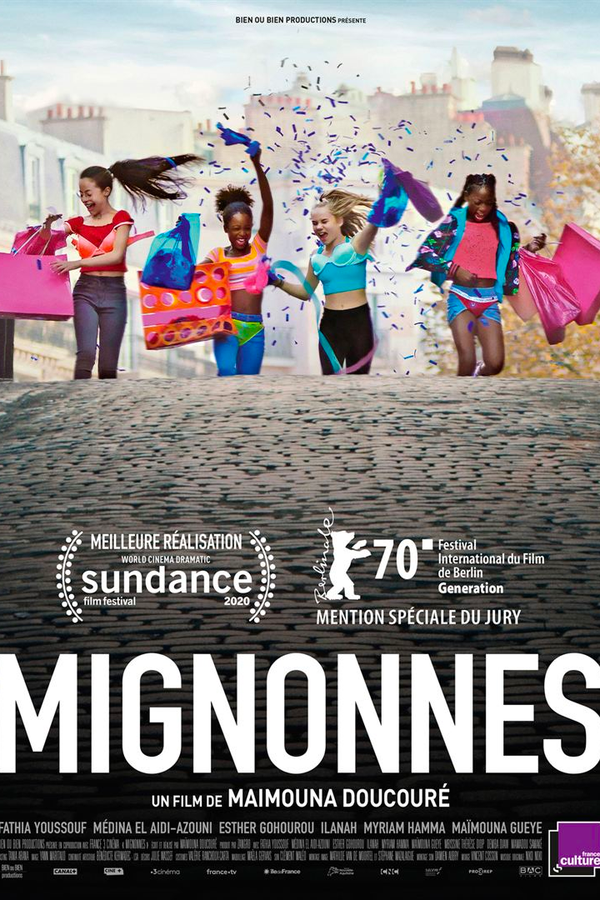
Films where forming a band or creating art becomes an act of defiant solidarity. Fans of the punk band's journey in All That I Love will enjoy these movies about artistic expression as an act of defiance. Discover similar stories where music, art, and friendship collide with political or social pressures.

  • rebellious
  • hopeful
  • tense
  • nostalgic
  • defiant
  • youthful
  • Tone: defiant, bittersweet
  • Pacing: steady, focused on creative process
Why these movies?

The story pattern: The plot revolves around a collective artistic endeavor—like starting a band—that serves as a central metaphor for resistance and camaraderie. The narrative explores the challenges of maintaining creative integrity and group solidarity in the face of disapproval, censorship, or personal conflict.

Why they belong together: These films are grouped by their shared 'art as resistance' theme, a steady pace driven by artistic process, and a mix of defiant and nostalgic moods. They capture the specific energy of a creative project uniting people against a common challenge.

If you liked this

Movies Like All That I Love

Similar movies to All That I Love: the same genre, themes or kind of story. Each one comes with its own plot summary, timeline and ending explained.

Browse all movie summaries

Every angle

All That I Love (2009) Explained: Plot, Timeline & Characters

Everything about All That I Love in one place: what happens in the plot summary, the timeline in chronological order, the characters and meaning and a spoiler-free summary. What's After the Movie adds the cast, box office and post-credit scenes.

Coming soon on iOS and Android

The Plot Explained Movie Summary App

Plot summaries, endings explained and timelines on your phone. Catch up on any movie in minutes, save your favorites and never miss a twist again.

Be the first to know when we launch. Your email stays private, always.

Learn more about the app