Plot Explained Spoilers guaranteed!
Plot Explained

Browse by genre

Actors and Sin (1952) movie poster

Timeline

Actors and Sin (1952) Timeline Explained – Every Event in Order

Release, runtime and language
1952 · 82 mins · English
Starring
Betty Field, John Crawford, Edward G. Robinson, Eddie Albert, Dan O'Herlihy, Marsha Hunt

When the greasepaint comes off, the film follows two intertwined tales. The first tracks a washed‑up Broadway actor struggling with his fiercely independent daughter, who has eclipsed him in fame. The second follows a literary agent whose latest client is a nine‑year‑old author of a controversially explicit book.

On this page (5)
  1. 1 Events in order (14)
  2. 2 Timeline questions answered
  3. 3 Movie threads
  4. 4 Movies like Actors and Sin
  5. 5 Every angle

14 events in order · contains spoilers

Actors and Sin Timeline: Events in Chronological Order

Every key event of Actors and Sin (1952) in order, scene by scene, with when and where it takes place. Use it to untangle flashbacks, time jumps and parallel storylines, to refresh your memory before the sequel or to find the exact scene you are thinking of.

  1. Marcia Tillayou found shot dead in New York City apartment

    Broadway star Marcia Tillayou is discovered shot in her apartment in New York City, kicking off the narrative with a high-profile murder. The event casts a shadow over the theater world that celebrated her rise and foreshadows the moral implications the film will explore. The investigation and public reaction highlight the fragility beneath her glossy public image.

    Where
    Marcia Tillayou's apartment, New York City
  2. Marcia's ascent and the cost of fame

    The Actor's Blood section follows Marcia's ascent in legitimate theater as she earns acclaim and attention. Her father Maurice watches his own career decline alongside hers, underscoring the personal toll of success. As Marcia's star rises, she alienates critics, fans, producers, and her playwright husband, hinting at the future tragedy.

    Where
    New York City theater circuit
  3. Maurice Tillayou's fading career

    Maurice, also an actor, experiences his own professional decline as his daughter's fame grows. His perspective reveals the generational and competitive strains in show business. The subplot emphasizes how personal ambition can erode family bonds.

    Where
    New York City
  4. Recent stage flops foreshadow tragedy

    The summary notes that Marcia had several recent stage flops before her murder, signaling vulnerability beneath public triumph. These failures contribute to the sense that external success does not shield her from personal and professional peril. The juxtaposition with her earlier achievements deepens the satire on the industry.

    Where
    New York City theater
  5. Daisy Marcher writes Woman of Sin

    In Hollywood, Daisy Marcher crafts a screenplay titled Woman of Sin, which becomes a focal point of the second act. The script embodies the film's satirical take on Hollywood's temptations and greed. Daisy's creation begins the chain of events that leads to mogul interest later in the plot.

    Where
    Hollywood
  6. Orlando Higgens receives Daisy's calls

    Orlando Higgens, a dishonest writers' agent, starts receiving frantic calls from Daisy about her screenplay. He initially dismisses the calls, failing to recognize potential significance. The scene sets up the tension between exploitation and artistic intent within the industry.

    Where
    Higgens's office, Hollywood
  7. Mail mixup delivers the script to J.B. Cobb

    Due to a mail mixup, Daisy's screenplay ends up with film mogul J.B. Cobb, who has a history of passing on major projects. The mistake places the script in the hands of someone who could dramatically alter its fate. The moment marks a turning point in the Hollywood plotline.

    Where
    Hollywood
  8. Cobb assumes Higgens sent the script

    Cobb believes the screenplay came from Higgens, adding misattribution to the web of deception. This misunderstanding fuels the investor's interest and complicates the creator's true origin. The error underscores how appearances can drive decisions in the industry.

    Where
    Hollywood
  9. Higgens is offered a lucrative rights deal

    Higgens is offered a large sum for the rights to Woman of Sin, highlighting the industry’s greed and willingness to profit from a project's potential. The deal proceeds without fully verifying the author, which mirrors the broader critique of Hollywood practices. The moment elevates the tension between money and integrity.

    Where
    Higgens's office, Hollywood
  10. Higgens unaware of Daisy's location and age

    The summary notes that Higgens does not know where Daisy is or that she is a nine-year-old child. This ignorance reveals the moral hazards of handling someone else’s work for profit without proper context. The element adds a layer of ethical critique to the plot.

    Where
    Hollywood
  11. Two-part structure and its thematic contrast

    The film is divided into Actor's Blood and Woman of Sin, juxtaposing the theater world's morality with Hollywood greed. This structure shapes the narrative by alternating between two ecosystems of ambition and corruption. The contrast reinforces the satirical message about the entertainment industry.

    Where
    Film-world structure (New York and Hollywood)
  12. Marcia's murder as the central catalyst

    Marcia Tillayou's murder serves as the dramatic catalyst that ties the theater satire to the Hollywood exposé. The event motivates characters' actions and underscores the consequences of ambition. The dual threads converge as the narrative moves into the Hollywood subplot.

    Where
    New York City
  13. Daisy's baby-writer vulnerability highlighted

    The Daisy subplot emphasizes exploitation risks in which a child writer becomes a pawn for profit. The summary presents a tension between creative innocence and commercial manipulation within Hollywood. This theme anchors the critique of the industry’s appetite for lucrative ideas.

    Where
    Hollywood
  14. Open-ended conclusion about Daisy's fate

    The summary concludes with Higgens's ignorance about Daisy's whereabouts and her true age, leaving questions about control of the screenplay and the writer's identity. The open-ended notes contribute to the film's satirical tone about truth and power in entertainment. The ending emphasizes ambiguity over moral clarity.

    Where
    Hollywood

Last updated: February 24, 2026 at 10:04

Was this helpful?

Timeline questions answered

Actors and Sin Timeline Explained: Your Questions Answered

When does it happen, and why in that order? The questions people ask about the chronology of Actors and Sin (1952): time jumps, flashbacks, cause and effect between scenes and the correct order of events, each answered with spoilers.

Q1

Why is Marcia Tillayou killed in the film?

Marcia Tillayou is found shot dead in her New York City apartment. The film suggests her ambition and success alienate critics, fans, producers, and her playwright husband, creating enemies. While the exact perpetrator isn't fully detailed in the summary, her murder represents the tragic consequence of a career built under intense public scrutiny and personal rivalries in the theater world.

Foreshadowing: Earlier scenes show Marcia's rising fame comes at the cost of relationships with key people who control her professional fate.

  • marcia tillayou murder
  • broadway star death
  • actor's blood plot
Q2

Why does Maurice Tillayou struggle with his daughter's success?

Maurice Tillayou is himself a once-thriving Broadway actor whose career has faded as his daughter Marcia's star rises. He experiences a painful reversal of fortune, watching her eclipse him in fame while he faces stage flops and declining relevance. This creates tension between pride in her achievement and resentment at being overshadowed in his own field.

Foreshadowing: The film establishes early that success in theater can sour relationships with those who shape a show's fate.

  • maurice tillayou
  • father daughter conflict
  • broadway rivalry
Q3

How does Daisy Marcher's screenplay reach J.B. Cobb?

A mail mixup causes Daisy's screenplay 'Woman of Sin' to be delivered to film mogul J.B. Cobb instead of going through proper channels. The disreputable agent Orlando Higgens had been receiving frantic calls from the nine-year-old Daisy but dismissed them. Due to the mixup, Cobb receives the script believing it came from Higgens, setting off the Hollywood plotline.

Foreshadowing: Orlando Higgens ignores Daisy's repeated calls, establishing the chain of miscommunication that leads to the mixup.

  • woman of sin screenplay
  • mail mixup
  • jb cobb
  • daisy marcher
Q4

Why does J.B. Cobb want to buy the Woman of Sin script?

J.B. Cobb, a powerful Hollywood producer, becomes interested in the script because he once rejected a famous project on someone else's counsel and later regretted it. Seeing 'Woman of Sin' fall into his hands, he views it as an opportunity to prove his judgment and make a profitable deal. The film uses this to satirize how Hollywood executives make decisions based on ego and past mistakes rather than genuine artistic merit.

Foreshadowing: Cobb's history of passing on major projects is established before the script arrives, showing his vulnerability to second-guessing.

  • jb cobb
  • hollywood producer
  • screenplay deal
  • film industry satire
Q5

What is the connection between the two storylines in the film?

The film is structured as a double feature: 'Actor's Blood' set in New York Broadway and 'Woman of Sin' set in Hollywood. Both narratives explore the entertainment industry's corruption, greed, and moral decay from different angles, theater world versus film world. Marcia's murder in New York serves as the dramatic catalyst that ties to the broader satirical theme, while the Hollywood storyline extends the critique through the misattributed screenplay.

Foreshadowing: The narrator's voice guides viewers through both moral currents, linking them thematically despite geographic separation.

  • double feature
  • actor's blood woman of sin
  • dual narrative structure
Q6

Why doesn't Orlando Higgens know Daisy is a nine-year-old child?

Orlando Higgens is a disreputable agent who dismisses Daisy's frantic calls about her screenplay as unimportant. He never verifies her identity, age, or location, instead treating the situation purely as a potential profit opportunity. When the script reaches Cobb due to the mail mixup, Higgens simply goes along with the assumed deal without disclosing that the actual writer is a child he never properly contacted.

Foreshadowing: Higgens is established as dishonest and inattentive to his clients' actual needs from his first scenes.

  • orlando higgens
  • daisy marcher child writer
  • hollywood exploitation
Q7

Why does Marcia alienate her playwright husband?

Marcia Tillayou's intense ambition and rising fame create distance between her and her playwright husband. As her star rises on the Broadway circuit, she becomes increasingly focused on success and fame, which strains her personal relationships. The film suggests that her single-minded pursuit of recognition ultimately undermines the very relationships that could sustain her, including her marriage.

Foreshadowing: The summary notes she alienates critics, fans, producers, and her husband as her career advances.

  • marcia husband
  • playwright marriage
  • broadway ambition
Q8

What does the film criticize about the entertainment industry?

The film serves as a satirical critique of both Broadway and Hollywood, attacking how ambition corrupts judgment, how success damages relationships, and how the industry prioritizes profit over artistic integrity. It shows producers and agents exploiting creators, executives making reckless decisions based on ego, and the system consuming talented people like Marcia while rewarding opportunists like Higgens.

Foreshadowing: Both storylines feature characters navigating systems driven by greed, vanity, and questionable ethics.

  • hollywood satire
  • broadway criticism
  • entertainment industry corruption
Q9

Why does Marcia Tillayou's murder remain unresolved in the film?

The film concludes with Marcia's murder serving as a catalyst for exploring the theater world's moral decline rather than providing a detective-story resolution. Her death highlights the dangerous consequences of the competitive, cutthroat environment the film satirizes. The open-ended nature reinforces the film's theme that the entertainment industry can elevate and destroy talent without meaningful accountability.

Foreshadowing: The narrative frames her death as a moral turning point rather than a mystery to solve.

  • marcia tillayou death plot
  • broadway murder ending
  • film conclusion ambiguity
Q10

What happens to the Woman of Sin screenplay by the film's end?

By the film's end, Orlando Higgens is offered a lucrative deal for the rights to Woman of Sin, but the situation remains unresolved. Higgens doesn't know Daisy's true location or age, leaving questions about who truly controls the screenplay's fate. The open-ended conclusion emphasizes the film's satirical tone about truth and power in Hollywood, deals happen while the actual creator remains invisible.

Foreshadowing: The initial call about the script's ownership establishes that proper attribution never occurs.

  • woman of sin rights
  • screenplay ownership
  • hollywood deal ending

Movie threads

More Movies Like Actors and Sin, by Mood & Story

Curated lists built around what makes Actors and Sin tick: the same mood, the same kind of story or the same emotional payoff. Each list explains why these movies belong together.

Showbiz satires with witty cynicism like Actors and Sin

Witty stories lampooning the vanity and artifice of the entertainment world. For viewers who enjoyed the theatrical lampooning in Actors and Sin, this section features movies that similarly skewer the worlds of Hollywood, Broadway, and the literary scene. Discover similar comedies and dramas about fame, failure, and the clash between art and commerce.

  • satirical
  • witty
  • theatrical
  • playful
  • cynical
  • backstage
  • Tone: whimsical, cynical
  • Pacing: steady, dialogue-driven
Why these movies?

The story pattern: These narratives often follow characters—actors, writers, agents—grappling with the ridiculous demands of their industry. Plots revolve around misunderstandings, professional jealousy, and the chasm between public persona and private self, usually resolved with a dose of ironic comeuppance or farcical chaos.

Why they belong together: They are grouped by their shared satirical target—the entertainment industry—and a tone that is more playful and biting than tragic. The pacing is conversational and steady, driven by witty dialogue and character interactions rather than high-stakes action.
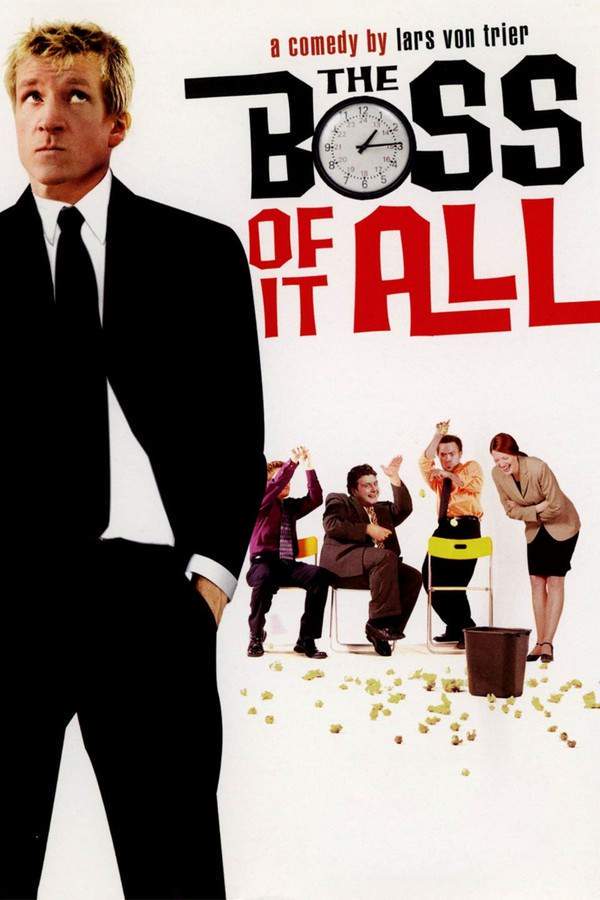
Movies with interwoven tales and a bittersweet feel like Actors and Sin

Playfully bittersweet stories where separate fates amusingly collide. If you liked the intersecting stories and playful yet poignant tone of Actors and Sin, explore this collection of films. These movies feature multiple narrative threads, a steady pace, and a unique blend of comedy and drama that finds humor in human flaws without becoming too heavy.

  • bittersweet
  • interwoven
  • tragicomic
  • playful
  • character-driven
  • ironic
  • Tone: bittersweet, whimsical
  • Pacing: steady, meandering
Why these movies?

The story pattern: Stories in this thread typically follow two or more character arcs that run parallel, occasionally intersecting in surprising or ironic ways. The journey is less about epic resolution and more about the amusing, sometimes bittersweet observations of human nature, often concluding on an ambiguous or open-ended note.

Why they belong together: They share a specific tonal mix: a whimsical, almost farcical energy applied to stories that touch on failure and deception, balanced by a light emotional touch and steady pacing. The connection lies in the unique blend of narrative structure and a tone that is humorous yet perceptive.

If you liked this

Movies Like Actors and Sin

Similar movies to Actors and Sin: the same genre, themes or kind of story. Each one comes with its own plot summary, timeline and ending explained.

Browse all movie summaries

Every angle

Actors and Sin (1952) Explained: Plot, Timeline & Characters

Everything about Actors and Sin in one place: what happens in the plot summary, the timeline in chronological order, the characters and meaning and a spoiler-free summary. What's After the Movie adds the cast, box office and post-credit scenes.

Coming soon on iOS and Android

The Plot Explained Movie Summary App

Plot summaries, endings explained and timelines on your phone. Catch up on any movie in minutes, save your favorites and never miss a twist again.

Be the first to know when we launch. Your email stays private, always.

Learn more about the app