Plot Explained Spoilers guaranteed!
Plot Explained

Browse by genre

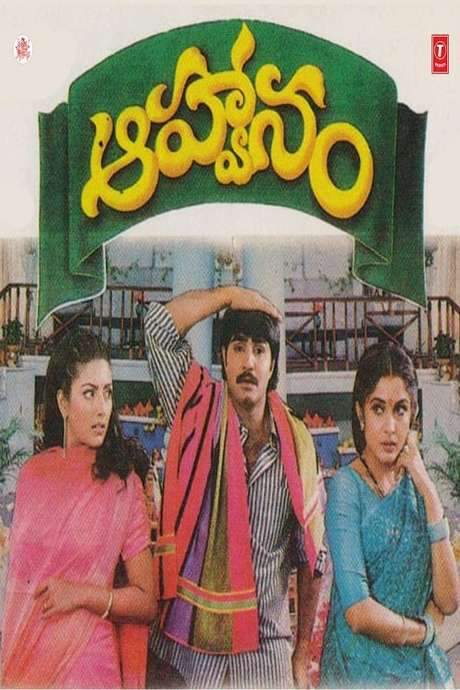
Aahwanam (1997) movie poster

Timeline

Aahwanam (1997) Timeline Explained – Every Event in Order

Release, runtime and language
1997 · 151 mins · Telugu
Loading streaming availability…
Directed by
S.V. Krishna Reddy
Starring
Ramya Krishnan, Brahmanandam, Ali Basha, Srikanth, Heera Rajgopal

A married man who prioritizes money over love and emotions is approached by a wealthy woman. To win her hand, he deceives her by claiming he is already divorced and sets out to obtain a legal divorce so he can marry the rich client. Unbeknownst to him, his own wife is plotting her own course.

On this page (5)
  1. 1 Where to watch
  2. 2 Events in order (12)
  3. 3 Timeline questions answered
  4. 4 Movie threads
  5. 5 Every angle
Loading streaming availability…

12 events in order · contains spoilers

Aahwanam Timeline: Events in Chronological Order

Every key event of Aahwanam (1997) in order, scene by scene, with when and where it takes place. Use it to untangle flashbacks, time jumps and parallel storylines, to refresh your memory before the sequel or to find the exact scene you are thinking of.

  1. Ravi's belief that money is everything

    Ravi Kumar embodies a mindset that money is the only thing that matters in life, even above family bonds and affection. He prioritizes wealth, status, and personal gratification over emotional connections. This worldview sets the stage for later choices that complicate his relationships.

  2. Village drama leads to marriage

    While in a village, Ravi performs a drama that captures Rajeswari's attention and charms her. The connection blossoms into an unexpected marriage with the traditional woman from a wealthy family. This marks the start of a seemingly happy partnership.

    Where
    village
  3. Happy years with Rajeswari

    Ravi and Rajeswari live seemingly happily for a while, with the expectations of wealth and tradition shaping their life. They share moments of companionship and mutual care. On the surface, their marriage appears stable even as Ravi's greed bleeds into daily life.

  4. Ravi meets Sireesha, the wealthier match

    Ravi encounters Sireesha, an even wealthier unmarried businesswoman, and she falls in love with him. He is drawn more to her money than to her as a person, chasing a bigger prize than his current marriage. The prospect threatens the foundation of his first relationship.

    Where
    city
  5. Ravi lies about his marital status

    To win Sireesha, Ravi tells her a story that he is married but recently divorced. He fabricates this past to appear eligible and trustworthy. The lie seeds the impending marital shake-up.

  6. Ravi files for divorce

    Driven by greed and a desire to marry into Sireesha's wealth, Ravi initiates divorce proceedings from Rajeswari. The revelation devastates Rajeswari, who longs to keep their family intact. The divorce becomes a turning point in everyone’s lives.

  7. Rajeswari defends her marriage

    Refusing to lose her husband, Rajeswari attempts to reform him through various means, hoping to restore his commitment. She confronts his choices, urging him to reconsider his priorities. The struggle underscores her devotion and the fragility of Ravi's greed.

  8. Divorce ceremony requested as grand affair

    Unable to win back Ravi through other efforts, Rajeswari insists that her divorce be conducted as grandly as her wedding, staging a visible ceremony to assert her dignity. The ritual emphasizes the sacredness of marriage in her eyes. The ceremony takes place in a traditional setting before a statue of the goddess Raja Rajeswari.

    Where
    in front of statue of Goddess Raja Rajeswari
  9. The ritual scene with the mangalsutra

    During the divorce ceremony, Rajeswari lights the yajna fire and lifts her hair, asking Ravi to remove the mangalsutra. This moment underscores the weight and symbolism of the sacred bond. Ravi feels the gravity of his broken vows and the price of his greed.

    Where
    ceremony site
  10. Ravi's vision of Durga

    As Ravi confronts the request to end his marriage, a vision arises: Goddess Durga sits where Rajeswari stands, brandishing a trident to signify divine judgment. The mangalsutra’s coincidence with Durga’s emblem intensifies the omen. The terrifying image forces Ravi to confront the sacred meaning of matrimony.

    Where
    ceremony site
  11. Realization and fear

    Terrified by the vision, Ravi realizes the sanctity of marriage and the consequences of his greed. He understands that love and commitment carry deeper weight than money alone. This epiphany marks a turning point in his attitude.

  12. Reconciliation: remarrying his wife

    Ravi apologizes to Rajeswari for his misdeeds and the hurt he has caused. She responds with grace by offering him a garland to remarry her, signaling forgiveness and a chance to rebuild their bond. The film ends with the prospect of renewed commitment and the restoration of family values.

Last updated: February 17, 2026 at 19:58

Was this helpful?

Timeline questions answered

Aahwanam Timeline Explained: Your Questions Answered

When does it happen, and why in that order? The questions people ask about the chronology of Aahwanam (1997): time jumps, flashbacks, cause and effect between scenes and the correct order of events, each answered with spoilers.

Q1

Why did Ravi file for divorce from Rajeswari?

Ravi filed for divorce because he wanted to marry Sireesha, a wealthier businesswoman he encountered. Though he already had a happy marriage with Rajeswari from a wealthy family, Ravi's belief that money is the most important thing in life drove him to pursue the even greater wealth that Sireesha possessed. He initiated divorce proceedings despite knowing it would devastate his wife.

Foreshadowing: Earlier, the film establishes Ravi's core belief that money matters more than family bonds, which foreshadows his willingness to abandon his wife for financial gain.

  • ravi kumar
  • divorce
  • sireesha
  • greed
  • money
  • motivation
Q2

Why did Ravi lie to Sireesha about being divorced?

Ravi lied to Sireesha about being recently divorced because he wanted to appear eligible to win her hand. He was primarily attracted to her wealth rather than to her as a person, so he fabricated a divorce story to make himself seem available. This lie was necessary for him to pursue the marriage without revealing he was already married.

Foreshadowing: Ravi's established character as someone who prioritizes money over honesty explains why deception seemed acceptable to him.

  • sireesha
  • lie
  • divorce
  • deception
  • ravi kumar
Q3

Why did Rajeswari agree to a grand divorce ceremony?

Rajeswari insisted on a grand divorce ceremony as her final condition after all other attempts to win back Ravi failed. She wanted to assert her dignity and the sacred significance of their marriage by conducting the divorce with the same formality as their wedding had. The elaborate ceremony took place in front of a statue of Goddess Raja Rajeswari, emphasizing her belief in the sanctity of marital bonds.

Foreshadowing: Throughout her efforts to change Ravi's mindset, Rajeswari consistently demonstrated her deep respect for marital traditions and her refusal to be discarded casually.

  • rajeshwari
  • divorce ceremony
  • goddess rajeswari
  • dignity
  • marriage
Q4

What caused Ravi to see the vision of Goddess Durga?

Ravi saw the vision of Goddess Durga during the divorce ceremony when Rajeswari lit the yajna fire, lifted her hair, and asked him to remove the mangalsutra. At that moment, the mangalsutra worn by Rajeswari appeared identical to the one worn by Goddess Durga in the statue behind her. This visual coincidence, combined with the sacred ritual context, triggered a supernatural vision where Rajeswari appeared as Durga threatening him with a trident.

Foreshadowing: The ceremony's setting in front of the Goddess Raja Rajeswari statue established the divine context that made the vision possible.

  • goddess durga
  • vision
  • mangalsutra
  • trident
  • supernatural
  • ravi kumar
Q5

Why was Ravi terrified by the vision of Goddess Durga?

Ravi was terrified because the vision represented divine judgment against his actions. Seeing his wife transformed into Goddess Durga, brandishing a trident, symbolized that his decision to divorce her for money was a grave sin against the sanctity of marriage. The trident represented punishment for breaking sacred vows, and the terrifying image forced him to confront the moral consequences of his greed.

Foreshadowing: The vision directly connected to the mangalsutra's religious significance as a sacred marriage symbol, reinforcing the divine stakes of his choice.

  • fear
  • divine judgment
  • trident
  • marriage sanctity
  • consequences
Q6

Why did Ravi decide to apologize and remarry Rajeswari?

Ravi decided to apologize and remarry Rajeswari because the terrifying vision of Goddess Durga made him realize the true importance and sanctity of marriage. He understood that love and commitment carry deeper weight than money alone. This spiritual awakening transformed his priorities, leading him to seek forgiveness and renew his vows to his wife.

Foreshadowing: The vision served as the climax that reversed Ravi's entire value system, showing that material wealth cannot justify breaking sacred bonds.

  • remarriage
  • apology
  • forgiveness
  • transformation
  • ravi kumar
  • rajeswari
Q7

How did Rajeswari react to Ravi's apology?

Rajeswari responded to Ravi's apology with grace and forgiveness. Despite his betrayal in filing for divorce to marry another woman, she offered him a garland as a symbol of acceptance and opportunity to remarry her. This act demonstrated her commitment to restoring their marriage and her willingness to give him a second chance.

Foreshadowing: Her earlier insistence on a grand ceremony, rather than a quiet divorce, showed her desire to maintain dignity while keeping the possibility of reconciliation alive.

  • rajeshwari
  • forgiveness
  • garland
  • reconciliation
  • marriage
Q8

What made Rajeswari finally accept the divorce?

Rajeswari finally accepted the divorce after exhausting all attempts to change Ravi's greedy mindset. When nothing she tried could convince him to value their marriage over Sireesha's wealth, she realized she could not force him to change. She agreed to the divorce but insisted on her terms, the grand ceremony, maintaining her dignity throughout the painful process.

Foreshadowing: Her earlier efforts to reform him through various methods established her as someone who fought for her marriage until she recognized it was hopeless.

  • rajeshwari
  • acceptance
  • divorce
  • defeat
  • dignity
Q9

Why did Ravi pursue Sireesha despite having a happy marriage with Rajeswari?

Ravi pursued Sireesha because his core belief system prioritized money above all else, including family ties and emotional connections. Even though his marriage to Rajeswari was happy and she came from a wealthy family, the prospect of Sireesha's greater wealth tempted him. His greed drove him to leave a stable relationship for the chance at more material gain.

Foreshadowing: The film's opening establishes Ravi's belief that money is everything, making his choice to chase greater wealth predictable despite the cost to his marriage.

  • sireesha
  • greed
  • wealth
  • ravi kumar
  • pursuit
Q10

What was the significance of the mangalsutra in the divorce ceremony?

The mangalsutra held deep symbolic meaning during the divorce ceremony. When Rajeswari asked Ravi to remove it, she was literally and symbolically ending their marital bond. The act of removing the sacred thread represented the severance of the marriage vows. The visual similarity between Rajeswari's mangalsutra and Goddess Durga's elevated this moment to a divine confrontation, making Ravi realize he was breaking something sacred.

Foreshadowing: The mangalsutra's religious significance as a blessed marriage symbol was established earlier in their wedding and daily married life.

  • mangalsutra
  • sacred thread
  • divorce
  • ceremony
  • symbolism
Q11

Why did Rajeswari light the yajna fire during the divorce ceremony?

Rajeswari lit the yajna fire to create a sacred and solemn atmosphere for ending her marriage. In Hindu tradition, fire rituals hold deep spiritual significance. By conducting the divorce through this religious ceremony rather than a legal procedure alone, she transformed what could be a shameful event into a dignified, spiritually meaningful act. The fire symbolized the divine witness to the dissolution of their marriage.

Foreshadowing: The choice to make the ceremony religious rather than merely legal reflected Rajeswari's traditional values and respect for sacred traditions.

  • yajna fire
  • ritual
  • ceremony
  • sacred
  • tradition

Movie threads

More Movies Like Aahwanam, by Mood & Story

Curated lists built around what makes Aahwanam tick: the same mood, the same kind of story or the same emotional payoff. Each list explains why these movies belong together.

Redemptive Romantic Comedies like Aahwanam

Lighthearted stories of flawed characters finding redemption through love. What to watch next if you liked Aahwanam. Here are movies with similar romantic plots featuring character redemption, moral conflict resolved through comedy, and lighthearted yet dramatic stories about marriage, deception, and personal growth.

  • redemptive
  • lighthearted
  • romantic
  • dramatic
  • moral conflict
  • whimsical
  • Tone: light, hopeful
  • Pacing: steady, linear
Why these movies?

The story pattern: The narrative follows a predictable but satisfying arc: a character pursues a selfish goal, often involving deception related to love or money, which creates a central conflict. A pivotal moment—sometimes whimsical, like a vision or intervention—prompts self-reflection. This leads to a redemption where the character chooses love and integrity over greed, culminating in a happy resolution that reaffirms positive values.

Why they belong together: These movies are grouped together because they share a unique blend of romantic comedy with a moral core. They maintain a light tone despite serious themes, feature steady pacing that builds to a clear climax, and always deliver a redemptive, feel-good conclusion. The focus is on personal transformation driven by love, not just romantic fulfillment.

Marriage Dramedies with Deception like Aahwanam

Comedies that explore marital deception with a steady, dramatic hand. Find more movies similar to Aahwanam. This list features lighthearted comedies about marriage crises, where deception drives the plot but the tone remains hopeful. If you enjoyed the blend of romantic drama and comedy centered on a couple's struggle, these films are for you.

  • marriage crisis
  • deception
  • dramatic
  • lighthearted
  • class and money
  • emotional manipulation
  • Tone: light, dramatic
  • Pacing: steady, methodical
Why these movies?

The story pattern: The plot revolves around a married couple facing a crisis, often instigated by one partner's deception for personal gain (usually wealth or status). This deception creates dramatic tension and moral conflict, explored with comedic elements. The story unfolds in a straightforward manner, building towards a climax that forces the deceptive character to confront their actions, leading to reconciliation and a reaffirmation of their bond.

Why they belong together: These films share a specific narrative structure focused on marital strife resolved through comedy. They balance lightheartedness with the genuine drama of a relationship in peril. The similarity lies in the central theme of deception within marriage, the steady pacing that methodically unravels the scheme, and the ultimately positive, relationship-affirming conclusion.

Every angle

Aahwanam (1997) Explained: Plot, Timeline & Characters

Everything about Aahwanam in one place: what happens in the plot summary, the timeline in chronological order, the characters and meaning and a spoiler-free summary. What's After the Movie adds the cast, box office and post-credit scenes.

Coming soon on iOS and Android

The Plot Explained Movie Summary App

Plot summaries, endings explained and timelines on your phone. Catch up on any movie in minutes, save your favorites and never miss a twist again.

Be the first to know when we launch. Your email stays private, always.

Learn more about the app