Year: 1961
Runtime: 117 mins
Language: English
Director: Vincent Sherman
Adapted from the bestselling novel, the 1961 drama follows a judge, a district attorney and a U.S. senator—each hoping to become governor—who manipulate a murder trial to further their political ambitions. Directed by Vincent Sherman, the film stars Efrem Zimbalist Jr., Don Ameche, Jack Kelly, Angie Dickinson, Herbert Marshall, Jesse White, Parley Baer, Carroll O’Connor, Ray Danton, Andra Martin, Rhodes Reason and Louise Lorimer.
Warning: spoilers below!
Haven’t seen A Fever in the Blood yet? This summary contains major spoilers. Bookmark the page, watch the movie, and come back for the full breakdown. If you're ready, scroll on and relive the story!
Explore the full timeline and setting of A Fever in the Blood (1961). Follow every major event in chronological order and see how the environment shapes the story, characters, and dramatic tension.
Last updated: March 05, 2026 at 18:27
Meet the key characters of A Fever in the Blood (1961), with detailed profiles, motivations, and roles in the plot. Understand their emotional journeys and what they reveal about the film’s deeper themes.
Last updated: March 05, 2026 at 18:27
Explore the central themes of A Fever in the Blood (1961), from psychological, social, and emotional dimensions to philosophical messages. Understand what the film is really saying beneath the surface.
Last updated: March 05, 2026 at 18:27
Browse frequently asked questions about A Fever in the Blood (1961) focused on characters, relationships, themes, symbols, setting, and story context. This movie info FAQ gives spoiler-aware explanations for character arcs, world details, and thematic interpretation so readers can better understand what the film is really about.
The story unfolds primarily at the opulent Thornwall Estate and within the city courtroom, moving between elite high-society circles and the legal system. This dual setting highlights how wealth and political influence intersect to shape justice in the film.
The film is set in the 1950s, during an election year in postwar America. This era frames the story's legal and political dynamics, emphasizing the role of ambition and media attention in shaping public outcomes.
The film explores how political ambition corrupts the pursuit of justice. District Attorney Dan Callahan's aggressive pursuit of conviction demonstrates how ambition distorts ethical judgment, turning the courtroom into a stepping stone for political advancement rather than a venue for truth.
The election-year context turns the murder trial into a vehicle for gubernatorial ambitions. Courtroom decisions become political stepping stones, with the case shaping who gets heard, what is suppressed, and how outcomes are celebrated or contested based on political gain.
Media attention and social perception become weapons in the power struggle between prosecution and the bench. The case unfolds as a theater of reputations where headlines shape public opinion and political futures, with conscience and character ultimately vying against spectacle.
Dan Callahan is the district attorney whose affable demeanor masks an aggressive hunger for conviction and political advancement. Under pressure from the Thornwall murder case, he becomes ruthless and vindictive, risking legal overreach in his bid to win and exposing the moral cost of ambition.
Judge Leland Hoffman is the steady, principled judge who believes in fair procedure. He faces the moral test of balancing the pursuit of justice with political realities, ultimately becoming a quiet force of conscience whose rulings steer the case toward integrity rather than spectacle.
Walter Thornwall is the estranged husband of murder victim Paula Thornwall. As a figure of wealth and status, he becomes the principal suspect, embodying the social privilege scrutinized by both the press and the court. His true role in the tragedy remains a driving mystery.
Gov. Oliver P. Thornwall is the sitting governor whose political future is at stake in the case. His position and ambitions color the investigation, illustrating how office and popularity influence legal decisions in the intersecting worlds of power and public perception.
Senator Alex S. Simon is a prominent political figure whose status and ambitions loom over the legal drama. His relationship to the central case underscores how national-level politics intersect with state-level prosecutions, representing the broader political machinery behind the events.
Discover curated groups of movies connected by mood, themes, and story style. Browse collections built around emotion, atmosphere, and narrative focus to easily find films that match what you feel like watching right now.
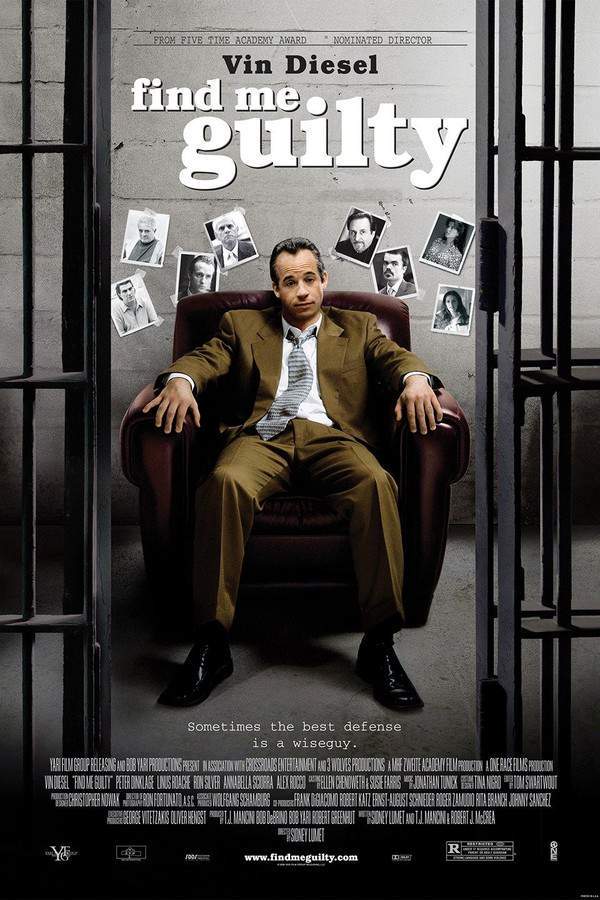
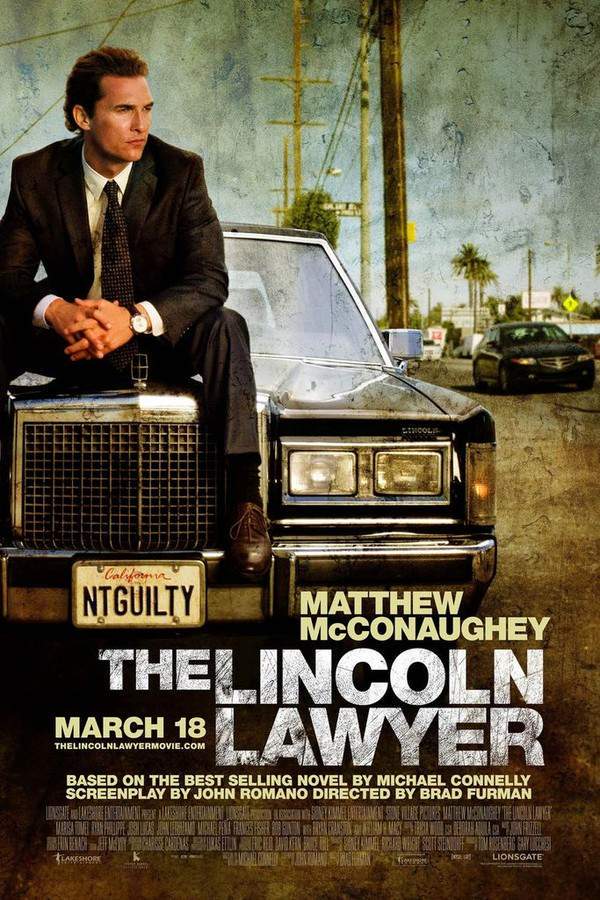
Where justice becomes a pawn in the high-stakes game of political ambition.If you enjoyed the political maneuvering in A Fever in the Blood, explore more movies where legal dramas become platforms for ambition. These films feature tense courtroom battles intertwined with ruthless career politics and media manipulation.
The narrative pattern follows ambitious individuals—judges, lawyers, politicians—who see a high-profile trial as an opportunity. The story unfolds through their strategic moves, ethical compromises, and the resulting public spectacle, often leading to a mixed outcome where a career may triumph at the cost of personal integrity.
Movies are grouped here because they share a core focus on the intersection of law and ambition. They feature a tense, politically charged mood, a steady, procedural pacing, and explore themes of corruption and the abuse of power within the justice system.
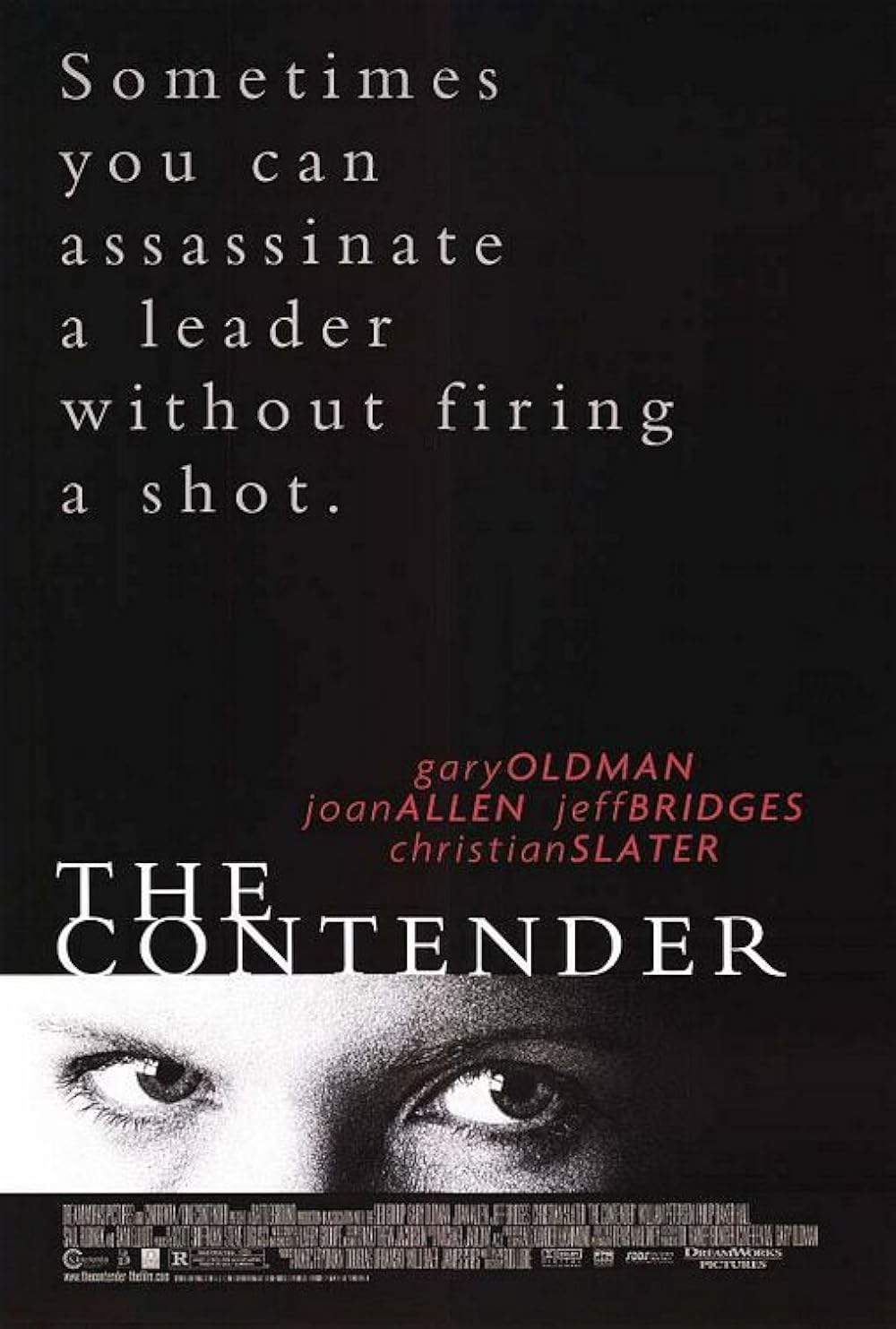
Stories where ambition forces characters to cross lines they never thought they would.Fans of the ethical dilemmas in A Fever in the Blood will appreciate these movies about ambition's dark side. Discover similar stories of characters navigating tense, morally gray areas where career goals clash with integrity.
The journey typically starts with a character presented with an opportunity for advancement. As they pursue their goal, they are faced with a series of escalating moral choices, leading to a point of no return. The ending often feels mixed, offering a professional victory tainted by personal loss or ethical failure.
These films are connected by their exploration of ambition's corrosive effects. They share a tense, anxious mood, a steady pacing that allows for moral dilemmas to unfold, and a medium emotional weight focused on the consequences of ethical choices.
Don't stop at just watching - explore A Fever in the Blood in full detail. From the complete plot summary and scene-by-scene timeline to character breakdowns, thematic analysis, and a deep dive into the ending - every page helps you truly understand what A Fever in the Blood is all about. Plus, discover what's next after the movie.
Read a complete plot summary of A Fever in the Blood, including all key story points, character arcs, and turning points. This in-depth recap is ideal for understanding the narrative structure or reviewing what happened in the movie.
Track the full timeline of A Fever in the Blood with every major event arranged chronologically. Perfect for decoding non-linear storytelling, flashbacks, or parallel narratives with a clear scene-by-scene breakdown.