Plot Explained Spoilers guaranteed!
Plot Explained

Browse by genre

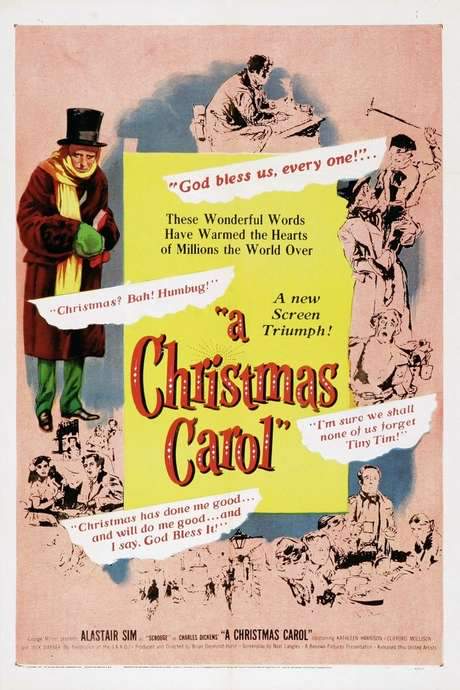
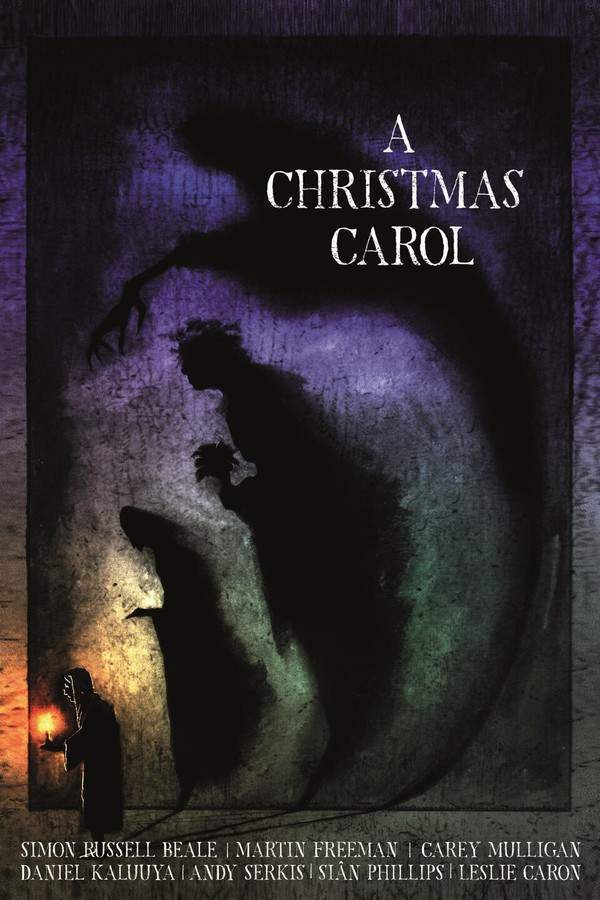
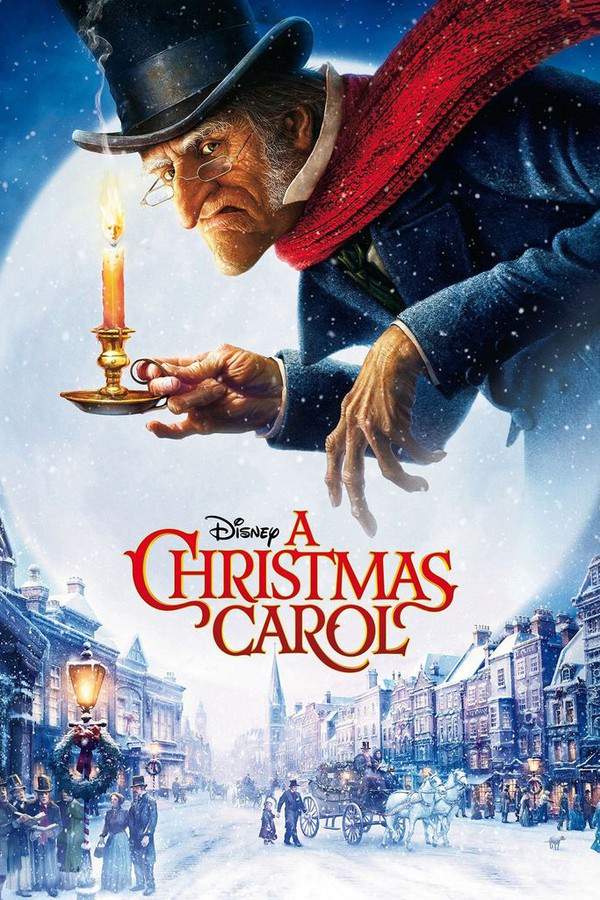
A Christmas Carol (1984) movie poster

Plot Summary

A Christmas Carol (1984) Plot Summary Explained

Release, runtime and language
1984 · 101 mins · English
JustWatch #7,434 8
Directed by
Clive Donner
Starring
David Warner, Frank Finlay, George C. Scott, Liz Smith, Edward Woodward, Nigel Davenport

A fresh, powerful retelling of the classic ghost story. On Christmas Eve, miserly Ebenezer Scrooge is visited by spirits who expose his bleak past, squandered youthful chances, present cruelties, and a grim future unless he reforms. Confronted with his growing bitterness, he must choose between ruin and redemption.

On this page (6)
  1. 1 Where to watch
  2. 2 What happens: full plot
  3. 3 Plot questions answered
  4. 4 Movie threads
  5. 5 Movies like A Christmas Carol
  6. 6 Every angle

Where to watch

Where to Watch A Christmas Carol (1984)

Where can you watch A Christmas Carol? Stream, rent or buy it in the US, including on MGM Plus, Fawesome and Mometu: current JustWatch availability with up-to-date prices.

Streaming availability powered by JustWatch

Full plot summary · contains spoilers

What Happens in A Christmas Carol: Full Plot Summary

The whole story of A Christmas Carol (1984) explained, from the opening scene to the final frame: every key event, every twist and what it all adds up to. Read it as a quick recap before the sequel, to check a scene you missed, or to finally understand what really happened.

In Victorian-era London, Ebenezer Scrooge George C. Scott is a hard-nosed commodities trader who treats Christmas as a non-event. He refuses his nephew Fred Holywell’s invitation to share a meal and, begrudgingly, grants his underpaid clerk Bob Cratchit David Warner the day off only because there will be no business to conduct. He further squeezes extra payment from three businessmen and turns away charity workers Poole Michael Gough and Hacking John Quarmby, arguing that the poor are better off dead. That night, the ghost of his former partner Jacob Marley Frank Finlay appears, bearing heavy chains forged from greed and warning Scrooge to mend his ways or wander the earth for eternity. Marley foretells that three spirits will visit him in turn, offering a chance to change his fate.

At one o'clock, the first visitor arrives: the Ghost of Christmas Past Angela Pleasence. It whisks Scrooge away to a childhood of loneliness and learning. He recalls a solitary boarding-school life, the tension with his father Silas Scrooge Nigel Davenport, and the warmth of a loving sister Fan Joanne Whalley who has since died. The Spirit shows Scrooge his early apprenticeship with the kindly Mr. Fezziwig Timothy Bateson and the happier, if brief, romance with Belle, whom he once loved before money took precedence. Belle’s aching pity for Scrooge’s loneliness is met with a sharp recapture of his stubborn pride as he tries to extinguish the vision with his cap, reappearing in his room shaken.

At two o'clock, the Ghost of Christmas Present Edward Woodward arrives to reveal the here-and-now joys and sorrows of others. He brings Scrooge to the Cratchit home, where Bob Cratchit’s family cherishes a modest dinner despite Tim’s crippling illness. The spirit then carries Scrooge to the house of Fred Holywell Roger Rees for a warm, noisy celebration that underscores what Scrooge is missing by staying away. Nearby, two destitute children, Ignorance and Want, watch with admonitions for him to change his heart. The sight leaves Scrooge deeply unsettled and desperate for a different path when the spirit departs.

The Ghost of Christmas Yet to Come Michael Carter then finishes the trio’s visitation. It guides Scrooge through a stark, money-driven future: a funeral where none mourns the passing of a colleague, a desecrated home where possessions are plundered, and a bleak Cratchit household mourning Tim’s death. Scrooge’s fear peaks as he is shown his own neglected grave, the name on the tombstone a chilling mirror of his life’s choices. He pleads for tenderness rather than fear, and his pleas are heard only when the vision ends and he wakes in his own bed, terrified but alive.

When dawn finally breaks on Christmas Day, Scrooge awakes transformed. He secretly arranges a prize turkey for the Cratchits Ian Giles and makes a generous donation to Poole Michael Gough and Hacking John Quarmby. He accepts Fred Holywell’s invitation to dinner, and the next day, to Bob Cratchit’s astonishment, he doubles his salary and reconciles with his cheerful nephew. The changes ripple outward: Scrooge becomes a second father to Tim, who recovers, and the whole of London feels the warmth of Christmas spirit in his renewed generosity and kindness.

Last updated: October 09, 2025 at 14:47

Was this helpful?

Plot questions answered

A Christmas Carol Plot Explained: Your Questions Answered

The questions people ask most about A Christmas Carol (1984): what happens in the confusing scenes, why the characters do what they do, the twists, hidden details and what the ending means. Each answer contains spoilers.

Q1

Why is Scrooge so bitter and cruel towards others?

Scrooge's hardness stems from a childhood marked by abandonment and loss. His father deserted him at boarding school, his mother died when he was young, and his beloved sister Fan passed away later in life. These emotional wounds drove him to pursue wealth as a protective measure, ultimately sacrificing love and relationships in favor of financial security.

Foreshadowing: The Ghost of Christmas Past shows Scrooge's lonely childhood and his father's grudge against him, establishing the origin of his emotional walls.

  • scrooge
  • miserly
  • bitter
  • childhood
  • abandonment
Q2

What do Jacob Marley's chains represent?

Marley's heavy chains symbolize the burden of greed and self-interest that condemned him to wander the earth after death. Because Marley spent his life accumulating wealth without compassion, he is now forced to carry the weight of his selfish choices forever. The chains foreshadow Scrooge's own fate if he refuses to change his ways.

Foreshadowing: Marley warns Scrooge that he forged his own chains through years of miserly business practices.

  • marley
  • chains
  • greed
  • afterlife
  • condemnation
Q3

What does the Ghost of Christmas Past show Scrooge?

The Ghost of Christmas Past takes Scrooge through key memories from his life, including his lonely childhood at boarding school, his apprenticeship under the kind Mr. Fezziwig, and his romantic engagement to Belle. These visions reveal how Scrooge's obsession with money gradually replaced his capacity for love and joy, showing him the moments where his path diverged from happiness.

Foreshadowing: The spirit begins with Scrooge's childhood isolation, setting up the emotional foundation for his later coldness.
  • ghost of christmas past
  • memory
  • childhood
  • fezziwig
  • belle
Q4

Why does Scrooge react with anger when seeing Belle?

When Belle expresses pity for Scrooge's loneliness, he feels exposed and vulnerable, emotions he has spent decades suppressing. Rather than confront his emotional emptiness, he aggressively extinguishes the vision with his cap, retreating into denial. This moment reveals how deeply his defensive walls have calcified; accepting tenderness would require acknowledging the life he has squandered.

Foreshadowing: Earlier memories show Scrooge choosing money over love, making this confrontation with lost happiness unbearable.

  • belle
  • anger
  • pity
  • emotional wall
  • denial
Q5

Why is Tiny Tim important to the story?

Tiny Tim represents the innocent victim of Scrooge's greed. His crippling illness and likely death from poverty directly result from Scrooge's refusal to pay Bob Cratchit a living wage. The Ghost of Christmas Present uses Tim's fate to show Scrooge the human cost of his indifference, making the consequences of his actions visceral and personal rather than abstract.

Foreshadowing: The Ghost of Christmas Present explicitly tells Scrooge that Tim will die unless things change.

  • tiny tim
  • bob cratchit
  • illness
  • poverty
  • innocent victim
Q6

Who are Ignorance and Want?

Ignorance and Want are two destitute children who appear as a haunting vision under the Ghost of Christmas Present. They symbolize the abandoned poor of Victorian London and represent the societal consequences of heartlessness like Scrooge's. The spirit warns Scrooge to beware of these children, implying that ignoring the needy breeds societal decay and moral corruption.

Foreshadowing: The Ghost of Christmas Present points to them as the dire results of failing to practice compassion.

  • ignorance
  • want
  • poverty
  • children
  • social consequences
Q7

What does the Ghost of Christmas Yet to Come show Scrooge?

The Ghost of Christmas Yet to Come shows Scrooge a grim future where a wealthy man dies alone with no mourners, his possessions are stolen by thieves, and Tiny Tim has died. Most terrifyingly, Scrooge sees his own neglected grave, revealing that his current path leads to eternal loneliness and oblivion. The vision terrifies him into desperate pleading for a chance to change.

Foreshadowing: The ghost remains silent throughout, letting the bleak images speak for themselves.

  • ghost of christmas yet to come
  • funeral
  • grave
  • tiny tim death
  • future
Q8

Why does Scrooge change so dramatically overnight?

Scrooge's transformation is rapid because the spirits systematically dismantle his psychological defenses. By witnessing his past choices, present consequences, and future death, he experiences a complete moral awakening. The visions are so visceral and personal that denial becomes impossible. He emerges terrified but alive on Christmas morning, choosing redemption over damnation.

Foreshadowing: His plea for mercy as the vision ends shows his genuine desire to change if given another chance.

  • transformation
  • redemption
  • change
  • awakening
  • christmas morning
Q9

Does Tiny Tim survive in the end?

Yes, Tiny Tim survives. After Scrooge's transformation on Christmas morning, he becomes a second father to Tim, providing the financial support the family desperately needs. Tim's recovery symbolizes how Scrooge's changed heart literally saves a life, demonstrating the ripple effects of compassion versus the deadly consequences of greed.

Foreshadowing: The Ghost of Christmas Present indicates Tim will die 'if these shadows remain unaltered,' implying change can save him.

  • tiny tim survival
  • recovery
  • adoption
  • second father
Q10

Why does Scrooge ask the final spirit for tenderness?

When shown the cold, greedy reactions to death and poverty in the future, Scrooge breaks down and begs to see tenderness instead of fear. This moment marks his moral pivot, he cannot bear a world without compassion. His demand for tenderness reflects his genuine desire to live differently, opening the door for his redemption.

Foreshadowing: The earlier visions of indifference have accumulated, pushing him to reject the lonely future.

  • tenderness
  • mercy
  • compassion
  • plea
  • change of heart
Q11

Why does Jacob Marley visit Scrooge on Christmas Eve?

Marley visits because he is trapped in the afterlife, forced to witness the living while carrying the chains of his earthly greed. His visit serves as both warning and opportunity, he hopes Scrooge will heed his advice and avoid joining him in eternal torment. Marley functions as the messenger who sets Scrooge's transformation in motion.

Foreshadowing: Marley explains that he has been wandering for seven years, unable to find rest.

  • jacob marley
  • ghost
  • visit
  • warning
  • afterlife
Q12

What changes does Scrooge make on Christmas Day?

On Christmas morning, Scrooge anonymously sends a prize turkey to the Cratchit family, donates generously to the charity workers he previously dismissed, reconciles with his nephew Fred, and doubles Bob Cratchit's salary. He becomes a loving, generous presence in the community, transforming from a feared miser to a beloved figure.

Foreshadowing: His waking plea to be shown mercy if the visions were true sets up his commitment to radical change.

  • christmas day
  • transformation
  • generosity
  • cratchit
  • fred

Movie threads

More Movies Like A Christmas Carol, by Mood & Story

Curated lists built around what makes A Christmas Carol tick: the same mood, the same kind of story or the same emotional payoff. Each list explains why these movies belong together.

Gothic Moral Reckoning Movies like A Christmas Carol

Supernatural hauntings force characters to confront their past sins and seek redemption. For viewers who liked the haunting supernatural intervention in A Christmas Carol, this section features movies where spectral visitations force a moral reckoning. Find similar stories of redemption through ghostly confrontation, exploring themes of greed, consequences, and hopeful change.

  • gothic
  • haunting
  • supernatural
  • redemptive
  • somber
  • unsettling
  • Tone: dark, haunting, hopeful
  • Pacing: variable, nightmarish, deliberate
Why these movies?

The story pattern: Stories in this thread often follow a linear, character-centric arc where an initially flawed or hardened individual is confronted by supernatural forces representing their past, present, and future. The narrative structure is a journey through time and memory, building to a climactic moment of choice between continued despair and redemption.

Why they belong together: These movies are grouped by their shared use of a gothic, supernatural framework to explore heavy themes of morality and consequence. They blend a dark, somber tone with a variable pacing that builds to a terrifying climax before resolving in a hopeful, redemptive ending, creating a powerful emotional catharsis.

Emotional Transformation Movies like A Christmas Carol

Stories that earn their hopeful endings by first traversing profound emotional darkness. If you liked the powerful emotional journey from bleakness to joy in A Christmas Carol, explore these movies. They feature heavy themes and dark moments that make their eventual happy endings feel profoundly earned and satisfying, focusing on character redemption and emotional release.
  • somber
  • redemptive
  • hopeful
  • reflective
  • unsettling
  • cathartic
  • Tone: dark, heavy, ultimately hopeful
  • Pacing: variable, builds to climax
Why these movies?

The story pattern: The narrative pattern is defined by a stark emotional contrast. The first two-thirds of the story establish a deeply troubled character or situation, often through flashbacks or confrontations with painful truths. This builds significant emotional weight, making the final act's transformation into hope or happiness a cathartic and powerful release for the audience.

Why they belong together: These films are united by their masterful control of emotional contrast. They share a high intensity and heavy emotional weight, deliberately using dark, unsettling passages to make the concluding happiness feel not just sweet, but hard-won and meaningful. The pacing often shifts to reflect this emotional trajectory.

If you liked this

Movies Like A Christmas Carol

Similar movies to A Christmas Carol: the same genre, themes or kind of story. Each one comes with its own plot summary, timeline and ending explained.

Browse all movie summaries

Every angle

A Christmas Carol (1984) Explained: Plot, Timeline & Characters

Everything about A Christmas Carol in one place: what happens in the plot summary, the timeline in chronological order, the characters and meaning and a spoiler-free summary. What's After the Movie adds the cast, box office and post-credit scenes.

Coming soon on iOS and Android

The Plot Explained Movie Summary App

Plot summaries, endings explained and timelines on your phone. Catch up on any movie in minutes, save your favorites and never miss a twist again.

Be the first to know when we launch. Your email stays private, always.

Learn more about the app