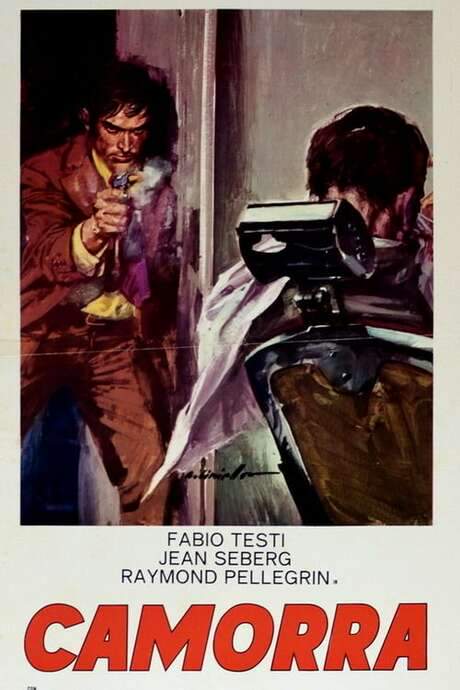
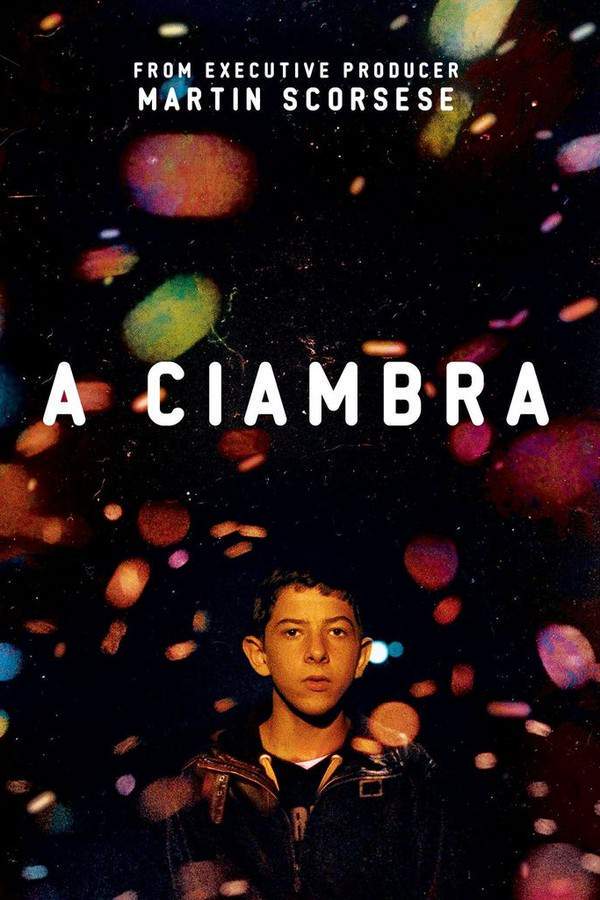
Rosario, Gianluca Di Gennaro, an 11-year-old boy, lives in a crumbling apartment building on the outskirts of Naples with his elderly, sick grandmother Liliana. He grows up in a world where confusion and crime loom large, torn between the pull of bad influences and the steady care of family, faith, and the local church. His days drift between arcade halls, greasy sandwich shops, petty mischief, and even moments of danger like playing improvised Russian roulette on the ring road. He also spends time at a shelter run by volunteers that tries to help families in need, a place that offers a glimmer of structure amid his chaotic surroundings.
His role models become Damiano, [Carmine Recano], a neighborhood thug who profits from crime, and Santino, [Arturo Paglia], a compassionate volunteer at the shelter. The tension between danger and kindness marks his early years, as he watches the line between right and wrong blur under pressure and circumstance. The shelter, with its routines and volunteers, stands in stark contrast to the street, offering a possible path that is not just about survival but about choice.
Everything shifts when he meets Catarina, [Miriam Candurro], at the shelter and falls in love. That connection brings a spark of hope and a reason to dream of a different life, even as it complicates his loyalties and forces him to navigate competing influences. The-feeling? It’s a delicate balance between affection, belonging, and the pull of a world that prizes quick gains over patient growth.
Yet a sequence of misfortunes pulls him toward organized crime, and evil begins to feel like an inescapable fate. The material decay of the crumbling city mirrors the moral decay of the young boys, who see little option but to follow the path of small-time criminals. In this harsh landscape, where opportunities are scarce and pressures are loud, Rosario’s arc traces a painful descent and a stubborn, uncertain search for light amid the shadows.
Across these intertwined lives, the story maps how environments shape choices, how care can exist alongside coercion, and how resilience is tested as youth confront a world that seems determined to pull them into the shadows.











-20Dl-gt9soIWfw.jpg)