













Plot Explained Spoilers guaranteed!
Plot Explained

Browse by genre

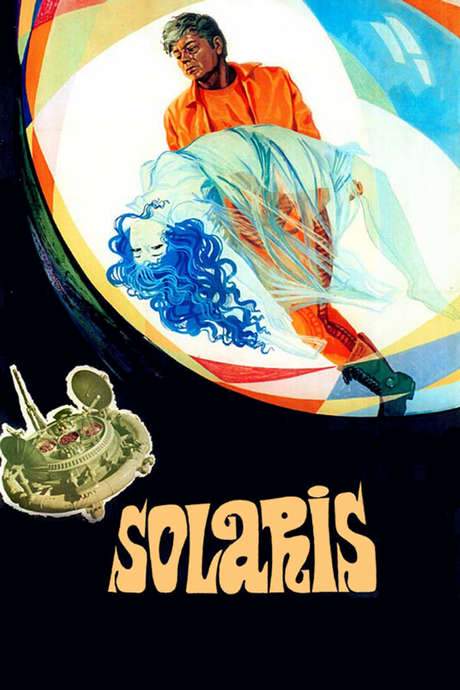
Solaris (1972) movie poster

Characters & Themes

Solaris (1972) Characters, Setting & Themes Explained

Release, runtime and language
1972 · 167 mins · Russian
JustWatch #7,334 14
Directed by
Andrei Tarkovsky
Starring
Donatas Banionis, Jüri Järvet, Natalya Bondarchuk, Olga Barnet, Olga Kizilova, Tatyana Malykh

A psychologist is dispatched to a space station orbiting the mysterious planet Solaris to investigate a doctor’s death and the crew’s unsettling mental disturbances. He discovers that the planet’s ocean acts like a sentient brain, manifesting the astronauts’ repressed memories and obsessions, turning their deepest nightmares into reality.

On this page (9)
  1. 1 Where to watch
  2. 2 Characters explained (6)
  3. 3 Where & when it takes place
  4. 4 Themes & meaning (3)
  5. 5 Character & meaning questions
  6. 6 Movie threads
  7. 7 Movies like Solaris
  8. 8 Categories
  9. 9 Every angle

Where to watch

Where to Watch Solaris (1972)

Where can you watch Solaris? Stream, rent or buy it in the US, including on HBO Max, Plex and Shout! Factory TV: current JustWatch availability with up-to-date prices.

Streaming availability powered by JustWatch

6 main characters · contains spoilers

Solaris Characters Explained: Who Is Who

The main characters of Solaris (1972), heroes and villains: what drives them, how they change over the course of the story and what each of them reveals about the film's bigger ideas.

  • Kris Kelvin (Donatas Banionis)

    A psychologist sent to Solaris to assess the station and its research. He is measured and rational, yet haunted by memories of his wife Hari. Throughout the mission, he confronts the limits of science when memory-made beings challenge his sense of reality.

    • 🧠 Scientist
    • 💔 Grief
    • 🔬 Investigator
  • Hari (Natalya Bondarchuk)

    The recreated wife, a being born from Kelvin's memories. She is not fully human yet grows more autonomous and appears to seek connection. Her presence forces Kelvin to confront love, guilt, and what it means for something to be real.

    • 💖 Love
    • 🧠 Complex
  • Dr. Gibarian

    played by Sos Sargsyan

    The station's former scientist who kills himself, leaving a cryptic farewell video. His messages hint at the unsettling phenomena and warn Kelvin that not everything is as it seems.

    • 🧭 Mentor
    • 💭 Cryptic
  • Dr. Snaut

    played by Jüri Järvet

    One of the surviving crew members, he is enigmatic and offers explanations about the guests. He represents a rational, scientific voice amid the station's strange events.

    • 🧠 Scientist
    • 🗝️ Enigmatic
  • Dr. Sartorius

    played by Anatoliy Solonitsyn

    A fellow scientist whose interactions with Hari and the group contribute to the philosophical discussions about reality versus illusion and the nature of consciousness.

    • 🧠 Scientist
    • 🤔 Philosophical
  • Kelvin's Father

    played by Nikolay Grinko

    A memory-dream figure seen at the family home, representing Kelvin's past and the pull of home and memory. His presence underscores the film's themes of memory and belonging.

    • 👨‍👦 Family
    • 🧭 Memory

Last updated: October 04, 2025 at 16:27

Was this helpful?

Setting

Where and When Does Solaris Take Place?

The setting of Solaris (1972): the year and time period, the places and locations, and how they shape the characters, the mood and the tension of the story.

Time period

Location

Solaris space station, Solaris planet

The setting centers on a remote research station orbiting the oceanic planet Solaris. The station becomes a site of unexplained phenomena as the crew experiences visits from beings created by Solaris' mind. The planet and its guests shape the crew's investigations and the choices they face.

  • 🌌 Space Station
  • 🌊 Ocean Planet
  • 🔬 Scientific Outpost

Last updated: October 04, 2025 at 16:27

Was this helpful?

3 major themes

Solaris Meaning: Themes & Message Explained

What is Solaris (1972) really about? The emotional, social and philosophical themes the film keeps returning to, its symbolism and the message beneath the surface.

  • Memory

    Memory drives much of what happens on Solaris. Hari is born from Kris Kelvin's memories of his dead wife, challenging the boundary between person and reconstruction. The crew debates whether the visitors are real or projections, forcing a test of scientific objectivity against intimate recollection. The film uses memory to probe identity, guilt, and longing.

  • Grief

    Kelvin's grief over Hari's death compels him to engage with the replica, shaping his emotional responses and choices. Hari's presence intensifies questions about longing, responsibility, and the costs of reconnecting with what is lost. The scientists' cool rationality contrasts with the chaotic force of unresolved sorrow. Grief becomes a driving force that reshapes relationships aboard the station.

  • Reality

    The line between reality and illusion blurs as the guests mimic human behavior and memories. Scientific attempts to understand Solaris—like the annihilator or broadcasting brainwaves—struggle against the planet's mind-made phenomena. The narrative uses this tension to examine what is truly real when memory and desire conjure convincing counterparts. The ending leaves the nature of existence open to interpretation within this isolated world.

Last updated: October 04, 2025 at 16:27

Was this helpful?

Character & theme questions

Solaris Characters & Meaning: Your Questions Answered

The questions people ask about Solaris (1972): who the characters really are, their relationships, what the symbols mean, where it takes place and what the movie is really about. Each answer contains spoilers.

Q1

Where does the story take place?

The story unfolds on a remote research space station orbiting an oceanic planet called Solaris. This isolated scientific outpost, suspended above a vast alien ocean, serves as the primary setting where the crew encounters mysterious phenomena. The planet itself is central to the story, a massive body of water that exhibits sentient, brain-like qualities capable of manifesting the astronauts' deepest memories and psychological states.

  • space station
  • solaris planet
  • setting
  • research outpost
  • ocean planet
Q2

What kind of world does the film depict?

The film depicts a cold, isolated scientific world suspended in deep space above an alien ocean. The station itself is sterile and functional, contrasting sharply with the mysterious oceanic planet below. This setting creates a sense of claustrophobic isolation, the crew is far from Earth, cut off from normal human contact, and trapped in an environment where the boundaries between mind and matter become increasingly unclear.

  • sci-fi setting
  • alien world
  • space environment
  • isolation
Q3

What is the space station like?

The Solaris space station is a scientific research outpost designed for studying the alien planet below. It features living quarters, laboratory spaces, and observation areas that allow the crew to monitor Solaris. The station becomes increasingly chaotic as the mysterious visitors appear, transforming from a orderly research facility into a place where rational scientific work breaks down under the weight of personal trauma and unexplained phenomena.

  • research station
  • space station interior
  • scientific facility
Q4

What are the main themes explored in the film?

Solaris explores three interconnected themes: Memory, Grief, and Reality. Memory drives much of what happens, as the planet manifests beings born from the astronauts' past experiences. Grief motivates protagonist Kris Kelvin's emotional journey as he confronts his wife's death. Reality becomes unstable as the line between what is real and what is memory-made blurs, raising questions about consciousness, identity, and what it means for something to truly exist.

  • themes
  • memory
  • grief
  • reality
  • identity
  • consciousness
Q5

What does the Memory theme explore?

The Memory theme examines how past experiences shape present reality. On Solaris, the planet's ocean functions like a sentient brain, reading the astronauts' memories and bringing their deepest thoughts to life. This creates beings, like the replica of Kelvin's dead wife, that challenge whether memory is merely a record or something that can genuinely recreate a person. The film asks whether something born from memory can ever be truly real or meaningful.

  • memory
  • recollection
  • psychology
  • consciousness
  • past
Q6

What does the Grief theme examine?

The Grief theme centers on unresolved sorrow and the longing to recover what has been lost. Protagonist Kris Kelvin is haunted by his guilt over his wife Hari's suicide, and the planet literally resurrects her from his memories. This forces Kelvin to grapple with whether reengaging with a grief-made version of his wife is a form of healing or denial. The theme suggests grief can reshape reality and that confronting loss is essential to moving forward, or accepting what cannot be changed.

  • grief
  • loss
  • mourning
  • guilt
  • sorrow
  • death
Q7

What does the Reality versus Illusion theme address?

The Reality theme probes what happens when the boundary between real and imagined collapses. The visitors created by Solaris are not hallucinations, they eat, speak, show emotion, and seem fully conscious. Yet they are made from memory, not born naturally. The film never definitively answers whether they are real, instead leaving audiences to question whether authenticity matters more than the experience of connection. This ambiguity defines the film's philosophical core.

  • reality
  • illusion
  • perception
  • existence
  • truth
  • philosophy
Q8

Who is Kris Kelvin?

Kris Kelvin is a psychologist sent to the Solaris space station to investigate the crew's mental disturbances and a doctor's death. He is characterized as rational and scientific, trained to approach the unexplained with objectivity. However, his own past haunts him, he lost his wife Hari to suicide, and his unresolved grief makes him particularly vulnerable to the planet's memory-manifestations. His journey becomes a confrontation with his own psyche and the limits of scientific understanding.

  • kris kelvin
  • protagonist
  • psychologist
  • main character
Q9

Who is Hari and what is her role?

Hari is a being created by Solaris from Kelvin's memories of his dead wife. She is not truly his wife but a reconstruction based on his recollections, complete with her original personality and history. Over time, she appears to develop genuine consciousness and emotion, raising questions about whether she deserves rights or can be considered real. Her presence forces Kelvin to decide whether to embrace this impossible second chance at love or accept irreversible loss.

  • hari
  • replica
  • wife
  • created being
  • memory manifestation
Q10

Who are the key scientists on the station?

The station houses several important crew members. Dr. Gibarian, the original scientist in charge, killed himself before Kelvin arrives, leaving cryptic messages about the visitors. Dr. Snaut is one of the surviving crew who attempts to explain the phenomena rationally, serving as a voice of scientific reason. Dr. Sartorius is another scientist who engages in philosophical debates about whether the visitors are alive. Each represents different approaches to coping with the station's impossible reality.

  • dr snaut
  • dr sartorius
  • dr gibarian
  • crew
  • scientists
Q11

What kind of film is Solaris tonally and emotionally?

Solaris is a slow-paced, intellectually demanding drama with a consistently melancholic and solemn tone. The film prioritizes atmosphere, philosophical dialogue, and psychological depth over action or plot momentum. There is virtually no humor, the experience is deliberately somber, creating a claustrophobic sense of mounting emotional and existential pressure. The pacing allows viewers to absorb the weight of memory, loss, and identity questions that define the story.

  • tone
  • atmosphere
  • mood
  • slow pacing
  • philosophical
  • drama

Movie threads

More Movies Like Solaris, by Mood & Story

Curated lists built around what makes Solaris tick: the same mood, the same kind of story or the same emotional payoff. Each list explains why these movies belong together.

Philosophical Sci-Fi Movies Like Solaris

Stories where science fiction explores the labyrinth of human memory and guilt. A collection of movies like Solaris, where sci-fi concepts serve as metaphors for exploring grief, memory, and what it means to be human. If you liked the intellectual and emotional depth of Solaris, you'll find similar journeys here.

  • philosophical
  • existential
  • melancholic
  • introspective
  • unsettling
  • solemn
  • Tone: melancholic, philosophical, solemn
  • Pacing: slow, contemplative
Why these movies?

The story pattern: Narratives in this thread often involve characters confronting manifestations of their own psyche—be it memories, fears, or desires—triggered by an alien intelligence or advanced technology. The central conflict is internal, a battle with guilt, loss, and the nature of reality itself, rather than an external threat.

Why they belong together: These films are grouped by their shared commitment to using the sci-fi genre for profound philosophical inquiry. They prioritize mood, existential themes, and character psychology over fast-paced plots, creating a similarly heavy, thought-provoking, and melancholic viewing experience.
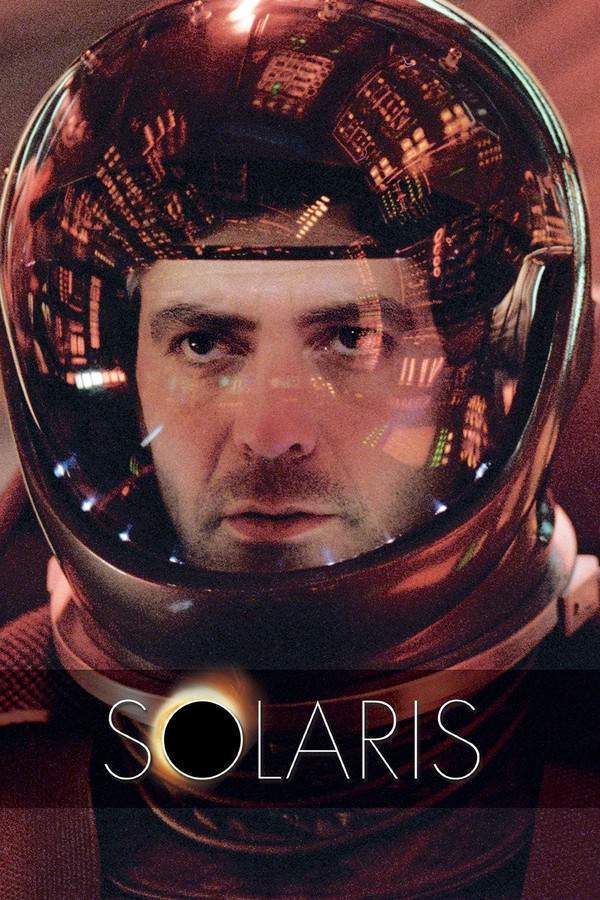
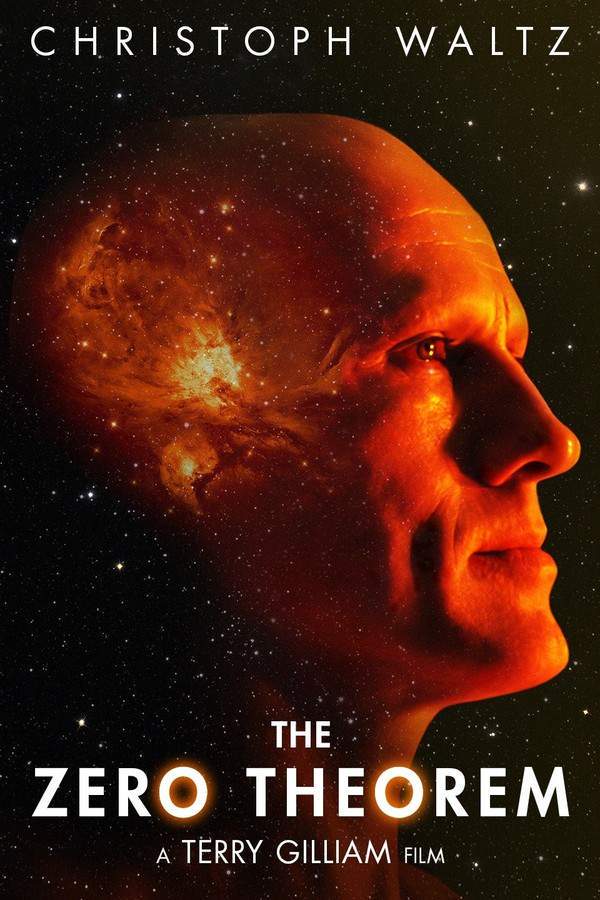
Slow Burn Psychological Dread Like in Solaris

Unsettling stories where tension builds from internal anguish and claustrophobic settings. Discover movies that share Solaris's methodical pacing and atmosphere of profound psychological unease. These films use a slow burn to build a deep sense of dread, isolation, and emotional weight, perfect if you appreciated the tense, introspective vibe of Solaris.

  • slow burn
  • unsettling
  • claustrophobic
  • psychological
  • dread
  • introspective
  • Tone: unsettling, melancholic, claustrophobic
  • Pacing: slow burn, deliberate
Why these movies?

The story pattern: Stories unfold gradually, focusing on the deterioration of a character's sanity or the unraveling of a haunting mystery. The plot is secondary to the immersive experience of a creeping, often inescapable dread, frequently culminating in an ambiguous or bleak resolution that lingers with the viewer.

Why they belong together: They are connected by a specific approach to tension: it's not about jump scares, but a pervasive, slow-building dread rooted in psychological distress, grief, or existential horror. The shared elements are a slow pace, a heavy emotional weight, and a consistently melancholic or bleak tone.

If you liked this

Movies Like Solaris

Similar movies to Solaris: the same genre, themes or kind of story. Each one comes with its own plot summary, timeline and ending explained.

Browse all movie summaries

Categories

Movie Lists Featuring Solaris

Solaris appears in these hand-built movie categories. Each one groups movies by a specific mood, theme or story type, with their plot summaries and endings explained.

View all movie categories

Every angle

Solaris (1972) Explained: Plot, Timeline & Characters

Everything about Solaris in one place: what happens in the plot summary, the timeline in chronological order, the characters and meaning and a spoiler-free summary. What's After the Movie adds the cast, box office and post-credit scenes.

Coming soon on iOS and Android

The Plot Explained Movie Summary App

Plot summaries, endings explained and timelines on your phone. Catch up on any movie in minutes, save your favorites and never miss a twist again.

Be the first to know when we launch. Your email stays private, always.

Learn more about the app