Plot Explained Spoilers guaranteed!
Plot Explained

Browse by genre

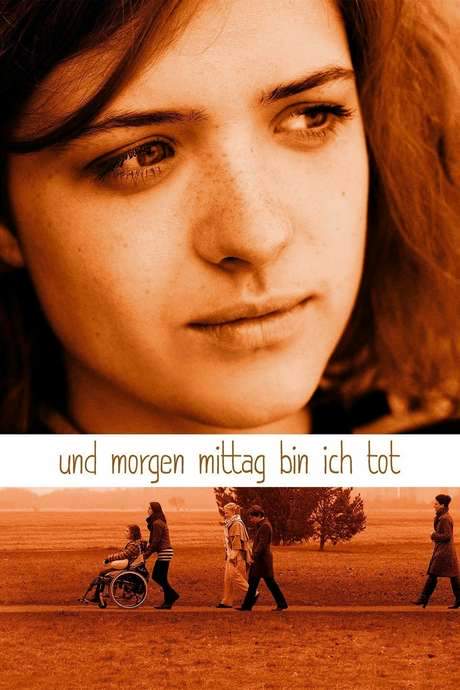
Zurich (2013) movie poster

Timeline

Zurich (2013) Timeline Explained – Every Event in Order

Release, runtime and language
2013 · 102 mins · German
Directed by
Frederik Steiner
Starring
Liv Lisa Fries, Bibiana Beglau, Fabian Halbig, Johannes Zirner, Lena Stolze, Max Hegewald

Facing a terminal illness, Lea makes the surprising decision to end her life on her birthday, wanting to do so consciously and in control. Her mother struggles to accept this wish and desperately tries to prevent it. As the day approaches, unexpected events unfold, leading to a tragic yet dignified exploration of family, acceptance, and the right to choose.

On this page (4)
  1. 1 Events in order (10)
  2. 2 Timeline questions answered
  3. 3 Movie threads
  4. 4 Every angle

10 events in order · contains spoilers

Zurich Timeline: Events in Chronological Order

Every key event of Zurich (2013) in order, scene by scene, with when and where it takes place. Use it to untangle flashbacks, time jumps and parallel storylines, to refresh your memory before the sequel or to find the exact scene you are thinking of.

  1. Lea's lifelong battle with cystic fibrosis

    Lea has suffered from cystic fibrosis since childhood, and the condition limits her daily life. Despite using an oxygen concentrator and taking pills, she becomes breathless and struggles with ordinary tasks. Her illness shapes her fears and the choices she makes about the future.

    When
    childhood onward
  2. Lea vows to die on her 23rd birthday at noon

    Overwhelmed by suffocation and mounting ill health, Lea resolves to die on her 23rd birthday at noon. She believes euthanasia is illegal in Germany and seeks a path through a Swiss organization. This decision sets the course for the events that follow.

    When
    23rd birthday at noon
    Where
    Germany
  3. Lea travels to Zürich to pursue assisted euthanasia

    Lea leaves her family behind without telling them and travels to Zürich. She moves into a hostel in the city, where she plans to engage with the euthanasia organization. The journey marks the first explicit step toward carrying out her plan.

    Where
    Zurich, Switzerland
  4. A dispatcher introduces Lea to the organization and a doctor

    At the hostel, Lea is picked up by Michaela Orff and brought to Dr. Seydlitz, who assesses her health. He prescribes a controlled substance after being convinced of her very poor condition. The prescription confirms that Lea is moving forward with her plan.

    Where
    Zurich, hostel; Dr. Seydlitz's clinic
  5. Lea tells her family and faces mixed reactions

    Lea texts her family to tell them about her decision, prompting a mix of reactions. Grandmother Maria and sister Rita are shocked but accepting, while her mother Lena initially refuses. After a conversation with Lea, Lena remains heartbroken but starts to understand her daughter's motives.

    Where
    Germany
  6. Lea befriends Moritz at the hostel

    Lea meets Moritz, a peer with severe depression who had his own euthanasia request rejected. The two form a tentative bond, and they spend time together, including a boating trip on Lake Zurich. Their friendship contrasts Lea's plan with a glimmer of companionship.

    Where
    Zurich, Lake Zurich
  7. The day before the birthday: last schnitzel with family

    The day before Lea's planned death, the family goes to a restaurant for a last schnitzel. They enjoy a pleasant evening and later toast at midnight, with Lea quipping about never feeling lovesick, climbing stairs, or fearing suffocation again. The moment highlights Lea's attempt to find normalcy in the face of death.

    When
    midnight
    Where
    Zurich restaurant
  8. Lea experiences a painful coughing fit after the meal

    Back at the hostel, Lea has a fit, coughing painfully and gasping for air. The episode underscores how fragile her health remains and foreshadows the day's events. Her struggle adds emotional weight to the looming decision.

    When
    the night before the final day
    Where
    hostel in Zurich
  9. The day of the plan: Lea faces the organization

    The next morning, Lea and her family go to the organization for the final steps. Miss Orff informs Lea that she can cancel, but Lea takes an antiemetic to prevent vomiting and proceeds with the plan. She experiences a panic attack and, after looking at her reflection in a mirror, resolves to finish what she started.

    When
    morning
    Where
    Zurich, organization
  10. Lea's final moment: death with her family

    Lea is escorted to a nearby playground by her family and Michaela Orff. She drinks the overdosed hypnotic and falls asleep in her mother's arms. The act completes her plan to die on her birthday and ends her struggle with the disease.

    When
    afternoon
    Where
    Playground near Zurich

Last updated: October 09, 2025 at 16:08

Was this helpful?

Timeline questions answered

Zurich Timeline Explained: Your Questions Answered

When does it happen, and why in that order? The questions people ask about the chronology of Zurich (2013): time jumps, flashbacks, cause and effect between scenes and the correct order of events, each answered with spoilers.

Q1

Why did Lea choose to die on her 23rd birthday?

Lea chose her birthday because she wanted to die consciously and in control, rather than gradually suffocating from her deteriorating cystic fibrosis. By picking a specific date and time, she transformed what would be a tragic medical event into a deliberate, autonomous decision. She explicitly jokes about the benefits of being dead: never feeling lovesick, never climbing stairs, never fearing suffocation again.

Foreshadowing: Early in the film, Lea's daily struggle with breathlessness and her brother's death from the same disease establish the physical suffering that motivates her choice.

  • Lea birthday
  • cystic fibrosis
  • assisted suicide
  • autonomy
  • end of life
Q2

Why was Moritz rejected for euthanasia?

Moritz was rejected because his depression, while severe, was not considered a terminal physical condition. The Swiss organization that facilitates assisted euthanasia typically requires a terminal illness with a prognosis of imminent death. Moritz's physical health was otherwise functional, so his request was denied despite his psychological suffering.

Foreshadowing: Lea meets Moritz at the hostel, and their contrasting situations, he wants to die but cannot legally obtain assistance, highlight the moral complexity of who qualifies for euthanasia.

  • Moritz
  • depression
  • euthanasia rejected
  • Switzerland
  • assisted dying criteria
Q3

Why did Lea's mother Lena change her mind about Lea's decision?

Lena initially refused because as a mother, she could not accept deliberately losing her daughter. However, after heartfelt conversations with Lea and witnessing her daughter's daily suffering, Lena came to understand that Lea was not seeking death but escape from constant physical torment. The family dinners and Lea's clarity about her choice eventually led Lena to accept, though painfully.

Foreshadowing: The text reveals Lena was heartbroken but began understanding after talking with Lea, showing the emotional shift that occurs during the family meetings in Zürich.

  • Lena mother
  • acceptance
  • family
  • terminal illness
  • consent
Q4

What happened to Lea's brother who also had cystic fibrosis?

Lea's older brother shared her cystic fibrosis and died years earlier after a lung transplant. His death, combined with her father's abandonment of the family afterward, deeply shaped Lea's outlook on her own illness and future. Watching her brother undergo invasive treatment that ultimately failed reinforced her determination to avoid a similar prolonged death.

Foreshadowing: The summary mentions Lea's brother early, establishing the family history of loss that informs Lea's decision to seek a more controlled ending.

  • Lea's brother
  • cystic fibrosis
  • lung transplant
  • family loss
Q5

Why did Lea's father leave the family?

Lea's father walked away from the family after Lea's brother died from cystic fibrosis. The summary does not provide explicit reasons, but his departure during a time of profound family grief suggests he was unable to cope with the loss and the ongoing burden of caring for a sick child. He now lives in South America.

Foreshadowing: The father's absence is mentioned early, establishing the emotional wounds in the family that make Lea's decision even more complicated.

  • father
  • abandonment
  • family
  • cystic fibrosis
  • grief
Q6

Why was a playground chosen as the location for Lea's death?

The organization conducts the procedure in a neutral, non-clinical setting to create a more peaceful environment. A playground offers an open-air, natural space rather than a sterile hospital room. It also allowed Lea's family to be present in a setting that felt less medical and more intimate, aligning with her wish for a dignified, conscious departure.

Foreshadowing: The final scene specifically mentions a playground near Zürich, contrasting the clinical nature of the medical procedure with an outdoor setting.

  • playground
  • location
  • assisted suicide
  • Zürich
  • peaceful death
Q7

Why did Lea have a panic attack before taking the overdose?

Lea experienced a panic attack in the bathroom moments before her planned death, likely triggered by the overwhelming gravity of what she was about to do. Despite her clear conviction, facing the actual point of no return created fear and anxiety. Looking at her reflection in the mirror, she gathered herself and chose to proceed, demonstrating the immense emotional weight of her decision.

Foreshadowing: The panic attack occurs after she takes the antiemetic to prevent vomiting, just before the final act, showing her wavering between fear and resolve.

  • panic attack
  • fear
  • overdose
  • final moment
  • courage
Q8

Why did Lea tell her family about her plan through text messages?

Lea texted her family from Zürich rather than telling them in person because she had already made her decision and needed to ensure they knew her intentions before she could be stopped or persuaded to change her mind. By the time they received her message, she was already in Switzerland with the euthanasia organization, making it harder for them to physically intervene.

Foreshadowing: The timeline shows Lea traveling to Zürich first, then contacting her family, suggesting she wanted to have the logistics in place before revealing her plan.

  • text message
  • family
  • Zürich
  • communication
  • decision
Q9

What was the significance of the "last schnitzel" dinner?

The "last schnitzel" dinner was a deliberate attempt by the family to create normalcy and closure before Lea's death. They gathered at a restaurant the night before, enjoyed a meal together, and toasted at midnight. Lea's jokes about never being lovesick or climbing stairs again showed her dark humor and acceptance, turning a tragic occasion into a bittersweet moment of connection and farewell.

Foreshadowing: This dinner occurs the night before Lea's planned death, serving as the family's final gathering and Lea's last ordinary experience.

  • last schnitzel
  • family dinner
  • closure
  • birthday
  • final moments
Q10

Why did Lea have to travel to Switzerland for euthanasia?

Lea traveled to Switzerland because assisted euthanasia is illegal in Germany. Swiss law permits organizations to offer assisted suicide under strict conditions, particularly for individuals with terminal illnesses or unbearable suffering. German law, however, prohibits assisted suicide, forcing Lea to cross borders to exercise what she called her right to choose her own death.

Foreshadowing: The summary explicitly states euthanasia is illegal in Germany, which is why Lea seeks help from a Swiss organization.

  • Switzerland
  • Germany
  • euthanasia laws
  • assisted suicide
  • legal
  • borders
Q11

Why did Lea become friends with Moritz at the hostel?

Lea befriended Moritz because both were young people grappling with existential suffering in the same hostel in Zürich. Despite their different conditions, Lea's physical terminal illness versus Moritz's depression, they connected through their shared contemplation of death. Their boat trip on Lake Zürich provided both with companionship and a brief respite from their fears, showing Lea finding human connection despite her solitary decision.

Foreshadowing: The timeline mentions their friendship develops at the hostel in Zürich, with the boat trip representing a moment of lightness before the final days.

  • Moritz
  • friendship
  • depression
  • Lake Zürich
  • connection
  • companionship

Movie threads

More Movies Like Zurich, by Mood & Story

Curated lists built around what makes Zurich tick: the same mood, the same kind of story or the same emotional payoff. Each list explains why these movies belong together.

Contemplative End-of-Life Dramas like Zurich

Intimate stories centered on a character's final days and the choices they make. If you were moved by Zurich, explore more movies like it that deal with terminal illness and the right to die. These similar dramas focus on intimate, character-driven stories about final choices, family acceptance, and the heavy emotional weight of saying goodbye.

  • somber
  • meditative
  • tender
  • grieving
  • resigned
  • dignified
  • Tone: bittersweet, melancholic, dignified
  • Pacing: slow, deliberate, contemplative
Why these movies?

The story pattern: Stories in this thread typically follow a linear or reflective countdown structure, building towards an inevitable conclusion. The central conflict is often internal (acceptance) and external (convincing loved ones), focusing on emotional resolution rather than plot twists.

Why they belong together: These films are grouped together by their shared focus on mortality, their slow, meditative pacing that allows for deep emotional immersion, and their consistent tone of profound sadness tempered with moments of dignity and human connection.


Bittersweet Family Tragedies like Zurich

Stories where a family grapples with an immense loss, finding dignity in shared grief. For viewers who appreciated the family dynamics in Zurich, this section highlights movies with a similar feel. Discover similar heavy dramas about grief and loss, where families navigate impossible choices and ultimately find a painful but dignified form of acceptance.

  • grieving
  • intimate
  • heartbreaking
  • resigned
  • tender
  • somber
  • Tone: bittersweet, tragic, intimate
  • Pacing: slow, character-driven
Why these movies?

The story pattern: The narrative pattern revolves around a central, foreseeable tragedy that tests familial bonds. The journey is emotional, charting a path from resistance and desperate attempts to prevent the outcome towards a heartbreaking but necessary acceptance, often culminating in a sad yet dignified ending.

Why they belong together: Movies here share a heavy emotional weight, a focus on intimate family relationships under extreme duress, and a tonal balance between the bleakness of loss and the bittersweet grace found in loving acceptance.

Every angle

Zurich (2013) Explained: Plot, Timeline & Characters

Everything about Zurich in one place: what happens in the plot summary, the timeline in chronological order, the characters and meaning and a spoiler-free summary. What's After the Movie adds the cast, box office and post-credit scenes.

Coming soon on iOS and Android

The Plot Explained Movie Summary App

Plot summaries, endings explained and timelines on your phone. Catch up on any movie in minutes, save your favorites and never miss a twist again.

Be the first to know when we launch. Your email stays private, always.

Learn more about the app