Plot Explained Spoilers guaranteed!
Plot Explained

Browse by genre

Who Killed Who? (1943) movie poster

Timeline

Who Killed Who? (1943) Timeline Explained – Every Event in Order

Release, runtime and language
1943 · 8 mins · English
Starring
Billy Bletcher, Sara Berner, Richard Haydn, Robert Emmett O'Connor, Tex Avery, Kent Rogers

A murder has occurred at Gruesome Gables, and the dog detective trying to find the killer has to deal with some suspicious suspects and a haunted house.

On this page (5)
  1. 1 Events in order (12)
  2. 2 Timeline questions answered
  3. 3 Movie threads
  4. 4 Movies like Who Killed Who?
  5. 5 Every angle

12 events in order · contains spoilers

Who Killed Who? Timeline: Events in Chronological Order

Every key event of Who Killed Who? (1943) in order, scene by scene, with when and where it takes place. Use it to untangle flashbacks, time jumps and parallel storylines, to refresh your memory before the sequel or to find the exact scene you are thinking of.

  1. Host opens with a crime-does-not-pay disclaimer

    The live-action host, Robert Emmett O'Connor, appears to frame the cartoon as a demonstration that crime does not pay. He introduces the short as a playful, moral mystery and nods to the famous crime-themed shorts tradition. The tone sets up a detective story within a cartoon world.

    When
    Opening
    Where
    Studio
  2. Stormy night at Gruesome Gables mansion

    Inside the mansion, the master sits, reading a book based on the very cartoon. He becomes frightened as the book seems to foreshadow his murder. The atmosphere is dark and foreboding as a life-or-death fate looms.

    When
    Night
    Where
    Gruesome Gables mansion
  3. Dagger and a taunting prophecy

    A dagger arrives along with a letter predicting the master's death at 11:30. He receives a second note that moves the time to midnight, heightening paranoia and dread. The supernatural clockwork of the threats underscores the inescapable fate.

    When
    Night
    Where
    Gruesome Gables mansion
  4. Murder at the stroke of midnight

    At the final stroke of midnight, a hooded killer in a heavy cloak shoots the master. The act is swift and decisive, though the exact state of the victim is left uncertain. The room fills with shock as the crime unfolds.

    When
    Midnight
    Where
    Gruesome Gables mansion
  5. Detective arrives and begins the inquiry

    A police detective, voiced in the style of classic film cops, arrives at the scene and declares that he will find who did it. He immediately begins a systematic inquiry, questioning those nearby and examining the setup of the mansion. The investigation becomes a chase through the mansion's twists and turns.

    When
    Immediately after
    Where
    Gruesome Gables mansion
  6. Investigation of premises and red herrings

    The detective surveys rooms and corridors, separating real clues from red herrings. Suspicious servants and strange decor fuel misdirection as he pieces together the timeline. The mansion proves to be as much a maze as a crime scene.

    When
    Early investigation
    Where
    Gruesome Gables mansion
  7. Red herrings and suspicious servants

    The investigator examines the servants who appear suspicious, but these lead to false trails. The chase becomes a game of detection through a labyrinth of clues. The detective stays focused, trimming away the noise to get to the truth.

    When
    During
    Where
    Gruesome Gables mansion
  8. Surreal traps hinder the pursuit

    Booby traps and surreal architectural quirks slow the detective’s progress. Each obstacle tests his nerve and persistence as he follows elusive traces. The fantastical layout of the mansion heightens the mystery.

    When
    During
    Where
    Gruesome Gables mansion
  9. Red skeleton and ghostly interference

    The detective encounters a red skeleton parody of Red Skelton and a ghost that is terrified of mice. These odd figures add humor and menace, complicating the pursuit. They serve as both misdirection and mood-building devices.

    When
    During
    Where
    Gruesome Gables mansion
  10. Door marked Do Not Open Until Xmas reveals Santa

    Behind a closed door labeled Do Not Open Until Xmas, the detective discovers an angry Santa Claus. The reveal shivers with surreal Christmas imagery, deepening the cartoonish mystery. The moment blends menace with whimsy.

    When
    Later
    Where
    Gruesome Gables mansion
  11. The killer is unmasked

    The detective finally traps the killer and unmasks him as the opening-sequence host. The revelation ties the frame story to the culprit in a meta twist. The host is revealed to have orchestrated the crime within the cartoon world.

    When
    End
    Where
    Gruesome Gables mansion
  12. Confession and emotional culmination

    The host confesses the deed, uttering his signature line before bursting into tears. The moment underscores the self-referential nature of the short. The detective’s victory is tempered by the host's emotional collapse.

    When
    End
    Where
    Gruesome Gables mansion

Last updated: October 09, 2025 at 11:01

Was this helpful?

Timeline questions answered

Who Killed Who? Timeline Explained: Your Questions Answered

When does it happen, and why in that order? The questions people ask about the chronology of Who Killed Who? (1943): time jumps, flashbacks, cause and effect between scenes and the correct order of events, each answered with spoilers.

Q1

Why was the opening host revealed as the killer?

The host orchestrated the murder from the very beginning as part of the cartoon's meta-twist. After framing the entire story as a crime-does-not-pay lesson, he was secretly the culprit behind the hooded killing at midnight. This reveal connects the live-action framing device to the animated murder, creating a self-referential joke where the narrator of the moral tale was actually the criminal all along.

Foreshadowing: Earlier in the short, the host sets up the cartoon as a demonstration of crime's consequences, ironically foreshadowing his own role as the criminal.

  • host killer twist
  • meta twist
  • who killed who twist
  • red herring reveal
Q2

How did the murder time change from 11:30 to midnight?

A second letter arrived that cunningly altered the death threat from 11:30 to midnight. This added an extra layer of paranoia and supernatural foreboding to the mansion scene, building tension until the killer struck at the stroke of midnight as the clock chimed.

Foreshadowing: The shifting deadline heightened the sense of inescapable fate, preparing viewers for the precise midnight murder.

  • midnight murder
  • 1130 to midnight
  • death threat
  • prophecy letters
Q3

What was behind the door marked Do Not Open Until Xmas?

Behind the mysterious door was Santa Claus himself, played by Tex Avery in a cameo appearance. The detective discovered an angry Santa rather than a hidden clue, combining holiday imagery with noir detective conventions for a surreal comedic reveal.

Foreshadowing: The labeled door was presented as a potential breakthrough in the investigation, making the unexpected Santa reveal a surprise payoff.

  • santa claus
  • tex averly cameo
  • do not open until xmas
  • door reveal
Q4

Did the master die from being shot at midnight?

The fate of the master is deliberately left ambiguous and chilling. The hooded killer shoots him at midnight, but the short never confirms whether he survived or died. This ambiguity is part of the cartoon's spooky, tongue-in-cheek atmosphere.

Foreshadowing: The murder happens quickly in darkness, leaving the victim's ultimate fate unclear from the moment the shot rings out.

  • master fate
  • death scene
  • shot victim
  • murder mystery
Q5

Why was the ghost in the mansion afraid of mice?

The ghost terrified of mice was a comic relief character who added absurdist humor to the spooky mansion setting. This role reversal, where the supernatural entity is frightened rather than frightening, exemplifies the short's playful spoof of ghost story conventions.

Foreshadowing: The ghost's comedic vulnerability appeared during the investigation phase, providing levity amid the mystery.

  • ghost afraid of mice
  • comic ghost
  • funny ghost
  • mansion characters
Q6

What was the book the master was reading in the mansion?

The master was reading a book based on the very cartoon he appears in, which eerily predicts his own doom. This meta-element created a self-referential loop where the fictional narrative inside the cartoon mirrors the cartoon itself.

Foreshadowing: The book serves as a premonition device, with the victim's growing dread as he reads about his own impending death.

  • prophecy book
  • self-referential book
  • doom prediction
  • meta humor
Q7

Who was the Red Skeleton character in the cartoon?

The Red Skeleton was a parody of comedian Red Skelton, appearing as one of the eccentric characters roaming the mansion. This reference added a wink of meta-humor for audiences familiar with the comedian's popular characterizations.

Foreshadowing: The Red Skeleton appeared among the suspicious cast of characters during the investigation, serving as both misdirection and period-specific comedy.

  • red skelton parody
  • red skeleton character
  • comedy character
  • mansion suspects
Q8

What was the meaning of the host's confession line?

When unmasked, the hostconfesses with the signature line "I dood it," a play on the era's vaudevillian punchlines and cartoonish crime story traditions. This humorous confession lands as a meta-wink to fans of classic comedy shorts, combining theater tradition with the cartoon's self-aware tone.

Foreshadowing: The confession directly ties the host's opening framing to the actual crime, completing the circular narrative.

  • i dood it confession
  • signature line
  • vaudeville humor
  • cartoon punchline
Q9

Why were there so many suspicious servants in the mansion?

The suspicious servants served as classic mystery red herrings, false trails designed to misdirect both the detective and the audience. This abundance of quirky, suspicious characters is a hallmark of the mystery genre that the cartoon affectionately spoofs.

Foreshadowing: These red herring characters appeared early in the investigation, creating false leads that distracted from the actual culprit.

  • red herrings
  • suspicious servants
  • mystery tropes
  • detective misdirection
Q10

How did the detective ultimately identify the killer?

The detective methodically sifted through clues and misdirections, following the trail through the mansion's labyrinth of rooms and surreal booby traps until he finally trapped the culprit. His investigation narrowed toward the truth despite the many red herrings, leading to the unmasking of the host as the killer.

Foreshadowing: The detective's persistent questioning and clue-following throughout the short built toward this climactic revelation.

  • detective investigation
  • solving the case
  • clue gathering
  • mystery resolution
Q11

Why was Gruesome Gables mansion such an important setting?

Gruesome Gables served as a character in itself, a gothic, labyrinthine mansion that heightened the mystery and allowed for surreal visual gags. Its dark corridors, booby traps, and eccentric rooms created the perfect setting for both suspense and comedy, embodying the cartoon's blend of spooky mystery and slapstick humor.

Foreshadowing: The mansion's ominous atmosphere was established from the stormy opening, creating the confined space where the murder and investigation would unfold.

  • gruesome gables
  • mansion setting
  • haunted house
  • gothic mystery

Movie threads

More Movies Like Who Killed Who?, by Mood & Story

Curated lists built around what makes Who Killed Who? tick: the same mood, the same kind of story or the same emotional payoff. Each list explains why these movies belong together.

Playful Genre Spoofs like Who Killed Who?

Cartoons and comedies that lovingly lampoon classic mystery and horror tropes with a wink. Find more movies like Who Killed Who? that playfully spoof serious genres. If you enjoyed its cartoonish take on murder mysteries, you'll love these similar comedy films and animated features that turn suspenseful tropes into hilarious, light-hearted fun.

  • meta
  • comic
  • playful
  • theatrical
  • spoof
  • fun
  • Tone: whimsical, humorous
  • Pacing: fast, gag-driven
Why these movies?

The story pattern: Stories in this thread follow a recognizable genre framework—a murder investigation, a haunted house story—but subvert it at every turn with humor. The plot often involves a straightforward quest filled with eccentric characters and red herrings, but the primary conflict is between the expected serious tone and the delivered comedic reality, leading to a satisfying, amusing conclusion.

Why they belong together: Movies are grouped here because they share a core approach of using comedy to deconstruct genre conventions. They maintain a light emotional weight and a whimsical tone, ensuring the viewing experience is consistently amusing rather than tense or frightening, even when dealing with typically dark subject matter.
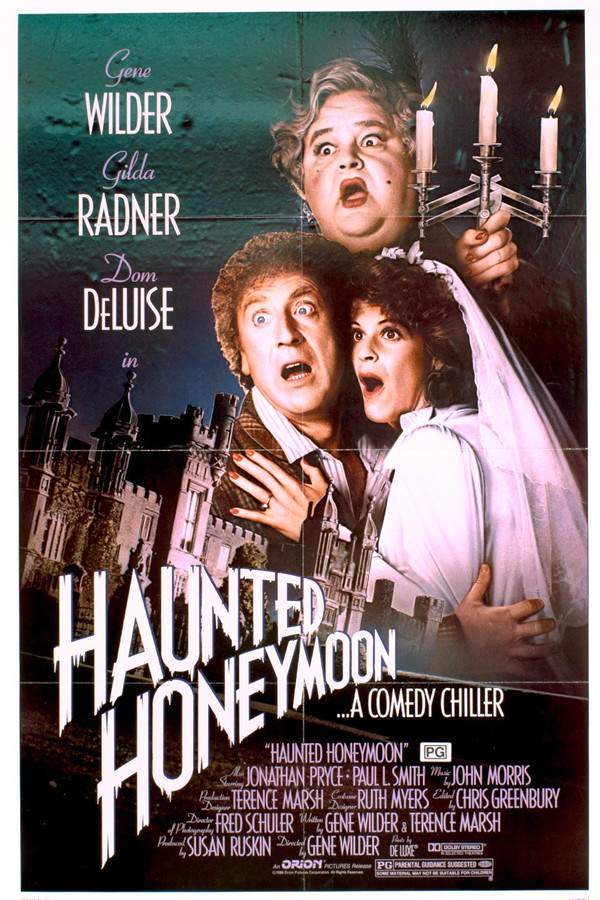
Gothic Cartoon Adventures like Who Killed Who?

Cartoons that blend spooky, gothic settings with fast-paced, mischievous humor and surreal visuals. Discover animated movies similar to Who Killed Who? that mix gothic settings with playful humor. If you liked its haunted house investigation and cartoonish fun, explore these other films where spooky atmospheres meet fast-paced, family-friendly comedy and surreal animation.

  • gothic
  • mischief
  • surreal
  • eerie
  • fun
  • theatrical
  • Tone: whimsical, eerie
  • Pacing: fast, chaotic
Why these movies?

The story pattern: The narrative often involves a character exploring a strange, gothic-inspired world, encountering a cast of eccentric and slightly off-putting characters. The journey is linear and fast-paced, driven by visual gags and surreal encounters rather than deep lore. The conflict is typically resolved through cleverness or humor, reinforcing the light-hearted and fun core of the story.

Why they belong together: These movies are grouped by their distinct visual and tonal blend: the aesthetic touchpoints of gothic horror (spooky houses, shadows, mystery) are combined with the energy and irreverence of classic animation. The result is a specific vibe that is both eerie and endearingly fun.

If you liked this

Movies Like Who Killed Who?

Similar movies to Who Killed Who?: the same genre, themes or kind of story. Each one comes with its own plot summary, timeline and ending explained.

Browse all movie summaries

Every angle

Who Killed Who? (1943) Explained: Plot, Timeline & Characters

Everything about Who Killed Who? in one place: what happens in the plot summary, the timeline in chronological order, the characters and meaning and a spoiler-free summary. What's After the Movie adds the cast, box office and post-credit scenes.

Coming soon on iOS and Android

The Plot Explained Movie Summary App

Plot summaries, endings explained and timelines on your phone. Catch up on any movie in minutes, save your favorites and never miss a twist again.

Be the first to know when we launch. Your email stays private, always.

Learn more about the app