Plot Explained Spoilers guaranteed!
Plot Explained

Browse by genre

White Boy (2017) movie poster

Characters & Themes

White Boy (2017) Characters, Setting & Themes Explained

Release, runtime and language
2017 · 82 mins · English
Loading streaming availability…
Directed by
Christopher S. Rech, Shawn Rech
Starring
Kevin Dietz, Chris Hansen, Richard Wershe Jr., Johnny Curry, Scott M. Burnstein, Herm Groman

Richard Wershe Jr., nicknamed "White Boy Rick," became a local legend in Detroit after being arrested at age 17 for a juvenile drug offense in 1987. This film explores the surprising story of a white teenager seemingly involved in a major inner-city drug operation, detailing how he captivated the city's attention and frequently made headlines. The narrative follows gangsters, hitmen, journalists, and federal agents as they attempt to understand why he remains incarcerated decades later, revealing a more shocking truth behind his alleged crimes.

On this page (9)
  1. 1 Where to watch
  2. 2 Characters explained (3)
  3. 3 Character relationship map
  4. 4 Where & when it takes place
  5. 5 Themes & meaning (2)
  6. 6 Character & meaning questions
  7. 7 Movie threads
  8. 8 Movies like White Boy
  9. 9 Every angle
Loading streaming availability…

3 main characters · contains spoilers

White Boy Characters Explained: Who Is Who

The main characters of White Boy (2017), heroes and villains: what drives them, how they change over the course of the story and what each of them reveals about the film's bigger ideas.

  • Richard Wershe Jr.

    Richard Wershe Jr. is depicted as a young man caught in the complexities of a corrupt system, starting as an FBI informant and later becoming a drug dealer. His character embodies resilience amidst betrayal as he navigates a dangerous landscape marked by high stakes and moral dilemmas. Wershe's journey reflects the often tragic consequences of crime and legal manipulation.

    • 👦 Youth
    • 💊 Drug Dealer
  • Coleman Young

    Coleman Young serves as the Mayor of Detroit during the time of Wershe Jr.'s drug dealings, representing the city's political landscape. His character is instrumental in the backdrop of Wershe's story, highlighting the interplay between politics and crime in urban settings. Young's leadership style and controversial decisions shape the narrative surrounding law enforcement and community relations.

    • 🏛️ Politics
    • 👔 Leadership
  • Gil Hill

    Gil Hill, a City Council member, is depicted as a significant figure in the narrative tied to Wershe Jr.'s life. His character adds depth to the exploration of Detroit's political environment during a challenging period marked by crime and corruption. Hill's role highlights the tension between local governance and public safety.

    • 🏙️ Governance
    • 🔍 Investigation

Last updated: October 27, 2026 at 15:54

Was this helpful?

4 characters · 3 connections · contains spoilers

White Boy Character Relationship Map

Who is connected to whom in White Boy: family, love, friendships, rivalries and hidden ties, colour-coded. Pick a character to see their side of the story, or a connection to see what brings two characters together.

How much of the story to show
RWRichardWershe Jr.CYColeman YoungMBMayor's brotherWJWershe Jr.'sfather

Last updated: October 27, 2026 at 15:54

Was this helpful?

Setting

Where and When Does White Boy Take Place?

The setting of White Boy (2017): the year and time period, the places and locations, and how they shape the characters, the mood and the tension of the story.

Time period

1980s

The 1980s marked a critical period of drug epidemics in the United States, particularly with the rise of crack cocaine. This era was characterized by significant societal challenges, including increased crime rates and law enforcement's struggles to combat drug-related issues. In 'White Boy,' this time frame frames Wershe Jr.'s transformation into a major drug dealer.

Location

Detroit

Detroit, known as the Motor City, played a significant role during the crack epidemic, which fueled widespread drug trafficking and violence. The city is often associated with its tumultuous history, marked by economic decline and crime issues. In the context of 'White Boy,' Detroit serves as a backdrop for Richard Wershe Jr.'s journey into drug dealing and the complexities of law enforcement.

  • 🏙️ City
  • 🔥 Crime

Last updated: October 27, 2026 at 15:54

Was this helpful?

2 major themes

White Boy Meaning: Themes & Message Explained

What is White Boy (2017) really about? The emotional, social and philosophical themes the film keeps returning to, its symbolism and the message beneath the surface.

  • Justice System

    The film scrutinizes the complexities and failures of the justice system, particularly regarding juvenile offenders. Richard Wershe Jr.'s case reveals how legal loopholes and harsh laws can disproportionately impact young individuals. The documentary raises critical questions about fairness and reform in sentencing.

  • Betrayal

    Betrayal surfaces as a significant theme in 'White Boy,' evident in Wershe Jr.'s experiences with law enforcement and his role as an informant. His trust is broken by the very agents who groomed him for informant work, emphasizing the frailty of loyalty in high-stakes environments. This theme permeates his interactions with authorities and peers alike.

Last updated: October 27, 2026 at 15:54

Was this helpful?

Character & theme questions

White Boy Characters & Meaning: Your Questions Answered

The questions people ask about White Boy (2017): who the characters really are, their relationships, what the symbols mean, where it takes place and what the movie is really about. Each answer contains spoilers.

Q1

What city serves as the backdrop for the story?

White Boy is set in Detroit, Michigan, often called the Motor City. During the 1980s crack epidemic, Detroit became a hub for drug trafficking and violent crime, providing the urban landscape that shaped Richard Wershe Jr.'s path into the drug trade and his entanglement with law enforcement.

  • detroit
  • motor city
  • urban setting
  • crime
  • 1980s
Q2

What time period does the documentary cover?

The documentary is set in the 1980s, a decade defined by the rise of crack cocaine across the United States. This era of widespread addiction, aggressive law enforcement tactics, and social upheaval frames Wershe Jr.'s unusual rise as a drug dealer during his teenage years.

  • 1980s
  • crack cocaine
  • time period
  • american history
Q3

Who is Richard Wershe Jr.?

Richard Wershe Jr., nicknamed White Boy Rick, is the central subject of the documentary. He became a local legend in Detroit after being arrested at 17 for a juvenile drug offense, having worked simultaneously as an FBI informant and a major drug dealer during the height of the crack epidemic.

  • richard wershe jr
  • white boy rick
  • fbi informant
  • drug dealer
Q4

What role does Detroit's mayor play in the story?

Coleman Young served as the Mayor of Detroit throughout the period covered in White Boy. His leadership and controversial decisions form the political backdrop against which Wershe Jr.'s story unfolds, illustrating how city politics, crime, and federal law enforcement intersected during the era.

  • coleman young
  • mayor
  • detroit politics
  • urban leadership
Q5

Who is Gil Hill in the documentary?

Gil Hill appears in White Boy as a Detroit City Council member during the years of Wershe Jr.'s criminal activity. His involvement adds depth to the film's examination of how local governance, public safety, and political relationships shaped the environment in which the teenager operated.

  • gil hill
  • city council
  • detroit governance
  • local politics
Q6

Why is the crack epidemic central to the narrative?

The crack epidemic of the 1980s created the conditions that shaped every aspect of Wershe Jr.'s story. Widespread addiction, powerful trafficking networks, and aggressive federal operations in cities like Detroit drew young people into the drug trade while giving agents leverage to recruit teenage informants.

  • crack epidemic
  • drug trafficking
  • 1980s
  • federal agents
Q7

What does the documentary reveal about the justice system?

White Boy scrutinizes how the justice system treats juvenile offenders, exposing legal loopholes and harsh drug sentencing laws that disproportionately impact young people. Wershe Jr.'s case becomes a lens for examining fairness, prosecutorial discretion, and the lasting consequences of decisions made when he was still a minor.

  • justice system
  • juvenile offenders
  • sentencing reform
  • fairness
Q8

How does betrayal shape Richard Wershe Jr.'s experience?

Betrayal runs through every phase of Wershe Jr.'s life, most notably through the federal agents who recruited and manipulated him as an informant. The trust he placed in authorities was broken by the same institutions that exploited his age, illustrating how loyalty becomes fragile in environments defined by crime and political pressure.

  • betrayal
  • fbi
  • informant
  • loyalty
  • institutional corruption
Q9

How does Detroit's environment influence the story?

Detroit's economic decline and reputation for crime in the 1980s set the stage for the events examined in White Boy. The city's struggle with poverty, political corruption, and drug-related violence created an environment where a teenager could rise quickly through the drug trade and become a focal point for federal investigation.

  • detroit
  • economic decline
  • urban decay
  • crime
Q10

What questions does the film raise about juvenile sentencing?

White Boy raises pointed questions about whether life-altering sentences are appropriate for crimes committed as a teenager. By revisiting Wershe Jr.'s decades-long incarceration, the documentary challenges viewers to consider how rigid drug laws and prosecutorial choices can permanently trap young offenders behind bars.

  • juvenile sentencing
  • life sentence
  • drug laws
  • reform
Q11

What is the main conflict examined in the documentary?

White Boy examines the tension between a teenager's exploitation by federal agents and his prosecution under harsh drug laws. The film investigates how a young man could simultaneously be useful as an FBI informant and expendable as a convicted dealer, leaving the central question of his prolonged incarceration deeply unresolved.

  • central conflict
  • exploitation
  • fbi
  • incarceration
  • investigation

Movie threads

More Movies Like White Boy, by Mood & Story

Curated lists built around what makes White Boy tick: the same mood, the same kind of story or the same emotional payoff. Each list explains why these movies belong together.

Documentaries exposing institutional injustice like White Boy

Methodical investigations that uncover how powerful systems exploit the vulnerable. If you liked White Boy and want more investigative documentaries that uncover systemic corruption and injustice, this thread collects films that methodically reveal how powerful institutions exploit the vulnerable. Expect bleak endings, heavy emotional weight, and unresolved questions about wrongful imprisonment, FBI misconduct, and abuse of power. Perfect for viewers seeking eye-opening true crime and social justice documentaries with complex political threads.

  • investigative
  • unsettling
  • exposing
  • infuriating
  • somber
  • unresolved
  • Tone: dark, investigative, somber
  • Pacing: steady, methodical build
Why these movies?

The story pattern: These stories typically begin with a single troubling case or anomaly and expand outward through careful interviewing, evidence gathering, and historical context. The narrative voice often belongs to investigators, journalists, or lawyers piecing together a larger pattern of institutional failure or corruption. Characters range from whistleblowers and victims to complicit officials, and the central question is rarely a simple who-done-it but rather why a system permitted or perpetuated harm. Climaxes tend to be revelations rather than resolutions, and endings often emphasize lingering injustice.

Why they belong together: Movies in this thread share a commitment to patient, investigative storytelling that prioritizes accumulated evidence over dramatic reenactment. They blend true crime elements with social and political critique, spotlighting cases where the powerful escape accountability. The pacing is steady and methodical, the tone dark and somber, and the emotional register heavy with outrage and sadness. Viewers come away disturbed but informed, often angry at institutions that should protect people.
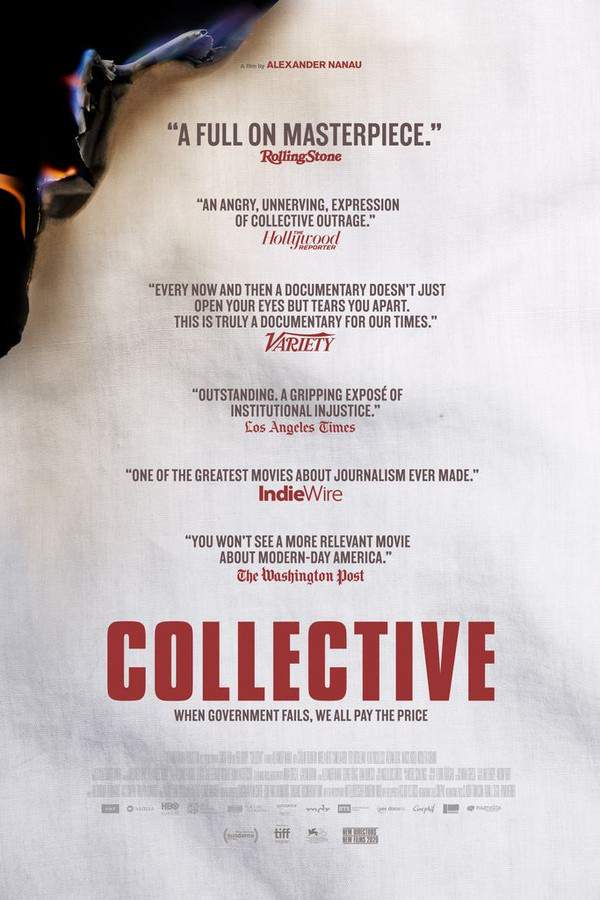

Crack epidemic and drug war stories like White Boy

Young lives swallowed by crack epidemic corruption, racial politics, and ruthless power. Movies like White Boy explore the human cost of the drug war, following young people pulled into the crack trade and exploited by dealers, cops, and federal agents alike. This thread gathers crime dramas and documentaries about juvenile injustice, FBI informants, and the racial dynamics that shaped 1980s and 1990s urban America. If you want bleak true stories about political corruption, drug trafficking, and systemic exploitation, these titles deliver powerful parallels.

  • oppressive
  • tragic
  • racial dynamics
  • corrupt system
  • juvenile injustice
  • drug trade
  • Tone: bleak, oppressive, tragic
  • Pacing: steady, descending pressure
Why these movies?

The story pattern: Stories in this thread often center on a young protagonist, sometimes a minority, who is drawn into street-level drug dealing and quickly becomes valuable to law enforcement as an informant. The plot weaves together gangsters, hitmen, federal agents, journalists, and politicians in a tangled web where every player has something to gain from the protagonist's downfall. Themes of grooming, racial profiling, harsh sentencing, and political corruption recur, and the protagonist typically suffers tragic consequences regardless of cooperation. Climaxes expose betrayal rather than redemption.

Why they belong together: These movies share a setting anchored in the American crack epidemic and urban decay, with recurring themes of juvenile exploitation, racial injustice, and corrupt policing. They blend street narrative, political thriller, and true crime elements, often emphasizing how the criminal justice system perpetuates harm against young people of color or vulnerable youth. The tone is oppressive and bleak, pacing steady and investigative, and the intensity runs high because violence, corruption, and injustice are constant pressures.

If you liked this

Movies Like White Boy

Similar movies to White Boy: the same genre, themes or kind of story. Each one comes with its own plot summary, timeline and ending explained.

Browse all movie summaries

Every angle

White Boy (2017) Explained: Plot, Timeline & Characters

Everything about White Boy in one place: what happens in the plot summary, the timeline in chronological order, the characters and meaning and a spoiler-free summary. What's After the Movie adds the cast, box office and post-credit scenes.

Coming soon on iOS and Android

The Plot Explained Movie Summary App

Plot summaries, endings explained and timelines on your phone. Catch up on any movie in minutes, save your favorites and never miss a twist again.

Be the first to know when we launch. Your email stays private, always.

Learn more about the app