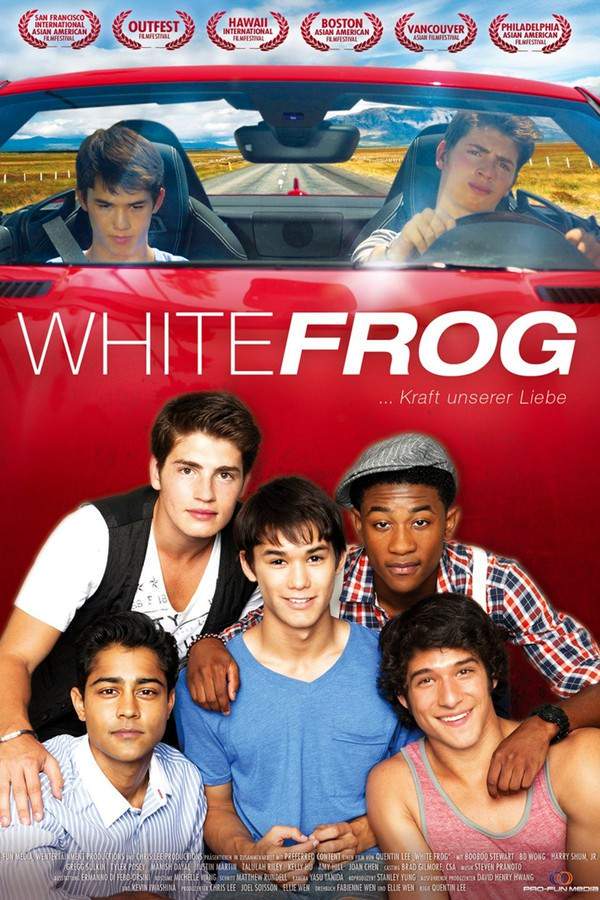
White Frog
Year: 2013
Runtime: 93 min
Language: English
Director: Quentin Lee
Steve, a teenager with Asperger's syndrome, lives a life defined by routine and structure. Following the sudden loss of his older brother, he unexpectedly finds himself connecting with a group of unconventional friends. Through shared experiences and mutual support, Steve begins a journey of self-discovery, learning to cope with grief and navigate the challenges of social interaction while searching for belonging.
White Frog (2013) – Spoiler-Free Movie Summary & Plot Overview
Get a spoiler-free look at White Frog (2013) with a clear plot overview that covers the setting, main characters, and story premise—without revealing key twists or the ending. Perfect for deciding if this film is your next watch.
In the quiet suburbs of a modern American town, Steve navigates life with the meticulous precision that his Asperger’s syndrome demands. Every day is a carefully choreographed routine—school, homework, the predictable rhythms of family meals—providing the stability he relies on. Yet the sudden loss of his older brother, a charismatic presence who once filled the gaps between Steve’s ordered world and the chaos beyond, shatters that calm, leaving a hollow that routine alone cannot mend.
The film gently introduces a circle of unconventional friends who drift into Steve’s orbit, each carrying their own quirks and hidden struggles. Their tentative camaraderie offers a glimpse of a world that feels simultaneously unfamiliar and inviting, inviting Steve to step beyond the borders of his comfort zone. Through shared laughter, awkward moments, and quiet support, the group becomes a modest sanctuary where differences are not only accepted but celebrated.
Against a backdrop of soft, natural lighting and a muted color palette, the tone balances introspection with understated humor. The director’s subtle use of close‑ups captures Steve’s internal landscape—his sensory sensitivities, fleeting anxieties, and the slow, steady growth of confidence. The atmosphere feels both intimate and expansive, suggesting that grief and self‑discovery are universal experiences, even as the story remains rooted in Steve’s uniquely personal journey.
As the narrative unfolds, Steve is gently urged to confront the grief that binds him to his brother’s memory while learning to trust the unpredictable currents of friendship. The film promises a moving exploration of how an unlikely community can illuminate the paths toward belonging, acceptance, and a renewed sense of self, all without ever sacrificing the quiet strength of its central character.
Last Updated: August 10, 2025 at 06:31

Explore Movie Threads
Discover curated groups of movies connected by mood, themes, and story style. Browse collections built around emotion, atmosphere, and narrative focus to easily find films that match what you feel like watching right now.
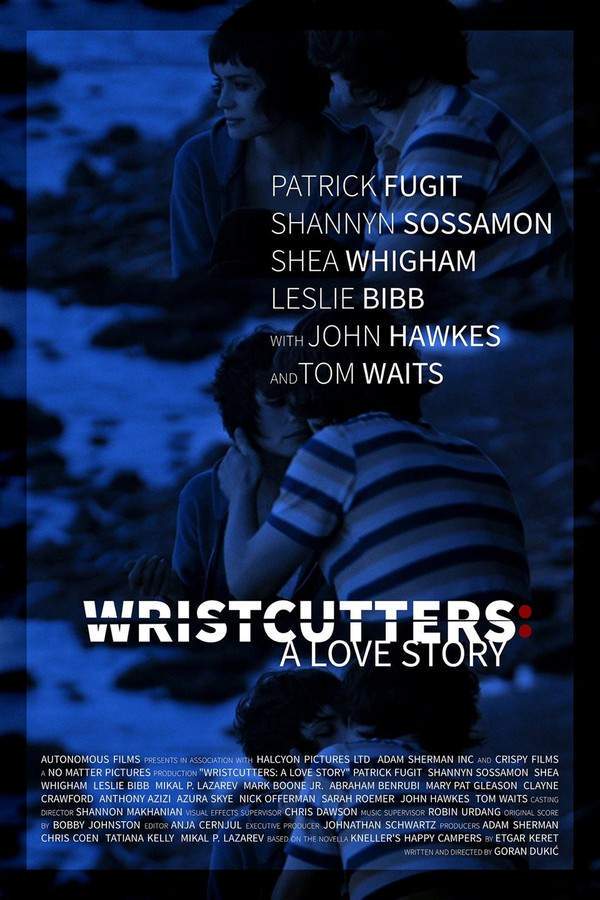
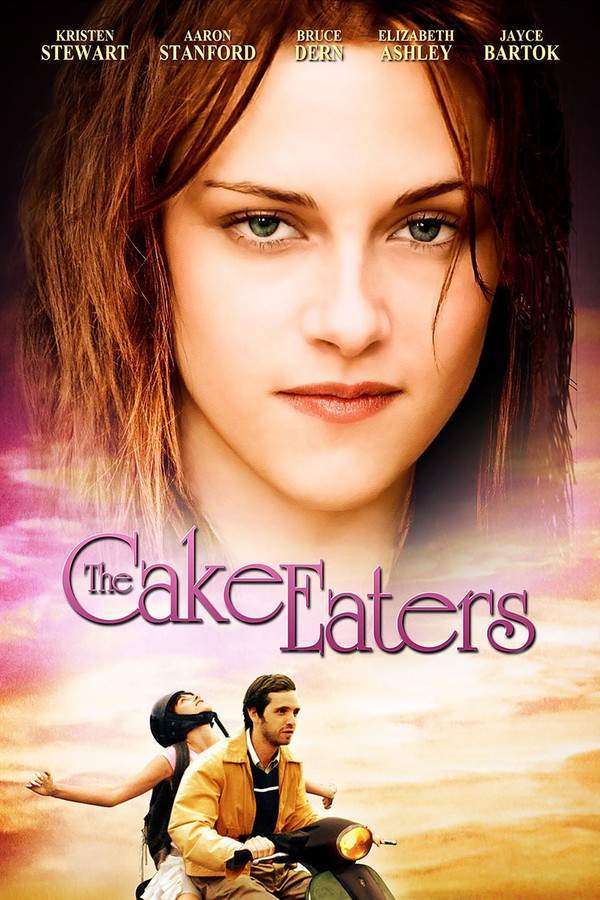
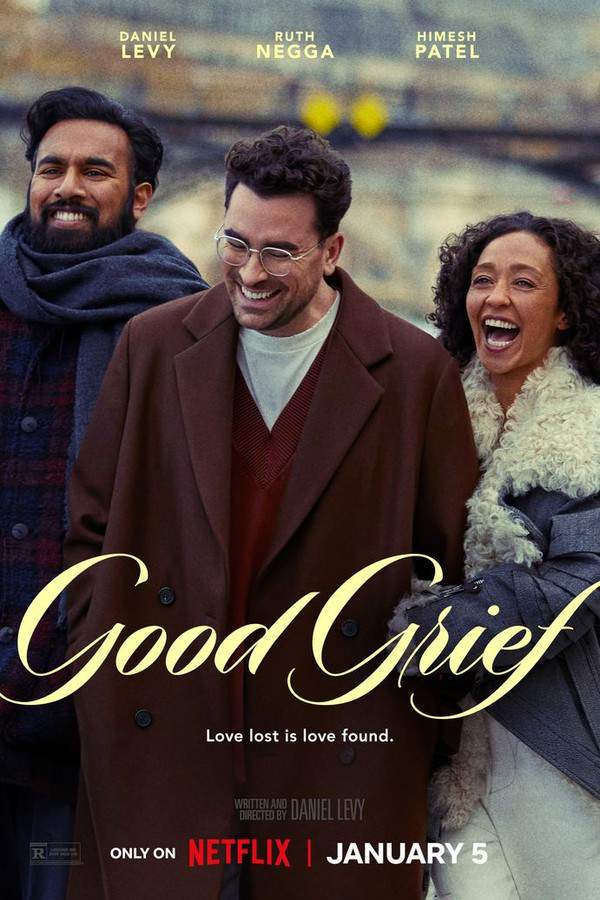
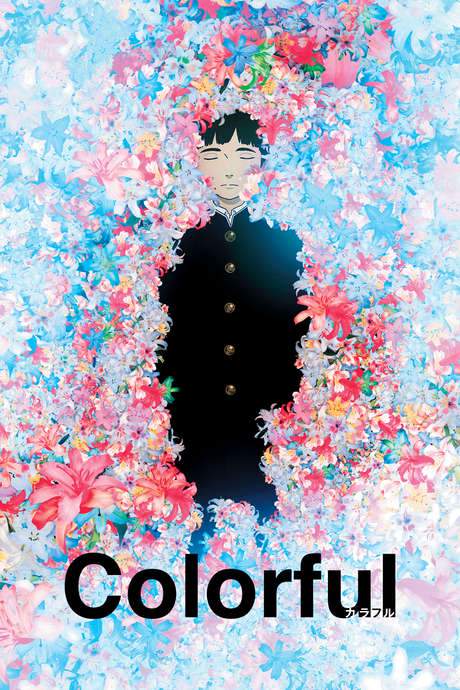
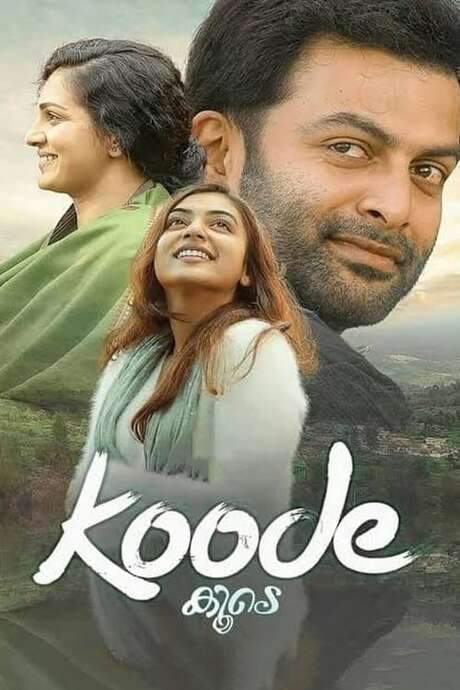
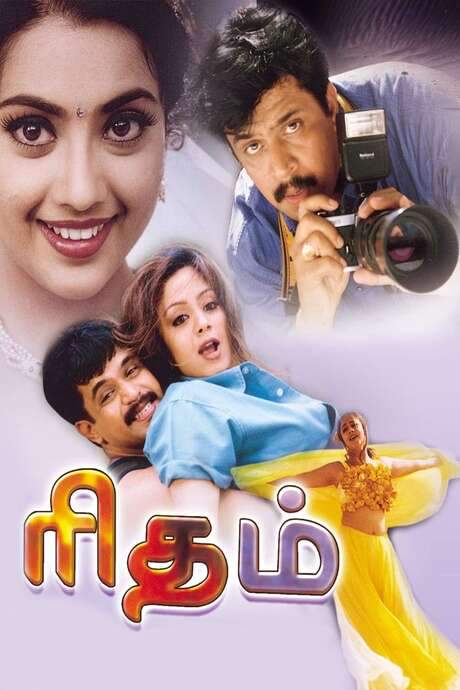
Bittersweet self-discovery stories like White Frog
Stories where profound loss leads to a hopeful understanding of oneself.Find movies like White Frog that explore journeys of self-discovery triggered by grief or loss. These films share a bittersweet tone, steady pacing, and a hopeful but emotionally heavy conclusion, perfect if you appreciated the heartfelt and introspective nature of White Frog.






Narrative Summary
The narrative pattern involves a protagonist facing a catalyst event, often a loss, which disrupts their world and forces them to confront hidden truths about themselves or their loved ones. The journey is internal and external, navigating grief and societal challenges, ultimately leading to catharsis and a more integrated sense of self.
Why These Movies?
These films are grouped by their shared emotional cadence: they balance heavy themes like grief with a steady, character-driven pace and a tone that is decidedly bittersweet. The focus is on the transformative power of difficult experiences, resulting in endings that feel earned and hopeful rather than purely sad.
Movies about found family similar to White Frog
Characters finding support and belonging in unexpected friendships.Discover films like White Frog where a protagonist finds solace and strength in an unconventional group of friends. If you enjoyed the theme of supportive friendships helping a character navigate grief and identity in White Frog, you'll appreciate these stories of found family and belonging.
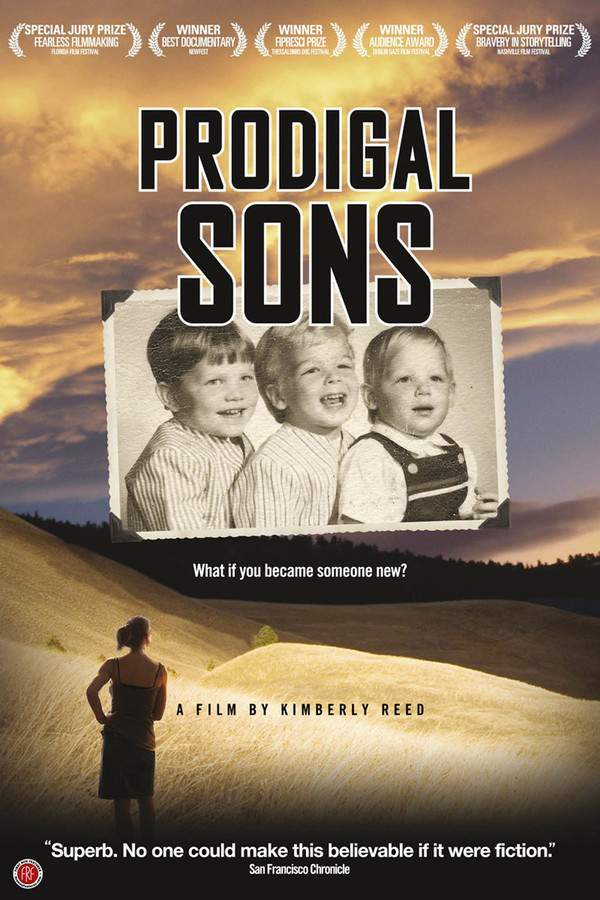
Prodigal Sons
2010
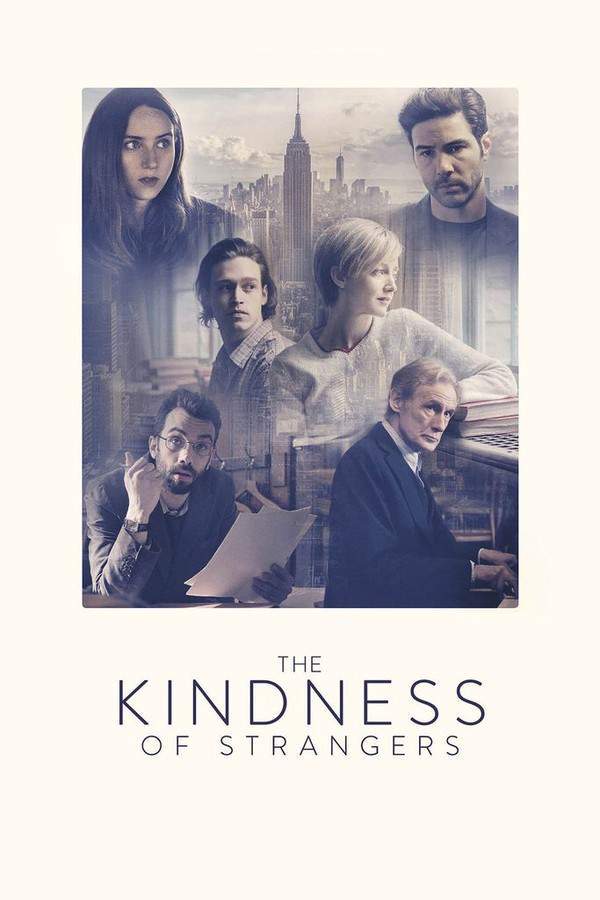
The Kindness of Strangers
2020
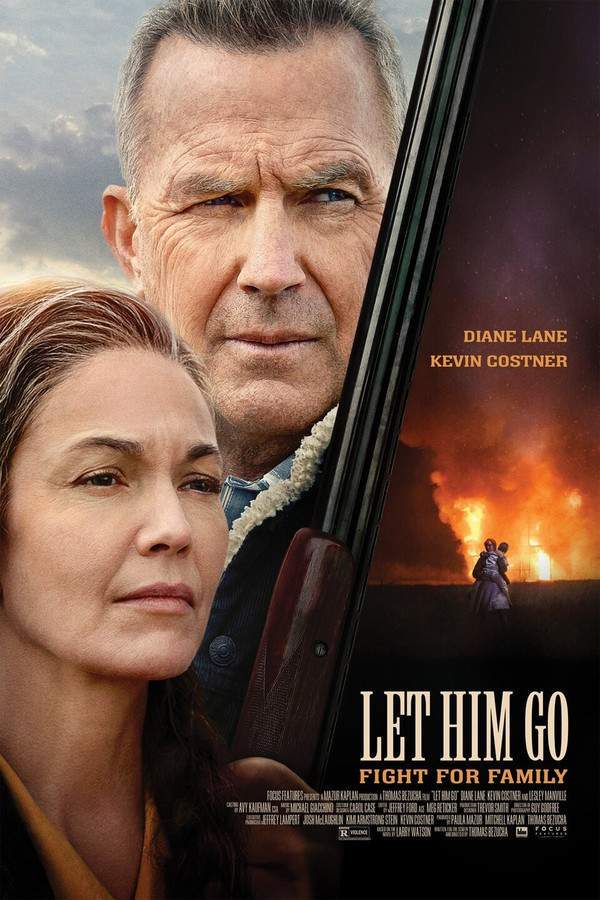
Let Him Go
2020
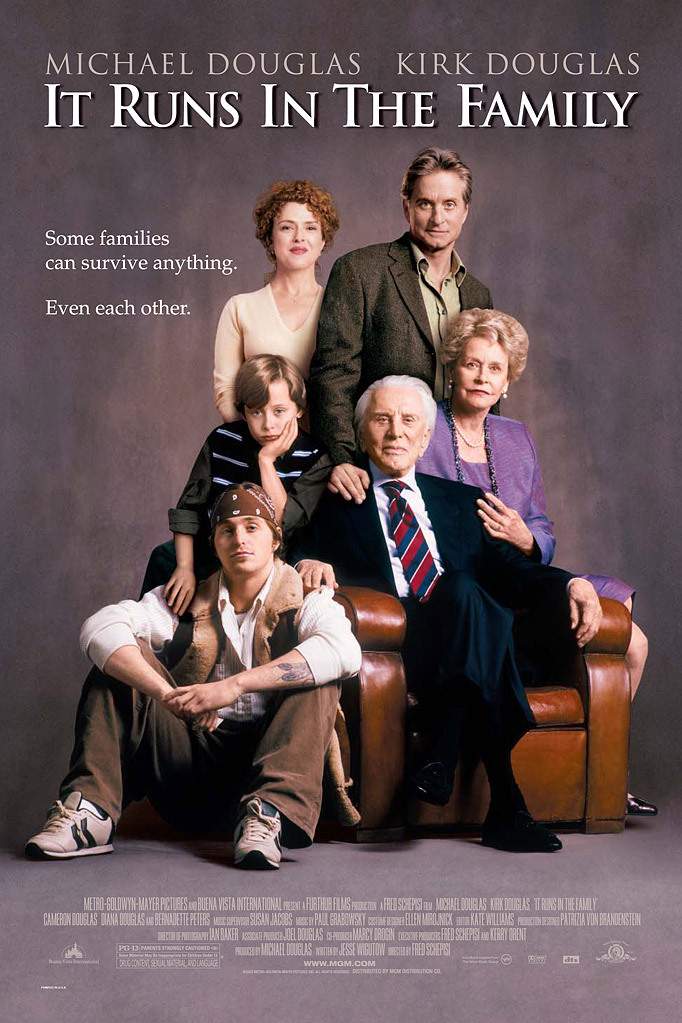
It Runs in the Family
2003

Everybody's Fine
2009
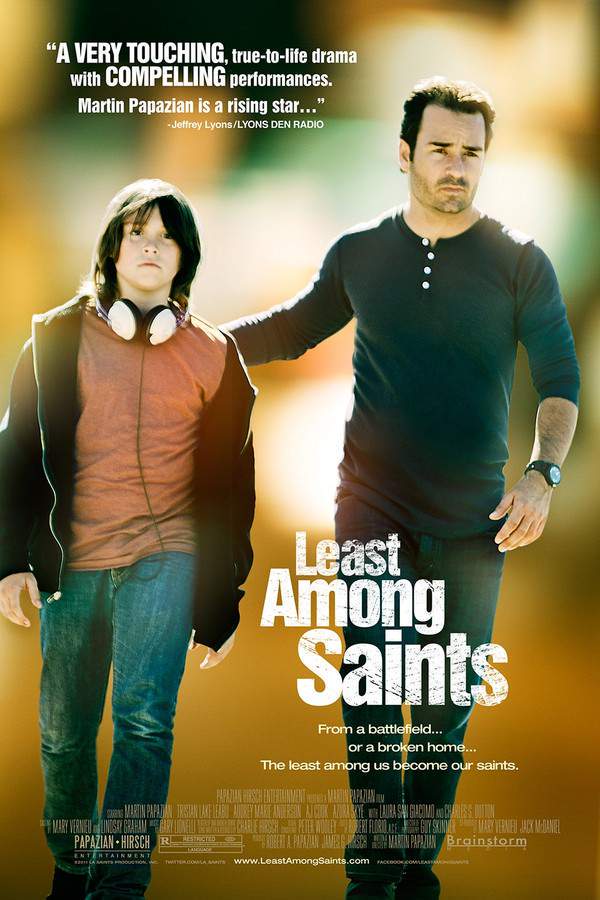
Least Among Saints
2012
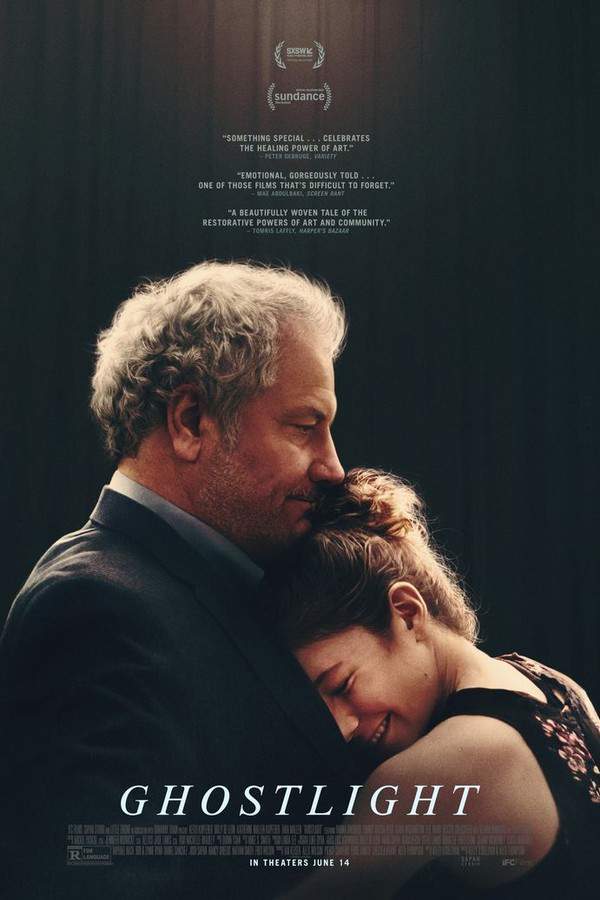
Ghostlight
2024

We Are Family
2010

All About My Father
2002
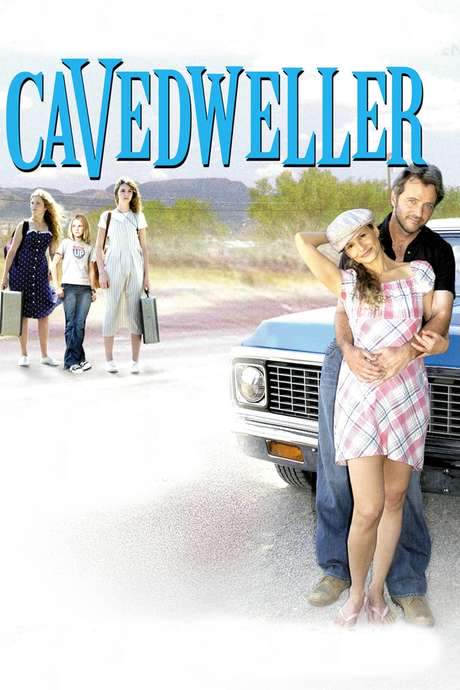
Cavedweller
2004

Fine Things
1990

No Greater Love
1995

The Mighty
1998

Lucky Star
1997

Family of Strangers
1993
Narrative Summary
The narrative follows a protagonist, often feeling like an outsider, who is brought into a circle of people who are also on the fringes. Through shared experiences and mutual acceptance, this group helps each other heal, grow, and face external challenges, demonstrating that family can be chosen.
Why These Movies?
These movies are connected by their core theme of 'found family' as a transformative force. They share a heartfelt mood, a focus on supportive dynamics, and a message about the importance of belonging. The pacing is often steady to allow these relationships to develop authentically.
Unlock the Full Story of White Frog
Don't stop at just watching — explore White Frog in full detail. From the complete plot summary and scene-by-scene timeline to character breakdowns, thematic analysis, and a deep dive into the ending — every page helps you truly understand what White Frog is all about. Plus, discover what's next after the movie.
White Frog Summary
Read a complete plot summary of White Frog, including all key story points, character arcs, and turning points. This in-depth recap is ideal for understanding the narrative structure or reviewing what happened in the movie.

White Frog Timeline
Track the full timeline of White Frog with every major event arranged chronologically. Perfect for decoding non-linear storytelling, flashbacks, or parallel narratives with a clear scene-by-scene breakdown.