
We Can’t Change the World, But We Wanna Build a School in Cambodia
Year: 2011
Runtime: 126 mins
Language: Japanese
Director: Kenta Fukasaku
A young Japanese man named Kota Tanaka (Osamu Mukai) works to raise money and then build an elementary school in Cambodia.
Warning: spoilers below!
Haven’t seen We Can’t Change the World, But We Wanna Build a School in Cambodia yet? This summary contains major spoilers. Bookmark the page, watch the movie, and come back for the full breakdown. If you're ready, scroll on and relive the story!
Timeline – We Can’t Change the World, But We Wanna Build a School in Cambodia (2011)
Trace every key event in We Can’t Change the World, But We Wanna Build a School in Cambodia (2011) with our detailed, chronological timeline. Perfect for unpacking nonlinear stories, spotting hidden connections, and understanding how each scene builds toward the film’s climax. Whether you're revisiting or decoding for the first time, this timeline gives you the full picture.
Last Updated: October 03, 2025 at 10:34

Explore Movie Threads
Discover curated groups of movies connected by mood, themes, and story style. Browse collections built around emotion, atmosphere, and narrative focus to easily find films that match what you feel like watching right now.
Movies about grassroots social change like We Can’t Change the World, But We Wanna Build a School in Cambodia
Ordinary people taking on ambitious projects to make a tangible difference in the world.If you enjoyed watching the determined efforts in We Can’t Change the World, But We Wanna Build a School in Cambodia, you'll appreciate these movies about similar social projects. This list features inspirational dramas and true stories where passionate individuals tackle real-world problems through community action and perseverance.

Small Voices
2003
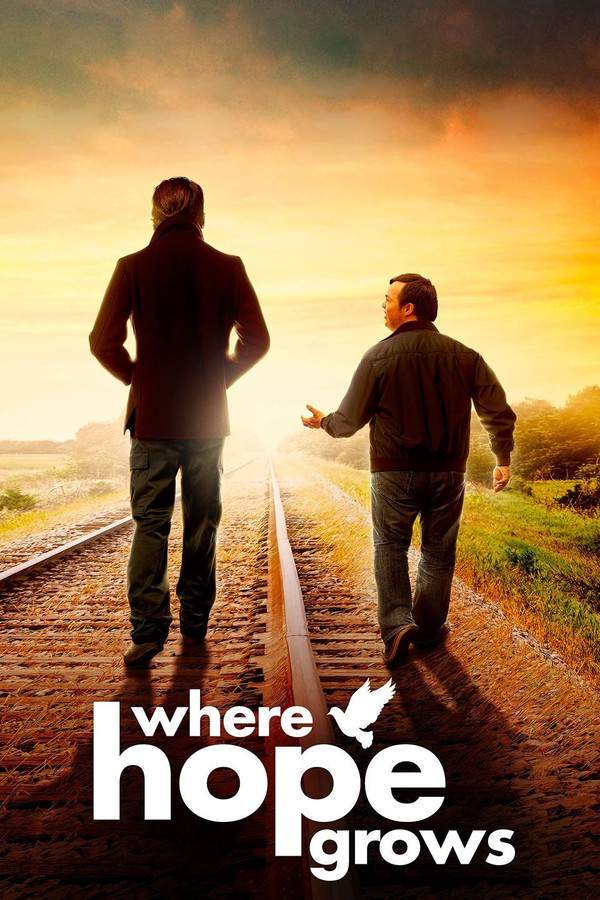
Where Hope Grows
2015
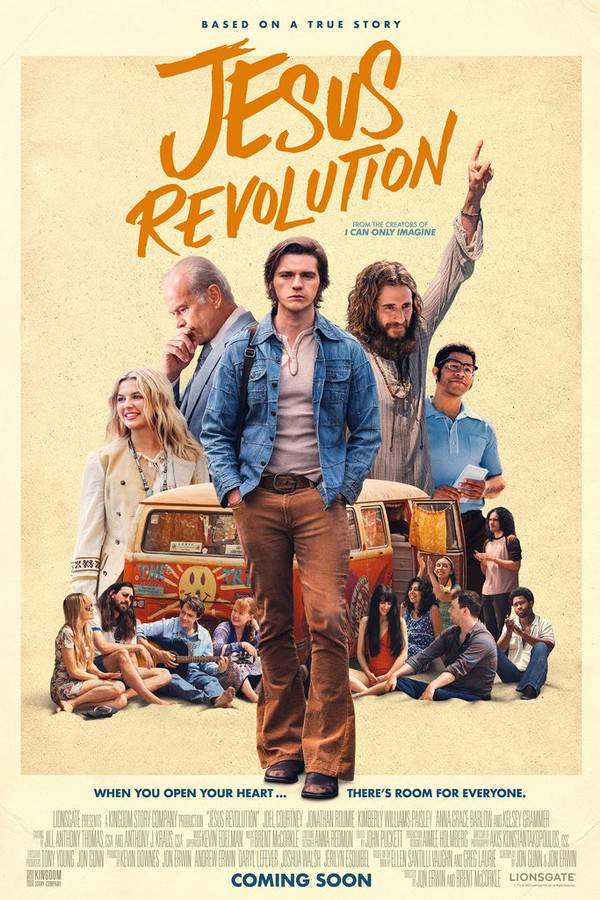
Jesus Revolution
2023

All Saints
2017

Hula Girls
2007
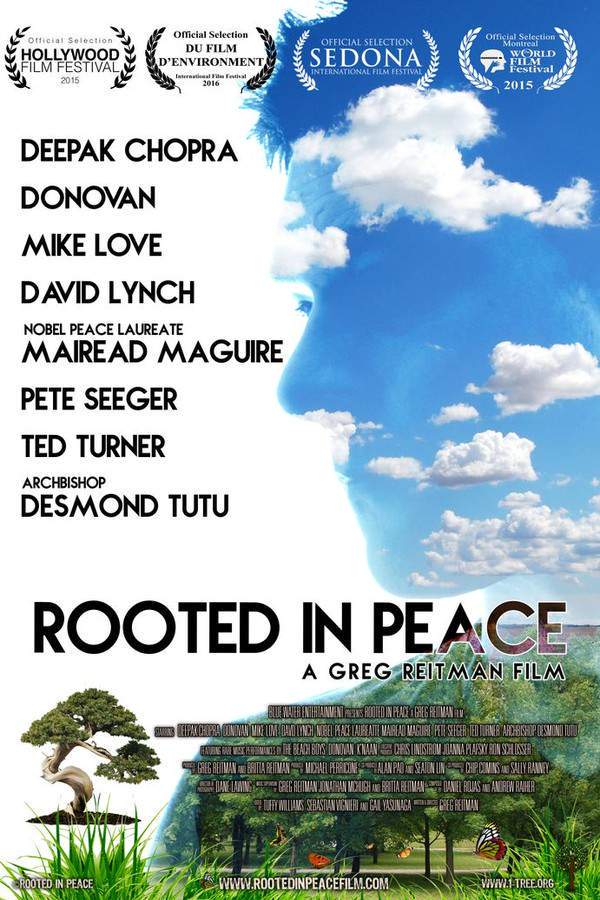
Rooted in Peace
2016
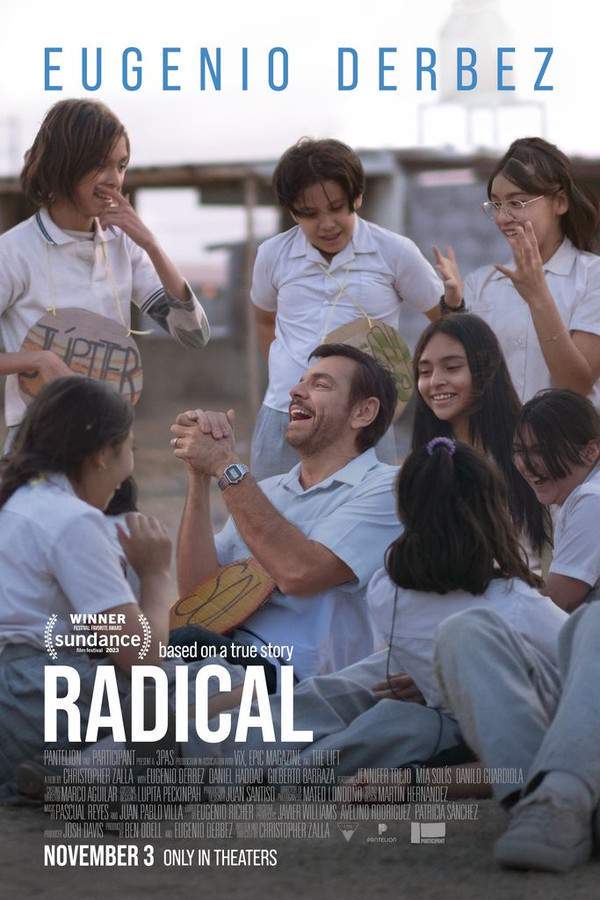
Radical
2023

Green and Gold
2025

How Old Are You
2014
We Can’t Change the World, But We Wanna Build a School in Cambodia
2011

Hope Springs
2003

Tumse Na Ho Payega
2023

We Can Do That
2008

Role Model
2023

Seekers of Happiness
1936
Narrative Summary
Narratives in this thread typically involve a protagonist or group identifying a specific social need, facing logistical and financial hurdles, experiencing setbacks that test their resolve, and ultimately achieving a meaningful, tangible outcome through sheer determination and community support.
Why These Movies?
These films are grouped together because they share a core focus on actionable optimism, depicting the process of social change from conception to execution. They balance the gravity of real-world issues with the uplifting power of individual agency and collective effort.
Character-driven stories of purpose like We Can’t Change the World, But We Wanna Build a School in Cambodia
Characters finding meaning and personal growth by dedicating themselves to a larger cause.Fans of the personal journey in We Can’t Change the World, But We Wanna Build a School in Cambodia will connect with these movies about finding oneself through dedication to a cause. These films focus on characters who grow and discover their strengths by committing to a meaningful project, blending emotional development with a steady, hopeful narrative.

My Name Is Thomas
2019
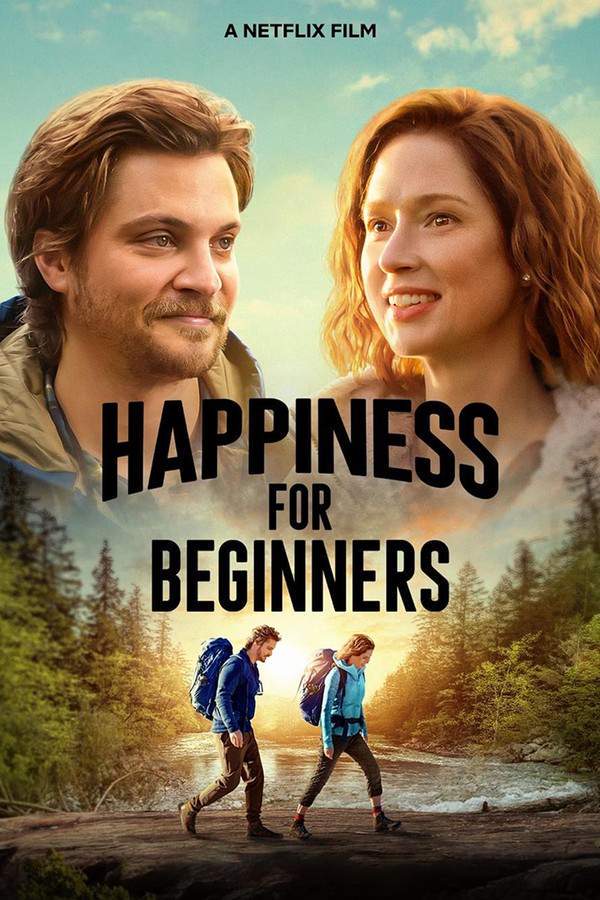
Happiness for Beginners
2023
Where Hope Grows
2015
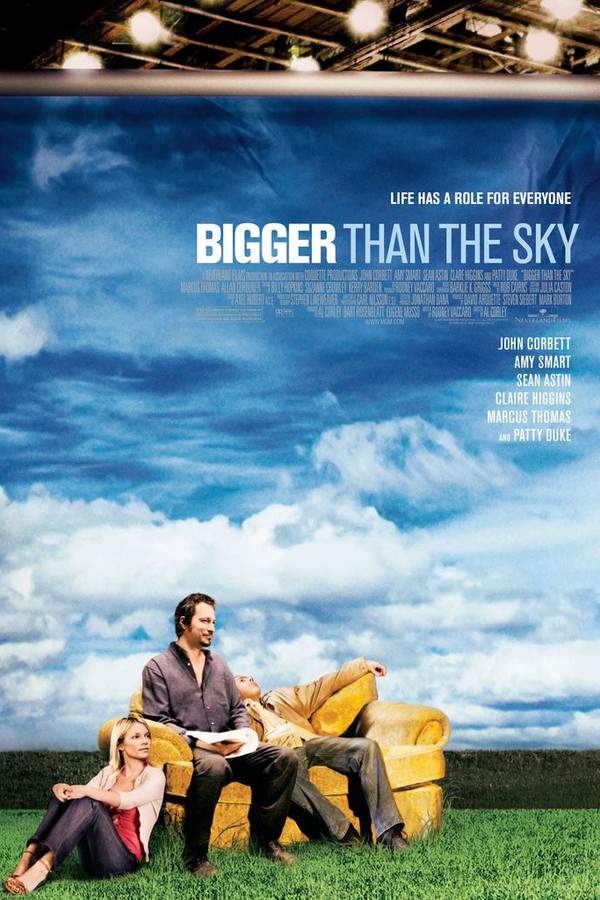
Bigger Than the Sky
2005

Please Stand By
2018
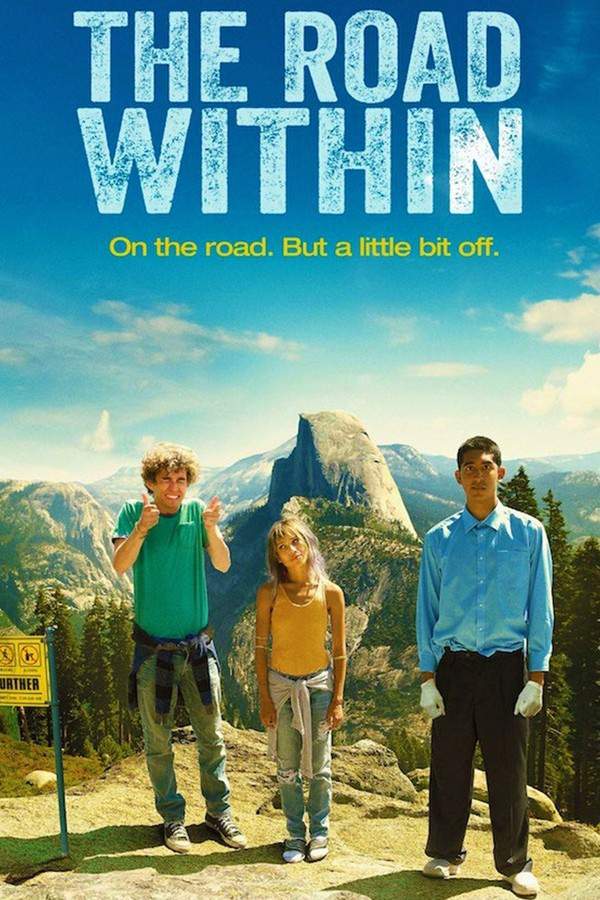
The Road Within
2015

Good Deeds
2012
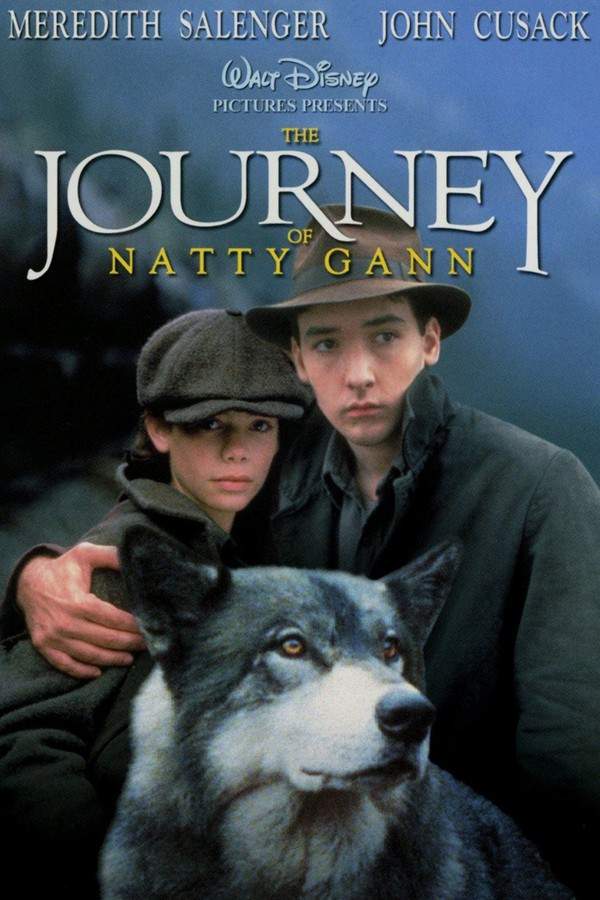
The Journey of Natty Gann
1985
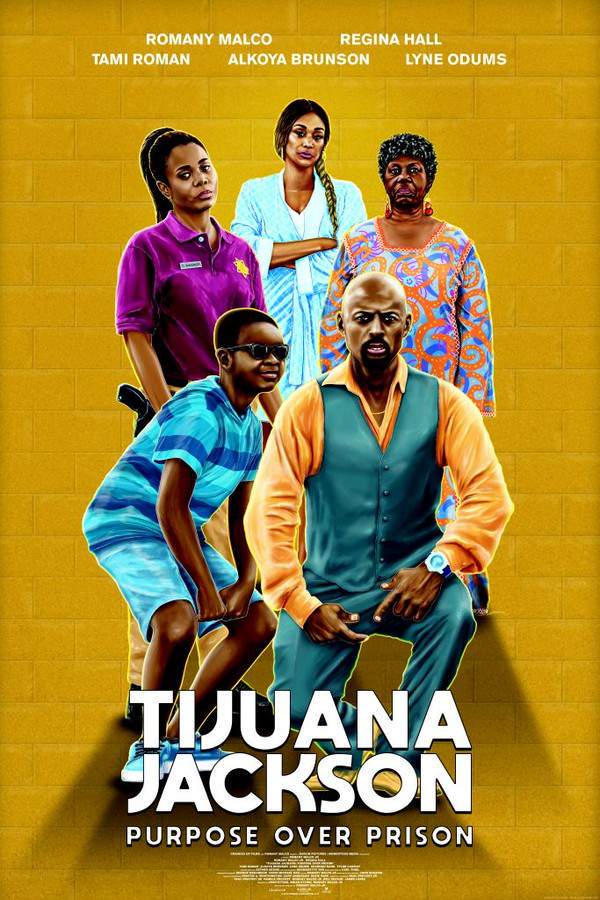
Tijuana Jackson: Purpose Over Prison
2020
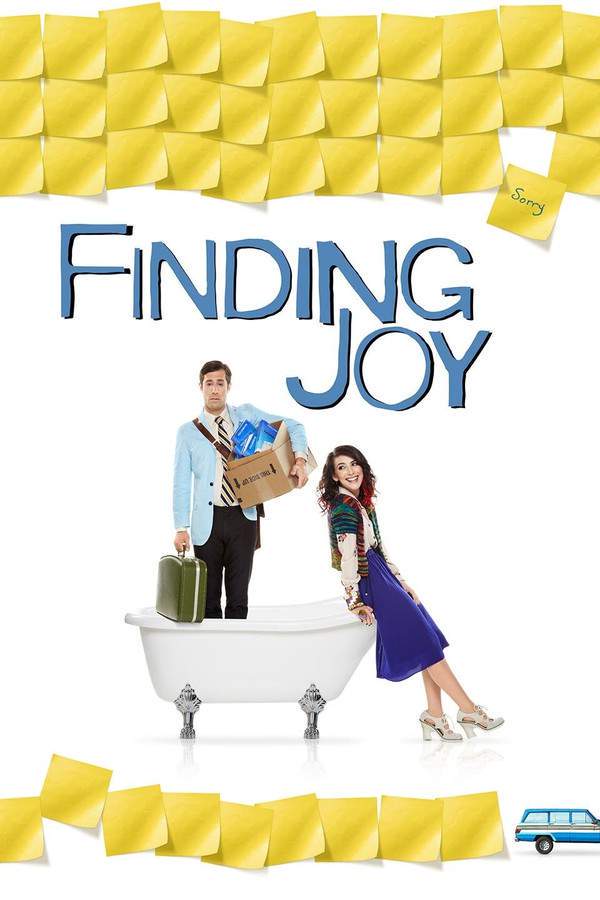
Finding Joy
2013
How Old Are You
2014

Going to Heaven
2015

Role Models
2017

Kilometers and Kilometers
2020
Role Model
2023
Narrative Summary
The pattern involves a protagonist, often at a crossroads, who commits to a challenging external goal. The struggles and successes of the project directly parallel their internal journey, forcing them to confront their limitations, build resilience, and ultimately find a deeper sense of purpose and identity.
Why These Movies?
These movies are united by their dual focus on an external mission and an internal transformation. The steady pacing allows for character development, while the hopeful tone ensures the journey, despite its challenges, is ultimately rewarding and affirming for both the character and the viewer.
Unlock the Full Story of We Can’t Change the World, But We Wanna Build a School in Cambodia
Don't stop at just watching — explore We Can’t Change the World, But We Wanna Build a School in Cambodia in full detail. From the complete plot summary and scene-by-scene timeline to character breakdowns, thematic analysis, and a deep dive into the ending — every page helps you truly understand what We Can’t Change the World, But We Wanna Build a School in Cambodia is all about. Plus, discover what's next after the movie.
We Can’t Change the World, But We Wanna Build a School in Cambodia Summary
Read a complete plot summary of We Can’t Change the World, But We Wanna Build a School in Cambodia, including all key story points, character arcs, and turning points. This in-depth recap is ideal for understanding the narrative structure or reviewing what happened in the movie.

Characters, Settings & Themes in We Can’t Change the World, But We Wanna Build a School in Cambodia
Discover the characters, locations, and core themes that shape We Can’t Change the World, But We Wanna Build a School in Cambodia. Get insights into symbolic elements, setting significance, and deeper narrative meaning — ideal for thematic analysis and movie breakdowns.

We Can’t Change the World, But We Wanna Build a School in Cambodia Spoiler-Free Summary
Get a quick, spoiler-free overview of We Can’t Change the World, But We Wanna Build a School in Cambodia that covers the main plot points and key details without revealing any major twists or spoilers. Perfect for those who want to know what to expect before diving in.

More About We Can’t Change the World, But We Wanna Build a School in Cambodia
Visit What's After the Movie to explore more about We Can’t Change the World, But We Wanna Build a School in Cambodia: box office results, cast and crew info, production details, post-credit scenes, and external links — all in one place for movie fans and researchers.

Explore More About Movie We Can’t Change the World, But We Wanna Build a School in Cambodia
We Can’t Change the World, But We Wanna Build a School in Cambodia (2011) Plot Summary & Movie Recap
We Can’t Change the World, But We Wanna Build a School in Cambodia (2011) Scene-by-Scene Movie Timeline
We Can’t Change the World, But We Wanna Build a School in Cambodia (2011) Spoiler-Free Summary & Key Flow