Plot Explained Spoilers guaranteed!
Plot Explained

Browse by genre

Wake Me When It’s Over (1960) movie poster

Timeline

Wake Me When It’s Over (1960) Timeline Explained – Every Event in Order

Release, runtime and language
1960 · 126 mins · English
Directed by
Mervyn LeRoy
Starring
Jack Warden, Raymond Bailey, Dick Shawn, Ralph Dumke, Robert Strauss, Don Knotts

Even after the war ends, the hapless Gus Brubaker cannot escape military service and is assigned to a tiny, forgotten Japanese island, where his blundering antics kick off a wildly funny Air Force escapade filled with mishaps, eccentric characters, and chaotic adventure.

On this page (5)
  1. 1 Events in order (14)
  2. 2 Timeline questions answered
  3. 3 Movie threads
  4. 4 Movies like Wake Me When It’s Over
  5. 5 Every angle

14 events in order · contains spoilers

Wake Me When It’s Over Timeline: Events in Chronological Order

Every key event of Wake Me When It’s Over (1960) in order, scene by scene, with when and where it takes place. Use it to untangle flashbacks, time jumps and parallel storylines, to refresh your memory before the sequel or to find the exact scene you are thinking of.

  1. Reinstatement and assignment to Shima

    Following his WWII service, Gus Brubaker is briefly reactivated for GI insurance but a bureaucratic glitch lands him back in uniform. He is posted to a ramshackle radar station on a backwater island near Shima, Japan. The base is lethargic, poorly equipped, and demotivated, setting the stage for the unlikely plan that follows.

    When
    Post-Korean War period (early 1950s)
    Where
    Shima Island, Japan
  2. Capt. Stark's command revives the base

    Capt. Charlie Stark, a free-spirited pilot, takes charge and injects a new energy into the stale unit. His unorthodox style jolts the men from apathy and reminds them of their past function as soldiers. For a moment the base feels alive again.

    When
    Early 1950s
    Where
    Shima Island
  3. Ume Tanaka introduces the hot springs

    Gus meets Ume Tanaka, daughter of the village's wary mayor. She introduces him to a pool of natural hot springs, hinting at possibilities beyond radio towers. The seeds of a hotel project begin to sprout.

    When
    Early 1950s
    Where
    Shima Island, village vicinity
  4. The plan: turn wreckage into a resort

    Gus and Charlie hatch a plan to convert the junk-strewn base into a resort hotel, using the men as labor and the wrecked equipment as building material. Doc Farrington engineers a publicity push, spinning the springs' healing powers to attract attention and investors. The project moves from fantasy to the first concrete steps.

    When
    Early 1950s
    Where
    Hotel Shima site
  5. Nora McKay joins the project

    Doc brings in Lt. Nora McKay to lend order and a feminine touch to the operation. Charlie develops a romantic interest in her, raising personal stakes for the venture. The hotel project gains legitimacy as the military unit rallies around the plan.

    When
    Early to mid-1950s
    Where
    Hotel Shima
  6. The hotel nears completion; staff are chosen

    The airmen transform the facility into a first-class operation, reviving their sense of purpose. Nora staffs the hotel with 40 young women from the village, following local custom that binds them to the project. The makeshift resort begins to take shape as construction continues.

    When
    During construction
    Where
    Hotel Shima
  7. Romance and doubts

    Nora and Charlie fall in love, but Nora questions whether he is marriage material. Their relationship adds emotional tension to the enterprise as expectations clash. As the project nears completion, personal and professional lines blur.

    When
    Mid-1950s
    Where
    Hotel Shima
  8. Martinson's defamatory story threatens the hotel

    Martinson drinks too much and embarrasses himself in front of the guests, then writes a vindictive story painting Hotel Shima as a den of sin. The scandal threatens to derail the venture and undermines the hotel's reputation. The base scrambles to respond to the PR crisis.

    When
    Mid-1950s
    Where
    Hotel Shima
  9. Gus is court-martialed

    Gus is court-martialed as a scapegoat, despite ownership of the hotel by about 100 airmen. The proceedings seem designed to deflect blame from higher-ups. Charlie is outraged and wants to testify, but is transferred away by a reputation-conscious commander to prevent it.

    When
    Mid- to late-1950s
    Where
    Shima base court
  10. Congressional inquiry and a jet-tinged twist

    A congressional panel from Washington launches an investigation, widening the spotlight on the affair. Charlie ends up buzzing the trial in a jet, adding a dramatic twist. Doc Farrington uses inside knowledge of luxury goods from the hotel to pressure Colonel Hollingsworth in exchange for favorable treatment.

    When
    Mid-1950s
    Where
    Washington, DC; Shima base
  11. The trial and Stark's testimony

    Stark testifies on Gus's behalf as the trial erupts with chaotic and comical proceedings. The airmen rally behind their comrade, navigating the courtroom antics and PR storms. The outcome becomes increasingly uncertain as the case unfolds.

    When
    Mid- to late-1950s
    Where
    Base courtroom
  12. Verdict, misidentity, and transfer of power

    Gus is found not guilty on one count but guilty of taking government property. During sentencing, the court discovers it has tried the wrong man due to the earlier error. The panel ultimately frees Gus and assigns Hotel Shima to the people of the island.

    When
    Mid-1950s
    Where
    Courthouse; Hotel Shima
  13. Reconciliation and engagement

    Charlie and Nora reconcile their earlier differences and decide to marry, signaling a personal triumph amid the upheaval. The project and relationships stabilize as the island community aligns with the hotel’s future.

    When
    After verdict
    Where
    Hotel Shima
  14. Farewell and new beginnings

    Gus says goodbye to Ume and prepares to depart. He observes Colonel Hollingsworth has been demoted to sergeant and reassigned to the base, marking a shift in command. Ume waves farewell as Gus heads home, closing this chapter on the island.

    When
    Ending scene
    Where
    Shima Island; base

Last updated: October 09, 2025 at 11:01

Was this helpful?

Timeline questions answered

Wake Me When It’s Over Timeline Explained: Your Questions Answered

When does it happen, and why in that order? The questions people ask about the chronology of Wake Me When It’s Over (1960): time jumps, flashbacks, cause and effect between scenes and the correct order of events, each answered with spoilers.

Q1

Why was Gus Brubaker reactivated for military service after the war ended?

Gus was briefly reactivated because his wife pushed him to apply for G.I. insurance benefits after the Korean War. However, a bureaucratic mix-up occurred where he was mistakenly listed as killed in action, then reactivated and reassigned to a rundown radar outpost on Shima Island. This bureaucratic error trapped him back in uniform despite the war being over.

Foreshadowing: The film establishes early on that military paperwork is notoriously unreliable, setting up the chain of errors that define Gus's situation.

  • gus brubaker
  • military reactivation
  • gi insurance
  • bureaucratic error
Q2

How did the idea to turn the radar base into Hotel Shima come about?

The hotel project began when Ume Tanaka, daughter of the island's mayor, introduced Gus to natural hot springs on the island. Gus and Captain Charlie Stark then hatched a plan to transform the junk-strewn radar station into a resort hotel, using the men as labor and the existing wreckage as building material. Doc Farrington helped by promoting the springs' supposed healing properties to attract publicity.

Foreshadowing: The hot springs are introduced as a hidden gem early in the film, foreshadowing their central role in the resort's creation.

  • hotel shima
  • hot springs
  • radar base
  • Charlie Stark
  • Ume Tanaka
Q3

Why was Gus Brubaker court-martialed when the hotel was a group project?

Gus was made the scapegoat for the hotel venture despite approximately 100 airmen owning and operating it. When journalist Joab Matinson wrote a scandalous article portraying Hotel Shima as a den of vice, the military needed someone to blame to protect higher-ranking officers. Gus, as the self-described 'schnook,' became the convenient target for a court-martial.

Foreshadowing: The film establishes early that Gus is often the one who ends up taking responsibility for group schemes, hinted at by his 'schnook' characterization.

  • court-martial
  • scapegoat
  • joab matinson
  • hotel shima scandal
Q4

What happened with the court-martial verdict and why was the wrong man tried?

The court found Gus not guilty on one charge but guilty of taking government property. However, during sentencing, the court realized it had been trying the wrong man due to the earlier bureaucratic error, Gus had been incorrectly listed as killed and reactivated, creating a case of mistaken identity. The panel ultimately absolved Gus completely and transferred Hotel Shima to the islanders.

Foreshadowing: The opening bureaucratic mistake of listing Gus as killed creates the legal flaw that eventually saves him.

  • verdict
  • wrong man
  • bureaucratic error
  • identity mixup
Q5

Why did Captain Charlie Stark fly a jet over the courtroom during the trial?

Charlie Stark buzzed the trial in a jet as a dramatic protest against the court-martial of Gus. He wanted to testify on Gus's behalf but had been transferred away by commanders who were concerned about the military's reputation. His airborne demonstration was both a personal stand and a chaotic interruption of the proceedings.

Foreshadowing: Charlie's character is established early as a free-spirited pilot who thrives on mischief, explaining his unorthodox protest method.

  • charlie stark
  • jet
  • courtroom protest
  • testimony
Q6

How did Nora McKay and Charlie Stark's relationship develop throughout the film?

Nora McKay was brought in by Doc Farrington to add discipline and a feminine touch to the hotel operation. Charlie developed a romantic interest in her, and as they worked together on the project, they fell in love. However, Nora questioned whether Charlie was marriage material, creating tension. They ultimately reconciled after the trial and decided to marry.

Foreshadowing: Charlie's interest in Nora is visible from the moment she arrives at the base, driving much of the personal tension throughout the film.

  • nora mckay
  • charlie stark
  • romance
  • wedding
Q7

What was the arrangement with the 40 young women from the village working at Hotel Shima?

Nora was tasked with staffing the hotel with 40 young women from the village, following a local custom where they were 'sold' to Gus as their papa-san for two years. This arrangement created cultural tension and complicated the relationships within the military community, while also giving the hotel legitimate staffing for the resort.

Foreshadowing: The power dynamic between the military men and village women is hinted at when Ume first introduces Gus to the hot springs, establishing the cultural complexity.

  • village women
  • hotel staff
  • cultural custom
  • papa-san
Q8

Why did Joab Matinson write the defamatory story about Hotel Shima?

Joab Matinson was a journalist who teamed up with Doc Farrington to promote the hotel's healing waters. After drinking too much and embarrassing himself in front of the hotel guests, he became embittered and wrote a sensational story painting Hotel Shima as a den of vice. This vindictive article sparked the scandal that led to Gus's court-martial.

Foreshadowing: Doc's initial promotion of the water's 'healing powers' is somewhat exaggerated, setting up the theme of exaggerated claims that Matinson later twists maliciously.

  • joab matinson
  • scandal
  • defamatory article
  • hotel reputation
Q9

What happened to Colonel Hollingsworth by the end of the film?

Colonel Hollingsworth, who had been the base commander opposing the hotel project, was demoted to sergeant and reassigned to the radar base. This marked a complete shift in command and served as a quiet resolution to the power struggle between the military hierarchy and the hotel venture.

Foreshadowing: Hollingsworth's opposition to the hotel project positions him as an antagonist whose downfall becomes inevitable as the story progresses.

  • colonel hollingsworth
  • demotion
  • sergeant
  • base commander
Q10

How did Doc Farrington influence the court proceedings?

Doc Farrington used his position and inside knowledge of the hotel's luxury goods to pressure and manipulate Colonel Hollingsworth during the trial. He leveraged the base's excess inventory to bolster his case, working behind the scenes to support Gus while the chaotic courtroom proceedings unfolded.

Foreshadowing: Doc's character is established early as someone who 'knows how to bend rules for a laugh,' explaining his unconventional courtroom tactics.

  • doc farrington
  • colonel hollingsworth
  • pressure
  • court manipulation
Q11

What was the significance of Gus saying goodbye to Ume Tanaka at the end?

Gus shared a poignant farewell with Ume Tanaka, the mayor's daughter who had helped launch the hotel project and become his friend. This moment provided emotional closure to their relationship, marking the end of Gus's chapter on the island while leaving the transformed Hotel Shima in the hands of the island community.

Foreshadowing: Ume's introduction of the hot springs and her involvement in the project foreshadows her meaningful connection to Gus and the island's future.

  • gus brubaker
  • ume tanaka
  • farewell
  • hotel shima
  • island community

Movie threads

More Movies Like Wake Me When It’s Over, by Mood & Story

Curated lists built around what makes Wake Me When It’s Over tick: the same mood, the same kind of story or the same emotional payoff. Each list explains why these movies belong together.

Military Farce Comedies like Wake Me When It’s Over

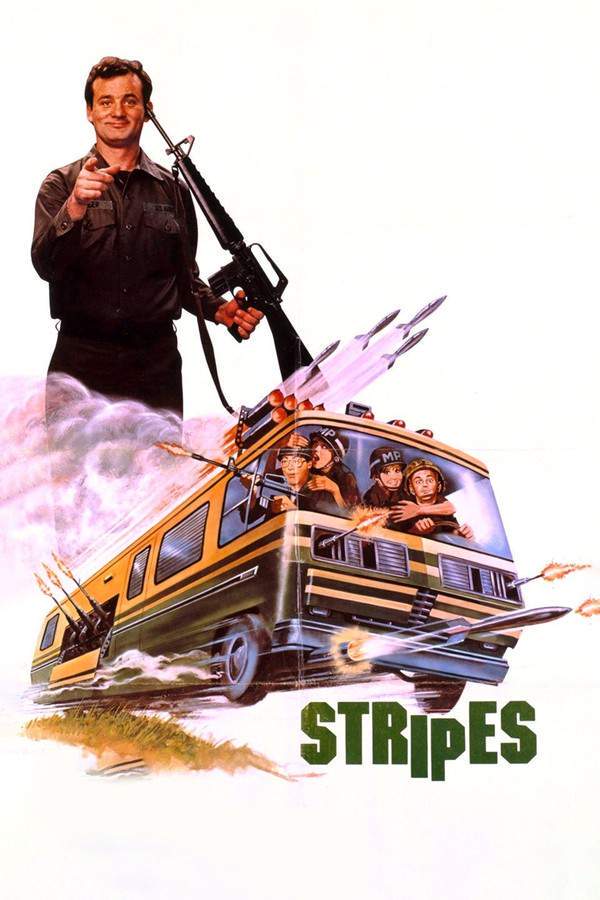
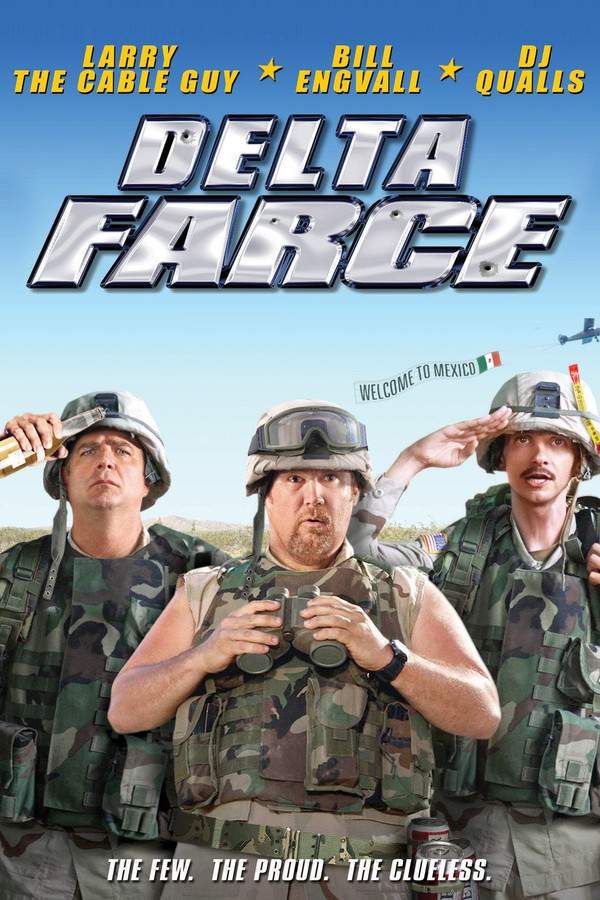
Mishaps and camaraderie in absurd military situations far from the front lines. If you enjoyed the chaotic, lighthearted antics in Wake Me When It’s Over, you'll love these other military farces. Discover movies featuring hilarious schemes, eccentric characters, and a strong sense of camaraderie, all set within the absurd confines of military life away from any real action.

  • comedic
  • mischievous
  • camaraderie
  • chaotic
  • uplifting
  • bureaucratic
  • Tone: light, whimsical
  • Pacing: steady, escalating
Why these movies?

The story pattern: Stories typically begin with a protagonist, often hapless or mischievous, being assigned to a seemingly insignificant post. Their attempts to improve their lot, whether through an illicit business, a romantic pursuit, or simply avoiding work, inadvertently create a sprawling, chaotic situation that tests their ingenuity and forges strong bonds with their fellow outcasts, leading to a comedic crisis and a happy resolution.

Why they belong together: These films are grouped by their shared light tone, steady pacing of escalating antics, and focus on the humorous friction between individual initiative and rigid military bureaucracy. They deliver a consistent experience of optimistic, uplifting comedy rooted in character-driven mishaps and the triumph of camaraderie over authority.

Movies about Accidental Entrepreneurs like Wake Me When It’s Over

Characters who stumble into building a successful, chaotic enterprise against all odds. Fans of Wake Me When It’s Over will enjoy these stories of improvised success. Explore movies where characters stumble into building a thriving enterprise from scratch, filled with comedic challenges, romantic subplots, and a heartwarming sense of community that emerges from the chaos.

  • improvised
  • enterprising
  • chaotic growth
  • community
  • lighthearted
  • optimistic
  • Tone: lighthearted, uplifting
  • Pacing: steady, building
Why these movies?

The story pattern: The plot follows a simple pattern: a character with no particular ambition finds themselves with an unexpected opportunity or problem. Their well-intentioned but clumsy solution gains unexpected momentum, snowballing into a full-fledged operation that attracts a cast of helpers and inevitably draws the attention of authorities, leading to a crisis that ultimately validates their unorthodox success.

Why they belong together: These movies share a specific narrative arc of organic, chaotic creation. They are united by a light, optimistic tone where the journey from nothing to something is the primary source of comedy and warmth. The pacing is steady, focused on the incremental and often hilarious building process.

If you liked this

Movies Like Wake Me When It’s Over

Similar movies to Wake Me When It’s Over: the same genre, themes or kind of story. Each one comes with its own plot summary, timeline and ending explained.

Browse all movie summaries

Every angle

Wake Me When It’s Over (1960) Explained: Plot, Timeline & Characters

Everything about Wake Me When It’s Over in one place: what happens in the plot summary, the timeline in chronological order, the characters and meaning and a spoiler-free summary. What's After the Movie adds the cast, box office and post-credit scenes.

Coming soon on iOS and Android

The Plot Explained Movie Summary App

Plot summaries, endings explained and timelines on your phone. Catch up on any movie in minutes, save your favorites and never miss a twist again.

Be the first to know when we launch. Your email stays private, always.

Learn more about the app