Plot Explained Spoilers guaranteed!
Plot Explained

Browse by genre

Wake Me When It’s Over (1960) movie poster

Characters & Themes

Wake Me When It’s Over (1960) Characters, Setting & Themes Explained

Release, runtime and language
1960 · 126 mins · English
Directed by
Mervyn LeRoy
Starring
Jack Warden, Raymond Bailey, Dick Shawn, Ralph Dumke, Robert Strauss, Don Knotts

Even after the war ends, the hapless Gus Brubaker cannot escape military service and is assigned to a tiny, forgotten Japanese island, where his blundering antics kick off a wildly funny Air Force escapade filled with mishaps, eccentric characters, and chaotic adventure.

On this page (7)
  1. 1 Characters explained (7)
  2. 2 Where & when it takes place
  3. 3 Themes & meaning (4)
  4. 4 Character & meaning questions
  5. 5 Movie threads
  6. 6 Movies like Wake Me When It’s Over
  7. 7 Every angle

7 main characters · contains spoilers

Wake Me When It’s Over Characters Explained: Who Is Who

The main characters of Wake Me When It’s Over (1960), heroes and villains: what drives them, how they change over the course of the story and what each of them reveals about the film's bigger ideas.

  • Gus Brubaker (Dick Shawn)

    A self-described schnook and war veteran who returns to service after a bureaucratic error. He channels his frustration into the Hotel Shima project, seeking purpose and redemption through hard work and leadership. His resilience and stubborn optimism drive the island venture, even as he faces public scrutiny and the risk of being scapegoated.

    • 🎭 Ambition
    • 🧭 Veteran resilience
    • 🏨 Project leadership
  • Captain Charlie Stark (Ernie Kovacs)

    A free-wheeling, nonconformist Air Force pilot who leads the base with humor and audacity. He becomes deeply involved in the hotel project and develops a complicated romance with Nora. His actions during the trial—testifying and buzzing the trial—show his willingness to challenge authority for a cause and for his friends.

    • 🎯 Charismatic leader
    • ❤️ Romantic
    • 🛩️ Maverick
  • Captain Dave 'Doc' Farrington (Jack Warden)

    The unit's schemes mastermind who uses the water’s supposed healing powers to gain free publicity for Hotel Shima. His opportunistic streak creates tension with others, while his influence illustrates how marketing and perception can sway public opinion. He becomes a controversial figure when the scheme collides with official investigations.

    • 🕴️ Schemer
    • 🗞️ Media savvy
    • 🧪 Controversial
  • Lt. Nora McKay (Margo Moore)

    A practical and capable officer who helps staff the hotel and oversees recruitment of village girls as workers. She becomes romantically involved with Charlie, balancing duty with personal feelings. Her role anchors the human side of the project and the emotional arc of the lovers within the military setting.

    • 👩‍✈️ Capable leadership
    • 💞 Romantic arc
    • 🗣️ Moral center
  • Ume Tanaka (Nobu McCarthy)

    Daughter of the village’s unfriendly mayor who befriends Gus and guides him to the hot springs pool. Her presence ties the local community to the project and her farewell wave at the end marks the island’s acceptance of the new order. She embodies the bridge between military intrusion and local life.

    • 🌊 Local guide
    • 🏯 Community liaison
    • 💧 Cultural bridge
  • Col. Archie Hollingsworth (Parley Baer)

    A reputation-conscious senior officer who becomes an adversary to the hotel project and to Gus during the trial. He is central to the political and disciplinary maneuvering surrounding Hotel Shima. His demotion to sergeant at the end signals a shift in power and accountability.

    • 🏛️ Authority figure
    • ⚖️ Trial involvement
    • 🔄 Power dynamics
  • Joab Matinson (Robert Emhardt)

    A journalist who becomes entangled with the hotel project, initially used by Doc Farrington for publicity. His drinking and reporting help drive the controversy surrounding Hotel Shima. His presence underscores the impact of media on military ventures and public perception.

    • 📰 Media presence
    • 🗺️ Investigative lens
    • 🗣️ Public scrutiny

Last updated: October 04, 2025 at 16:48

Was this helpful?

Setting

Where and When Does Wake Me When It’s Over Take Place?

The setting of Wake Me When It’s Over (1960): the year and time period, the places and locations, and how they shape the characters, the mood and the tension of the story.

Time period

Early 1950s

The story unfolds shortly after the Korean War, a time of demobilization and bureaucratic bungles. Veterans adjust to peacetime life while continuing to operate under limited resources. The period frames the men’s attempt to reclaim purpose through humor, camaraderie, and a risky business venture.

Location

Shima Island, Japan

An isolated radar station sits on a ramshackle backwater island near Shima, Japan, where a small Air Force unit operates with outdated gear. The men transform the derelict base into the Hotel Shima around natural hot springs, hoping to lift morale and draw attention. The village and its customs intertwine with the base, shaping the project and the relationships that unfold.

  • 🏝️ Island setting
  • 🧭 Post-war base
  • 🏨 Hotel Shima

Last updated: October 04, 2025 at 16:48

Was this helpful?

4 major themes

Wake Me When It’s Over Meaning: Themes & Message Explained

What is Wake Me When It’s Over (1960) really about? The emotional, social and philosophical themes the film keeps returning to, its symbolism and the message beneath the surface.

  • Redemption

    Gus Brubaker seeks a second chance after being wrongfully kept in uniform. The Hotel Shima project gives him a concrete goal and a chance to prove himself beyond the label of a schnook. The trial and public scrutiny test his resolve, while the island’s community rallies around his reinvention. In the end, redemption comes through communal effort rather than individual blame.

  • Bureaucracy

    A red-tape foulup lands Gus back in uniform and triggers a congressional investigation. The investigation exposes the fragility of decision-making processes and the thin line between accountability and scapegoating. Attempts at publicity for Hotel Shima collide with official scrutiny and political maneuvering. The episode highlights how institutions can both defend and derail personal ambitions.

  • Morale

    The hotel project injects energy and purpose into a bored, slovenly unit, reconstituting a sense of military camaraderie. The men rally around a tangible goal, turning a run-down facility into a functioning resort. Humor, risk, and teamwork replace apathy as they rebuild the base and their own spirits. The revival culminates in a communal achievement that forces them to redefine what the unit stands for.

  • Love

    Nora McKay and Captain Charlie Stark develop a romantic tension as they navigate duty, ambition, and affection. Their relationship adds emotional stakes to the trial and the hotel project, offering a personal counterpoint to the larger political drama. The romance helps soften the harsh realities of military life and test their readiness for commitment.

Last updated: October 04, 2025 at 16:48

Was this helpful?

Character & theme questions

Wake Me When It’s Over Characters & Meaning: Your Questions Answered

The questions people ask about Wake Me When It’s Over (1960): who the characters really are, their relationships, what the symbols mean, where it takes place and what the movie is really about. Each answer contains spoilers.

Q1

Where is Wake Me When It’s Over set?

The movie takes place on Shima Island, a small Japanese island near Shima. The story centers on an isolated radar station that the Air Force unit transforms into Hotel Shima, a resort built around natural hot springs. The local village and its customs interact with the base throughout the film.

Foreshadowing: The island's remote location and hot springs are introduced early, establishing the setting for the hotel venture.

  • shima island japan
  • setting
  • hotel shima
  • japanese island
  • radar station
Q2

What time period does the movie take place in?

Wake Me When It’s Over is set in the early 1950s, shortly after the Korean War. This was a period of demobilization when many veterans were adjusting to peacetime life while still serving under limited resources. The timing frames the characters' attempts to find purpose after the war through humor, camaraderie, and their unconventional business venture.

  • early 1950s
  • post-korean war
  • time period
  • demobilization
  • peacetime military
Q3

What is Hotel Shima in the movie?

Hotel Shima is the central project of the film, a resort venture that the Air Force unit creates by transforming their derelict radar station into a functioning hotel around natural hot springs. The men hope to lift morale, draw public attention, and reclaim a sense of purpose after years of military boredom. The project becomes both a practical undertaking and a symbol of their attempt to redefine themselves outside of traditional military roles.

  • hotel shima
  • resort
  • hot springs
  • air force base
  • project
  • venture
Q4

How does the movie handle the theme of redemption?

The redemption theme centers on Gus Brubaker, a self-described schnook who was wrongfully kept in uniform due to a bureaucratic error. The Hotel Shima project gives him a concrete goal and a chance to prove himself beyond his label as a failure. Through hard work and leadership, he earns respect from his fellow servicemen and the local community. The film concludes that redemption comes through communal effort rather than individual glory, with the entire unit sharing in the project's success.

Foreshadowing: Gus introduces himself early as someone seeking to prove his worth beyond military mishaps.

  • redemption
  • gus brubaker
  • second chance
  • proof
  • reinvention
  • purpose
Q5

What does the movie say about bureaucracy?

The film portrays bureaucracy as both comedic obstacle and serious threat. A red-tape foulup lands Gus back in uniform and triggers a congressional investigation that exposes how easily individuals can become scapegoats for institutional failures. The investigation clashes with the hotel's publicity efforts, showing how institutions can derail personal ambitions even when those ambitions serve a positive purpose. The thin line between accountability and scapegoating is a central tension.

  • bureaucracy
  • red tape
  • investigation
  • accountability
  • scapegoating
  • congress
Q6

How does the Hotel Shima project affect unit morale?

Before the hotel project, the unit is bored and listless. The venture injects energy and purpose into the men, reconstituting a sense of military camaraderie as they rally around a tangible goal. Humor, risk, and teamwork replace apathy as they transform a run-down facility into a functioning resort. The communal achievement forces them to redefine what their unit stands for, moving from passive service to active creation.

  • morale
  • camaraderie
  • purpose
  • teamwork
  • air force unit
  • transformation
Q7

Who is Gus Brubaker in the movie?

Gus Brubaker is the main protagonist, played by Dick Shawn. He is a self-described schnook and war veteran who returns to military service after a bureaucratic error keeps him from demobilization. Frustrated but resilient, he channels his energy into the Hotel Shima project, seeking purpose and redemption. His stubborn optimism and determination drive the island venture, even as he faces public scrutiny during a congressional investigation.

  • gus brubaker
  • dick shawn
  • protagonist
  • main character
  • veteran
Q8

Who is Captain Charlie Stark?

Captain Charlie Stark, played by Ernie Kovacs, is the free-wheeling, nonconformist Air Force pilot who leads the isolated base. He leads with humor and audacity, becoming deeply involved in the Hotel Shima project. Stark develops a romantic relationship with Lt. Nora McKay and shows his willingness to challenge authority during the trial by testifying and buzzing the courtroom. He represents the rebel spirit that makes the hotel project possible.

  • captain charlie stark
  • ernie kovacs
  • pilot
  • air force
  • leader
  • romance
Q9

Who is Lt. Nora McKay?

Lt. Nora McKay, played by Margo Moore, is a practical and capable officer who helps staff the hotel and recruits local village girls as workers. She serves as a grounding human element in the story, balancing duty with personal feelings as she becomes romantically involved with Captain Charlie Stark. Her role anchors the emotional side of the project and offers a personal counterpoint to the larger political drama surrounding the investigation.

  • nora mckay
  • margo moore
  • lieutenant
  • officer
  • romance
  • hotel staff
Q10

Who is Ume Tanaka in the story?

Ume Tanaka, played by Nobu McCarthy, is the daughter of the village's mayor. She befriends Gus Brubaker and guides him to the hot springs pool, serving as the bridge between the military intruders and the local community. Her presence ties the local village to the Hotel Shima project, and her farewell wave at the end signifies the island's acceptance of the new order. She represents the cultural connection between American military personnel and Japanese civilians.

  • ume tanaka
  • nobu mccarthy
  • mayor's daughter
  • local
  • village
  • bridge
  • cultural
Q11

Who is Colonel Archie Hollingsworth?

Colonel Archie Hollingsworth, played by Parley Baer, is a reputation-conscious senior officer who becomes the main adversary to the Hotel Shima project and to Gus Brubaker during the congressional investigation. He represents the institutional military establishment that opposes the unorthodox venture. His demotion to sergeant at the end signals a shift in power and accountability, rewarding the film's message that bureaucratic rigidity can be overcome by communal effort and authenticity.

  • colonel hollingsworth
  • parley baer
  • antagonist
  • officer
  • investigation
  • authority
Q12

What role does romance play in the movie?

The romance between Lt. Nora McKay and Captain Charlie Stark adds emotional stakes to the film, counterbalancing the political drama surrounding the congressional investigation and the Hotel Shima project. Their relationship develops as they navigate duty, ambition, and personal feelings within the military setting. The romance helps soften the harsh realities of military life and tests both characters' readiness for commitment, adding a personal dimension to the broader narrative about finding purpose.

  • romance
  • love
  • nora mckay
  • charlie stark
  • relationship
  • commitment

Movie threads

More Movies Like Wake Me When It’s Over, by Mood & Story

Curated lists built around what makes Wake Me When It’s Over tick: the same mood, the same kind of story or the same emotional payoff. Each list explains why these movies belong together.

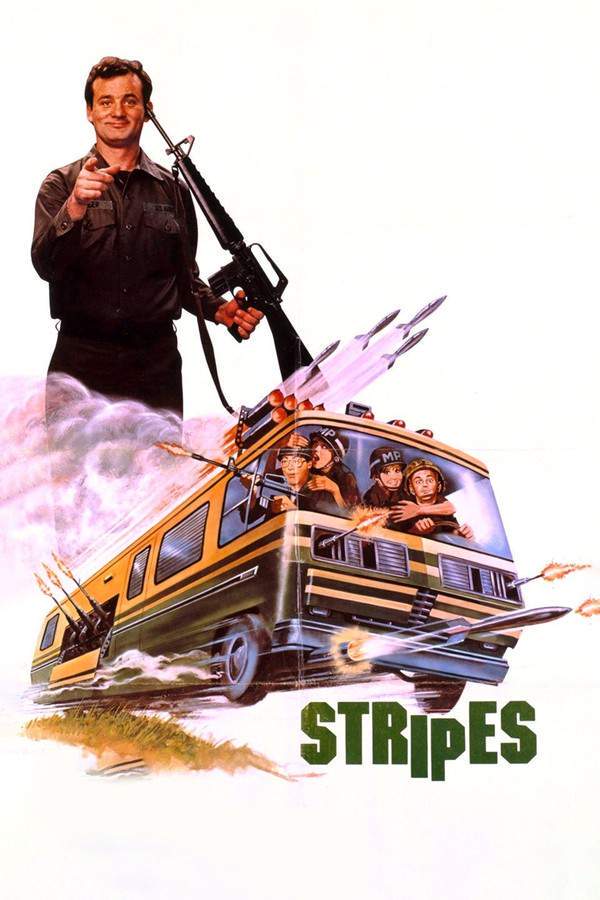
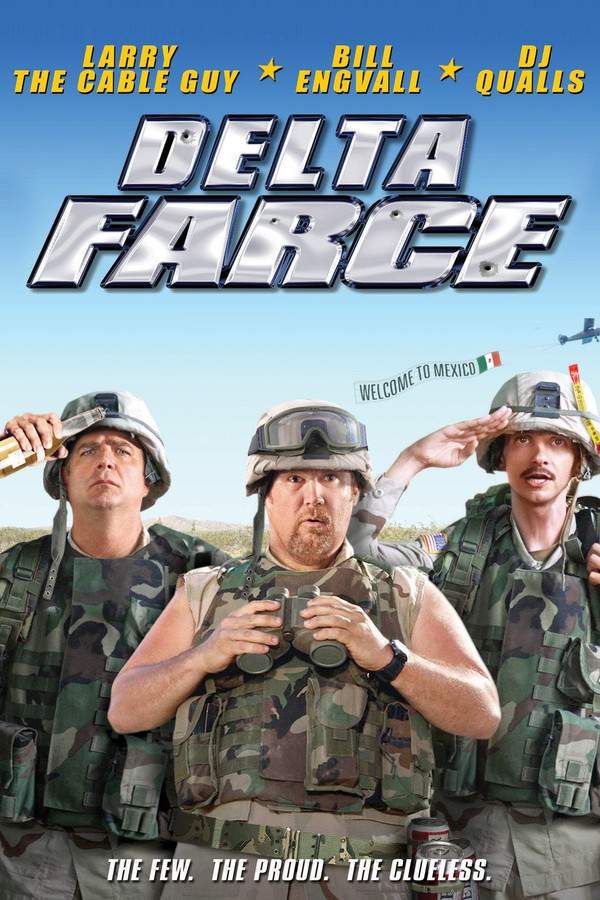
Military Farce Comedies like Wake Me When It’s Over

Mishaps and camaraderie in absurd military situations far from the front lines. If you enjoyed the chaotic, lighthearted antics in Wake Me When It’s Over, you'll love these other military farces. Discover movies featuring hilarious schemes, eccentric characters, and a strong sense of camaraderie, all set within the absurd confines of military life away from any real action.

  • comedic
  • mischievous
  • camaraderie
  • chaotic
  • uplifting
  • bureaucratic
  • Tone: light, whimsical
  • Pacing: steady, escalating
Why these movies?

The story pattern: Stories typically begin with a protagonist, often hapless or mischievous, being assigned to a seemingly insignificant post. Their attempts to improve their lot, whether through an illicit business, a romantic pursuit, or simply avoiding work, inadvertently create a sprawling, chaotic situation that tests their ingenuity and forges strong bonds with their fellow outcasts, leading to a comedic crisis and a happy resolution.

Why they belong together: These films are grouped by their shared light tone, steady pacing of escalating antics, and focus on the humorous friction between individual initiative and rigid military bureaucracy. They deliver a consistent experience of optimistic, uplifting comedy rooted in character-driven mishaps and the triumph of camaraderie over authority.

Movies about Accidental Entrepreneurs like Wake Me When It’s Over

Characters who stumble into building a successful, chaotic enterprise against all odds. Fans of Wake Me When It’s Over will enjoy these stories of improvised success. Explore movies where characters stumble into building a thriving enterprise from scratch, filled with comedic challenges, romantic subplots, and a heartwarming sense of community that emerges from the chaos.

  • improvised
  • enterprising
  • chaotic growth
  • community
  • lighthearted
  • optimistic
  • Tone: lighthearted, uplifting
  • Pacing: steady, building
Why these movies?

The story pattern: The plot follows a simple pattern: a character with no particular ambition finds themselves with an unexpected opportunity or problem. Their well-intentioned but clumsy solution gains unexpected momentum, snowballing into a full-fledged operation that attracts a cast of helpers and inevitably draws the attention of authorities, leading to a crisis that ultimately validates their unorthodox success.

Why they belong together: These movies share a specific narrative arc of organic, chaotic creation. They are united by a light, optimistic tone where the journey from nothing to something is the primary source of comedy and warmth. The pacing is steady, focused on the incremental and often hilarious building process.

If you liked this

Movies Like Wake Me When It’s Over

Similar movies to Wake Me When It’s Over: the same genre, themes or kind of story. Each one comes with its own plot summary, timeline and ending explained.

Browse all movie summaries

Every angle

Wake Me When It’s Over (1960) Explained: Plot, Timeline & Characters

Everything about Wake Me When It’s Over in one place: what happens in the plot summary, the timeline in chronological order, the characters and meaning and a spoiler-free summary. What's After the Movie adds the cast, box office and post-credit scenes.

Coming soon on iOS and Android

The Plot Explained Movie Summary App

Plot summaries, endings explained and timelines on your phone. Catch up on any movie in minutes, save your favorites and never miss a twist again.

Be the first to know when we launch. Your email stays private, always.

Learn more about the app