Plot Explained Spoilers guaranteed!
Plot Explained

Browse by genre

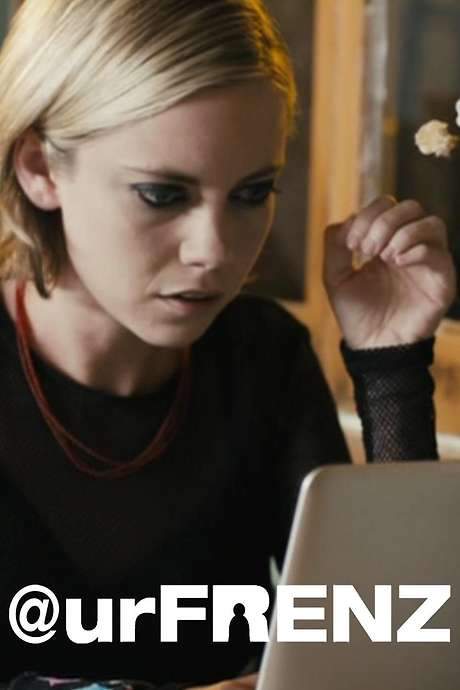
@urFRENZ (2011) movie poster

Plot Summary

@urFRENZ (2011) Plot Summary Explained

Release, runtime and language
2011 · 90 mins · English
Loading streaming availability…
Directed by
Jeff Phillips
Starring
Najarra Townsend, Lily Holleman, Bree Essrig, Michael Robert Kelly, Gayla Goehl, Paul Carafotes

Catharine, depressed and withdrawn, meets a secretive boy online who draws her out of her shell. In a world of cliques and digital drama she can’t tell if he’s a suitor or a stalker. Their uncertain bond fuels obsession, denial and deceit, pushing her toward a point of no return. Inspired by the director’s experience raising a teenage daughter, the film tackles bullying and cyber‑bullying, a hot‑button issue for parents.

On this page (5)
  1. 1 Where to watch
  2. 2 What happens: full plot
  3. 3 Plot questions answered
  4. 4 Movie threads
  5. 5 Every angle
Loading streaming availability…

Full plot summary · contains spoilers

What Happens in @urFRENZ: Full Plot Summary

The whole story of @urFRENZ (2011) explained, from the opening scene to the final frame: every key event, every twist and what it all adds up to. Read it as a quick recap before the sequel, to check a scene you missed, or to finally understand what really happened.

Catharine Parley Lily Holleman is a high school student quietly battling a heavy cloud of depression and a compulsive urge toward self-harm, a struggle that keeps her in regular therapy with limited relief. She moves along the social edges of school life, watching as her former friend Madison Kennard Najarra Townsend climbs into the center of the crowd, leaving Catharine feeling increasingly unseen. When a vulgar rumor about Madison surfaces—stoked by Madison’s ex-boyfriend Greg—Catharine chooses to amplify it rather than ignore it, helping the gossip spread through the hallways and subjecting Madison to fresh waves of cruelty and embarrassment.

At home, Debbie Gayla Goehl notices something is off when Madison misses a weekly peer counseling session. She overhears a troubling phone call that confirms Madison’s distress and confronts her daughter, who admits the rumor has shaken her, even if she insists she can weather it alone. Debbie’s instinct to protect her child hardens into an obsession with rooting out the source, and she enlists Jacob Ross Michael Robert Kelly, a part-time worker, to help navigate the murky terrain of teenage online life. Jacob explains how teens often drift between private profiles and changing usernames on UrFRENZ, a hybrid social platform that blends elements of familiar networks.

With caution and mischief in mind, Debbie creates a fake teenage boy profile named “Brandon.” She begins messaging Catharine, presenting herself as a sympathetic and understanding boy from a nearby school. Catharine, lonely and emotionally vulnerable, eagerly opens up to this new confidant, and the conversation deepens to the point that Debbie’s Brandon starts feeling like a real, trusted friend. The dynamic is simple on the surface but corrosive in its effects: Debbie gradually inserts herself into Catharine’s life through this manufactured persona and begins to pull at the threads of both Catharine’s and Madison’s experiences.

Meanwhile, Madison remains haunted by Greg’s rejection and the end of her relationship. Her attempts to reach out to him are rebuffed, and her friends grow tired of the topic, leaving her feeling isolated. She too starts responding to Brandon’s messages, unaware that the person behind the screen is her own mother, who is feeding Madison a different kind of emotional attention than she’s receiving from her peers. The lure of Brandon’s kindness provides a fragile sense of connection for both girls, a dangerous comfort that Debbie uses to extend her control.

Debbie’s hold on the situation tightens into a consuming fixation. She arranges a face-to-face encounter between Catharine and Brandon, intending to confront Catharine in person, but she hesitates at the last moment, parking across the street and waiting for over an hour before driving away. The opportunity slips away, and Debbie’s patience begins to fracture as her double life grows more entangled. Through Brandon, she confronts Catharine about the rumor; Catharine, crushed by disappointment and fear, confesses that she felt hurt and jealous when Madison pulled away after becoming popular. Debbie refuses to believe the confession, convinced Catharine is manipulating circumstances to her own advantage.

Around this time, Catharine and Jacob cross paths at a convenience store; after Jacob forgets his wallet, Catharine offers to pay, and a tentative friendship begins to form between them. Catharine’s mother, Beth, grows suspicious of the Brandon account and logs into Catharine’s messages, recognizing the deception for what it is. Beth confronts Brandon directly, warns him to stay away from her daughter, and even contemplates contacting the police—though authorities say nothing illegal has occurred yet.

Undeterred, Debbie continues to press Catharine through Brandon, now more cruelly than before. Brandon tells Catharine that they can no longer talk because of Beth, and Catharine’s world shakes as she confronts her mother’s betrayal. The emotional weight culminates in a burning break when Catharine experiences a severe self-harm episode, then joins her family for dinner as if nothing happened, the room suddenly thick with unspoken fear and questions.

Debbie’s toxicity spills into every corner of her life. A younger member of the family discovers sexually suggestive photos on Debbie’s phone—images of Catharine that Debbie had sent through Brandon. Accusations fly as Debbie suspects Jacob of soliciting the images, though Jacob maintains that catfishing wasn’t in the job description. Debbie’s performance at work deteriorates under the strain, her boss reprimanding her for missed duties and late documents.

Even after Brandon tells Catharine not to contact him again, Debbie receives another message that she believes is Catharine’s updated screen name. She retaliates by circulating Catharine’s explicit photos to students at the school, publicly shaming her. Jacob, horrified by the consequences, resigns and informs Catharine of the truth, forcing Debbie to confront the consequences of her actions.

The manipulation reaches its breaking point when Debbie sends a harsh message listing Madison’s friends who still believe her to be deceitful, attempting to turn others against her daughter. The resident response from the Brandon profile—“I would die for my friends”—lands like a blunt blow to Debbie, provoking a cold, calculating reply: "PROVE IT." The tension intensifies as the house begins to come apart at the seams.

Soon after, water begins to leak through the ceiling from the upstairs bathroom. Debbie, consumed by the unfolding catastrophe, discovers Madison’s suicide note on UrFRENZ, a devastating revelation that reframes the film’s events in a new, haunting light. A chilling flashback reveals that Jacob and Madison had been discussing Catharine, a detail Debbie recognizes as proof that Madison knew her daughter’s identity and username all along.

The truth lands with a brutal quiet in the aftermath. Debbie realizes, too late, the extent of the harm she has caused as Madison’s death echoes through the rooms they share. In a final sequence, Catharine endures another episode of self-harm and quietly returns to the dinner table with her family, the ringing phone in the background breaking the uneasy calm as an ominous stillness settles over the household and signals that the consequences of the online deception will linger long after the meal ends.

Last updated: January 08, 2026 at 08:31

Was this helpful?

Plot questions answered

@urFRENZ Plot Explained: Your Questions Answered

The questions people ask most about @urFRENZ (2011): what happens in the confusing scenes, why the characters do what they do, the twists, hidden details and what the ending means. Each answer contains spoilers.

Q1

Why did Debbie create the Brandon profile on UrFRENZ?

Debbie created the fake teenage boy profile to investigate who started the rumor about her daughter Madison and how it spread online. After learning Madison skipped peer counseling and appeared distressed, Debbie became obsessed with uncovering the source of the gossip. She enlisted Jacob, a part-time worker familiar with teen online culture, to help her navigate UrFRENZ so she could gather information about the situation.

  • debbie
  • brandon
  • catfishing
  • online investigation
  • urfrenz
Q2

How did Debbie's online deception contribute to Madison's suicide?

Debbie, posing as Brandon, provided emotional support to both Madison and Catharine while secretly gathering information. When she believed a new account was Catharine's updated username, she responded cruelly and circulated explicit photos of Catharine to shame her. She also sent Madison a message listing friends who still thought she was deceitful, then responded 'PROVE IT' when Madison replied she would die for her friends. This relentless online harassment, combined with the manipulation from someone she thought cared about her, pushed Madison to take her own life.

Foreshadowing: Earlier scenes show Madison seeking comfort from Brandon during her emotional struggles, making the eventual betrayal devastating.

  • madison suicide
  • cyberbullying
  • online harassment
  • brandon
  • depression
Q3

Why did Catharine spread the rumor about Madison?

Catharine spread the rumor because she felt hurt and jealous after Madison abandoned their friendship to become popular. When she overheard the vulgar rumor about Madison being stoked by Madison's ex-boyfriend Greg, Catharine chose to amplify it rather than ignore it, fueling the gossip through the school hallways and subjecting Madison to further cruelty and embarrassment.

Foreshadowing: The film establishes early on that Catharine had been pushed to the social margins while Madison climbed into the center of the crowd, setting up her resentment.

  • catharine
  • rumor spreading
  • jealousy
  • friendship
  • bullying
Q4

What happened when Debbie tried to meet Catharine in person?

Debbie arranged a face-to-face meeting between Catharine and Brandon, intending to confront her in person about the rumor. She parked across the street and watched Catharine wait for over an hour, but Debbie lost her courage at the last moment and drove away without making contact. This missed opportunity marked a turning point where her obsession began to fracture under the weight of her double life.

Foreshadowing: The failed meeting scene shows Debbie's hesitation and growing psychological instability, hinting at the unraveling to come.

  • debbie
  • confrontation
  • meeting
  • catfishing
  • hesitation
Q5

How did Jacob become involved in Debbie's catfishing scheme?

Jacob was a part-time worker whom Debbie enlisted to help her understand teenage online culture and navigate UrFRENZ. He helped create the Brandon profile and explained how teens use changing usernames and private accounts. However, Jacob was not fully aware of the extent of Debbie's manipulation until later, when he discovered explicit photos of Catharine on her phone. He resigned after realizing the truth and ultimately informed Catharine of Debbie's deception.

Foreshadowing: Jacob's convenience store meeting with Catharine establishes a genuine human connection that contrasts with Debbie's manufactured online relationship.

  • jacob
  • urfrenz
  • helper
  • catfishing
  • employment
Q6

Why did Debbie share Catharine's explicit photos at the school?

Debbie circulated explicit photos of Catharine to students at the school as retaliation after receiving what she believed was an updated screen name from Catharine. Thinking she was responding to Catharine's new account, Debbie's cruelty escalated to publicly shaming the girl she had been secretly messaging. This act represented the peak of Debbie's psychological deterioration and的直接 consequence of her obsession spiraling beyond control.

Foreshadowing: Earlier, Debbie had accumulated these photos through her Brandon persona, a detail that would later be discovered by a younger family member.

  • debbie
  • explicit photos
  • shame
  • retaliation
  • cyberbullying
Q7

Why did Madison write a suicide note on UrFRENZ?

Madison posted her suicide note on UrFRENZ after Debbie's cruel messages and the circulation of explicit photos created unbearable harassment. Her note cited her last conversation with Brandon as a contributing factor, the same person she had trusted for emotional support turned out to be her own mother's manipulative persona. The note reframes the entire tragedy, showing how deeply the online deception wounded her.

Foreshadowing: The escalating cruelty through the Brandon messages, including the 'PROVE IT' reply, directly preceded Madison's tragic decision.

  • madison
  • suicide note
  • urfrenz
  • last conversation
  • depression
Q8

What did the flashback reveal about Madison knowing Brandon's identity?

The flashback revealed that Jacob and Madison had been discussing the online scheme together, implying Madison knew all along that Brandon was not a real teenage boy but rather someone connected to her situation. This chilling detail suggests Madison may have been playing a dangerous game of her own, possibly using the fake identity to gather information or test loyalties, adding another layer of tragic irony to the story's devastating conclusion.

Foreshadowing: This revelation comes only after Madison's death, making Debbie's realization 'too little, too late' as she understands the full scope of her harmful interference.

  • flashback
  • madison
  • username revealed
  • truth
  • jacob
Q9

How did Beth discover Debbie's catfishing scheme?

Beth, Catharine's mother, grew suspicious of the Brandon account and logged directly into Catharine's messages. She recognized the deception for what it was and confronted Brandon directly, warning the persona to stay away from her daughter. Beth also contemplated contacting the police, though authorities declined to intervene since no explicit illegal activity had occurred yet at that point.

Foreshadowing: Beth's investigation contrasts with Debbie's obsessive behavior, showing two very different parental responses to potential danger.

  • beth
  • catharine mother
  • discovered deception
  • warned
  • police
Q10

Why did Debbie send the 'PROVE IT' message to Madison?

Debbie sent the chilling 'PROVE IT' message in response to Madison's statement 'I would die for my friends,' which was posted from the Brandon profile. This cold, calculating reply was meant to further manipulate and emotionally attack Madison during a vulnerable moment. Instead of recognizing the warning signs of suicidal ideation, Debbie's cruelty reached its darkest point, directly contributing to Madison's decision to end her life.

Foreshadowing: The 'PROVE IT' message represents the moment Debbie's investigation transformed from misguided protection into active harm.

  • prove it
  • cruel message
  • manipulation
  • escalation
  • final confrontation
Q11

Why did Debbie believe Catharine was being manipulative?

When Debbie confronted Catharine through Brandon about the rumor, Catharine broke down and confessed she felt hurt and jealous when Madison abandoned her for popularity. However, Debbie refused to believe this genuine confession, convinced that Catharine was manipulative and using emotional vulnerability as a strategic advantage. This dismissal prevented any possibility of resolution and showed how Debbie's obsession had clouded her ability to recognize truth.

Foreshadowing: Debbie's skepticism of Catharine's honesty contrasts sharply with her own dishonest behavior, highlighting her moral deterioration.

  • debbie
  • catharine
  • confession
  • skepticism
  • manipulation
Q12

What happened in the final dinner scene with Catharine?

In the final sequence, Catharine experienced a severe self-harm episode before joining her family for dinner as if nothing happened. The room filled with unspoken fear and questions as her family struggled to address what they had witnessed. The ringing phone in the background broke the uneasy calm, and an ominous stillness settled over the household, signaling that the devastating consequences of the online deception would linger long after the meal.

Foreshadowing: The film opens with Catharine's ongoing battle with depression and self-harm, making this cyclical return deeply tragic.

  • catharine
  • self-harm
  • dinner
  • family
  • aftermath
  • unresolved

Movie threads

More Movies Like @urFRENZ, by Mood & Story

Curated lists built around what makes @urFRENZ tick: the same mood, the same kind of story or the same emotional payoff. Each list explains why these movies belong together.

Teen thrillers about online deception like @urFRENZ

Stories where online personas mask dangerous intentions and psychological torment. If you were gripped by the online deception and real-world consequences in @urFRENZ, explore these movies about dangerous digital relationships, cyberbullying, and the terrifying gap between online persona and reality.

  • unsettling
  • anxious
  • gripping
  • tragic
  • oppressive
  • lonely
  • Tone: dark, tense, unsettling
  • Pacing: steady, escalating
Why these movies?

The story pattern: The narrative typically follows a young, often isolated character who forms a connection online that initially offers solace but soon reveals itself to be a source of manipulation and threat. The story builds tension as the digital world bleeds dangerously into reality, escalating towards a tragic or bleak conclusion.

Why they belong together: These movies are grouped together by their sharp focus on the modern anxiety of online life, a steady pacing that allows dread to build, and a dark tone that explores the psychological damage of digital deception and bullying.

Movies about tragic grief and mental illness like @urFRENZ

Intimate portraits of characters unraveling under the weight of unbearable loss. For viewers profoundly affected by the heavy emotional weight and melancholic tone of @urFRENZ, this collection features other films that delve into grief, mental illness, and the tragic, irreversible consequences of emotional pain.

  • melancholic
  • tragic
  • heavy
  • oppressive
  • gripping
  • unsettling
  • Tone: melancholic, tragic, bleak
  • Pacing: steady, deliberate
Why these movies?

The story pattern: Stories in this thread center on a protagonist grappling with intense emotional pain—be it grief, mental illness, or social ostracization. The plot is less about external action and more about the internal, psychological collapse, moving with a deliberate pace toward a devastating, often bleak outcome that offers little to no catharsis.

Why they belong together: These films share a heavy emotional weight, a consistently dark or melancholic tone, and a steady pacing that meticulously builds towards tragedy. They prioritize the raw, unsettling experience of a character's psychological breakdown over plot-driven suspense.

Every angle

@urFRENZ (2011) Explained: Plot, Timeline & Characters

Everything about @urFRENZ in one place: what happens in the plot summary, the timeline in chronological order, the characters and meaning and a spoiler-free summary. What's After the Movie adds the cast, box office and post-credit scenes.

Coming soon on iOS and Android

The Plot Explained Movie Summary App

Plot summaries, endings explained and timelines on your phone. Catch up on any movie in minutes, save your favorites and never miss a twist again.

Be the first to know when we launch. Your email stays private, always.

Learn more about the app