Plot Explained Spoilers guaranteed!
Plot Explained

Browse by genre

Trapp Family Story (1000) movie poster

Plot Summary

Trapp Family Story (1000) Plot Summary Explained

Release, runtime and language
1000 · 960 mins · Japanese
Loading streaming availability…
Directed by
Kōzō Kusuba, Nobuaki Nakanishi
Starring
Maria Kawamura, Shinobu Adachi, Wakana Yamazaki, Naoko Watanabe, Yoko Matsuoka, Saori Sugimoto

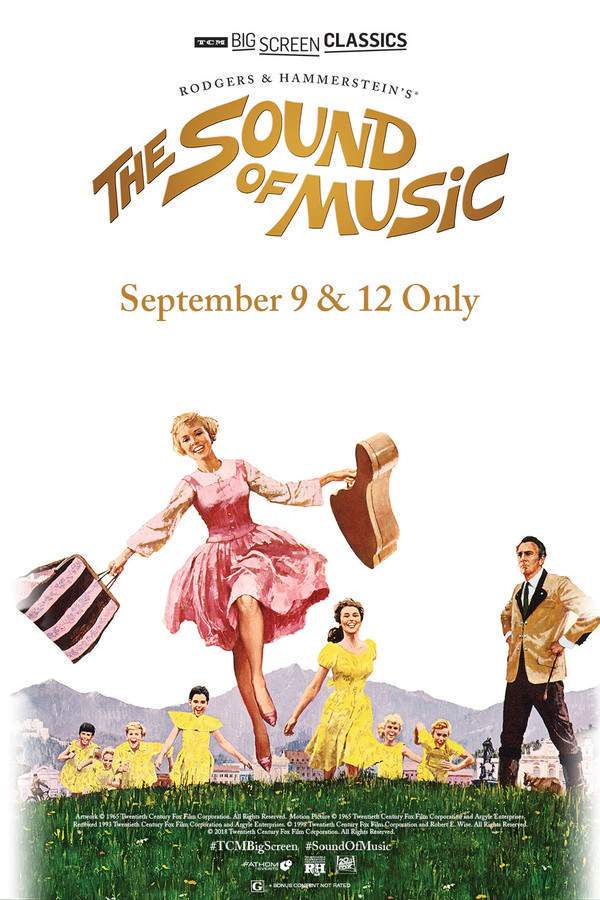
Trapp Family Story is a Japanese anime series produced by Nippon Animation, adapted from Maria von Trapp’s memoir The Story of the Trapp Family Singers, the source that inspired the famous musical The Sound of Music. Although the series alters many plot elements, it keeps the children’s names, a fidelity not found in most other adaptations.

On this page (6)
  1. 1 Where to watch
  2. 2 What happens: full plot
  3. 3 Plot questions answered
  4. 4 Movie threads
  5. 5 Movies like Trapp Family Story
  6. 6 Every angle
Loading streaming availability…

Full plot summary · contains spoilers

What Happens in Trapp Family Story: Full Plot Summary

The whole story of Trapp Family Story (1000) explained, from the opening scene to the final frame: every key event, every twist and what it all adds up to. Read it as a quick recap before the sequel, to check a scene you missed, or to finally understand what really happened.

Maria Kutschera, Masako Katsuki, lost both her parents at a young age and faced many hardships. At eighteen, returning from her graduation trip from teacher training school, she suddenly decides to become a nun. She travels to Salzburg and visits the strictest convent, Nonnberg Abbey, where she applies and is accepted as a novice. Yet Maria’s cheerful and energetic personality and her indifference toward strict customs gradually make her a problematic presence in the convent, since the nuns expect discipline and proper manners above all. Maria tries to adapt, but she would rather honor her Lord through joy and gratitude for life and everything in it.

One day, the Mother Superior sends Maria to Baron Georg von Trapp’s house, an Austrian hero and aristocrat, for nine months as governess to his second daughter, a frail child who shares the same name, Maria. The Baron is a widower, and none of the twenty-five governesses he had previously hired had been accepted by his seven children. At first, the children are withdrawn and rebellious, but they gradually open up to Maria’s innocent and honest nature. Through joy, song, and poetry, Maria wins the children’s hearts and respect, filling them all with happiness. Maria also gains the Baron’s affection.

Georg realizes that he is in love with Maria, and he breaks off his engagement with his fiancée, Lady Yvonne. Later, at the insistence of his children, he asks Maria to marry him, against the opinion of Baroness Matilda, who manages the household. At first, Maria is hesitant and returns to the convent for a time, but soon she understands her feelings and comes back to marry the Baron and become a mother to his children.

Facing financial difficulties, the Trapp family turns their villa into a guesthouse. Lotte Lehmann, a visiting opera singer, discovers the children singing and encourages them to perform at the Salzburg Festival. Despite being amateurs, their enthusiasm and folk songs win the hearts of the audience, leading to radio appearances, a performance at Vienna’s Kleine Halle, and a meeting with American impresario Mr. Wagner, who offers them a U.S. tour, which they initially decline.

But trouble arises with the looming threat of World War II as the Nazis seize control of Austria a year before the conflict begins. The Trapps grow increasingly unhappy with their new life and resent the fact that Adolf Hitler himself wants them to sing at his parties. The Baron, a war hero and patriot, refuses to cooperate with the regime, and they discover that their butler Hans is a Nazi supporter assigned to watch them. For this reason, they decide to leave Austria and begin a new life far from the war. With the help of trusted friend Franz, Georg, Maria (now pregnant), and the seven children, they secretly flee their home, cross the mountains to Italy, and later reach New York, where, with Wagner’s assistance, they gain fame performing their native folk songs.

Last updated: November 22, 2025 at 16:00

Was this helpful?

Plot questions answered

Trapp Family Story Plot Explained: Your Questions Answered

The questions people ask most about Trapp Family Story (1000): what happens in the confusing scenes, why the characters do what they do, the twists, hidden details and what the ending means. Each answer contains spoilers.

Q1

Why did Maria decide to become a nun after finishing teacher training school?

Maria had lost both parents at a young age and faced many hardships throughout her life. After completing her teacher training, she chose to become a nun as a way to find purpose and stability. However, her cheerful and energetic personality clashed with the strict discipline of Nonnberg Abbey, making her a problematic presence among the nuns.

Foreshadowing: Earlier scenes show Maria finding joy in nature and life, which foreshadows her struggle with rigid convent rules.

  • maria
  • nun
  • convent
  • vocation
  • parents died
Q2

Why was Maria sent to work as a governess for the von Trapp children?

The Mother Superior sent Maria to Baron Georg von Trapp's house because she recognized that Maria's free-spirited nature did not fit well with the strict convent life. The assignment was meant to last nine months, with Maria serving as governess to the Baron's second daughter, also named Maria, who was frail.

  • governess
  • mother superior
  • baron
  • children
  • assignment
Q3

Why were the von Trapp children so withdrawn and rebellious when Maria arrived?

The seven children had already driven away twenty-five previous governesses and were withdrawn and rebellious as a defense mechanism. Their mother had died, and they were coping with grief while also feeling protective of their father. They tested Maria to see if she would leave like the others.

Foreshadowing: The timeline notes mention the children were rebellious from the start, setting up their transformation as a key arc.

  • children
  • governess
  • rebellious
  • grief
  • mother died
Q4

Why did Georg von Trapp break off his engagement to Lady Yvonne?

Georg fell in love with Maria as he watched her bring joy and warmth to his children through music and poetry. The more he saw Maria's genuine care for his family, the more he realized his feelings for her were deeper than his engagement to Lady Yvonne, leading him to end his previous engagement.

Foreshadowing: The story shows Georg watching Maria with the children before he recognizes his own feelings.

  • georg
  • lady yvonne
  • engagement
  • love
  • proposal
Q5

Why did Maria return to the convent before agreeing to marry the Baron?

Maria was hesitant about marrying Georg because she had initially dedicated her life to becoming a nun. She returned to Nonnberg Abbey to think through her true feelings and calling. During her time there, she realized her feelings for Georg and the children were genuine, prompting her to leave the convent and accept his proposal.

Foreshadowing: Maria's struggle with her vocation is hinted at when her personality conflicts with convent rules.

  • maria
  • convent
  • marriage
  • hesitation
  • feelings
Q6

How did the Trapp family start performing professionally?

The family turned their villa into a guesthouse to cope with financial difficulties. Visiting opera singer Lotte Lehmann heard the children singing and encouraged them to perform at the Salzburg Festival. Their folk songs and enthusiasm captivated audiences, leading to radio appearances and a performance at Vienna's Kleine Halle.

  • lotte lehmann
  • salzburg festival
  • singing
  • performance
  • fame
Q7

Why did the Trapp family initially decline the US tour offer from Mr. Wagner?

American impresario Mr. Wagner offered the family a US tour after their successful performances in Vienna. They initially declined because they were unsure about leaving their homeland, their friends, and their extended family. The decision reflected their hesitation to abandon their established life in Austria.

  • wagner
  • us tour
  • declined
  • america
  • hesitation
Q8

Why did the Trapp family decide to flee Austria in 1938?

After Nazi Germany annexed Austria in 1938, the family faced mounting pressure to cooperate with the regime. Adolf Hitler himself wanted them to sing at his parties, but Georg von Trapp, a war hero and patriot, refused. They also discovered their butler Hans was a Nazi supporter assigned to watch them, making escape necessary for their safety.

  • nazi
  • hitler
  • austria
  • escape
  • persecution
  • hans
Q9

Who was Hans and why was his true identity a problem for the family?

Hans was the Trapp family's trusted butler who was secretly a Nazi supporter assigned to monitor the family's activities and loyalty to the regime. His revelation as a spy forced the family to act quickly, as staying in Austria had become dangerous. They needed to escape before Hans could report their anti-Nazi sentiments.

  • hans
  • butler
  • nazi
  • spy
  • surveillance
  • betrayal
Q10

How did the Trapp family successfully escape from Austria?

With the help of their trusted friend Franz, the family devised a secret escape plan. Georg, Maria (who was pregnant), and all seven children fled their home under cover of darkness, crossing the mountains to reach Italy. From there, they eventually traveled to New York, where they gained fame performing their native folk songs with assistance from Mr. Wagner.

  • escape
  • italy
  • new york
  • mountains
  • franz
  • refugee

Movie threads

More Movies Like Trapp Family Story, by Mood & Story

Curated lists built around what makes Trapp Family Story tick: the same mood, the same kind of story or the same emotional payoff. Each list explains why these movies belong together.

Movies about musical healing like Trapp Family Story

Stories where joy and song unite a family against a backdrop of social upheaval. If you loved how music brought the family together in Trapp Family Story, you'll enjoy these movies. They feature stories where songs and harmonies help characters overcome personal grief or external threats, creating a heartwarming and uplifting experience similar to this anime.

  • uplifting
  • heartwarming
  • hopeful
  • musical
  • inspiring
  • tense
  • Tone: hopeful, uplifting
  • Pacing: steady, character-driven
Why these movies?

The story pattern: These narratives typically follow an outsider or a new influence who uses their musical passion to revitalize a struggling or grief-stricken family unit. The central conflict often involves external pressures—like political unrest or financial hardship—that the family must navigate, using their newfound unity and artistic expression as a source of strength and ultimately, escape or success.

Why they belong together: They are grouped by their shared emphasis on music as a transformative force for good, a steady and hopeful pacing that builds towards a positive resolution, and a blend of medium emotional weight with an ultimately uplifting tone. The joy of artistic creation consistently counterbalances the darker elements of the setting.

Movies about found families escaping oppression like Trapp Family Story

A newly-formed family unit bands together to courageously escape an oppressive regime. For viewers who enjoyed the tense escape from the Nazis in Trapp Family Story, this list features similar movies. Discover stories about makeshift families who courageously defy tyranny, emphasizing themes of defiance, perseverance, and the hope of a new beginning, much like this classic tale.

  • tense
  • hopeful
  • heartwarming
  • defiant
  • perseverance
  • uplifting
  • Tone: hopeful, tense
  • Pacing: steady, building to suspense
Why these movies?

The story pattern: The narrative pattern involves the formation of a strong 'found family' through shared experiences. This family's loyalty and resourcefulness are ultimately put to the test when they are forced to confront a powerful, oppressive force. The climax typically involves a perilous journey or escape, where their collective strength ensures survival and a hopeful new chapter in a free land.

Why they belong together: These films share a specific emotional arc: starting with the warm, heartwarming build of family bonds, then introducing a serious external threat that raises the intensity, and concluding with a tense but successful escape leading to a happy ending. The mix of sweet character dynamics with a suspenseful, life-or-death struggle creates a uniquely compelling vibe.

If you liked this

Movies Like Trapp Family Story

Similar movies to Trapp Family Story: the same genre, themes or kind of story. Each one comes with its own plot summary, timeline and ending explained.

Browse all movie summaries

Every angle

Trapp Family Story (1000) Explained: Plot, Timeline & Characters

Everything about Trapp Family Story in one place: what happens in the plot summary, the timeline in chronological order, the characters and meaning and a spoiler-free summary. What's After the Movie adds the cast, box office and post-credit scenes.

Coming soon on iOS and Android

The Plot Explained Movie Summary App

Plot summaries, endings explained and timelines on your phone. Catch up on any movie in minutes, save your favorites and never miss a twist again.

Be the first to know when we launch. Your email stays private, always.

Learn more about the app