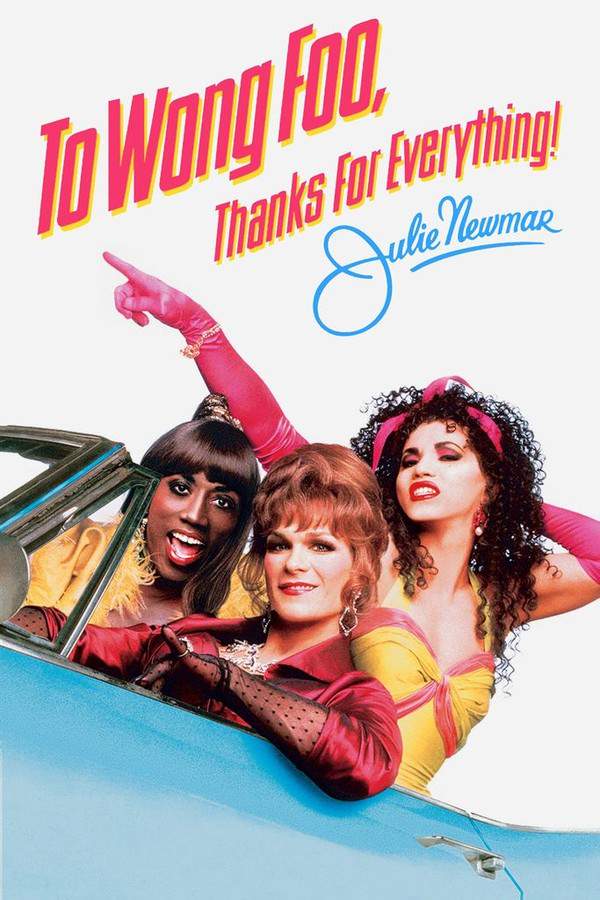
To Wong Foo Thanks for Everything, Julie Newmar
Year: 1995
Runtime: 109 min
Language: English
Director: Beeban Kidron
Two charismatic drag queens, Vida Boheme and Noxeema Jackson, and their young protégé, Chi-Chi Rodriguez, unexpectedly find themselves on a cross-country road trip. Facing various obstacles and mishaps along the way, the trio experiences a journey of self-discovery and strengthens their bond. Through their adventures, they learn valuable lessons about friendship, acceptance, and embracing their true selves.
Where to Watch To Wong Foo Thanks for Everything, Julie Newmar?
Find where to stream, rent, or buy To Wong Foo Thanks for Everything, Julie Newmar (1995) in the US with current JustWatch availability, up-to-date pricing, and platform listings for subscription, rental, and digital purchase options.






Warning: spoilers below!
Haven’t seen To Wong Foo Thanks for Everything, Julie Newmar yet? This summary contains major spoilers. Bookmark the page, watch the movie, and come back for the full breakdown. If you're ready, scroll on and relive the story!
Timeline & Setting – To Wong Foo Thanks for Everything, Julie Newmar (1995)
Explore the full timeline and setting of To Wong Foo Thanks for Everything, Julie Newmar (1995). Follow every major event in chronological order and see how the environment shapes the story, characters, and dramatic tension.
Last updated: October 22, 2024 at 21:38
Main Characters – To Wong Foo Thanks for Everything, Julie Newmar (1995)
Meet the key characters of To Wong Foo Thanks for Everything, Julie Newmar (1995), with detailed profiles, motivations, and roles in the plot. Understand their emotional journeys and what they reveal about the film’s deeper themes.
Last updated: October 22, 2024 at 21:38
Major Themes – To Wong Foo Thanks for Everything, Julie Newmar (1995)
Explore the central themes of To Wong Foo Thanks for Everything, Julie Newmar (1995), from psychological, social, and emotional dimensions to philosophical messages. Understand what the film is really saying beneath the surface.
Last updated: October 22, 2024 at 21:38
To Wong Foo Thanks for Everything, Julie Newmar (1995) Character & Theme Questions Answered – Info FAQ
Browse frequently asked questions about To Wong Foo Thanks for Everything, Julie Newmar (1995) focused on characters, relationships, themes, symbols, setting, and story context. This movie info FAQ gives spoiler-aware explanations for character arcs, world details, and thematic interpretation so readers can better understand what the film is really about.
Where does the story take place?
The journey begins in New York City, where the drag queens compete in a pageant. They then travel through small-town America, with Snydersville serving as the pivotal stop where they form meaningful connections. Their ultimate destination is Los Angeles, representing their dreams and aspirations in the drag community.
The opening New York City scenes establish the urban world the queens inhabit before contrasting it with rural America.
What time period is the movie set in?
To Wong Foo is set in contemporary 1990s America, reflecting the social attitudes and cultural tensions of that era. The film captures a moment when LGBTQ+ acceptance was evolving but still faced significant resistance, especially in small-town communities. This time context shapes the prejudice and eventual acceptance the characters experience.
What are the main themes of the movie?
The film centers on three core themes: acceptance, empowerment, and friendship. Acceptance explores how prejudice transforms into understanding when people look past surface differences. Empowerment shows how the queens uplift themselves and the women of Snydersville. Friendship demonstrates the strength found in loyalty and mutual support among Vida, Noxeema, and Chi-Chi.
Who are the three main characters?
The trio consists of Vida Boheme, the nurturing matriarch who offers guidance and compassion; Noxeema Jackson, a bold and confident queen with sharp wit and New York attitude; and Chi-Chi Rodriguez, an eager protégé on a journey from insecurity to self-confidence. Together they represent different stages of drag experience and personal growth.
Why is Snydersville important to the story?
Snydersville represents the heart of small-town America where traditional values initially clash with the queens' presence. This town becomes the transformative setting where prejudice gives way to unexpected camaraderie and support. The community's journey from suspicion to acceptance mirrors the film's central message about embracing diversity and finding beauty in self-identity.
What role does Vida play in the group?
Vida serves as the nurturing matriarch and moral center of the trio, offering guidance and emotional support to her companions. Her compassion drives her to confront injustice and fight for the underprivileged, particularly in addressing domestic abuse in Snydersville. Vida embodies the theme of empowerment through her desire to uplift those around her.
How does the movie explore acceptance?
Acceptance is depicted through the drag queens' interactions with townsfolk who initially meet them with prejudice. Through their trials and genuine connections, the community discovers unexpected camaraderie and support. The film emphasizes that embracing diversity leads to stronger relationships and reveals the beauty of authentic self-identity for both the queens and the townspeople.
What makes Chi-Chi unique among the three?
Chi-Chi represents the journey of self-discovery, starting as an eager but naive drag queen lacking confidence. Her character arc showcases growth from insecurity to self-assurance, ultimately earning recognition as drag queen of the year. She embodies the theme of empowerment most visibly as she learns to embrace her true self through the mentorship of Vida and Noxeema.
What tone does the movie maintain?
The film maintains a predominantly hopeful and light tone throughout the journey, focusing on self-discovery, community uplift, and triumph over prejudice. While moments of threat and conflict exist, including encounters with bigotry and domestic abuse, these do not overwhelm the overall celebratory mood. The emotional balance creates an uplifting experience that resonates with viewers.
How is the friendship theme shown?
The bond between Vida, Noxeema, and Chi-Chi illustrates friendship through loyalty, support, and strength in relationships. Their experiences together highlight how they rely on each other when facing societal challenges and personal struggles. This friendship becomes their foundation for resilience, demonstrating that genuine connection provides power against adversity.
What genre is the movie?
To Wong Foo blends drama and comedy, using humor to explore serious social themes about LGBTQ+ identity and acceptance. The dramatic elements address prejudice, domestic abuse, and self-discovery while comedic moments keep the tone accessible and hopeful. This genre combination allows the film to tackle meaningful subjects without becoming overly heavy.
How is empowerment shown in the story?
Empowerment appears as the queens uplift both themselves and the women of Snydersville through makeovers and confidence-building. By encouraging self-expression and resilience against adversity, they help local women discover their own strengths. This theme demonstrates that empowerment spreads when people support each other in embracing their authentic identities.
What cultural context matters for this film?
The 1990s setting reflects evolving LGBTQ+ acceptance in American society, with significant regional differences between urban and rural areas. The film showcases the juxtaposition of traditional small-town values against modern urban perspectives on identity and expression. This cultural tension drives the conflict and eventual understanding between the queens and community members.
What destinations do they visit on their journey?
The cross-country road trip takes them from New York City through the American heartland to Snydersville, a small town that becomes their most transformative stop. Their intended final destination is Los Angeles, where they aspire to participate in a prestigious drag pageant. Each location represents different aspects of American culture and attitudes toward diversity.
What makes Noxeema stand out?
Noxeema brings bold confidence and sharp wit to the trio, embodying a fierce New York attitude that commands attention. She demonstrates resilience and takes charge during confrontations, showing defiance against injustice. Her character represents empowerment through her unwillingness to back down when facing prejudice or threats.

Explore Movie Threads
Discover curated groups of movies connected by mood, themes, and story style. Browse collections built around emotion, atmosphere, and narrative focus to easily find films that match what you feel like watching right now.
Fabulous fish-out-of-water stories like To Wong Foo Thanks for Everything, Julie Newmar
Vibrant outsiders bring joyful chaos and change to a repressed community.If you enjoyed watching Vida, Noxeema, and Chi-Chi transform Snydersville, you'll love these movies about vibrant outsiders shaking up small towns. Discover similar comedies and dramas where charismatic misfits bring joy, color, and self-discovery to repressed communities, celebrating found family and acceptance.
To Wong Foo Thanks for Everything, Julie Newmar
1995

Sleeping with the Fishes
2013

The Beachcomber
1954

I’m Getting a Yacht
1980

Humboldt County
2008

Find Me Falling
2024

Dolphin Island
2021

Deeper!
2020

Barnacle Bill
1941

Continental Divide
1981

Bigger Than the Sky
2005

Eye of the Dolphin
2007

The Best of Times
1986

Still Fabulous
2024

Irish Jam
2006
Narrative Summary
These stories follow a clear pattern: extraordinary characters are thrust into an ordinary world, causing initial friction that gives way to mutual growth. The conflict often stems from prejudice or close-mindedness, but is overcome through charm, courage, and shared humanity. The narrative culminates in the community's positive transformation and the outsiders' reaffirmed sense of purpose.
Why These Movies?
They share a core premise of transformative joy, blending whimsical or campy humor with sincere emotional beats about acceptance. The pacing is steady, focusing on character interactions, and the tone remains hopeful despite tackling serious themes, always ending on a celebratory and uplifting note.
Joyful journeys of self-discovery like the road trip in To Wong Foo Thanks for Everything, Julie Newmar
Road trips where the destination is a stronger sense of self and friendship.Fans of the cross-country adventure in To Wong Foo will enjoy these uplifting road trip movies. Explore films about found families on the open road, where the journey leads to powerful self-discovery, strong friendship bonds, and a celebratory embrace of true identity.

Road, Movie
2010

Moments of Clarity
2016
The Open Road
2009

Finding Joy
2013

Away We Go
2009

Lost on Journey
2010

Along for the Ride
2017

Two Tickets to Paradise
2008

My Own Love Song
2010

Powwow Highway
1989

Happiness for Beginners
2023

Hector and the Search for Happiness
2014

Lost & Found
2017

Kilometers and Kilometers
2020

Buddymoon
2016
Narrative Summary
The narrative unfolds linearly as the characters travel, with each stop introducing new people and challenges that force introspection and solidarity. The central conflict is often internal—doubts, fears, past traumas—as much as external. The journey's purpose evolves from a simple goal to a profound experience of connection and self-acceptance, culminating in a triumphant arrival, both literal and metaphorical.
Why These Movies?
This thread groups films that prioritize an uplifting, hopeful mood and a steady pace, using the road trip structure to explore themes of friendship and identity. They balance humorous mishaps with moments of genuine emotional weight, creating a heartwarming and empowering viewing experience centered on personal triumph.
Unlock the Full Story of To Wong Foo Thanks for Everything, Julie Newmar
Don't stop at just watching - explore To Wong Foo Thanks for Everything, Julie Newmar in full detail. From the complete plot summary and scene-by-scene timeline to character breakdowns, thematic analysis, and a deep dive into the ending - every page helps you truly understand what To Wong Foo Thanks for Everything, Julie Newmar is all about. Plus, discover what's next after the movie.
To Wong Foo Thanks for Everything, Julie Newmar Summary
Read a complete plot summary of To Wong Foo Thanks for Everything, Julie Newmar, including all key story points, character arcs, and turning points. This in-depth recap is ideal for understanding the narrative structure or reviewing what happened in the movie.

To Wong Foo Thanks for Everything, Julie Newmar Timeline
Track the full timeline of To Wong Foo Thanks for Everything, Julie Newmar with every major event arranged chronologically. Perfect for decoding non-linear storytelling, flashbacks, or parallel narratives with a clear scene-by-scene breakdown.

To Wong Foo Thanks for Everything, Julie Newmar Spoiler-Free Summary
Get a quick, spoiler-free overview of To Wong Foo Thanks for Everything, Julie Newmar that covers the main plot points and key details without revealing any major twists or spoilers. Perfect for those who want to know what to expect before diving in.

More About To Wong Foo Thanks for Everything, Julie Newmar
Visit What's After the Movie to explore more about To Wong Foo Thanks for Everything, Julie Newmar: box office results, cast and crew info, production details, post-credit scenes, and external links - all in one place for movie fans and researchers.
