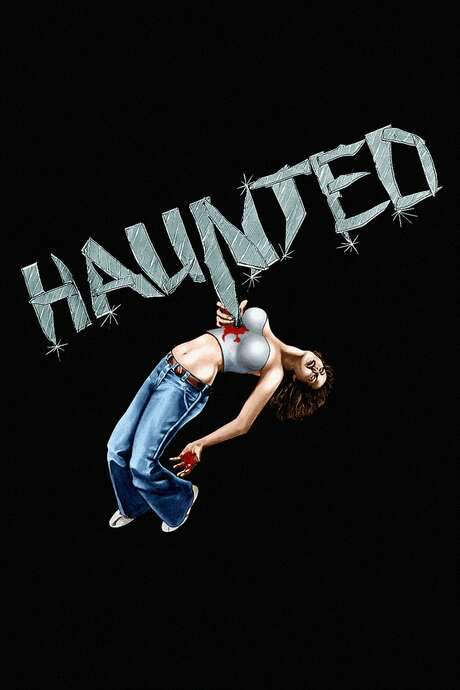
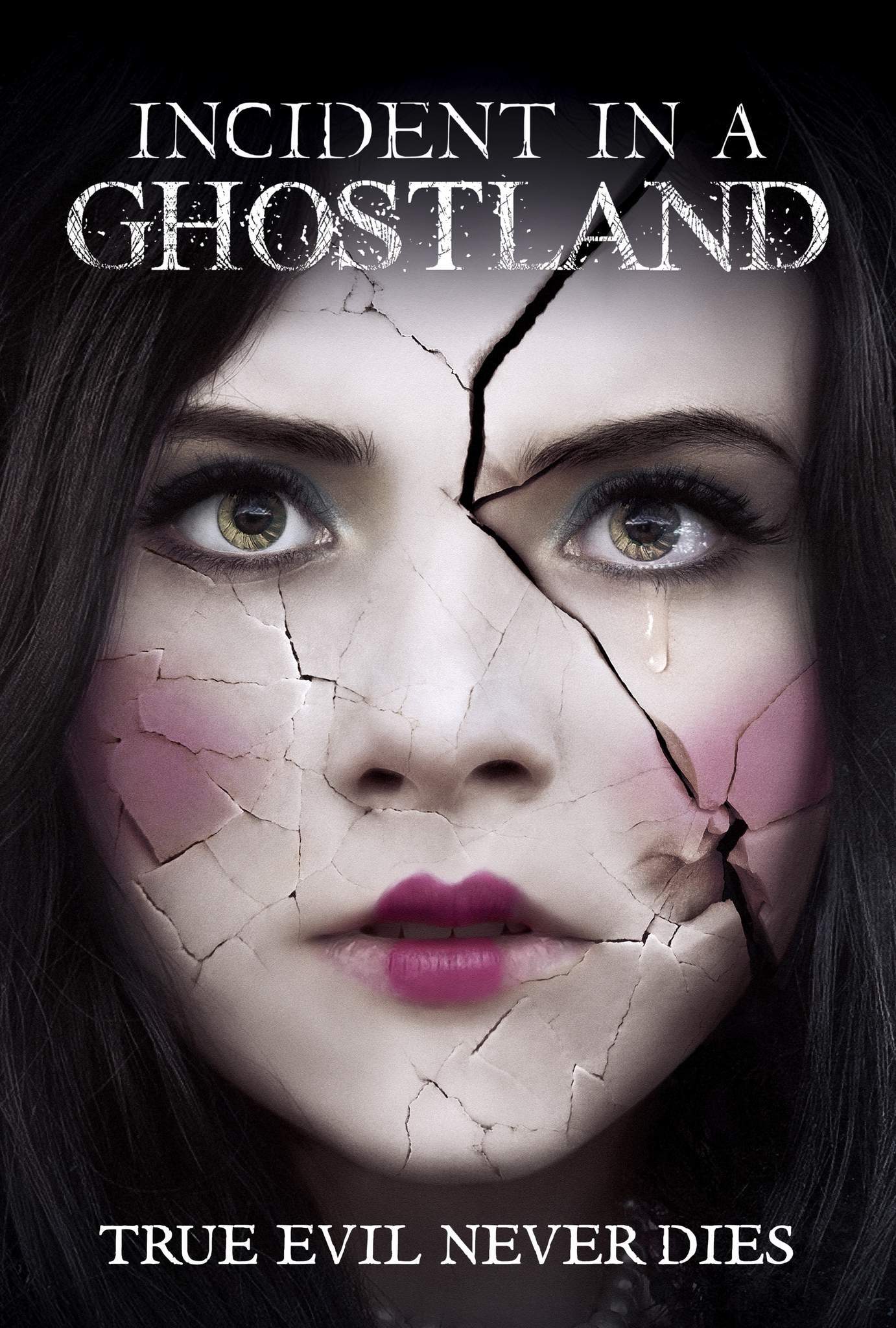
The film follows Tara, a teenage girl who believes her family is cursed by an ancestor tied to Lizzie Borden. This eerie conviction drives a haunting pattern: those afflicted with the curse endure vivid nightmares, a growing murderous impulse, and recurring visions of Lizzie herself urging them toward violence. As fear and depression coil around Tara, she clings to a quiet passion that keeps her grounded—redesigning vintage clothing that her mother, Emily, quietly sells online, turning Tara’s private turmoil into something tangible and almost comforting.
The dread expands as tragedy strikes the town. Several residents are found murdered, and the authorities immediately zero in on Tara, since all the victims had some connection to her and the killer was reportedly seen wearing one of Tara’s dresses. The suspicion intensifies the pressure on Tara, who feels the weight of a looming accusation and wonders if the curse is truly real or a terrifying coincidence.
To seek answers, Tara turns to her aunt Diane, a woman who has already endured institutionalization after the murder of her infant child. Diane’s claim that Emily may have endured the same curse adds a new layer of possibility: perhaps the threat runs in the family, and Tara’s mother could be the next link in this deadly chain. The notion unsettles Tara even further, blurring the line between inherited fate and personal responsibility.
Seeking greater clarity, Tara and her boyfriend Carl visit the infamous Borden House. There, Tara discovers a startling detail: Lizzie Borden himself was an accomplished seamstress, which fuels the theory that the dresses Tara designs might act as triggers for the curse. This realization deepens the mystery and nudges Tara toward testing a dangerous hypothesis: could the garments themselves be the conduit for the compulsion to kill?
Tara sends Suzy to fetch some dresses from her house, hoping to uncover a pattern or reveal a hidden clue. When Suzy fails to return or respond, panic expands in Tara’s circle. Returning home, Tara learns that her aunt Diane has escaped from the mental institution, and a more chilling revelation awaits: Emily is revealed as the true killer, with the deeper shock that she had once murdered Diane’s baby under the delusion that incest between Diane and their father had produced the child.
A psychotic rage sets in as Emily aligns herself with Lizzie Borden’s legacy, believing that Lizzie killed her parents because of her mother’s suspected infidelity. The child of this turbulent family tragedy becomes a target in a conflict that blurs lines between history, superstition, and a mother’s volatile obsession. In a climactic struggle, Emily advances on Tara, but the danger is halted when the police shoot Emily, prompted by Tara’s brother Caleb who calls for help and brings authorities to the scene.
The closing image widens the lens beyond Tara’s immediate danger. One of Tara’s brothers engages in a spectral conversation with the spirit of Lizzie Borden, a final chilling cue that hints the curse may endure in the family line, suggesting a lingering fate that may claim others in the clan.
Themes of fate, family legacy, and the psychology of fear thread through every scene. The story uses Tara’s passion for fashion as a counterpoint to the encroaching darkness, showing how creativity can both anchor a person and become entangled in a terrifying family myth. The chilling atmosphere, the slow unspooling of secrets, and the unsettling idea that a single historical figure’s memory could ripple through generations create a mood that lingers long after the credits roll.