

Plot Explained Spoilers guaranteed!
Plot Explained

Browse by genre

The Asphyx (1972) movie poster

Timeline

The Asphyx (1972) Timeline Explained – Every Event in Order

Release, runtime and language
1972 · 99 mins · English
Directed by
Peter Newbrook
Starring
Jane Lapotaire, Robert Stephens, Robert Powell, Alex Scott, Ralph Arliss, Fiona Walker

Hugo, a brilliant turn‑of‑the‑century scientist admired by family, friends and colleagues, becomes consumed by a terrifying question: what is the strange apparition that appears in photographs of his dying subjects? Driven by the promise of immortality, he is willing to sacrifice his wife and children to achieve it.

On this page (6)
  1. 1 Where to watch
  2. 2 Events in order (12)
  3. 3 Timeline questions answered
  4. 4 Movie threads
  5. 5 Movies like The Asphyx
  6. 6 Every angle

Where to watch

Where to Watch The Asphyx (1972)

Where can you watch The Asphyx? Stream, rent or buy it in the US, including on Kanopy, Plex and Tubi TV: current JustWatch availability with up-to-date prices.

Streaming availability powered by JustWatch

12 events in order · contains spoilers

The Asphyx Timeline: Events in Chronological Order

Every key event of The Asphyx (1972) in order, scene by scene, with when and where it takes place. Use it to untangle flashbacks, time jumps and parallel storylines, to refresh your memory before the sequel or to find the exact scene you are thinking of.

  1. Cunningham and the parapsychology circle

    In Victorian England, philanthropic scientist Sir Hugo Cunningham is a member of a parapsychological society that studies psychic phenomena. The group photographs people at the moment of death, capturing a strange smudge around the body. They interpret it as the soul escaping, though Cunningham remains skeptical about the interpretation and its implications.

    When
    Late 19th century
    Where
    Victorian England
  2. Tragic boating accident during son's engagement celebration

    At a riverside party celebrating his son's engagement, Cunningham films his son and his fiancée with his home camera. A boating accident kills the young couple, and when Cunningham reviews the film, the blur seems to move toward his son rather than away from him. He concludes the blur is not the soul but a stalking asphyx that comes for each person at death.

    When
    Late 19th century
    Where
    Riverside
  3. The spotlight experiment and the asphyx theory

    While filming a public execution, Cunningham activates a phosphorus spotlight beneath a drip irrigation valve. The condemned man's asphyx is briefly held in the beam, suggesting to him that the energy from phosphorus and water can immobilize an asphyx. This leads him to speculate that such a property could imprison an asphyx and grant immortality.

    When
    Late 19th century
    Where
    Public execution site
  4. First capture: the guinea pig's asphyx stored in the tomb

    Cunningham and Giles capture the asphyx of a dying guinea pig and seal it inside the family tomb. The act demonstrates the possibility of imprisoning an asphyx, fueling Cunningham's plan to trap his own elusive force. The implication is that immortality could be achieved by perpetual confinement.

    When
    Late 19th century
    Where
    Family tomb
  5. Planning for personal immortality: vault construction

    Cunningham commissions an impenetrable vault door for the family tomb and tasks Giles with capturing Cunningham's own asphyx. The plan hinges on maintaining a secure prison for the asphyx so that no one can free or destroy it. It marks the transition from observation to dangerous experimentation.

    When
    Late 19th century
    Where
    Family tomb
  6. Self-experimentation: the electric chair rite

    Using an electric chair, Cunningham slowly kills himself to summon his own asphyx. Giles assists him, and Christina, the adoptive sister and fiancée, agrees to participate when Cunningham promises to bless their marriage if immortality is granted.

    When
    Late 19th century
    Where
    Laboratory
  7. Christina placed on the guillotine; moment of death

    Christina is placed on a guillotine operated by Giles, in line with Cunningham's theory that imminent death will summon an asphyx. The guinea pig chews through a hose feeding water to the phosphorus stones, causing the mechanism to malfunction and Christina is decapitated. The tragedy foreshadows the dangerous consequences of their pursuit.

    When
    Late 19th century
    Where
    Laboratory / Guillotine setup
  8. Giles negotiates immortality and sabotages the apparatus

    Despondent, Cunningham asks Giles to open the vault and free the asphyx, but Giles makes a counter-demand for immortality. In truth, Giles no longer wishes to live, and he sabotages the equipment to prevent its operation. This sets up the conflict that drives the final act.

    When
    Late 19th century
    Where
    Laboratory
  9. Failed gas attempt and the struggle to save Giles

    During an attempt to gas Giles to force the release of the asphyx, Cunningham discovers the apparatus is not functioning. He quickly turns off the gas and switches on the oxygen to try to save Giles. The moment underlines that the plan is failing and that unpredictable consequences lie ahead.

    When
    Late 19th century
    Where
    Laboratory
  10. Giles's fatal spark: the explosion that ends the experiment

    Giles, in a final act, lights a match and triggers a catastrophic explosion. The blast kills him and destroys all of the equipment required to capture asphyxes. Cunningham is left to confront the ruined dream of immortality as the apparatus lies in ruins.

    When
    Late 19th century
    Where
    Laboratory
  11. Destruction of the vault key and a grim resolution

    Before dying, Giles had left the vault's combination on a slip of paper. Cunningham destroys the note, resolving that his own immortality is God's punishment for the deaths of Giles and Christina. The act marks the final rupture of the immediate plan to achieve immortality.

    When
    Late 19th century
    Where
    Family tomb
  12. 1970s framing: the aging Cunningham reappears

    In a framing sequence set in the 1970s, an ancient, disfigured Cunningham roams the streets of London with the guinea pig. He wanders into the path of a car collision, killing the two drivers. A police officer responding to the scene is shocked to find that Cunningham, crushed beneath the two vehicles, is still alive.

    When
    1970s
    Where
    London streets

Last updated: October 09, 2025 at 11:28

Was this helpful?

Timeline questions answered

The Asphyx Timeline Explained: Your Questions Answered

When does it happen, and why in that order? The questions people ask about the chronology of The Asphyx (1972): time jumps, flashbacks, cause and effect between scenes and the correct order of events, each answered with spoilers.

Q1

What is an asphyx in the movie?

An asphyx is a personal grim reaper, a dark, stalking force that arrives for each person at the moment of death. Cunningham identifies it as the strange blur appearing in photographs of dying subjects. He theorizes it is not a departing soul but a predatory entity that draws toward the dying rather than away from them. The name comes from Greek mythology, where such figures were said to claim the dying.

Foreshadowing: Earlier photographs of dying subjects show the blur accompanying the body, which the group interprets as the soul leaving.

  • asphyx
  • grim reaper
  • mythology
  • death force
  • soul
  • photographs
Q2

Why does Cunningham think the blur in death photos is a grim reaper?

Cunningham notices that the blur moves toward his son during the fatal boating accident, not away from him like a departing soul would. This convinces him the blur is not evidence of an afterlife but a creature that draws close to claim the dying. His skeptical, scientific mind rejects the spiritual interpretation and instead labels it an asphyx, a mythological death figure.

Foreshadowing: The parapsychology group's earlier photos show the blur simply hovering, but the motion toward the son reveals its true nature.

  • blur
  • photograph
  • soul
  • grim reaper
  • boating accident
  • death
Q3

How does the phosphorus light trap the asphyx?

Cunningham discovers that a specific energy created by combining phosphorus stones with water through a drip irrigation system can temporarily immobilize an asphyx. During a public execution, he activates his spotlight design and observes the condemned man's asphyx held in the beam. This leads him to theorize that such energy could suspend an asphyx indefinitely, allowing a person to achieve immortality by imprisoning their personal death force.

Foreshadowing: The execution scene demonstrates the asphyx can be affected by the phosphorus beam, confirming Cunningham's theory.

  • phosphorus
  • spotlight
  • immortality
  • trap
  • energy
  • asphyx
Q4

Why does Cunningham want to become immortal after his son dies?

The traumatic death of his son and son's fiancée in the boating accident drives Cunningham's obsession with conquering death. Seeing his son's asphyx drawn to him crystallizes his fear of mortality. Rather than accepting loss, he becomes determined to trap and control the asphyx itself, believing that imprisoning his own personal death force would grant him eternal life.

Foreshadowing: The riverside celebration turns tragic, and reviewing the footage reveals the asphyx moving toward his son.

  • immortality
  • son
  • death
  • obsession
  • grief
  • asphyx
Q5

What happens to Christina during the experiment?

Christina is placed on a guillotine operated by Giles to trigger the imminent death needed to summon Cunningham's asphyx. However, the guinea pig chews through a water hose feeding the phosphorus stones, causing the mechanism to malfunction. The apparatus fails, and Christina is decapitated. This tragic accident directly results from the rushed, improvised setup of the experiment.

Foreshadowing: The guinea pig was already used to capture an asphyx, and its presence in the lab creates an unpredictable element.

  • christina
  • guillotine
  • decapitation
  • experiment
  • death
  • accident
Q6

Why does Giles sabotage the immortality machine?

Giles sabotages the equipment because he no longer wishes to live after Christina's death. Though he initially demands immortality in exchange for opening the vault, his true intent is to end the experiments permanently. He deliberately damages the apparatus to prevent Cunningham from achieving his goal, effectively choosing death over living in a world without Christina.

Foreshadowing: Giles's counter-demand for immortality first reveals his manipulative side, but his deeper despair emerges after Christina dies.

  • giles
  • sabotage
  • immortality
  • machine
  • death
  • christina
Q7

Does Cunningham become immortal at the end?

Yes, Cunningham achieves a twisted form of immortality. In the 1970s framing sequence, an ancient and disfigured Cunningham survives a catastrophic car collision that kills both drivers. He is found crushed beneath the wreckage yet still alive, confirming his immortality has persisted. However, he regards this as God's punishment rather than a blessing, since it came at the cost of Giles and Christina's lives.

Foreshadowing: Cunningham destroys the vault combination, accepting that immortality has become his curse rather than his triumph.

  • immortal
  • ending
  • 1970s
  • survival
  • punishment
  • cunningham
Q8

Why does Cunningham destroy the vault combination?

Cunningham destroys the vault's combination after Giles dies, deciding that immortality has become God's punishment for the deaths of Giles and Christina. He rejects the idea of seeking release from his curse, accepting his doomed existence as fitting retribution for his hubristic experiments. The destruction of the note represents his resignation to live with the consequences.

Foreshadowing: Giles leaves the combination on paper before dying, giving Cunningham the option to free his asphyx.

  • vault
  • combination
  • punishment
  • immortality
  • guilt
  • cunningham
Q9

What causes the guillotine malfunction during the experiment?

The guinea pig chews through a hose that feeds water to the phosphorus stones, causing the phosphorus-water energy system to fail. This malfunction prevents the proper energy from being generated to immobilize Christina's asphyx when the guillotine drops. Without the phosphorus energy holding the asphyx in place, the experiment proceeds without the necessary containment, leading to Christina's decapitation.

Foreshadowing: The guinea pig was present in the lab during all previous asphyx captures, and its chewing behavior was not accounted for.

  • guillotine
  • malfunction
  • guinea pig
  • hose
  • phosphorus
  • accident
Q10

Why is the guinea pig significant in the story?

The guinea pig serves as the first successful test subject for trapping an asphyx. Cunningham and Giles capture its asphyx and seal it in the family tomb, proving the phosphorus technique works. The guinea pig's asphyx remains imprisoned throughout the story, and it accompanies the aged Cunningham in the 1970s, symbolizing both his scientific achievement and his cursed existence.

Foreshadowing: The successful capture of the guinea pig's asphyx emboldens Cunningham to attempt trapping his own.

  • guinea pig
  • asphyx
  • capture
  • tomb
  • test
  • immortality

Movie threads

More Movies Like The Asphyx, by Mood & Story

Curated lists built around what makes The Asphyx tick: the same mood, the same kind of story or the same emotional payoff. Each list explains why these movies belong together.

Gothic Tragedies of Scientific Hubris like The Asphyx

Where brilliant minds are consumed by a dark quest for forbidden knowledge. If you liked the grim cautionary tale of The Asphyx, explore more movies like it. These films feature brilliant scientists whose pursuit of immortality or ultimate knowledge leads to dark obsession, moral decay, and tragic consequences, often set in a gothic or Victorian atmosphere.

  • gothic
  • tragic
  • philosophical
  • cautionary
  • melancholic
  • obsessive
  • Tone: dark, tragic, cautionary
  • Pacing: steady, methodical
Why these movies?

The story pattern: These narratives follow a predictable arc of discovery, obsession, and downfall. A protagonist, often a respected figure, makes a breakthrough that promises ultimate power. Their escalating obsession blinds them to ethical boundaries and personal relationships, culminating in a devastating failure that serves as a bleak punishment for their hubris.

Why they belong together: Movies are grouped here for their shared thematic core of 'playing god,' their grim and melancholic tone, and their focus on the psychological unraveling of a character driven by a doomed ambition. The experience is one of philosophical dread and tragic inevitability.

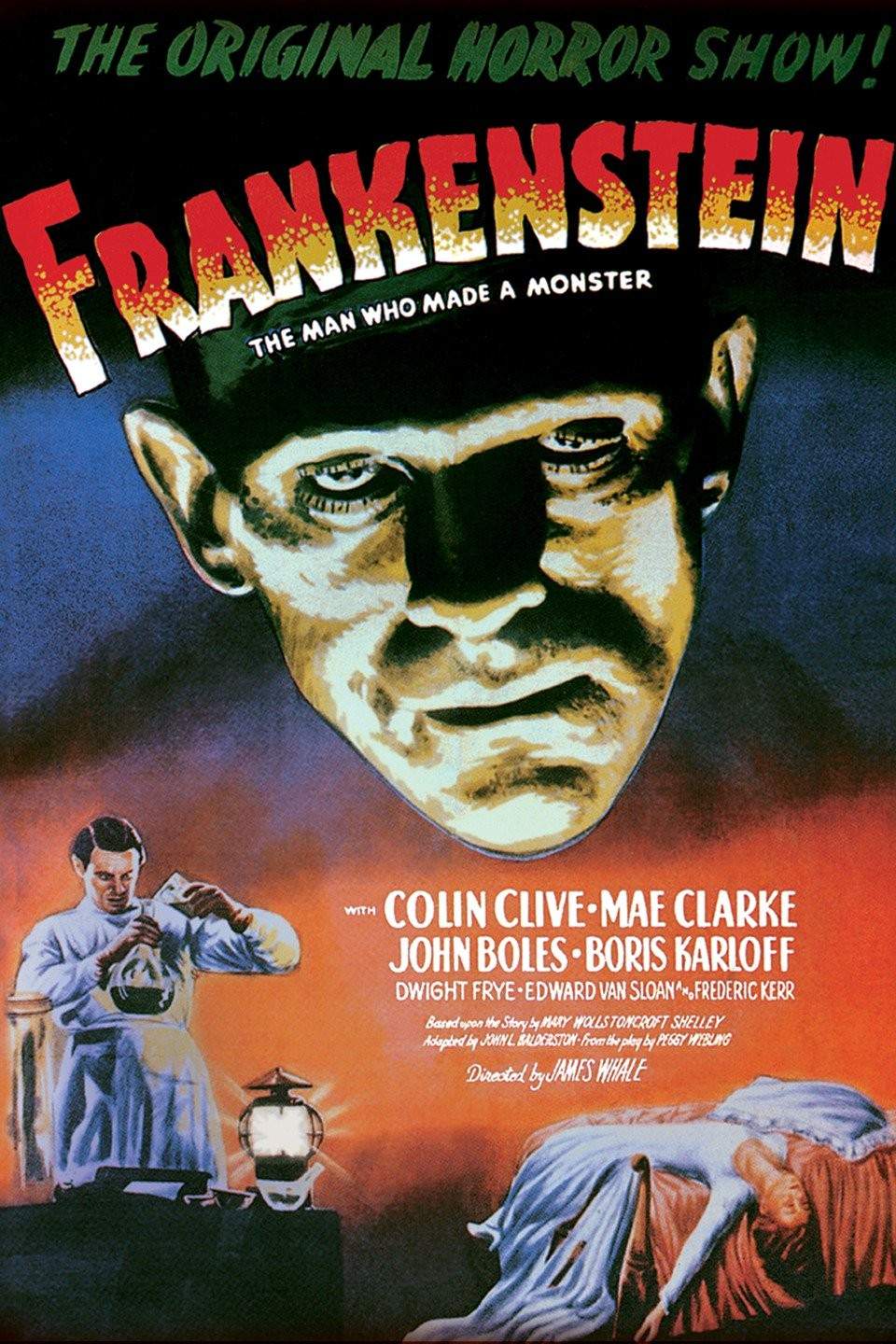
Slow Burn Descent into Macabre Obsession like The Asphyx

Stories where a single fixation methodically unravels a life into darkness. Fans of The Asphyx's methodical portrayal of obsession will find similar movies here. These stories feature a steady, character-driven pace that charts a protagonist's grim journey into darkness, driven by a fixation on death, the paranormal, or a destructive idea, leading to a heavy emotional payoff.

  • obsessive
  • macabre
  • psychological
  • slow burn
  • grim
  • dread
  • Tone: dark, grim, macabre
  • Pacing: steady, slow burn
Why these movies?

The story pattern: The narrative pattern is a focused character study. It begins with a triggering event or idea that captures the protagonist's mind. The story then meticulously follows their escalating actions as they sacrifice morality, relationships, and ultimately their sanity in pursuit of their goal, resulting in a bleak and isolating conclusion.

Why they belong together: These films share a specific mood and pacing: a steady, grim build-up of dread centered on a character's obsessive arc. The similarity lies in the immersive, uncomfortable experience of watching someone willingly walk into a trap of their own making, with a high degree of emotional weight and a dark tone.

If you liked this

Movies Like The Asphyx

Similar movies to The Asphyx: the same genre, themes or kind of story. Each one comes with its own plot summary, timeline and ending explained.

Browse all movie summaries

Every angle

The Asphyx (1972) Explained: Plot, Timeline & Characters

Everything about The Asphyx in one place: what happens in the plot summary, the timeline in chronological order, the characters and meaning and a spoiler-free summary. What's After the Movie adds the cast, box office and post-credit scenes.

Coming soon on iOS and Android

The Plot Explained Movie Summary App

Plot summaries, endings explained and timelines on your phone. Catch up on any movie in minutes, save your favorites and never miss a twist again.

Be the first to know when we launch. Your email stays private, always.

Learn more about the app