










Plot Explained Spoilers guaranteed!
Plot Explained

Browse by genre

The Way (2011) movie poster

Timeline

The Way (2011) Timeline Explained – Every Event in Order

Release, runtime and language
2011 · 115 min · English
JustWatch #8,737 17

A former addict and now a singer-songwriter unexpectedly inherits his childhood home, forcing him to confront past struggles. He takes in a resilient fighter as a roommate, and an unlikely bond develops between them. As Alex embarks on a challenging path of self-discovery and seeks redemption, he battles his inner demons and finds his sobriety and sanity increasingly tested.

On this page (6)
  1. 1 Where to watch
  2. 2 Events in order (15)
  3. 3 Timeline questions answered
  4. 4 Movie threads
  5. 5 Movies like The Way
  6. 6 Every angle

Where to watch

Where to Watch The Way (2011)

Where can you watch The Way? Stream, rent or buy it in the US, including on Angel Studios, Peacock Premium and Peacock Premium Plus: current JustWatch availability with up-to-date prices.

Streaming availability powered by JustWatch

15 events in order · contains spoilers

The Way Timeline: Events in Chronological Order

Every key event of The Way (2011) in order, scene by scene, with when and where it takes place. Use it to untangle flashbacks, time jumps and parallel storylines, to refresh your memory before the sequel or to find the exact scene you are thinking of.

  1. Car Ride to the Beach House

    The movie begins with a lively car ride featuring Trent, Pam, Duncan, and Steph. As they drive, Trent prompts Duncan to rate himself on a scale from 1 to 10, dismissing Duncan's self-assessment and highlighting his own insecurities.

  2. Arrival at the Beach House

    Upon arriving at the beach house, they are greeted by their slightly tipsy neighbor Betty and her children. This introduction sets the stage for the interactions and relationships that will unfold throughout the summer.

    Where
    Beach House
  3. Beach Day with Reluctance

    Duncan is initially reluctant to join Steph and Trent at the beach but agrees to go at Pam's insistence. Once there, he feels isolated and awkward, especially as he is teased by his sister.

    Where
    Beach
  4. Meeting Betty and Peter

    Back at the beach house, Duncan encounters Betty and her son Peter. Despite Betty's attempt to bond, Duncan dismisses the suggestion for a playdate, indicating his discomfort in the new environment.

    Where
    Beach House
  5. Dinner with Adults

    During dinner with Trent's loud friends Joan and Kip, Duncan feels lost among the adults and remains quiet. This highlights his struggles to find his voice and place in the midst of overwhelming social dynamics.

    Where
    Beach House
  6. Discovery of the Bike

    The following day, Duncan discovers a children's bike in the garage, which he rides into town. This moment symbolizes his desire for independence and adventure as he begins to seek out his own experiences.

    Where
    Garage
  7. Meeting Owen at the Pizzeria

    In town, Duncan meets Owen at a local pizzeria while he plays Pacman. Their brief interaction marks the beginning of a significant friendship that will guide Duncan throughout the summer.

    Where
    Pizzeria
  8. Uncomfortable Boat Ride

    Duncan reluctantly joins a boat ride with Joan, Kip, Betty, and Susanna, adding to his unease. This experience forces him into social scenarios that challenge his insecurities further.

    Where
    Lake
  9. Visit to Water Wizz

    Duncan spends a day at the Water Wizz water park and meets Owen, who becomes his mentor. This visit marks a turning point, as Duncan begins to find joy and camaraderie among his peers.

    Where
    Water Wizz
  10. Growing Confidence

    Duncan's character evolves as he gains confidence working at Water Wizz. He finds joy in entertaining guests and building friendships, marking a significant change from his earlier self-doubt.

    Where
    Water Wizz
  11. Fourth of July Clambake

    During a Fourth of July clambake hosted by Betty, Duncan witnesses Trent's unfaithfulness with Joan. This discovery adds to Duncan's awareness of adult complexities and emotional entanglements.

    Where
    Beach
  12. Confrontation with Trent

    A dramatic confrontation occurs when Duncan loudly reveals Trent's infidelity to Pam. This moment signifies a critical turning point in both Duncan's and Pam's understanding of their relationship.

    Where
    Beach House
  13. Embarrassing Moments with Susanna

    Duncan experiences various embarrassing moments while trying to connect with Susanna, including a failed attempt at a kiss. These awkward interactions, however, also serve to build their friendship.

  14. Summer Farewell

    As the summer comes to an end, Duncan learns the truth behind his mother's decision to leave with him. Susanna surprises Duncan with a kiss, indicating the potential for new beginnings.

  15. Final Race at Water Park

    In a final act of spontaneity, Duncan exits the car during their departure and races to the water park. This signifies his growth and newfound confidence, culminating in a fun reunion with Owen.

    Where
    Water Park

Last updated: November 03, 2024 at 21:32

Was this helpful?

Timeline questions answered

The Way Timeline Explained: Your Questions Answered

When does it happen, and why in that order? The questions people ask about the chronology of The Way (2011): time jumps, flashbacks, cause and effect between scenes and the correct order of events, each answered with spoilers.

Q1

Why does Duncan rate himself a 6 out of 10 when Trent asks?

Duncan gives himself a 6 because he's trying to be honest about his self-perception, he sees himself as slightly above average but not outstanding. Trent immediately dismisses this, telling Duncan he's more of a 3 and needs to be more outgoing. This exchange establishes Duncan's insecurity and Trent's dismissive, controlling nature right at the start of the film.

Foreshadowing: Trent's habit of putting down Duncan and shaping Pam's perception of her son begins during this opening car ride.

  • duncan
  • trent
  • self rating
  • 6 out of 10
  • Trent's behavior
Q2

Why does Trent call Duncan a 3 and tell him to be more outgoing?

Trent dismisses Duncan's self-rating of 6 and labels him a 3 because Trent values confidence and social performance above all else. Trent projects his own insecurities onto Duncan and uses the rating to assert dominance and control over Pam's son. This sets up the dynamic where Trent consistently undermines Duncan throughout the summer while Pam remains largely oblivious.

Foreshadowing: Trent's need to control how others perceive him foreshadows his infidelity and his reaction when Duncan exposes him.

  • trent
  • duncan
  • control
  • social pressure
  • manipulation
Q3

Why does Duncan publicly reveal Trent's affair with Joan?

Duncan shouts "He's sleeping with her! And you know it!" during a party because he's fed up with the lies and the emotional toll it's taking on his mother. After witnessing Trent's infidelity at the Fourth of July clambake, Duncan has been carrying this knowledge while watching his mother be deceived. His outburst represents the first time he uses his voice to protect his mother, marking a turning point in his confidence.

Foreshadowing: Duncan's earlier isolation and quietness at dinner parties builds toward this explosive moment where he finally speaks up.

  • trent affair
  • duncan confronts
  • joan
  • pam
  • betrayal
Q4

Why does Duncan jump out of the car to race to the water park?

Duncan jumps out of the car as they're leaving because he wants one more moment with Owen before the summer ends. By the film's end, Duncan has transformed from a withdrawn kid into someone who actively pursues what matters to him. The race on the water slide represents his new found confidence and his refusal to let the summer end without honoring the friendship that changed him.

Foreshadowing: His earlier discovery of the bike in the garage symbolizes his initial search for independence, which culminates in this act of spontaneous self-assertion.

  • duncan
  • owen
  • water park
  • race
  • ending
  • confidence
Q5

Why does Susanna kiss Duncan at the end of the movie?

Susanna kisses Duncan at the farewell party because their relationship has evolved over the summer from awkward, embarrassing moments to genuine connection. Earlier, Duncan tries to kiss her and retreats in shame, but through various interactions they develop mutual respect. Her kiss signals that she now sees him differently, as someone worth pursuing, contrasting with her earlier dismissal of him.

Foreshadowing: Their early interactions establish tension that builds toward this moment, with Susanna watching Duncan grow more confident throughout the summer.

  • susanna
  • duncan
  • kiss
  • relationship
  • summer romance
Q6

How does working at Water Wizz change Duncan?

Water Wizz becomes the catalyst for Duncan's transformation because Owen gives him a job and mentorship without judgment. At the water park, Duncan finds a space where his quiet nature is an asset, he entertains guests with dance moves and makes genuine friends. Owen treats him like an equal, which helps Duncan discover his own worth and charisma that was hidden beneath his insecurity.

Foreshadowing: Duncan first meets Owen playing Pacman at the pizzeria, establishing Owen as the one adult who sees potential in him.

  • water wizz
  • owen
  • duncan
  • confidence
  • job
  • transformation
Q7

What causes Pam to finally leave Trent?

Pam decides to leave Trent after Duncan publicly reveals his affair with Joan. While the movie doesn't show her leaving in real-time, Duncan learns about the truth behind his mother's decision to leave with him during the summer's end. The confrontation forces Pam to acknowledge what she's been ignoring, and she ultimately chooses her son over staying in a dishonest relationship.

Foreshadowing: Pam's earlier confrontations with Trent about his lying establish her growing awareness before the public exposure.

  • pam
  • trent
  • leaves
  • affair
  • mother
  • duncan
Q8

Why is Duncan so uncomfortable at the beach house at the start?

Duncan feels out of place because he's been thrust into a situation where he's surrounded by loud adults and a Stepsister who dismisses him. He's a recently divorced kid stuck in an unfamiliar environment with his mother's new boyfriend and his daughter. His discomfort is compounded by Trent's immediate criticism and his sister Steph's mocking behavior, leaving him with no reliable allies.

Foreshadowing: Duncan's initial isolation drives his search for connection, first with Betty's family and eventually with Owen.

  • duncan
  • beach house
  • awkward
  • uncomfortable
  • isolation
Q9

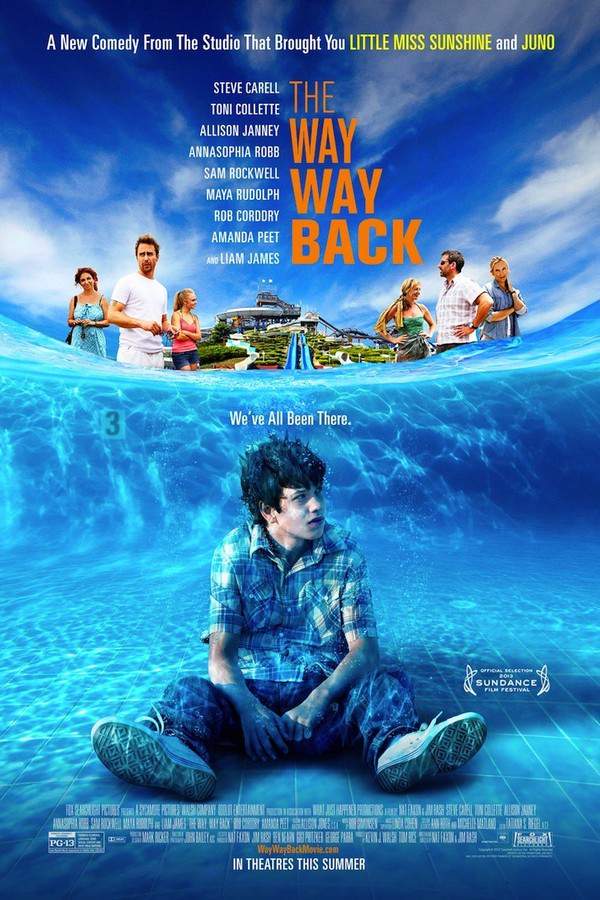
What does the Way Way Back seat represent in the movie?

The Way Way Back refers to the rear-facing seat in the car where Duncan sits, farthest from the front and completely removed from the conversation. This physical position mirrors his emotional state, he's disconnected, overlooked, and traveling in the wrong direction as far as Trent is concerned. The seat becomes a metaphor for where Duncan feels he belongs in this new family dynamic, but his journey is about earning his way toward the front.

Foreshadowing: The title establishes Duncan's starting position, making his eventual exit from the car to race to the water park a symbolic reversal.

  • way way back
  • seat
  • car
  • title
  • duncan
  • metaphor
Q10

What does Duncan see at the Fourth of July clambake?

Duncan witnesses Trent kissing Joan while Pam is elsewhere at Betty's Fourth of July clambake. This moment shatters Duncan's view of the adults around him and creates the moral dilemma that builds toward his later confrontation. It's a pivotal scene that exposes the hypocrisy in the adult world Duncan is forced to navigate.

Foreshadowing: This discovery directly leads to Duncan's explosive revelation about Trent's affair later in the film.

  • fourth of july
  • clambake
  • trent
  • joan
  • affair
  • duncan witnesses

Movie threads

More Movies Like The Way, by Mood & Story

Curated lists built around what makes The Way tick: the same mood, the same kind of story or the same emotional payoff. Each list explains why these movies belong together.

Bittersweet Coming-of-Age Summer Movies like The Way

Stories of self-discovery set against the poignant backdrop of a transformative summer. If you liked The Way for its nostalgic and relatable summer setting, you'll find similar movies here. These films capture the specific feeling of a defining summer, blending moments of awkwardness, triumph, and self-discovery with the bittersweet knowledge that the season—and innocence—can't last forever.

  • coming of age
  • nostalgic
  • hopeful
  • awkward
  • relatable
  • introspective
  • Tone: bittersweet, nostalgic, hopeful
  • Pacing: steady, reflective
Why these movies?

The story pattern: These films typically follow a linear, season-spanning structure, using the summer as a narrative container. The protagonist, often a teenager or young adult, is placed in a new environment or situation that forces them out of their shell. Key events serve as milestones for growth, culminating in an ending that is hopeful for the future yet sad for what is being left behind.

Why they belong together: Movies are grouped here for their shared focus on a summer timeline, a central character's emotional and psychological maturation, and a tone that masterfully balances hopeful moments with a pervasive, gentle sadness. The pacing is steady, allowing the audience to soak in the atmosphere and the character's subtle evolution.

Movies about Unlikely Friendships and Redemption like The Way

Characters on shaky ground find stability and purpose through an unexpected connection. For viewers who enjoyed the dynamic between Alex and his roommate in The Way, this section highlights films centered on redemptive, unlikely friendships. These stories explore how connection can pull someone from the brink, focusing on emotional recovery and the challenges of rebuilding a life.

  • unlikely friendship
  • redemption
  • hopeful
  • introspective
  • emotional
  • character-driven
  • Tone: bittersweet, grounded, hopeful
  • Pacing: steady, character-driven
Why these movies?

The story pattern: The narrative follows a character at a low point who is thrown together with someone from a different walk of life. Their initial friction gives way to a deep, transformative bond. The central conflict is often internal, as the protagonist battles their own flaws, with the friendship providing the strength to face them. The resolution acknowledges the progress made while honoring the ongoing nature of recovery.

Why they belong together: These films are united by their focus on character-driven redemption arcs facilitated by a pivotal relationship. They share a medium emotional weight, balancing difficult themes with moments of warmth and humor. The tone is consistently bittersweet, acknowledging that growth is possible but rarely comes without scars or sacrifice.

If you liked this

Movies Like The Way

Similar movies to The Way: the same genre, themes or kind of story. Each one comes with its own plot summary, timeline and ending explained.

Browse all movie summaries

Every angle

The Way (2011) Explained: Plot, Timeline & Characters

Everything about The Way in one place: what happens in the plot summary, the timeline in chronological order, the characters and meaning and a spoiler-free summary. What's After the Movie adds the cast, box office and post-credit scenes.

Coming soon on iOS and Android

The Plot Explained Movie Summary App

Plot summaries, endings explained and timelines on your phone. Catch up on any movie in minutes, save your favorites and never miss a twist again.

Be the first to know when we launch. Your email stays private, always.

Learn more about the app