
The Strange Love of Martha Ivers
Year: 1946
Runtime: 115 mins
Language: English
Director: Lewis Milestone
Three childhood friends—Martha, Walter and Sam—carry a dark secret. Ambitious Martha, now a cold businesswoman, has married timid district attorney Walter, giving them power over corrupt Iverstown. When Sam returns after years away, his reappearance threatens to unravel their partnership and expose the past.
Warning: spoilers below!
Haven’t seen The Strange Love of Martha Ivers yet? This summary contains major spoilers. Bookmark the page, watch the movie, and come back for the full breakdown. If you're ready, scroll on and relive the story!
The Strange Love of Martha Ivers (1946) – Full Plot Summary & Ending Explained
Read the complete plot breakdown of The Strange Love of Martha Ivers (1946), including all key story events, major twists, and the ending explained in detail. Discover what really happened—and what it all means.
Martha Ivers, Barbara Stanwyck is a thirteen-year-old dreamer in a rain-soaked 1928 Iverstown, a small Pennsylvania town built on the hum of a factory clock and the weight of family names. She runs away with her street-smart, hard-luck friend Sam Masterson, [Van Heflin], hoping to shed the grip of guardianship and start a new life. But the moment the town’s electricity flickers and the night grows quiet, her aunt, Mrs. Ivers, becomes the unwilling gatekeeper to Martha’s future. Martha’s tutor, the elder Walter O’Neil, watches with a calculating calm as his son, Walter Jr., is quietly framed as the one who delivered Martha to the authorities. In a tense, devastating exchange, Walter Sr. insinuates that he knows the truth, yet he also signals that he will protect Martha as long as their fortunes align. Martha, in a fierce, defiant moment, proclaims that her name is not Ivers but Smith, a reminder that the past still trembles beneath the surface.
During the blackout, Sam slips back into the shadows and returns for her, but Mrs. Ivers’s brutal punishment of a trapped kitten—an almost ceremonial cruelty—stirs the room into a violent climax. In a desperate struggle, Martha wrests the cane away and strikes, sending her aunt sprawling down the stairs. The aunt dies, the room spins, and the truth is buried beneath a newly minted conspiracy. Walter Jr. is loyal to the lie, his father’s plan intact, and Sam is forced to leave town with a heavy heart. The 1928 night becomes a seed of what will come to define Martha’s later life: control, secrecy, and the dangerous allure of power.
Fast forward seventeen years to 1946. Walter Jr., now Iverstown’s district attorney, is married to the woman he cannot fully possess, Martha, whose wealth has blossomed into an industrial empire with the Ivers milling fortune as its pulse. Their marriage is not one of shared affection but of strategic partnership; he loves her, yet she loves the illusion of power more than him. Into this carefully curated world rides Sam Masterson, a soldier and gambler who drifts into town by chance. After a fender-bender and a restless night in a boarding house, Sam meets Antonia “Toni” Marachek, [Lizabeth Scott], who has just been released from jail and is eager to reclaim some footing in a town that never quite forgave her. Toni misses her bus and lingers, while Sam, drawn by a familiar ache, asks for Walter’s help to secure Toni’s release, sensing a potential leverage or a rekindled connection to the past.
Walter is wary at first, sure that Sam intends to blackmail or destabilize the carefully built order. Toni, caught in the crossfire of old loyalties and new passions, becomes a pawn in a larger game. The town’s fragile balance is tested as Sam resists intimidation, and Walter attempts to assert control with a grim, half-hearted attempt on Sam’s life that ends in a failed struggle and a hint of the darker schemes that have shadowed Martha’s life for nearly two decades. Walter’s fear of blackmail surfaces, revealing that he never truly believed the 1928 incident was just an accident, and that the past may be used to bind the present.
Old newspapers become a quiet torch illuminating the truth Martha has labored to bury. Sam learns that Walter Sr. had presented Martha’s version of the 1928 killing to the police, portraying an intruder as the killer and enabling the two Walters to secure Martha’s marriage to Walter Jr. The real killer, a former employee of Mrs. Ivers, was later hanged, which exposes the web of deceit that has chained the trio for years. Walter Jr. is the only one left with a flicker of moral doubt, while Martha’s thirst for control remains unshaken. Sam finds himself torn between a long-ago love and a present-day alliance with Toni, and his loyalties begin to fracture under the weight of truth and memory.
As the lovers and witnesses reckon with the new revelations, Sam and Toni share a moment of tentative happiness, a fragile intermission in a life built on betrayals. Martha, undone by her own needs and the lies that bind her, confronts the day’s truths with a brittle calm. The stage is set for a violent, almost ritualistic reckoning. Walter, worn down by the years and the secrets he kept, agrees to a final, perilous meeting with Sam to settle old scores. Martha discovers the meeting and moves to protect her world, but the plan spirals out of control.
In a brutal, intimate climax, Martha faces Sam with a knife-edge of fear and desire: she pulls a gun and tries to force Walter to corroborate her story, insisting that the past must be rewritten to save their present. Sam refuses to be drawn into a lie and turns away, a move that buys him time and exposes the fragility of the couple’s faux stability. Martha drops the weapon; Walter picks it up and misreads the moment, believing she still loves him enough to spare him. He embraces her as she explains that she feared losing him, and then, with a sudden, terrible finality, he fires. Martha, mortally wounded, gasps a final, defiant declaration of her true name—Martha Smith—before she dies in Walter’s arms.
The room goes quiet as the truth settles over Iverstown like a pall. Walter, overwhelmed by guilt and fear, cannot bear the confession of his past, and he shoots himself rather than face the consequences of their scheming. The town’s dark history finally closes its circle as Sam and Toni drive away from Iverstown, the two of them stepping into an uncertain future with a shared breath held tight.
As the wheels fade into the rain-soaked night, the film lingers on a grim, bitterly romantic truth: power, love, and loyalty are often the same blade, and the past will always demand its due.
Don’t look back, you know what happened to Lot’s wife.
Last Updated: October 05, 2025 at 12:22

Explore Movie Threads
Discover curated groups of movies connected by mood, themes, and story style. Browse collections built around emotion, atmosphere, and narrative focus to easily find films that match what you feel like watching right now.
Fatalistic Noir Stories like The Strange Love of Martha Ivers
Where a single buried crime dictates a cast's inescapable, tragic fate.If you liked the dark, inevitable spiral of events in The Strange Love of Martha Ivers, you'll find similar movies in this thread. These films share a noir sensibility where a long-buried secret from the past dictates a bleak and tragic future for the characters, often exploring themes of power, corruption, and moral decay.
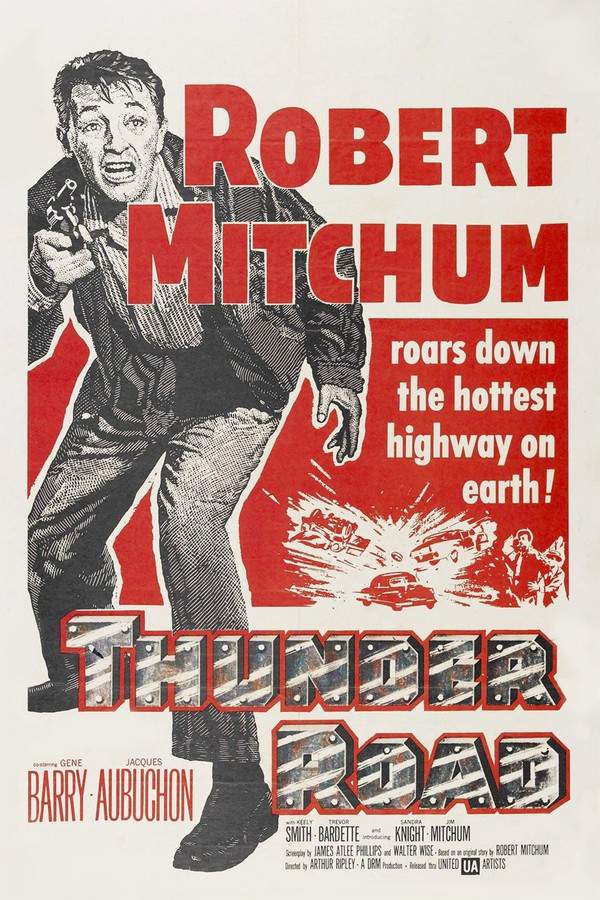
Thunder Road
1958
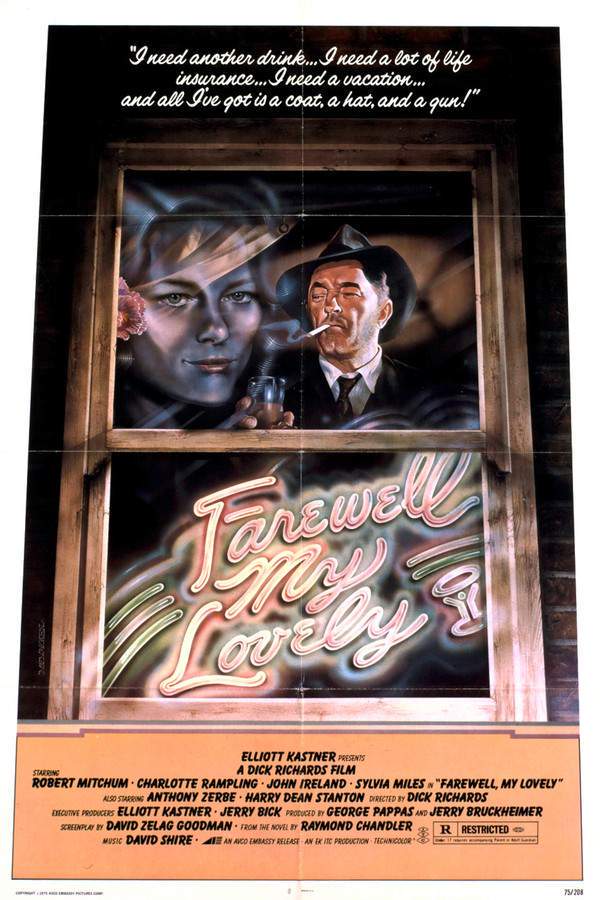
Farewell, My Lovely
1975
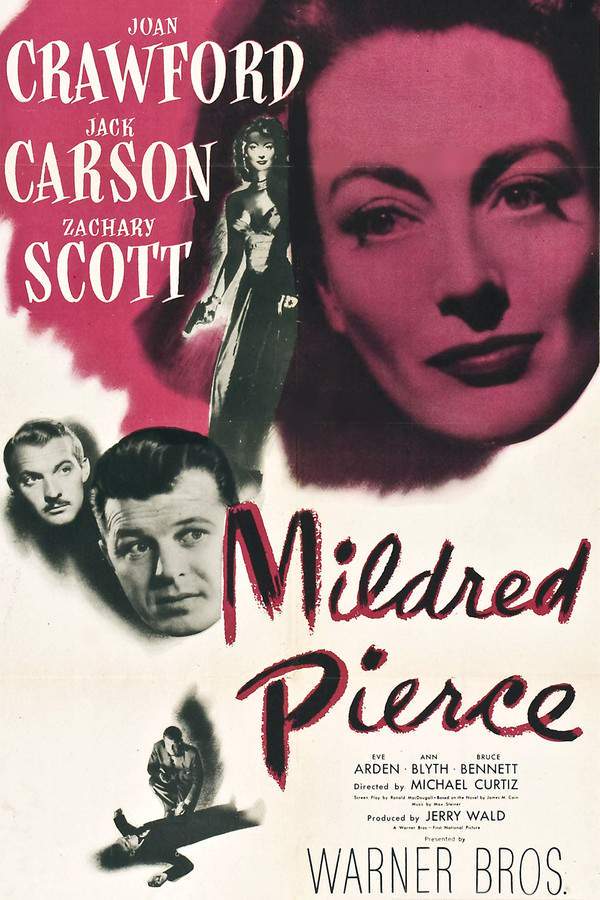
Mildred Pierce
1945
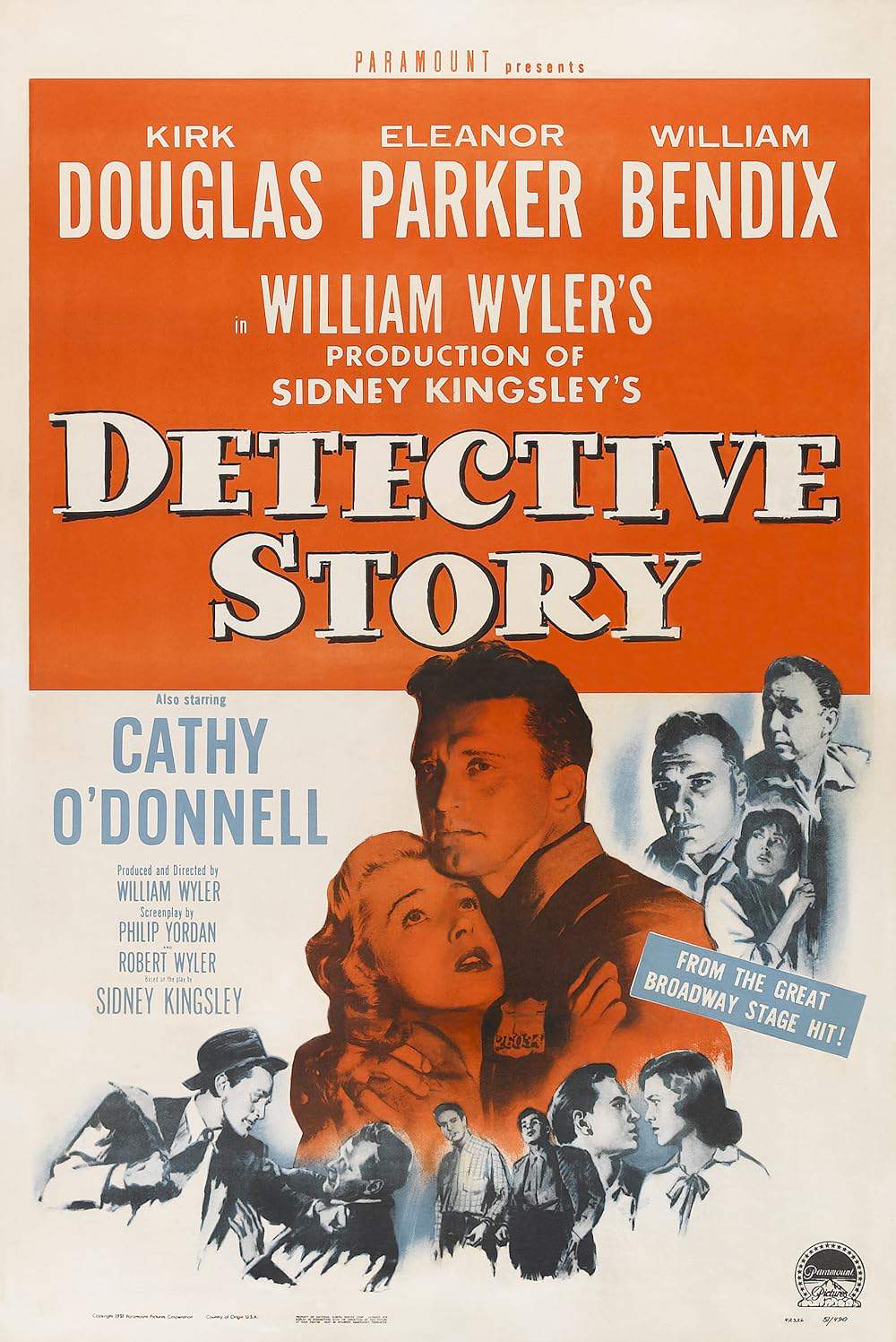
Detective Story
1951
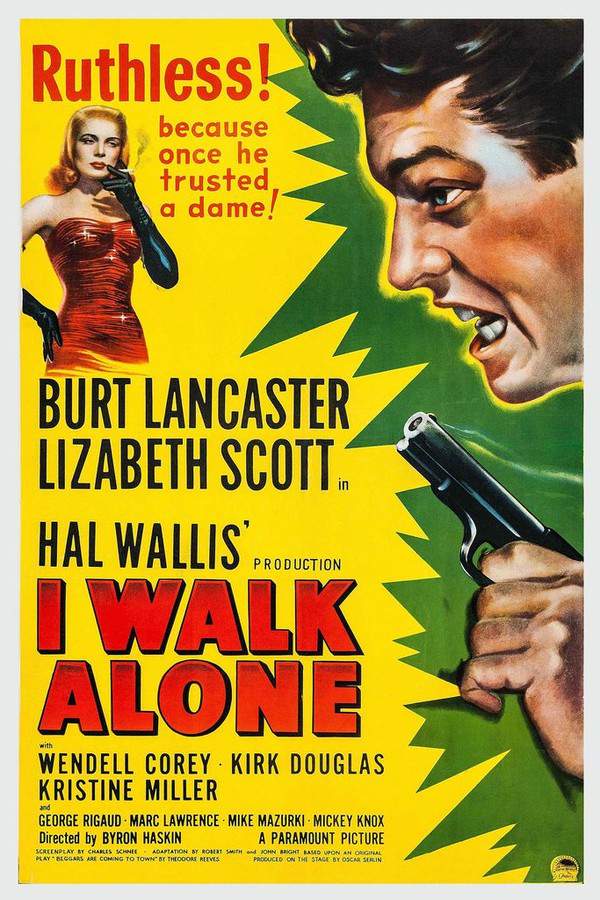
I Walk Alone
1948
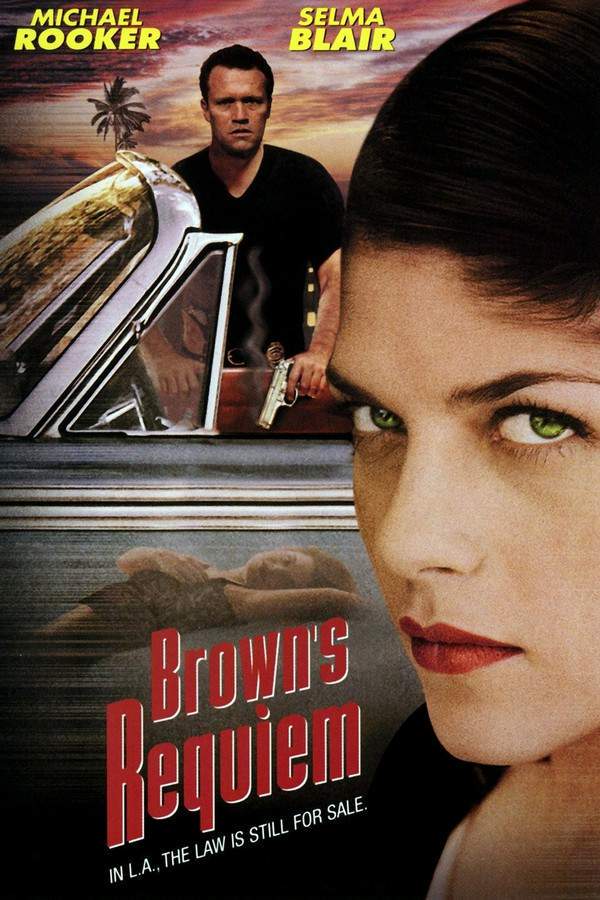
Brown's Requiem
2000

Cast a Dark Shadow
1955

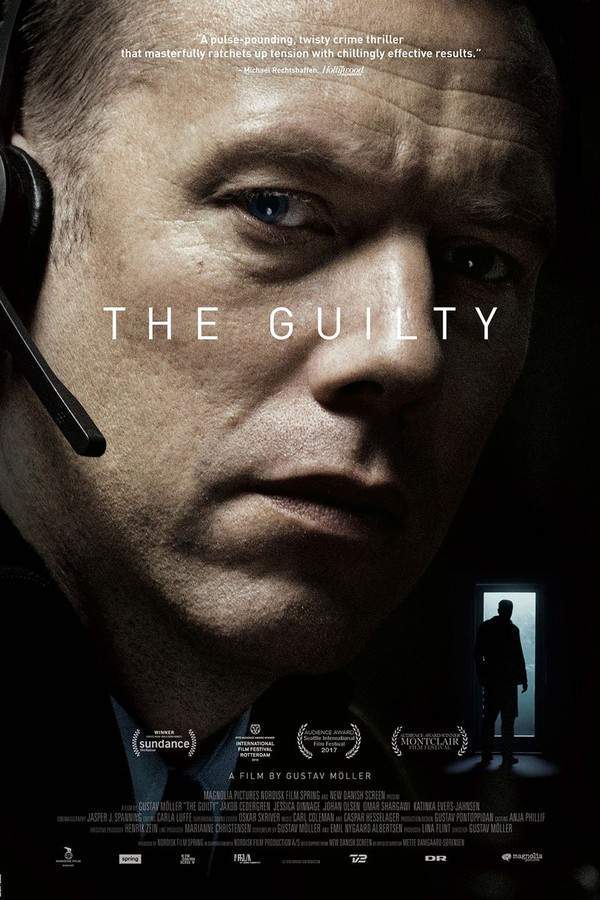
The Guilty
1947

In This Our Life
1942

Crime of Passion
1956

The Breaking Point
1950

The Moon Is… the Sun’s Dream
1992

Hollow Triumph
1948

Last Embrace
1979
The Strange Love of Martha Ivers
1946
Narrative Summary
Stories in this thread typically begin with a foundational act of violence or deception, often seen in a flashback. This event creates a chain of causality that the characters are powerless to break, with the narrative focusing on the psychological toll and the inevitable convergence towards a grim, often self-destructive, conclusion.
Why These Movies?
These movies are grouped together because they share a core belief in fate and the inescapable consequences of past actions. They combine the shadowy visual style and cynical tone of film noir with the heightened emotions and tragic character arcs of a melodrama, resulting in a uniquely heavy and oppressive viewing experience.
Movies about Guilty Secrets like The Strange Love of Martha Ivers
Characters trapped by a dark secret that binds and destroys them.Explore more movies like The Strange Love of Martha Ivers where characters are psychologically trapped by a shared, dark secret. These films focus on the tension and moral decay that comes from living a lie, featuring complex relationships built on a foundation of guilt and the constant threat of the truth being revealed.

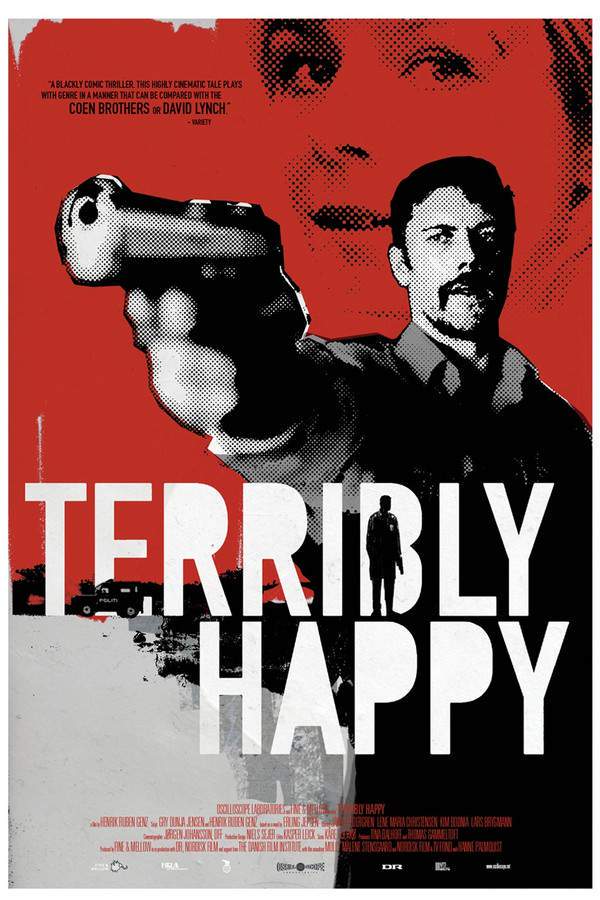




Narrative Summary
The narrative pattern involves a group of characters—often friends, family, or lovers—whose lives are irrevocably altered by a hidden event. The plot revolves around the return of a threat to this secrecy, forcing characters to confront each other and their own complicity. The drama is intensely interpersonal, driven by dialogue, power dynamics, and the unraveling of a fragile pact.
Why These Movies?
These films are connected by their deep focus on the psychology of guilt and the dynamics of a group bound by a terrible knowledge. They prioritize tense, character-driven drama over action, creating a sense of claustrophobia and impending doom as the characters' carefully constructed world begins to collapse from within.
Unlock the Full Story of The Strange Love of Martha Ivers
Don't stop at just watching — explore The Strange Love of Martha Ivers in full detail. From the complete plot summary and scene-by-scene timeline to character breakdowns, thematic analysis, and a deep dive into the ending — every page helps you truly understand what The Strange Love of Martha Ivers is all about. Plus, discover what's next after the movie.
The Strange Love of Martha Ivers Timeline
Track the full timeline of The Strange Love of Martha Ivers with every major event arranged chronologically. Perfect for decoding non-linear storytelling, flashbacks, or parallel narratives with a clear scene-by-scene breakdown.

Characters, Settings & Themes in The Strange Love of Martha Ivers
Discover the characters, locations, and core themes that shape The Strange Love of Martha Ivers. Get insights into symbolic elements, setting significance, and deeper narrative meaning — ideal for thematic analysis and movie breakdowns.



Similar Movies to The Strange Love of Martha Ivers
Discover movies like The Strange Love of Martha Ivers that share similar genres, themes, and storytelling elements. Whether you’re drawn to the atmosphere, character arcs, or plot structure, these curated recommendations will help you explore more films you’ll love.
The Honeymoon Killers
1970

Strange Illusion
1945

A Strange Adventure
1932

Beware, My Lovely
1952

The Strange Woman
1946

Guest in the House
1944

Martha
1974

The Bad Sister
1931

Another Man’s Poison
1951

Young and Innocent
1937

My Name Is Julia Ross
1945

Strange Encounter
1958

The Rich Man’s Wife
1996

Love from a Stranger
1937

House by the River
1950
Explore More About Movie The Strange Love of Martha Ivers
The Strange Love of Martha Ivers (1946) Scene-by-Scene Movie Timeline
The Strange Love of Martha Ivers (1946) Movie Characters, Themes & Settings
The Strange Love of Martha Ivers (1946) Spoiler-Free Summary & Key Flow
Movies Like The Strange Love of Martha Ivers – Similar Titles You’ll Enjoy
The Honeymoon Killers (1970) Full Movie Breakdown
Strange Illusion (1945) Complete Plot Breakdown
A Strange Adventure (1932) Plot Summary & Ending Explained
Beware, My Lovely (1952) Spoiler-Packed Plot Recap
The Strange Woman (1946) Plot Summary & Ending Explained
Guest in the House (1944) Story Summary & Characters
Martha (1974) Full Summary & Key Details
The Bad Sister (1931) Movie Recap & Themes
Another Man’s Poison (1951) Complete Plot Breakdown
Young and Innocent (1937) Plot Summary & Ending Explained
My Name Is Julia Ross (1945) Full Summary & Key Details
Strange Encounter (1958) Full Movie Breakdown
The Rich Man’s Wife (1996) Plot Summary & Ending Explained
Love from a Stranger (1937) Full Summary & Key Details
House by the River (1950) Story Summary & Characters