
The Rainbow Kid
Year: 2016
Runtime: 93 mins
Language: English
Director: Kire Paputts
Eugene, a young man with Down syndrome, sets out on an extraordinary journey to find the legendary pot of gold at the end of the rainbow. Believing he can save the day, he faces challenges and discovers the true meaning of friendship and courage along the way. His heartwarming quest is filled with unexpected encounters and a powerful message about acceptance and believing in yourself.
Warning: spoilers below!
Haven’t seen The Rainbow Kid yet? This summary contains major spoilers. Bookmark the page, watch the movie, and come back for the full breakdown. If you're ready, scroll on and relive the story!
The Rainbow Kid (2016) – Full Plot Summary & Ending Explained
Read the complete plot breakdown of The Rainbow Kid (2016), including all key story events, major twists, and the ending explained in detail. Discover what really happened, and what it all means.
Eugene is a young Torontonian whose life feels tightly capped by his diagnosis of Down syndrome, with peers who are often condescending or dismissive. He attends school in a separate room for disabled students, where bullying and indifference from classmates—and from the girl he likes—shape his days. To earn a little money, he does yard work for neighbors, while most of his time is spent at home with his terminally ill mother. To cope with his limited world, Eugene clings to a fantasy about a pot of gold at the end of a rainbow, a magical idea that could turn into real video-game money if only he could reach it.
When he learns that his mother faces eviction, Eugene makes a desperate choice: he runs away to rural Northern Ontario, hoping to find enough money to save their home. Tragically, his mother dies soon after his departure, a loss he discovers only after he has already left. On the road, Eugene encounters a string of oddball characters in an economy-starved countryside. He endures a stint with an alcoholic dowser who steals his money, then crosses paths with a burnt-out transvestite former rockstar who now works as a handyman and repairs Eugene’s bike. This enigmatic figure, Elvis Grimes, is abrasive and lewd at first glance, yet his loneliness, identity struggles, and deep depression slowly reveal a more complex person who teaches Eugene about intimate relationships and the rough edges of adult life.
With Elvis’s help—though unable to reach his deceased mother by phone—Eugene presses on, still clinging to the rainbow as a sign that the gold might exist on the far side of it. His journey leads him to Anna, a sunny girl with Down syndrome who lives with her father, a hoarder with a passion for photography and home videos. Eugene is invited to stay the night in Anna’s home, a situation that feels uneasy to him. His suspicions grow when he discovers a hidden webcam among the plushies aimed at Anna’s bed, and he becomes unsettled by Anna’s easy embrace of sexuality and nudity. He ultimately deduces that Anna’s father has used her in a disturbing way—creating child pornography and deceiving Anna about a mother figure watching from afar. Disturbed and disgusted, Eugene and Anna flee into the forest, fearful of being tracked down.
The next morning, they stumble upon a junkyard-like mass grave of wrecked cars. While playing there, a brake failure sends a car careening into a tree, injuring both of them. Eugene suffers only minor injuries, but Anna sustains a concussion and slips into unconsciousness. Desperate to get medical help, Eugene ding-dong-ditches a nearby neighbor and leaves Anna at the doorstep, hoping someone will take her to a hospital. The film leaves Anna’s fate ambiguous, lingering on what comes next for her.
Meanwhile, Eugene finds brief refuge at the home of a kind, nostalgic elderly woman who cherishes keepsakes and shares stories of the past with him. He notices a television alert bearing his own name and face, which triggers a flood of emotion, and the old woman comforts him as he breaks down. The moment is shattered when burglars break in and brutally murder the old woman, oblivious to Eugene’s presence. Enraged by her death, Eugene pursues the criminals, but they trap him into their life of crime, coercing him to beg on the street as a “retarded boy” whose earnings the burglars claim.
The police eventually intervene, revealing Eugene’s innocence in the older woman’s murder. Yet with his mother gone and his intellectual disability, he slips through the cracks of the system, ending up in a group home rather than finding meaningful work. The harsh experience of street life leaves him wary, solitary, and bitter, unable to forge friendships with other disabled adults. He does manage to stand up to a known bully in the group home, telling him to “fuck off” when the bully tries to steal his lime Jell-O. The final image is quiet and somber: while Eugene still holds onto a belief in magic and miracles at the rainbow’s end, the dream of finding the pot of gold feels increasingly distant, and he has begun to adjust to a world where hope is tempered by harsh realities.
Last updated: October 03, 2025 at 06:47
The Rainbow Kid (2016) Plot Questions Answered – Summary FAQ
Explore frequently asked questions about The Rainbow Kid (2016) with spoiler-rich answers covering the full plot summary, major story beats, character motivations, hidden details, and ending meaning. This movie summary FAQ helps explain confusing scenes, plot twists, and narrative decisions in clear, searchable detail.
Why does Eugene run away from Toronto?
Eugene runs away because he learns his terminally ill mother is facing eviction from their home. Desperate to save her and their home, he decides to journey to rural Northern Ontario, believing he can find the legendary pot of gold at the end of a rainbow and turn the fantasy into real money.
Earlier scenes show Eugene doing yard work for neighbors to earn small amounts of money, establishing his desperation to help his mother financially.
Does Eugene's mother die while he's away?
Yes, Eugene's mother dies shortly after he leaves. Eugene only discovers this devastating news after he has already departed, learning about her death through a television alert showing his own name and face as a missing person.
The timeline establishes Eugene's mother is terminally ill from the beginning, making her death foreshadowed though its timing is tragic.
Who is Elvis Grimes and what role does he play?
Elvis Grimes is a burnt-out former rockstar who now works as a handyman in rural Northern Ontario. He becomes a reluctant mentor to Eugene, teaching him about adult relationships, intimacy, and the harsh realities of life, though he is initially abrasive and lewd.
Elvis's loneliness and depression are hinted at during their first encounter, revealing why he eventually connects with Eugene.
Why does Eugene leave Anna's house?
Eugene leaves Anna's house after discovering a hidden webcam among her plushies aimed at her bed. He realizes Anna's father has been exploiting her, deceiving Anna about a mother figure who watches remotely, and that the home situation involves disturbing abuse.
Eugene feels unsettled during his stay by Anna's easy embrace of sexuality and nudity, which planted seeds of suspicion before the discovery.
What does Eugene discover about Anna's father?
Eugene discovers that Anna's father has been creating child pornography using his daughter. He deceived Anna into believing a mother figure was watching her through the webcam from afar, exploiting Anna's trust and vulnerability.
The father's role as a hoarder with a passion for photography and home videos foreshadows his predatory behavior behind the camera.
What happens after the car crash at the junkyard?
After a brake failure sends a car crashing into a tree, Eugene suffers minor injuries but Anna sustains a concussion and loses consciousness. Desperate for help, Eugene uses a ding-dong-ditch tactic to leave Anna at a neighbor's doorstep, hoping someone will take her to a hospital. Her ultimate fate remains ambiguous.
The earlier flee into the forest establishes Eugene's desperation to escape danger, which continues into this life-threatening situation.
Who kills the elderly woman who helps Eugene?
The elderly woman is murdered by burglars who had previously sheltered Eugene. The burglars break into her home and kill her, seemingly unaware of Eugene's presence in the house during the brutal attack.
Earlier interactions establish the burglars as dangerous criminals who coerced Eugene into begging for them on the street.
Why does Eugene end up in a group home?
After the police reveal Eugene's innocence in the elderly woman's murder, he is left without his mother and with his intellectual disability. Despite being cleared of any crime, he falls through the cracks of the system and is placed in a group home rather than finding meaningful employment or support.
The film establishes early on how society often dismisses or condescends to people with disabilities, setting up this institutional outcome.
Does Eugene find the pot of gold at the end of the rainbow?
No, Eugene never finds the pot of gold. The final image shows he still holds onto a belief in magic and miracles, but the dream of finding gold feels increasingly distant as he adjusts to harsh realities of life in the group home.
The entire narrative frames the rainbow quest as both a literal journey and a metaphorical search for hope beyond his limited circumstances.
What does Eugene's final act of defiance represent?
In the group home, Eugene stands up to a bully who tries to steal his lime Jell-O, telling him to "fuck off." This moment represents his personal growth and refusal to be victimized, though he remains wary of forming new friendships.
Earlier scenes of bullying at school establish Eugene's history of being targeted, making this act of resistance a significant character moment.

Explore Movie Threads
Discover curated groups of movies connected by mood, themes, and story style. Browse collections built around emotion, atmosphere, and narrative focus to easily find films that match what you feel like watching right now.
Harsh Road Movies Like The Rainbow Kid
Protagonists on difficult quests where innocence confronts a brutal world.If you liked The Rainbow Kid's story of a vulnerable individual on a difficult journey, explore more movies with similar narratives. These films feature characters facing harsh realities on the road, often dealing with themes of survival, exploitation, and bittersweet personal growth.
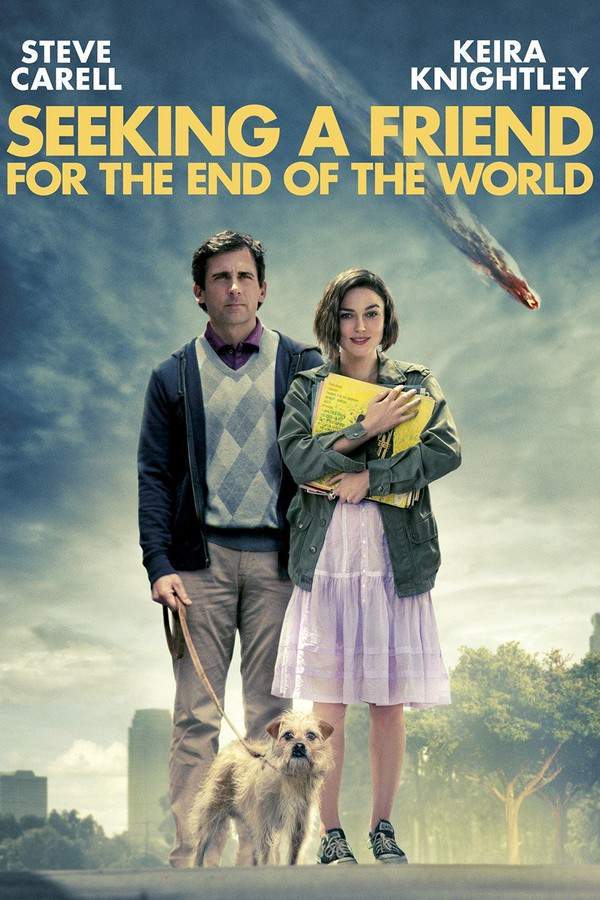
Seeking a Friend for the End of the World
2012

Boys on the Side
1995

Wristcutters: A Love Story
2007

Transamerica
2005

My Name Is Emily
2017
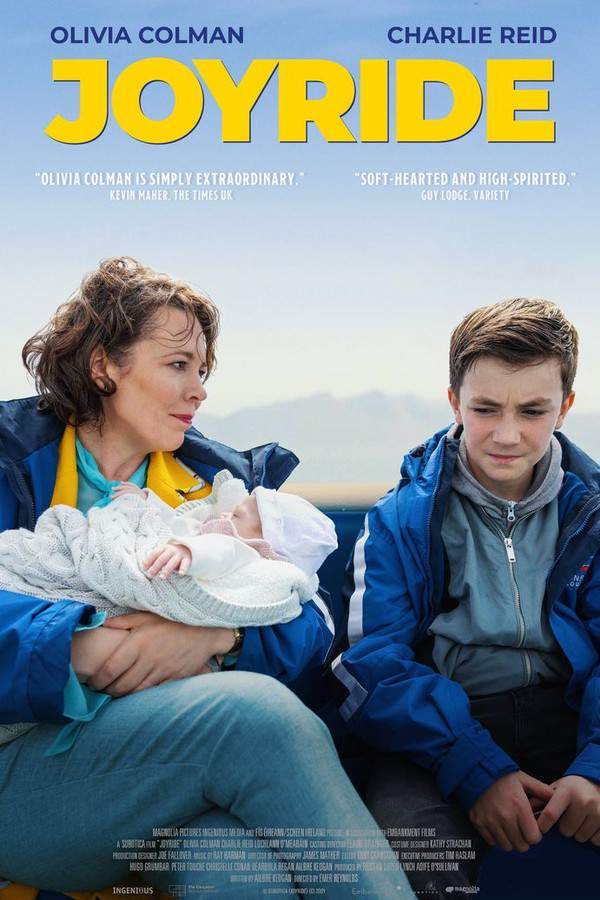
Joyride
2022

Some Kind of Hero
1982

Run the Tide
2016

The Road Dance
2023
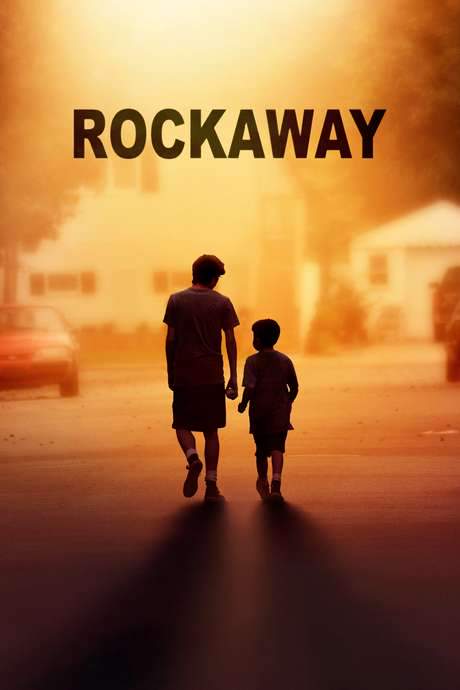
Rockaway
2017
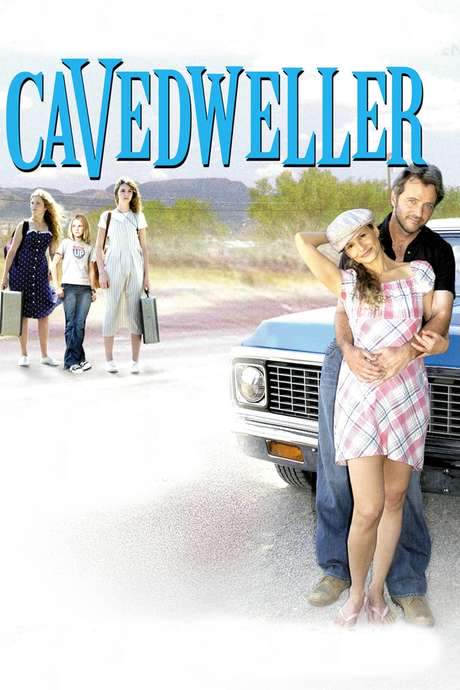
Cavedweller
2004

Baghban
2003

Dor
2006

Barefoot
2005

The Other Side of the Mountain
1975
Narrative Summary
Stories in this thread typically follow a linear, episodic journey where a naive or vulnerable protagonist leaves a place of safety. They encounter a series of challenging and often disturbing situations that strip away their innocence, forcing a sobering but realistic form of growth. The narrative structure is built around these encounters, each one revealing a darker aspect of the world and testing the character's spirit.
Why These Movies?
Movies are grouped here because they share a specific narrative structure of a physical journey undertaken by a vulnerable character. They blend a somber, gritty mood with a steady pace, creating an emotionally heavy experience defined by the contrast between the protagonist's inner hope and the external harshness they face.
Movies About Bittersweet Acceptance Like The Rainbow Kid
Stories ending not with triumph, but with a sobering adjustment to life's limits.Fans of The Rainbow Kid's poignant ending will appreciate these movies about characters finding strength through accepting difficult realities. These stories explore bittersweet conclusions where hope is redefined, not abandoned, in the face of life's harsh truths.

One Last Thing...
2006
Seeking a Friend for the End of the World
2012
Boys on the Side
1995

A Home at the End of the World
2004

Pay It Forward
2000

So B. It
2017

The Almond and the Seahorse
2022

Die Beautiful
2016

Let There Be Light
2017

The Great Escaper
2023

My Oxford Year
2025

Dark Victory
1939

Like Dandelion Dust
2009
The Other Side of the Mountain
1975

Another End
2025
Narrative Summary
The narrative pattern involves a character pursuing a hopeful, often naive quest. Throughout the story, their idealistic vision is systematically challenged by the complexities and cruelties of the real world. The climax is not about achieving the initial goal, but about a moment of profound personal reckoning. The character demonstrates growth by letting go of the fantasy and finding a fragile form of courage or self-worth within their new, constrained circumstances.
Why These Movies?
These movies are connected by their specific emotional trajectory and concluding tone. They move from hope or whimsy towards a grounded, often somber maturity, culminating in an ending that feels realistically bittersweet rather than conventionally happy or sad. The shared experience is one of emotional weight and a poignant reflection on resilience.
Unlock the Full Story of The Rainbow Kid
Don't stop at just watching - explore The Rainbow Kid in full detail. From the complete plot summary and scene-by-scene timeline to character breakdowns, thematic analysis, and a deep dive into the ending - every page helps you truly understand what The Rainbow Kid is all about. Plus, discover what's next after the movie.
The Rainbow Kid Timeline
Track the full timeline of The Rainbow Kid with every major event arranged chronologically. Perfect for decoding non-linear storytelling, flashbacks, or parallel narratives with a clear scene-by-scene breakdown.

Characters, Settings & Themes in The Rainbow Kid
Discover the characters, locations, and core themes that shape The Rainbow Kid. Get insights into symbolic elements, setting significance, and deeper narrative meaning - ideal for thematic analysis and movie breakdowns.


