Plot Explained Spoilers guaranteed!
Plot Explained

Browse by genre

The Man Who Sued God (2001) movie poster

Timeline

The Man Who Sued God (2001) Timeline Explained – Every Event in Order

Release, runtime and language
2001 · 97 mins · English
Directed by
Mark Joffe
Starring
Billy Connolly, Emily Browning, Astro, Judy Davis, Peter Whitford, Wendy Hughes

After losing his law practice, a disgruntled attorney turns to fishing. When his sole vessel is struck by lightning and destroyed, the insurer refuses payment, calling it an “act of God.” Determined, he re‑qualifies as a lawyer and sues the insurance company, naming the Church as God’s representative.

On this page (5)
  1. 1 Events in order (13)
  2. 2 Timeline questions answered
  3. 3 Movie threads
  4. 4 Movies like The Man Who Sued God
  5. 5 Every angle

13 events in order · contains spoilers

The Man Who Sued God Timeline: Events in Chronological Order

Every key event of The Man Who Sued God (2001) in order, scene by scene, with when and where it takes place. Use it to untangle flashbacks, time jumps and parallel storylines, to refresh your memory before the sequel or to find the exact scene you are thinking of.

  1. Steve quits law and starts life as a fisherman

    Disillusioned by systemic corruption in the judiciary, Steve Myers walks away from his legal career. He buys a small fishing boat and starts a quiet life at sea, leaving behind the courtroom battles he once fought. This marks a major shift from law to livelihood on the water.

    When
    early in the film
    Where
    coastal town, Australia
  2. Lightning destroys Steve's boat and insurer denies the claim

    A freak lightning strike tears through his fishing boat, leaving it wrecked, burning, and sunk. He reports the loss to his insurer, who refuses to pay, citing the destruction as an 'act of God.' Steve faces financial ruin and a crisis of faith in the system.

    When
    soon after the boat is launched
    Where
    open sea
  3. Steve files a claim against God

    In a bold legal maneuver, Steve files a claim against God, naming religious leaders and their insurers as respondents. The suit centers on challenging the 'act of God' clause and seeking compensation for the destroyed boat. It sets the stage for a courtroom showdown about accountability and belief.

    When
    shortly after denial
    Where
    courtroom
  4. Religious leaders and insurers mobilize; media takes interest

    Religious leaders, their lawyers, and insurance companies mobilize to defend their positions. The case spills into the public arena as media coverage grows, framing it as a clash between faith, commerce, and accountability. The legal strategy seeks to protect corporate interests while appearing to respect beliefs.

    When
    early litigation
    Where
    courthouse and media circuit
  5. Courtroom confrontation over admitting the act was God's hand

    In court, the parties face a potential admission that the destruction was indeed God's act. The proceedings hinge on whether the respondents will acknowledge responsibility or deny it altogether. A verdict could require compensation or raise philosophical questions about the existence of God.

    When
    mid-trial
    Where
    courthouse
  6. Anna Redmond joins to publicize the case

    Journalist Anna Redmond meets Steve and brings his plight to a wider audience. She secures interviews and features that raise public interest and shape the narrative around the lawsuit. Her involvement accelerates the case from a legal matter to a national conversation.

    When
    as the case gains momentum
    Where
    press room / TV studio
  7. Supporters step forward from other 'act of God' victims

    Steve gains backing from others who faced similar insurance denials, turning his fight into a broader movement. Their stories amplify the issue and attract more media attention and public sympathy. The courtroom audience expands beyond Steve's own case.

    When
    during media wave
    Where
    public events and media venues
  8. Religious protests and public backlash

    Opponents from religious communities organize protests and voice criticisms, arguing that the case attacks faith and divine justice. The controversy polarizes communities and risks eclipsing the legal arguments with passion and rhetoric. Coverage increases the intensity of public debate.

    When
    mid to late stage
    Where
    city streets and church gatherings
  9. Steve's family bears the cost; Perth relocation worry

    The spotlight takes a toll on Steve's family, with his ex-wife burdened by debt as the boat's guarantor. The possibility of moving to Perth introduces uncertainty about their future. The personal impact becomes a central undercurrent of the case.

    When
    as media attention grows
    Where
    home; Perth option considered
  10. Anna Redmond's past disputes come under fire

    Media scrutiny targets Anna Redmond for alleged disputes with insurance companies, with critics arguing the case is a publicity stunt. She defends her role while facing a wave of backlash from those who doubt the case's motives. The public narrative strains the alliance between Steve and the press.

    When
    as scrutiny increases
    Where
    newsroom
  11. The case drags on; Steve contemplates withdrawal

    The legal battle stretches on, taking a heavy toll on Steve and his supporters. He weighs the personal costs against any hoped-for victory and begins to consider stepping away from the fight. The pros and cons of continuing become a central consideration.

    When
    ongoing
    Where
    courthouse
  12. Steve convinces the judge the term 'acts of God' is misleading

    In a pivotal moment, Steve persuades the judge that the insurers’ use of the phrase 'acts of God' is misleading and misrepresents responsibility. The argument reframes the legal issue and introduces a moral critique of the insurance industry. The courtroom bristles as the case pivots on language and fairness.

    When
    climax
    Where
    courtroom
  13. Steve withdraws with a moral victory

    Recognizing the toll on his family and others, Steve withdraws from the case. He regards this as a moral victory, having forced the issue into public view and prompting a critical reassessment of the phrase 'acts of God' in insurance practices. The judge acknowledges the broader moral implications of the fight.

    When
    end of case
    Where
    courtroom

Last updated: October 09, 2025 at 16:39

Was this helpful?

Timeline questions answered

The Man Who Sued God Timeline Explained: Your Questions Answered

When does it happen, and why in that order? The questions people ask about the chronology of The Man Who Sued God (2001): time jumps, flashbacks, cause and effect between scenes and the correct order of events, each answered with spoilers.

Q1

Why did Steve quit law to become a fisherman?

Steve Myers left his legal career because he had become disillusioned with the corruption he perceived within the judicial system. He believed he could find meaning and honesty in a simpler life working at sea, away from the courtroom battles that had once defined his profession.

Foreshadowing: The movie opens with Steve's disillusionment, establishing the thematic groundwork for his later fight against what he sees as systemic injustice.

  • steve myers
  • lawyer
  • fisherman
  • quit career
  • disillusioned
Q2

Why did the insurance company refuse to pay for Steve's boat?

After lightning destroyed Steve's fishing boat, the insurer denied his claim by classifying the destruction as an 'act of God,' which they argued was not covered under his policy. This legal loophole meant the company bore no financial responsibility for the damage.

Foreshadowing: The insurance company's reliance on the 'act of God' clause directly motivates Steve's radical decision to sue God itself.

  • insurance claim
  • act of god
  • boat destroyed
  • lightning
  • denied payment
Q3

Why did Steve decide to sue God instead of just appealing the denial?

Steve sued God as a bold legal strategy to challenge the 'act of God' clause used by insurers. By naming religious leaders as respondents along with their insurers, he forced the legal system to examine whether the term was being used unfairly to avoid accountability. His goal was to expose what he saw as a manipulative corporate practice hiding behind religious language.

  • sue god
  • legal strategy
  • act of god clause
  • religious leaders
  • insurance companies
Q5

Did Steve win his case against God?

Steve did not win in the traditional sense, he withdrew from the case after it took a heavy toll on his family. However, he achieved what the film frames as a moral victory by persuading the judge that the term 'acts of God' as used by insurers was misleading. The judge acknowledged this critique, leaving a lasting impact on how the legal system perceives the issue.

  • court case
  • win
  • withdraw
  • moral victory
  • judge ruling
Q6

Why did Steve withdraw from the lawsuit?

Steve decided to withdraw from the case because it had become a prolonged battle that placed enormous strain on his family and supporters. The financial and emotional cost had escalated significantly, and he recognized that continuing would only cause more harm to those closest to him.

  • withdraw
  • lawsuit
  • family strain
  • personal cost
  • decision
Q7

What moral victory did Steve achieve by suing God?

Steve's moral victory was forcing the issue into public consciousness and getting the court to recognize that insurers misuse the term 'acts of God.' While he didn't receive financial compensation, he succeeded in challenging the language and practices of the insurance industry, prompting a critical reassessment of how the phrase is used in policies.

Foreshadowing: The film's climax centers on Steve's successful argument about the misleading nature of the term, which becomes the true payoff of his crusade.

  • moral victory
  • public awareness
  • act of god term
  • insurance reform
  • symbolic win
Q8

Who is Anna Redmond and why does she help Steve?

Anna Redmond is a journalist who joins Steve's cause to publicize his case and rally support from others who had similar experiences with insurance companies denying 'act of God' claims. She leverages media coverage to amplify his voice and turn his individual fight into a broader movement, though her involvement later draws criticism about the case being a publicity stunt.

  • anna redmond
  • journalist
  • media
  • publicize case
  • support movement
Q9

What does 'act of God' mean in insurance?

In insurance terminology, an 'act of God' refers to natural events, like lightning, floods, or earthquakes, that are considered beyond human control. Insurers often use this classification to deny claims, arguing that such events are not their responsibility to cover. The film critiques how this legal loophole can be exploited to avoid paying legitimate claims.

  • act of god
  • insurance term
  • natural disaster
  • liability
  • claim denial
Q10

How did media coverage affect Steve's lawsuit?

Media coverage transformed Steve's lawsuit from a local legal matter into a national conversation about insurance practices and corporate accountability. The publicity attracted supporters who had similar grievances, but it also drew criticism and backlash from religious communities and those who accused the case of being sensationalist rather than legally sound.

  • media coverage
  • public debate
  • supporters
  • backlash
  • national attention

Movie threads

More Movies Like The Man Who Sued God, by Mood & Story

Curated lists built around what makes The Man Who Sued God tick: the same mood, the same kind of story or the same emotional payoff. Each list explains why these movies belong together.

Witty underdog movies like The Man Who Sued God

Clever individuals use their wit to challenge powerful, absurd institutions. If you enjoyed the clever satire of The Man Who Sued God, you'll like these movies featuring smart protagonists taking on powerful systems. This list includes similar comedies about legal battles, media circuses, and intellectual challenges to authority, all with a lighthearted and witty tone.

  • witty
  • satirical
  • underdog
  • thought-provoking
  • lighthearted
  • clever
  • Tone: light, witty, satirical
  • Pacing: steady, conversation-driven
Why these movies?

The story pattern: The narrative follows a disillusioned but sharp protagonist who identifies a flaw or hypocrisy within a powerful institution. They embark on a quest, often legal or public-facing, to expose this absurdity. The conflict is driven by wit and principle, leading to a moral or symbolic victory that highlights the triumph of cleverness over sheer power.

Why they belong together: These movies are grouped together because they share a core vibe of intellectual rebellion. They balance a light tone with a thought-provoking premise, featuring steady pacing and medium intensity as the protagonist's clever plan unfolds. The focus is on satirical humor and the satisfaction of seeing a rigid system challenged with intelligence.

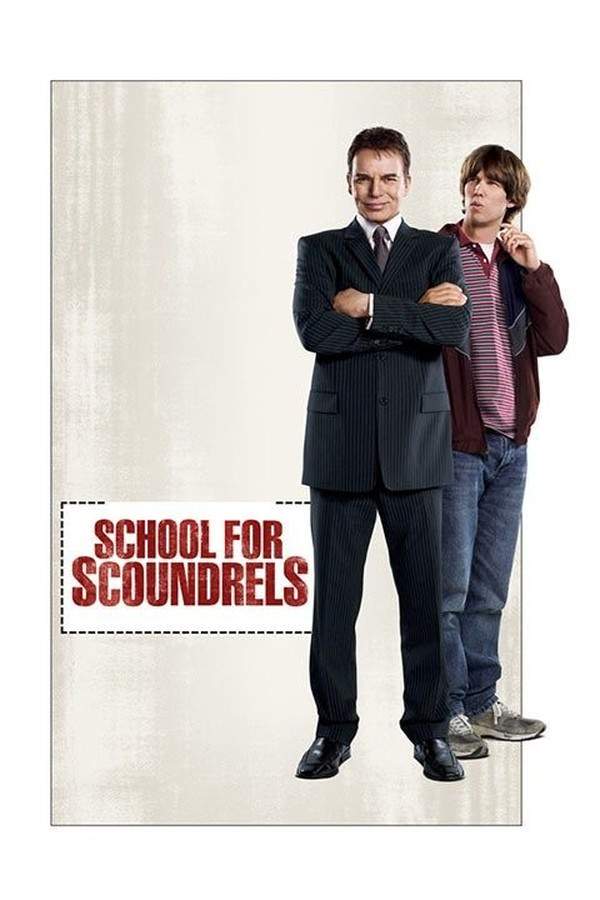
Absurd legal comedies similar to The Man Who Sued God

Hilarious courtroom dramas and lawsuits built on far-fetched but logical premises. Fans of the ridiculous lawsuit in The Man Who Sued God will enjoy these movies centered on absurd legal battles. Discover similar films with witty satire, courtroom antics, and far-fetched premises that are played straight, creating a unique blend of intellectual humor and lighthearted entertainment.

  • courtroom
  • satirical
  • absurd
  • witty
  • logical
  • media frenzy
  • Tone: light, amusing, satirical
  • Pacing: steady, procedural
Why these movies?

The story pattern: The story is triggered by an eccentric or seemingly impossible legal claim. The narrative follows the preparation and execution of the case, exploring its philosophical implications and the public reaction. The courtroom becomes a stage for satire and witty dialogue, with the resolution often offering a humorous commentary on justice, belief, or human nature.

Why they belong together: These films share a specific plot structure centered on an absurd legal premise. They maintain a light tone and straightforward complexity, using the courtroom setting for witty satire and amusing conflicts. The pacing is steady, focused on the buildup and execution of the case rather than high drama or deep emotion.

If you liked this

Movies Like The Man Who Sued God

Similar movies to The Man Who Sued God: the same genre, themes or kind of story. Each one comes with its own plot summary, timeline and ending explained.

Browse all movie summaries

Every angle

The Man Who Sued God (2001) Explained: Plot, Timeline & Characters

Everything about The Man Who Sued God in one place: what happens in the plot summary, the timeline in chronological order, the characters and meaning and a spoiler-free summary. What's After the Movie adds the cast, box office and post-credit scenes.

Coming soon on iOS and Android

The Plot Explained Movie Summary App

Plot summaries, endings explained and timelines on your phone. Catch up on any movie in minutes, save your favorites and never miss a twist again.

Be the first to know when we launch. Your email stays private, always.

Learn more about the app