Plot Explained Spoilers guaranteed!
Plot Explained

Browse by genre

The Legend of Rita (2000) movie poster

Characters & Themes

The Legend of Rita (2000) Characters, Setting & Themes Explained

Release, runtime and language
2000 · 102 mins · German
Directed by
Volker Schlöndorff
Starring
Alexander Beyer, Martin Wuttke, Nadja Uhl, Thomas Arnold, Bibiana Beglau, Jenny Schily

Rita Vogt, once a radical West German terrorist, deserts the revolutionary movement and is granted a fabricated identity by the East German secret service, allowing her to resettle in the GDR. She endures perpetual anxiety that her past will be discovered, a fear realized when German reunification exposes her true identity.

On this page (7)
  1. 1 Characters explained (7)
  2. 2 Where & when it takes place
  3. 3 Themes & meaning (3)
  4. 4 Character & meaning questions
  5. 5 Movie threads
  6. 6 Movies like The Legend of Rita
  7. 7 Every angle

7 main characters · contains spoilers

The Legend of Rita Characters Explained: Who Is Who

The main characters of The Legend of Rita (2000), heroes and villains: what drives them, how they change over the course of the story and what each of them reveals about the film's bigger ideas.

  • Rita Vogt (Bibiana Beglau)

    Rita is a West German RAF operative who becomes a fugitive in East Berlin. To survive, she submits to the Stasi’s plan of new identities and menial work, gradually losing parts of herself to the constructed legend. Her relationships with Tatjana and Jochen test the limits of loyalty as she navigates pregnancy and the pressure to abandon her past. The arc culminates in a fatal confrontation with East German authorities.

    • 🧭 Identity
    • 🕊️ Guilt
    • 🎭 Drama
  • Jochen Pettka (Alexander Beyer)

    A Baltic Sea student who falls in love with Rita and yearns for a normal life. He envisions marriage and a future together but is blocked by the political machine and Rita’s past. His trust in Rita dissolves as the lie of her life unravels, forcing a painful separation. His idealism contrasts with the harsh realities of life under surveillance.

    • 💞 Romance
    • 🗺️ World
    • 🏡 Domestic Life
  • Erwin Hull (Martin Wuttke)

    A Stasi officer who covertly aids the RAF fugitives and trains them with military hardware. He rationalizes unlawful acts as necessary for state security and coaches Rita in a forged backstory to help her blend in. He creates a mechanism for extracting loyalty through fabricated legends and new identities. His actions reveal the grey ethics of a surveillance state that uses people as tools.

    • 👁️ Surveillance
    • 🗝️ Authority
    • 🔥 Power
  • Friederike Adebach (Jenny Schily)

    Friederike is the other female RAF member who accepts a new life in the GDR. Now married with a child, she endures the system’s pressures with grudging resentment. Her path contrasts Rita’s more drastic choices, illustrating how even “new lives” under the state carry moral compromises. A quiet, wary presence who reconnects with Rita under tense circumstances.

    • 🧭 History
    • 🧵 Conformity
    • 🎶 Culture
  • Tatjana (Nadja Uhl)

    Tatjana is a depressed, alcoholic coworker who befriends Rita and becomes a pivotal emotional link. Rita helps her toward sobriety, and their bond deepens into a lesbian relationship. Tatjana’s loyalty provides a humane counterpoint to the political violence around them. After years of imprisonment for knowing about Rita, she is eventually released and reunites with Rita before the final crackdown.

    • 💊 Recovery
    • 🫂 Friendship
    • 🎗️ Resilience
  • Erich Mielke (Dietrich Körner)

    Mielke is the head of the Stasi who oscillates between pragmatism and ideological zeal. He expresses sympathy for RAF attacks and orders Hull to help fugitives under unofficial arrangements. His conversations reveal a regime that loves control as much as it fears exposure. His stance mirrors the moral ambiguities of the Cold War power structure.

    • 🧭 Power
    • 🗺️ Politics
    • 🧬 Control
  • Tatjana's Vater (Rudolf Donath)

    Tatjana’s father appears as a more distant figure within the social fabric of East Germany, representing traditional pressures and familial continuity in a changing society. He embodies the ordinary lives caught in the crosswinds of politics and personal struggle. His presence underscores the film’s focus on everyday people affected by the regime.

    • 🩺 Family
    • 🧱 Pressure
    • 🧭 Society

Last updated: October 03, 2025 at 14:31

Was this helpful?

Setting

Where and When Does The Legend of Rita Take Place?

The setting of The Legend of Rita (2000): the year and time period, the places and locations, and how they shape the characters, the mood and the tension of the story.

Time period

1970s–1989

The narrative unfolds across the height of RAF activity in the 1970s, through the stagnation of the East German regime, and into the 1989 collapse of the GDR. It traces how the RAF and Stasi operated within a divided Germany entrenched in Cold War paranoia. The timeline captures shifts in policy, surveillance, and the eventual unraveling of the East German state.

Location

West Germany, Paris, East Berlin, Friedrichstraße, Baltic Sea

The story moves between West Germany, Paris, and East Berlin, with key scenes at a Friedrichstraße safe house and along Baltic coast locales. Fugitives shuttle through border points, relying on clandestine housing and forged identities. The settings underscore the stark contrast between capitalist West and communist East during the late Cold War.

  • 🗺️ Cross-border
  • 🧭 Cold War
  • 🌍 Geopolitics

Last updated: October 03, 2025 at 14:31

Was this helpful?

3 major themes

The Legend of Rita Meaning: Themes & Message Explained

What is The Legend of Rita (2000) really about? The emotional, social and philosophical themes the film keeps returning to, its symbolism and the message beneath the surface.

  • Identity

    Rita’s constructed legend shows how identity can be manufactured to fit political needs. The process allows survival but exacts a heavy personal toll, blurring what is real and what is expedient. Loyalty becomes a moving target as personal ties clash with manufactured narratives. The theme probes how memory and self-perception adapt under surveillance.

  • Surveillance

    The Stasi’s reach infiltrates daily life, shaping friendships, loves, and work. Safe houses, training in weaponry, and constant monitoring create a web of control that justifies illegal acts as necessary. The film exposes the ethical ambiguity of state-backed deception. It shows how power structures weaponize information to redirect lives.

  • Ideology

    Ideology drives both revolutionary action and state policing, fueling a cycle of violence and suppression. The RAF’s terror and the regime’s coercion illuminate the fragility of political certainty. Personal lives are sacrificed on the altar of political necessity. The ending juxtaposes utopian rhetoric with the harsh realities of a collapsing system.

Last updated: October 03, 2025 at 14:31

Was this helpful?

Character & theme questions

The Legend of Rita Characters & Meaning: Your Questions Answered

The questions people ask about The Legend of Rita (2000): who the characters really are, their relationships, what the symbols mean, where it takes place and what the movie is really about. Each answer contains spoilers.

Q1

What happens to Rita Vogt's identity in the film?

Rita Vogt, a former RAF terrorist, is granted a completely fabricated identity by the East German Stasi to escape prosecution. She is given a new name, assigned menial work, and forced to adopt a manufactured legend that erases her past. This constructed identity allows her to survive but fundamentally blurs the line between her true self and the manufactured persona, leaving her in perpetual anxiety about exposure.

  • Rita Vogt
  • identity
  • Stasi
  • fabricated legend
  • RAF
Q2

How does the Stasi operate in the film?

The Stasi infiltrates every aspect of daily life in East Berlin, monitoring citizens through extensive surveillance networks. In the film, they run a covert program that provides fake identities to West German RAF fugitives, essentially trading survival for loyalty and control. Officer Erwin Hull trains Rita in her fabricated backstory and supplies her with documentation, demonstrating how the state uses information as a tool of power.

  • Stasi
  • surveillance
  • East Germany
  • espionage
  • monitoring
Q3

Where is The Legend of Rita set?

The film takes place across divided Germany during the Cold War, primarily in East Berlin, with key scenes in West Germany and along the Baltic Sea coast. The Friedrichstraße area serves as a safe house for fugitives shuttling between borders. The settings emphasize the stark contrast between capitalist West Germany and communist East Berlin, highlighting how the political division shapes every character's choices.

  • East Berlin
  • Cold War
  • divided Germany
  • Friedrichstraße
  • Baltic Sea
Q4

What was the Red Army Faction in the film?

The Red Army Faction (RAF) was a West German leftist militant group active during the 1970s-1980s. In the film, Rita Vogt is portrayed as a former RAF operative who becomes a fugitive. The narrative shows how the East German regime secretly supported these revolutionaries while maintaining a facade of state security, exposing the ideological hypocrisy of Cold War politics.

  • Red Army Faction
  • RAF
  • terrorism
  • West Germany
  • leftist militant
Q5

Who does Rita fall in love with in the film?

Rita develops relationships with both Jochen Pettka, a Baltic Sea student who dreams of a normal life with her, and Tatjana, a depressed alcoholic coworker who becomes her romantic partner. Jochen represents her chance at an ordinary future, while Tatjana offers emotional support in the oppressive East German environment. Both relationships are ultimately destroyed by the lie of her constructed identity.

  • Jochen Pettka
  • Tatjana
  • romance
  • love triangle
  • relationships
Q6

What does the film say about identity?

The film explores how identity can be manufactured to serve political purposes, showing that Rita's constructed legend allows survival but extracts a heavy personal cost. Her story demonstrates how under total surveillance, the line between authentic self and performative identity becomes impossible to distinguish. Loyalty becomes unstable as personal connections clash with the fabricated narrative she must maintain.

  • identity
  • self
  • memory
  • perception
  • authenticity
Q7

What role does ideology play in the story?

Ideology drives both the RAF's revolutionary violence and the East German state's repressive machinery, creating a cycle where both sides justify illegal acts as necessary. The film shows how political certainty consumes personal lives, with Rita and others sacrificed for causes they once believed in. The collapse of the GDR ultimately exposes the hollowness of both revolutionary and state ideologies.

  • ideology
  • politics
  • revolution
  • state
  • conviction
Q8

What happens after German reunification?

After the 1989 collapse of the GDR, Rita's fabricated identity is exposed when the East German state unravels and its files are opened. The very system that protected her becomes the mechanism that destroys her anonymity. This turn of events forces her to confront the consequences of living a constructed life and ultimately leads to her fatal confrontation with authorities.

  • reunification
  • GDR collapse
  • exposure
  • Stasi files
  • 1989
Q9

Who is Tatjana in the story?

Tatjana is a depressed, alcoholic coworker in East Berlin who befriends Rita and becomes her romantic partner. She represents a humane counterpoint to the political violence surrounding them, offering genuine emotional connection amid state surveillance. After years of imprisonment for knowing about Rita's true identity, she is eventually released and reunites with Rita before the final crackdown.

  • Tatjana
  • character
  • relationship
  • support
  • loyalty
Q10

What does Erwin Hull do for Rita?

Erwin Hull is a Stasi officer who secretly aids RAF fugitives by providing them with fabricated identities and training. He coaches Rita in her forged backstory, creates documentation, and rationalizes these illegal operations as necessary for state security. His actions reveal the moral ambiguity of a surveillance state that uses people as tools while maintaining a facade of ideological purity.

  • Erwin Hull
  • Stasi officer
  • forged identity
  • backstory
  • surveillance state
Q11

When does the film take place?

The narrative spans from the height of RAF activity in the 1970s through the stagnation of the East German regime to the 1989 collapse of the GDR. This timeframe captures the evolution of Cold War tensions, shifts in government surveillance policy, and the eventual unraveling of the East German state, providing historical context for Rita's tragic journey.

  • 1970s
  • 1980s
  • 1989
  • Cold War
  • GDR
  • timeline

Movie threads

More Movies Like The Legend of Rita, by Mood & Story

Curated lists built around what makes The Legend of Rita tick: the same mood, the same kind of story or the same emotional payoff. Each list explains why these movies belong together.

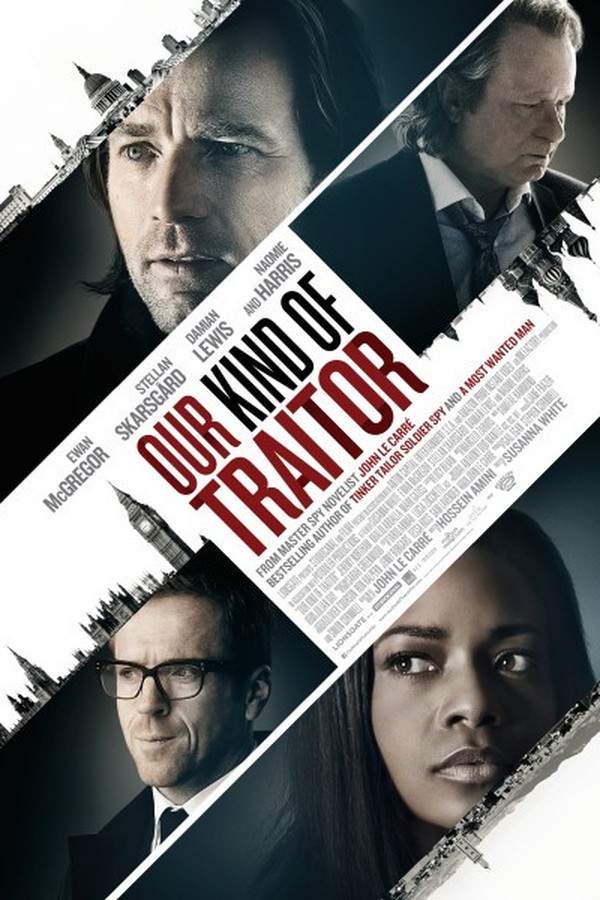
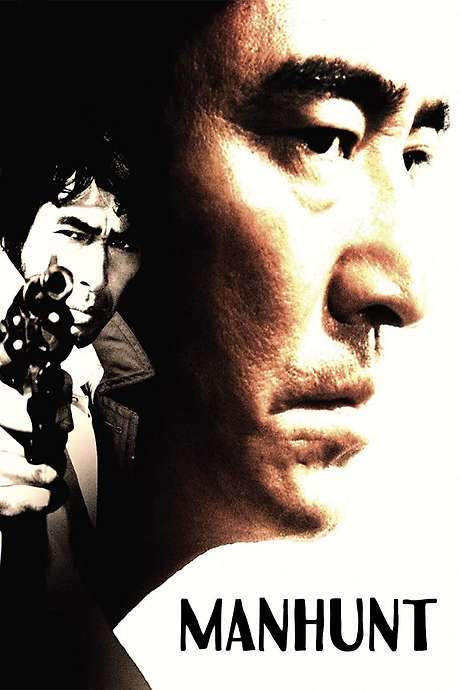
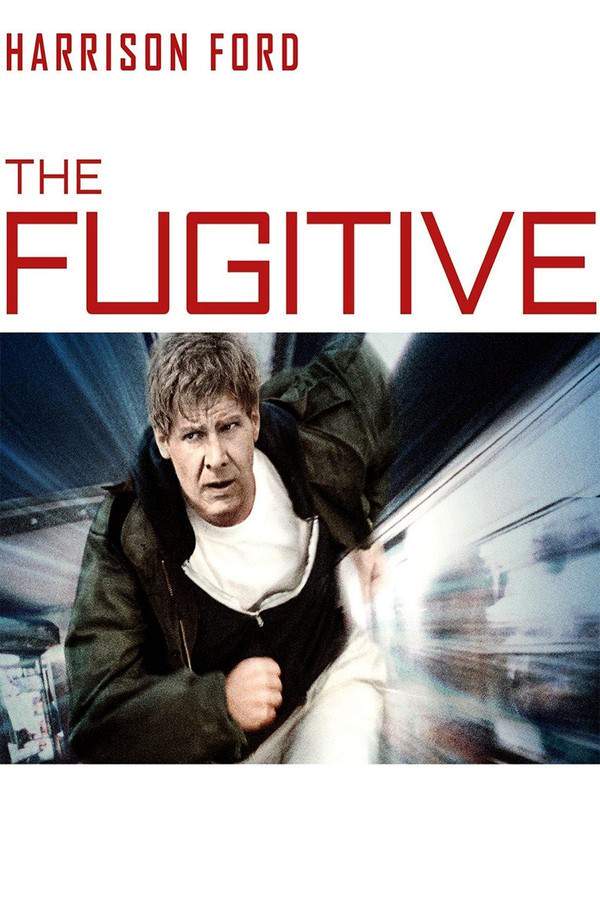
Thrillers about fugitives on the run like The Legend of Rita

Characters living in hiding, constantly hunted by a past that won't let go. If you liked the tense, oppressive atmosphere of The Legend of Rita, explore more movies about characters living undercover. These films share a high-stakes sense of paranoia and the heavy emotional weight of being hunted by one's past, creating a similarly anxious and claustrophobic viewing experience.

  • paranoid
  • anxious
  • claustrophobic
  • oppressive
  • tragic
  • melancholic
  • Tone: tense, paranoid, bleak
  • Pacing: steady, methodical
Why these movies?

The story pattern: The narrative follows a character who has assumed a new identity to escape a former life, often involving political violence or crime. The plot is driven by the constant, looming threat of discovery, forcing the protagonist into a state of hyper-vigilance that erodes their chances at normalcy and connection.

Why they belong together: These films are grouped by their shared core conflict: a protagonist versus their own past. They create a consistent mood of high-tension anxiety through themes of surveillance, betrayal, and the psychological toll of maintaining a fabricated existence.
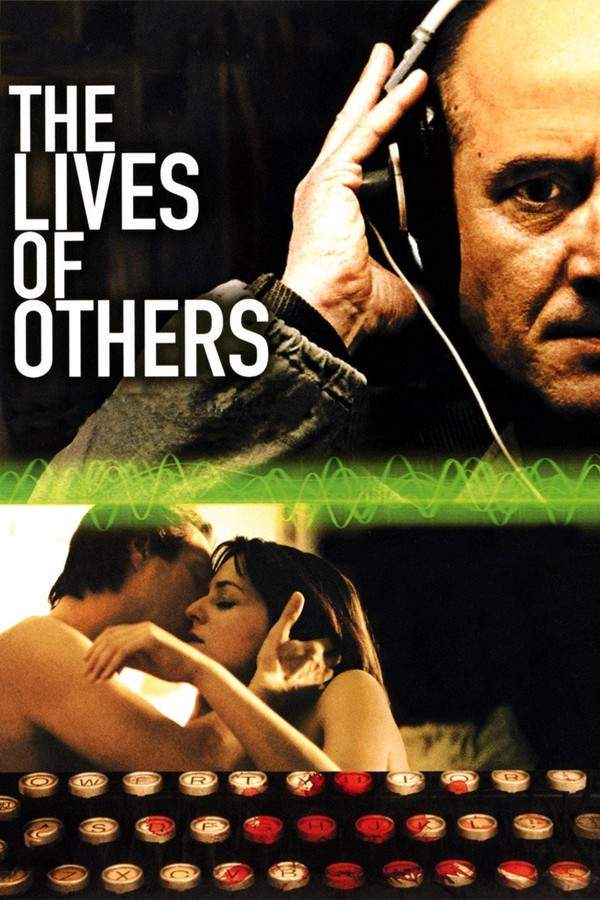
Bleak Cold War spy dramas with a tragic feel like The Legend of Rita

Personal tragedies set against the grim, unforgiving backdrop of the Cold War. Viewers seeking movies similar to The Legend of Rita will find a cohesive selection here. These dramas capture the same melancholic, oppressive atmosphere of the Cold War, where characters are pawns in a larger political game, leading to heavy emotional consequences and often bleak conclusions.

  • oppressive
  • melancholic
  • tragic
  • political
  • historical
  • gritty
  • Tone: tense, melancholic, bleak
  • Pacing: steady, character-driven
Why these movies?

The story pattern: The narrative unfolds within the stark divide of the Cold War, often involving state secrets, double agents, or defectors. The journey is one of increasing disillusionment, where personal ideals are crushed by the brutal reality of state machinery, resulting in isolation, betrayal, and a sense of futility.

Why they belong together: They are connected by a specific historical setting that fuels a consistent tone of grim realism and existential dread. The shared elements include a tense, methodical pace, a high emotional weight, and an ending that underscores the personal cost of geopolitical conflict.

If you liked this

Movies Like The Legend of Rita

Similar movies to The Legend of Rita: the same genre, themes or kind of story. Each one comes with its own plot summary, timeline and ending explained.

Browse all movie summaries

Every angle

The Legend of Rita (2000) Explained: Plot, Timeline & Characters

Everything about The Legend of Rita in one place: what happens in the plot summary, the timeline in chronological order, the characters and meaning and a spoiler-free summary. What's After the Movie adds the cast, box office and post-credit scenes.

Coming soon on iOS and Android

The Plot Explained Movie Summary App

Plot summaries, endings explained and timelines on your phone. Catch up on any movie in minutes, save your favorites and never miss a twist again.

Be the first to know when we launch. Your email stays private, always.

Learn more about the app