The Last Horror Film

The Last Horror Film

JustWatch#6,4328

Year: 1982

Runtime: 87 mins

Language: English

ComedyHorror

A New York cab driver becomes obsessed with a beautiful actress heading to the Cannes Film Festival, hoping to land a role in her movie. As he follows her, a wave of brutal murders strikes the actress’s friends, linking his fixation to the deadly events unfolding at the festival.

Warning: spoilers below!

Haven’t seen The Last Horror Film yet? This summary contains major spoilers. Bookmark the page, watch the movie, and come back for the full breakdown. If you're ready, scroll on and relive the story!

Timeline & Setting – The Last Horror Film (1982)

Explore the full timeline and setting of The Last Horror Film (1982). Follow every major event in chronological order and see how the environment shapes the story, characters, and dramatic tension.

Time period

Early 1980s

The events unfold around the Cannes Film Festival period, reflecting the era's festival culture and media spectacle. The early 1980s setting anchors the meta-narrative about filmmaking and publicity. The time frame is essential to the plot's twist that what we witness is Vinny's own film.

Location

New York City, Cannes Film Festival, French château in the countryside

Vinny Durand's world centers in New York City, while the Cannes Film Festival provides the glamorous backdrop for Jana Bates' career. The story also moves to a remote French château, where the plot intensifies away from the festival crowds. These locations highlight the contrast between cinema's glittering exterior and its dangerous, invasive undercurrents.

🗽 New York City 🎬 Cannes Film Festival 🏰 French château

Last updated: October 04, 2025 at 12:59

Was this helpful?

Main Characters – The Last Horror Film (1982)

Meet the key characters of The Last Horror Film (1982), with detailed profiles, motivations, and roles in the plot. Understand their emotional journeys and what they reveal about the film’s deeper themes.

Vinny Durand (Joe Spinell)

A New York City taxi driver who dreams of directing his own film starring Jana Bates. He becomes consumed by an obsession, covertly filming Jana at Cannes and manipulating events around her. His fixation drives the plot and exposes the peril of treating people as cinematic material. He embodies the line between fan, filmmaker, and voyeur.

🎭 Obsession 🎬 Filmmaking 📷 Voyeurism

Jana Bates (Caroline Munro)

A rising horror-film star attending Cannes with her entourage, including her manager and her producer boyfriend. She receives a cryptic note and becomes entangled in a dangerous web of deception and murder. She embodies the price of fame and the volatility of celebrity in the film industry.

🎬 Celebrity 🖤 Danger 🧭 Public Image

Bret Bates (Marcello Mastroianni)

Jana's ex-husband and manager, revealed as the mastermind behind the deadly scheme. He manipulates events to control Jana's career and uses Durand as a convenient fall guy. His plan collapses in a climactic confrontation that reveals the manipulation at the heart of the plot.

🕹️ Manipulation 🎭 Power 🔎 Mastermind

Stanley Kline (David Winters)

Director of Jana's horror film 'Scream,' whose project becomes entangled in the same deadly plot. He is drawn into the escalating tension at Cannes and ultimately becomes a casualty in the string of murders.

🎬 Director 🧩 Plot-integral ⚠️ Risk

Susan Archer (Susanne Benton)

Kline's assistant who becomes aware of the threat notes circulating among the film crew. She navigates the press and production pressures while the danger closes in, eventually meeting a fatal end.

👁️ Watcher 🗣️ Insider 🧨 Victim

Alan Cunningham (Judd Hamilton)

Jana's producer and boyfriend who accompanies her through press events and the château plan. He represents the industry's protective but compromised side, attempting to shield Jana amid the growing danger.

💼 Producer ❤️ Partner 🛡️ Protector

Jonathan (Sean Casey)

A friend staying at the château who becomes an unintended casualty when Jana's security forces misfire during a tense moment. His death underscores the collateral danger of the film's web of violence.

🧑‍💼 Guest 🕊️ Victim ⚠️ collateral

Marty Bernstein (Devin Goldenberg)

Jana's agent who encounters Kline and becomes ensnared in the plot. He is murdered as the scheme spirals, highlighting the peril faced by those in the film industry when ambition runs wild.

🕵️ Agent 💀 Victim 🗞️ Publicity

Last updated: October 04, 2025 at 12:59

Was this helpful?

Major Themes – The Last Horror Film (1982)

Explore the central themes of The Last Horror Film (1982), from psychological, social, and emotional dimensions to philosophical messages. Understand what the film is really saying beneath the surface.

🎭 Fame & Obsession

Vinny Durand's fixation on Jana Bates drives every action he takes. He travels to Cannes and stalks her, recording her life as if it were material for his feature. The narrative uses this fixation to explore how the pursuit of fame can distort reality and ethics. It reveals cinema's power to turn a person's life into entertainment.

🎥 Meta Cinema

The plot doubles as a commentary on cinema itself, revealing that the events are a film Vinny has shot for his mother back in New York. Durand's footage and the intentional misdirections by Bret show how the film industry constructs narratives and controls perception. The Cannes setting heightens the drama, turning real-life interactions into staged moments. The twist recontextualizes every scene as part of a manufactured production.

🔪 Violence & Manipulation

Violence is weaponized as part of a publicity scheme, with killers and a cloaked figure acting to shape reality. Bret Bates manipulates events to keep Jana's career on a dangerous leash, using Durand as the fall guy. The escalating deaths culminate in a climactic confrontation that exposes the fragility of truth in cinema. The violence serves to critique how the industry markets danger as entertainment.

📷 Voyeurism

Durand films Jana and others, turning private moments into public consumption. The camera operates as both instrument and weapon, blurring lines between admirer, director, and trespasser. The film critiques voyeurism in the film business and questions who truly controls the narrative. The pervasive surveillance mirrors the industry’s appetite for spectacle.

Last updated: October 04, 2025 at 12:59

Was this helpful?

The Last Horror Film (1982) Character & Theme Questions Answered – Info FAQ

Browse frequently asked questions about The Last Horror Film (1982) focused on characters, relationships, themes, symbols, setting, and story context. This movie info FAQ gives spoiler-aware explanations for character arcs, world details, and thematic interpretation so readers can better understand what the film is really about.

Q1

Where is the movie set?

A.

The film takes place primarily in New York City, where the protagonist Vinny works as a taxi driver, and at the Cannes Film Festival in France, where the main action unfolds. A remote French château also serves as a key location, providing an isolated setting where the plot's deadly events intensify away from the festival crowds.

The contrast between New York's gritty streets and Cannes' glamorous atmosphere establishes the film's exploration of cinema's seductive yet dangerous nature.

new york citycannes film festivalfrench châteausettinglocations
Q2

What time period does the film take place in?

A.

The movie is set in the early 1980s, specifically during the Cannes Film Festival period. This era is significant because it captures the festival culture and media spectacle of the time, while also supporting the film's meta-narrative about filmmaking and publicity during that decade.

The early 1980s setting anchors the film's commentary on the relationship between fame, media, and the emerging horror genre.

1980scannes film festivaltime periodera1980s setting
Q3

What are the main themes of the movie?

A.

The film explores several interconnected themes: fame and obsession as Vinny's fixation on actress Jana Bates drives his actions; meta-cinema, as the story reveals everything is actually a film Vinny has shot; violence and manipulation, where murders are used as a publicity scheme; and voyeurism, with cameras blurring the lines between admirer, filmmaker, and trespasser.

The theme of voyeurism is established early through Vinny's constant filming of Jana, foreshadowing the film's final reveal about his true role.

fameobsessionmeta cinemaviolencevoyeurismthemes
Q4

Who is Vinny Durand?

A.

Vinny Durand is a New York City taxi driver played by Joe Spinell who becomes obsessed with actress Jana Bates. He travels to Cannes hoping to land a role in her movie and begins covertly filming her life as if it were material for his own feature. His fixation blurs the line between fan, filmmaker, and dangerous voyeur.

Vinny's occupation as a taxi driver establishes his position as an outsider looking in on the glamorous film world, setting up his later transformation into both director and predator.

vinny Durandjoe spinellprotagonistobsessed fantaxi driver
Q5

Who is Jana Bates?

A.

Jana Bates is a rising horror-film star played by Caroline Munro who attends the Cannes Film Festival with her entourage. She receives a cryptic note and becomes entangled in a dangerous web of deception and murder. She embodies the price of fame and the vulnerability of celebrity in the film industry.

Jana's status as a horror star foreshadows her entanglement in the film's violent events, as the horror genre bleeds into her real life.

jana batescaroline munroactresshorror starcelebrity
Q6

Who is Bret Bates?

A.

Bret Bates is Jana's ex-husband and manager, played by Marcello Mastroianni. He is revealed as the mastermind behind the deadly scheme that unfolds at Cannes. He manipulates events to control Jana's career and uses the obsessed Vinny as a convenient fall guy, demonstrating how the film industry can construct and control narratives.

Bret's position as Jana's manager early in the film establishes his access and control, hinting at his later manipulation of events.

bret batesmarcello mastroiannimanagerex husbandmastermind
Q7

What does the film's meta-cinema theme mean?

A.

The film functions as a commentary on cinema itself, culminating in a twist that reveals all events are actually a film Vinny has shot for his mother back in New York. The intentional misdirections and the Cannes setting turn real-life interactions into staged moments, recontextualizing every scene as part of a manufactured production that questions what is real versus constructed.

The opening sequences plant subtle clues about the film's constructed nature, which only become clear with the final reveal.

meta cinematwistfilm within filmreality vs fictionconstructed narrative
Q8

How does the film explore voyeurism?

A.

Vinny films Jana and others throughout the film, turning private moments into public consumption. The camera operates as both instrument and weapon, blurring lines between admirer, director, and trespasser. This pervasive surveillance mirrors the film industry's appetite for spectacle and critiques how the business of entertainment invades personal lives.

Vinny's constant filming from the earliest scenes establishes voyeurism as central to his character and the film's commentary.

voyeurismcamerafilmingsurveillanceprivacy
Q9

Why is Cannes important to the story?

A.

The Cannes Film Festival serves as the glamorous backdrop that heightens the drama and stakes of the narrative. It provides the perfect setting for exploring themes of fame, media spectacle, and the illusion versus reality of cinema. The festival environment turns real-life interactions into staged moments, amplifying the film's meta-commentary on filmmaking.

The festival's media frenzy creates the perfect cover for the manipulation and violence that unfolds.

cannesfilm festivalfamemediacelebrity culture
Q10

What role does violence play in the film?

A.

Violence in the film is weaponized as part of a publicity scheme, with killers and a cloaked figure acting to shape reality and entertainment. The escalating deaths, including decapitation, electrocution, and chainsaw killing, critique how the horror industry markets danger as entertainment. The violence serves to expose the fragility of truth in cinema and the industry's willingness to exploit real peril for spectacle.

The brutal murders escalate in frequency as the festival progresses, mirroring the genre's own escalation of gore for audience impact.

violencepublicitymanipulationhorror industrygore
Q11

What is the tone and style of the movie?

A.

The film blends horror with dark comedy and self-aware genre satire, creating a disturbing yet satirical experience. While the persistent threat of violence and stalking narrative create intense stress, the meta-twist and genre-savvy execution add a layer of dark humor. The pacing is steady, methodically following the stalker's escalation from fantasy to confrontation.

The almost satirical approach to horror tropes becomes clearer with the final meta-twist, revealing the film's self-aware commentary.

tonedark comedysatirehorrorstyleintense
Mobile App Preview

Coming soon on iOS and Android

The Plot Explained Mobile App

From blockbusters to hidden gems - dive into movie stories anytime, anywhere. Save your favorites, discover plots faster, and never miss a twist again.

Sign up to be the first to know when we launch. Your email stays private, always.

Explore Movie Threads

Discover curated groups of movies connected by mood, themes, and story style. Browse collections built around emotion, atmosphere, and narrative focus to easily find films that match what you feel like watching right now.

Meta-horror movies with unreliable narrators like The Last Horror Film

Films that blur the line between story and storyteller, reality and fantasy.If you enjoyed the narrative rug-pull of The Last Horror Film, you'll find similar mind-bending experiences here. This collection features movies like The Last Horror Film that play with 'film within a film' concepts, psychological thrillers where the storyteller's sanity is in question, and horror stories that cleverly subvert genre expectations.

metaunreliablemind-bendingsurrealdelusionalcerebraldeconstructive

Narrative Summary

Stories in this thread typically feature a protagonist whose perception of reality is deeply flawed. The plot unfolds to reveal that the narrative we've been following is a delusion, a film project, or a distorted fantasy, culminating in a twist that recontextualizes the entire film and creates a lingering sense of ambiguity.

Why These Movies?

These films are grouped by their shared narrative structure that purposely deceives the audience. They create a unique, cerebral form of tension by breaking the fourth wall or revealing the story to be a fabrication, resulting in an experience that is as intellectually engaging as it is frightening.
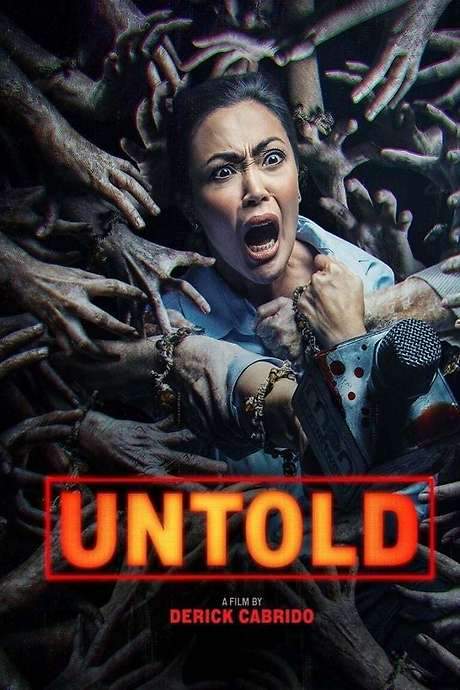
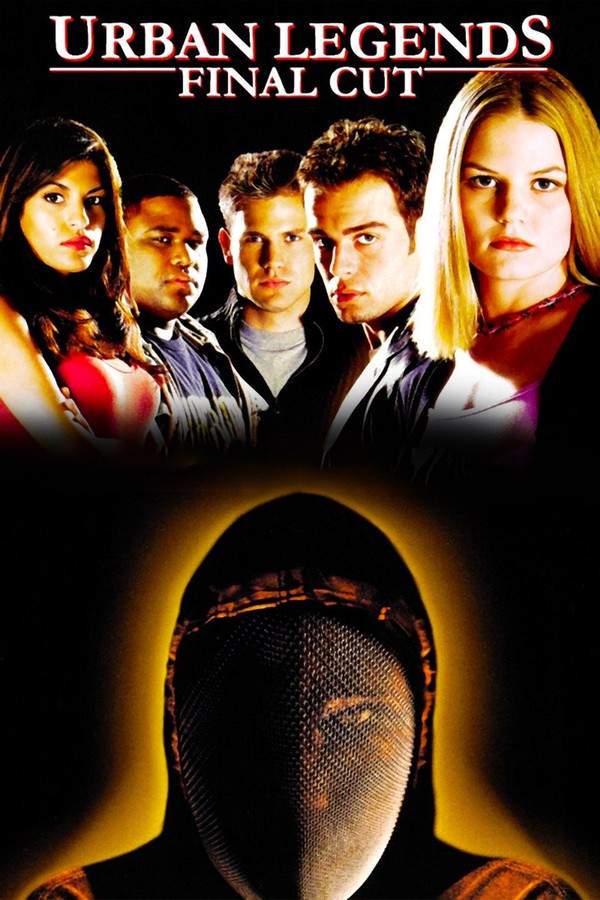
Intense stalker thrillers and slashers like The Last Horror Film

Stories where a single-minded fixation leads to methodical, gruesome violence.For viewers who appreciated the relentless stalking and gruesome slasher elements of The Last Horror Film. This list compiles similar horror movies and psychological thrillers about dangerous obsessions, where a delusional fan or predator methodically targets their victim, creating a claustrophobic and suspenseful experience.

obsessivesuspensefulunsettlingclaustrophobicgruesomestalkermethodical

Narrative Summary

The narrative follows the obsessive individual as their fixation grows, often from a distance into direct confrontation. The pacing is steady, methodically showing the stalker's planning and the escalating threat to the victim, culminating in violent confrontations. The perspective may shift between the stalker and the stalked, deepening the unease.

Why These Movies?

These films share a core focus on the psychology of obsession and the visceral fear of being hunted. They create a specific kind of tension through persistent threat, graphic violence, and a dark tone that explores the disturbing intersection of fandom, delusion, and murder.

Unlock the Full Story of The Last Horror Film

Don't stop at just watching - explore The Last Horror Film in full detail. From the complete plot summary and scene-by-scene timeline to character breakdowns, thematic analysis, and a deep dive into the ending - every page helps you truly understand what The Last Horror Film is all about. Plus, discover what's next after the movie.

The Last Horror Film Summary

Read a complete plot summary of The Last Horror Film, including all key story points, character arcs, and turning points. This in-depth recap is ideal for understanding the narrative structure or reviewing what happened in the movie.

The Last Horror Film Summary

The Last Horror Film Timeline

Track the full timeline of The Last Horror Film with every major event arranged chronologically. Perfect for decoding non-linear storytelling, flashbacks, or parallel narratives with a clear scene-by-scene breakdown.

The Last Horror Film Timeline

The Last Horror Film Spoiler-Free Summary

Get a quick, spoiler-free overview of The Last Horror Film that covers the main plot points and key details without revealing any major twists or spoilers. Perfect for those who want to know what to expect before diving in.

The Last Horror Film Spoiler-Free Summary

More About The Last Horror Film

Visit What's After the Movie to explore more about The Last Horror Film: box office results, cast and crew info, production details, post-credit scenes, and external links - all in one place for movie fans and researchers.

More About The Last Horror Film

Similar Movies to The Last Horror Film

Discover movies like The Last Horror Film that share similar genres, themes, and storytelling elements. Whether you’re drawn to the atmosphere, character arcs, or plot structure, these curated recommendations will help you explore more films you’ll love.