Gulley Jimson, a boorish aging artist freshly out of prison, seeks a new art project. He squats in the Beeder family’s penthouse while they vacation, paints a mural, pawns their valuables, and with sculptor Abel accidentally blasts a hole in the floor. His next ambition is a massive wall in an abandoned church.
Find where to stream, rent, or buy The Horse’s Mouth (1958) in the US with current JustWatch availability, up-to-date pricing, and platform listings for subscription, rental, and digital purchase options.
Warning: spoilers below!
Haven’t seen The Horse’s Mouth yet? This summary contains major spoilers. Bookmark the page, watch the movie, and come back for the full breakdown. If you're ready, scroll on and relive the story!
Read the complete plot breakdown of The Horse’s Mouth (1958), including all key story events, major twists, and the ending explained in detail. Discover what really happened, and what it all means.
Gulley Jimson, an eccentric painter, is released from a one-month jail sentence for telephone harassment of his sponsor, Mr. Hickson, and is greeted at HM Prison Wormwood Scrubs by Nosey Barbon, who hopes to become his protégé. Jimson, wary of mentorship and the headaches of the art world, makes his way to his houseboat where his older lady friend Dee Coker has kept things running in his absence, a quiet orbit around his restless talent.
Desperate for funds, Jimson and Dee visit Hickson to secure payment for Jimson’s artwork. They also attempt to retrieve some works from Hickson’s place, but Dee intervenes and halts the theft. When Hickson phones the police, the two manage a narrow escape, slipping back into the margins of their precarious lives as artists.
Jimson responds to a note from A.W. Alabaster, secretary to Sir William Beeder and Lady Beeder, who are keen to acquire Jimson’s early pieces. The artist-and-friend duo then pursues a potential acquisition from Sara Monday, Jimson’s ex-wife, but she refuses to part with any of his earlier works, turning away their entreaties with a blunt insistence.
On a visit to the Beeders, Jimson spots a blank wall in their home and is suddenly inspired to paint The Raising of Lazarus. The Beeders depart for six weeks, granting him the room to work in relative privacy. An old artistic rival, Abel, intrudes with a large block of marble to fulfill a sculpture commission for British Rail, injecting a new pressure into Jimson’s already volatile scheme. Jimson pawns the Beeders’ valuables to fund his latest venture, and a mishap with the marble tears a hole in the Beeders’ floor, leaving both art and home damaged. After Jimson completes the painting, the Beeders return, shocked by the audacity of the piece and the gaping hole, and they tumble through it in their surprise.
Back at the houseboat, Dee reveals that Hickson has died and that his bequest includes Jimson’s own works, arranged to be shown “to the nation” at the Tate Gallery. Jimson visits the exhibit and, amid the long queue, spots Sara once more. She hands him a roll tube, but when he returns to the boat, Dee and Nosey discover that the roll contains only toilet paper. Nosey shadows Jimson to Sara’s house, where Sara is knocked unconscious as Jimson seizes the painting.
Seeking shelter in an abandoned church, Jimson feels the surge to tackle his greatest project yet, The Last Judgment, on a blank wall. Learning the church is slated for demolition within a fortnight, Jimson, Nosey, and Dee recruit local youths to help complete the mural and even enlist Lady Beeder to participate. As demolition looms, a council official objects, yet the makeshift team presses on, the mural rising in defiance of the clock.
On the scheduled day of demolition, the momentum of the work eclipses doubt, and Jimson makes a dramatic decision to protect the piece by destroying it himself, driving a bulldozer through the church wall to prevent others from finishing it in a way he cannot accept. He then makes his way back to his boat and sails down the Thames, pursued by Nosey and Dee who try but fail to halt him, leaving his grand, controversial vision to drift along the river’s current as he disappears into the distance.
Last updated: October 09, 2025 at 11:16
Explore frequently asked questions about The Horse’s Mouth (1958) with spoiler-rich answers covering the full plot summary, major story beats, character motivations, hidden details, and ending meaning. This movie summary FAQ helps explain confusing scenes, plot twists, and narrative decisions in clear, searchable detail.
Jimson spots a blank wall in the Beeders' home during a visit and is suddenly inspired to paint The Raising of Lazarus. The Beeders are away for six weeks, giving him free access to their penthouse and the privacy he needs to complete the mural. This impulse-driven approach is typical of his eccentric artistic nature.
When the demolition crew arrives to tear down the church, Jimson makes a dramatic choice to destroy his own masterpiece rather than allow it to be completed or altered by others. He drives a bulldozer through the church wall to preserve the integrity of his vision, preferring to destroy it himself than see it finished in a way he cannot accept. This reflects his belief in artistic freedom over conventional success.
When Jimson spots Sara at the Tate exhibition, she hands him a roll tube thinking it contains one of his early paintings. However, when Jimson returns to the boat and opens it, Dee and Nosey discover the roll contains only toilet paper. Sara either deceived him or the painting was swapped, adding another comedic failure to Jimson's quest for his lost works.
Jimson needs money to fund his latest artistic venture, The Raising of Lazarus. When his artistic rival Abel arrives with a block of marble for a British Rail commission, Jimson agrees to help but instead pawns the Beeders' valuables to raise funds for his painting project. This reflects his reckless approach to funding his art, treating others' property as resources for his creative ambitions.
Hickson, Jimson's former sponsor, dies during the story. Despite their rocky relationship, including Jimson's telephone harassment that led to his jail sentence, Hickson leaves Jimson's works to the nation with instructions for them to be displayed at the Tate Gallery. This posthumous recognition signals Jimson's rising fame and provides ironic validation of his artistic career.
Abel arrives at the Beeders' penthouse with a large block of marble for a British Rail sculpture commission. While helping Abel, the marble is dropped, tearing a hole in the floor and damaging both the home and Jimson's partially completed mural. When the Beeders return, they are shocked by both the painting and the gaping hole, and they tumble through it in their surprise.
After discovering the roll from Sara only contained toilet paper, Jimson travels to Sara's house to reclaim one of his early works that she owns. During the confrontation, Sara is knocked unconscious when Jimson seizes the painting. This aggressive retrieval attempt shows Jimson's desperation to recover his lost artworks and his disregard for proper conduct.
When Jimson, Nosey, and Dee recruit local youths to help complete The Last Judgment in the abandoned church, they also enlist Lady Beeder to participate. Despite Jimson having painted on her walls without permission and damaged her penthouse, she volunteers to help with the mural as demolition looms, showing her unexpected alignment with his artistic vision.
When Nosey greets Jimson at his release from prison and expresses desire to become his protégé, Jimson warns him away from painting as a career. Jimson is wary of mentorship and the headaches of the art world, preferring to work alone. Despite this refusal, Nosey continues to shadow Jimson throughout the film, drawn to his artistic genius despite its chaos.
After the confrontation at Sara's house, Jimson, Nosey, and Dee seek shelter in an abandoned church. Jimson sees a massive blank wall and feels inspired to tackle his greatest project yet, The Last Judgment. Learning the church is slated for demolition within a fortnight adds urgency, pushing him to complete the ambitious mural before it's destroyed.
After destroying The Last Judgment with a bulldozer, Jimson returns to his boat and sails down the Thames. Nosey and Dee pursue him but fail to halt him. The ending is ambiguous, he disappears into the distance, leaving his grand vision to drift along the river. This reinforces the film's theme of artistic freedom over conventional success, with Jimson choosing to remain an untethered, controversial artist rather than settle into respectability.
Jimson is inspired by the blank wall in the Beeders' home and chooses to paint The Raising of Lazarus, a biblical scene depicting Jesus raising a man from the dead. The choice reflects Jimson's view of himself as a creator bringing artistic vision to life, and echoes his own situation as someone trying to revive his career after prison. The thematic resonance of resurrection suits his ambitions for a dramatic comeback.
Discover curated groups of movies connected by mood, themes, and story style. Browse collections built around emotion, atmosphere, and narrative focus to easily find films that match what you feel like watching right now.
Stories of eccentric characters living by their own rules with chaotic charm.If you enjoyed the bohemian spirit of The Horse's Mouth, this collection features similar movies about artists, dreamers, and rule-breakers. Find other whimsical comedies and character studies where eccentric heroes pursue their passions with chaotic, irreverent energy.
Stories in this thread typically follow an eccentric protagonist on a single-minded, often selfish, quest for self-expression. Conflict arises from their disregard for convention, leading to absurd situations and comedic misunderstandings, but the tone remains light and the journey is more about the protagonist's spirit than a traditional resolution.
These movies are grouped by their shared focus on a charismatic, rebellious central character and a tone that treats their chaotic actions with whimsical humor rather than serious judgment. The pacing often varies, mixing steady character moments with bursts of farcical activity.
Films about artists consumed by their work, no matter the cost.Viewers who liked The Horse's Mouth for its portrayal of a relentless artist will enjoy these films. Discover similar stories about painters, writers, and musicians whose all-consuming creative obsessions lead to comedic and poignant conflicts with society, money, and relationships.
The central pattern is an artist's relentless pursuit of a creative vision, which serves as the primary plot engine. This obsession creates friction with patrons, loved ones, and societal expectations. The story often builds towards the creation (or destruction) of a masterpiece, with an ending that is ambiguous regarding conventional success but clear on the protagonist's unwavering commitment to their art.
These films share a core theme of artistic obsession as a driving force. They feature a moderate narrative complexity centered on this ambition, a light-to-medium emotional weight that avoids melodrama, and often an ambiguous ending that prioritizes the integrity of the artistic journey over a tidy resolution.
Don't stop at just watching - explore The Horse’s Mouth in full detail. From the complete plot summary and scene-by-scene timeline to character breakdowns, thematic analysis, and a deep dive into the ending - every page helps you truly understand what The Horse’s Mouth is all about. Plus, discover what's next after the movie.
Track the full timeline of The Horse’s Mouth with every major event arranged chronologically. Perfect for decoding non-linear storytelling, flashbacks, or parallel narratives with a clear scene-by-scene breakdown.
Discover the characters, locations, and core themes that shape The Horse’s Mouth. Get insights into symbolic elements, setting significance, and deeper narrative meaning - ideal for thematic analysis and movie breakdowns.
Discover movies like The Horse’s Mouth that share similar genres, themes, and storytelling elements. Whether you’re drawn to the atmosphere, character arcs, or plot structure, these curated recommendations will help you explore more films you’ll love.
The Horse’s Mouth (1958) Scene-by-Scene Movie Timeline
The Horse’s Mouth (1958) Movie Characters, Themes & Settings
The Horse’s Mouth (1958) Spoiler-Free Summary & Key Flow
Movies Like The Horse’s Mouth – Similar Titles You’ll Enjoy
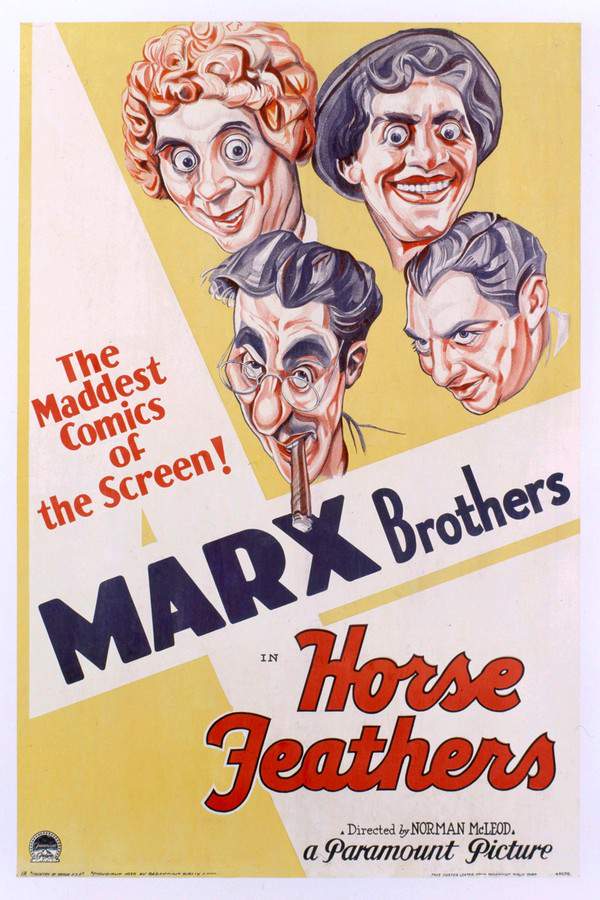
Horse Feathers (1932) Complete Plot Breakdown
The Galloping Major (1951) Film Overview & Timeline
Parlor, Bedroom and Bath (1931) Complete Plot Breakdown
The Hound of the Baskervilles (1978) Plot Summary & Ending Explained
Crazy Over Horses (1951) Full Movie Breakdown
Horse Fever (1976) Movie Recap & Themes
A Day at the Races (1937) Ending Explained & Film Insights
Horses’ Collars (1935) Spoiler-Packed Plot Recap
I’ve Gotta Horse (1965) Spoiler-Packed Plot Recap
Playing the Ponies (1937) Complete Plot Breakdown
Riding High (1950) Spoiler-Packed Plot Recap
Three Men on a Horse (1936) Detailed Story Recap
Hoofs and Goofs (1957) Complete Plot Breakdown
Three Dark Horses (1952) Full Movie Breakdown
Horse in the House (1976) Movie Recap & Themes