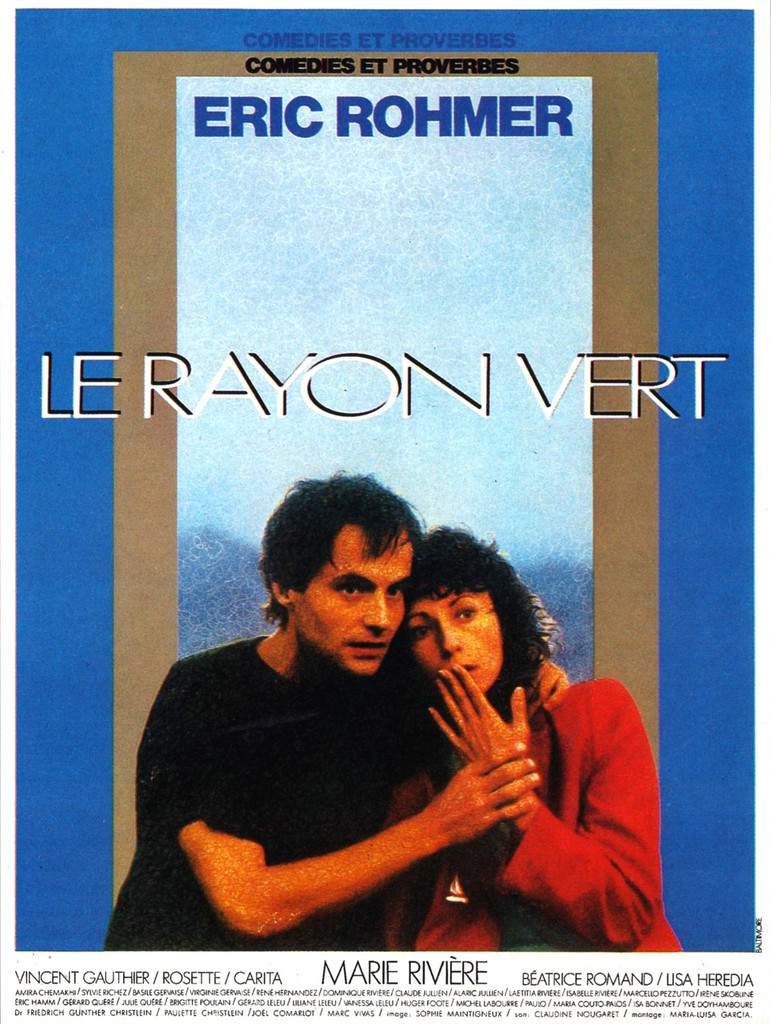
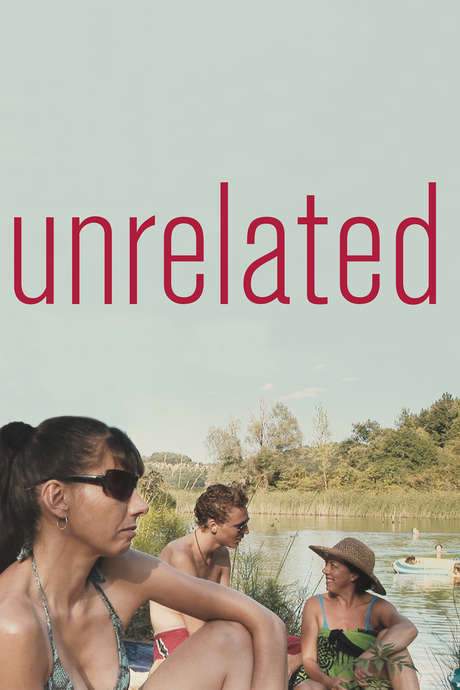
Delphine Marie Rivière has just suffered the breakup of a relationship, and her traveling companion has ditched her so that his new boyfriend can accompany him to Greece instead. She is left without plans at a time when Paris is emptying for the summer. Another friend invites Delphine to join a beach party in Cherbourg for the weekend, but she finds that she is the only one amongst the group who is single, so she quickly returns to Paris. Her family presses her to spend the holidays with them in Ireland, but she resists. She travels alone to the Alps, but is put off by hordes of vacationers and turns around. Traveling restlessly, the theme of the movie (characterized by Roger Ebert) becomes clear:
> Delphine is incapable of playing the dumb singles games that lead to one-night stands.
She meets a new girlfriend who flirts with two young men, and she flees in anger. She recoils from the chat-up lines of the guys she meets in bars and on trains. She simply cannot engage in that kind of mindless double-talk any longer. Beneath her boredom lies a genuine anger at the roles that single women are sometimes expected to play. While in Le Rayon Vert (The Green Ray) she eavesdrops on a conversation about Jules Verne’s novel, which places the theme in a broader, almost magical frame. According to Verne’s idea, when a rare green flash appears at sunset, it seems to reveal the thoughts of those present as if by magic.
At the Biarritz railway station, Delphine meets a young man traveling to Saint-Jean-de-Luz. She chooses to accompany him, and together they watch the elusive light—le rayon vert—as the sun sinks. In that shared moment, the film seems to suggest, appearances thin and the possibility of genuine connection glimmers, even if only for a fleeting instant. The journey is less about reaching a destination and more about the act of choosing possibility over convention, preference over obligation, and true interest over the predictability of casual encounters. Through Delphine’s restless wandering—from Cherbourg to Paris, to Ireland, to the Alps, and finally to the coast of the Basque region—what emerges is not just a personal quest for companionship, but a quiet ethical stance: a refusal to pretend that single life is a game to be played on someone else’s terms.
Across these vignettes, the film maintains a restrained, observational tone. The landscapes—the beaches, the stations, the seaside towns—aren’t backdrops but agents in the story, reflecting Delphine’s inner weather: a mix of longing, suspicion, and a stubborn insistence on authenticity. The mood remains gentle yet pointed, inviting viewers to notice how social scripts shape desire and how small, intimate acts of choice can feel revolutionary when lived with sincerity. The narrative does not push toward a conventional romance or a tidy resolution; instead, it lingers on the possibility that a moment of shared perception—like the green flash at sunset—can illuminate a new way of seeing one another, however briefly.
In the end, the movie paints a portrait of a woman who refuses to reduce her life to the scripted roles offered to single people. She is not afraid to walk away from empty conversations or empty conventions, and she remains open to real connection when a moment of mutual recognition appears, even if it arrives just as the day is fading. The final observation—of a sky touched by the rare, revealing green light—reads as both a wish and a promise: that clarity, warmth, and meaningful contact can still surprise someone who has spent a summer of self-discovery resisting easy answers.