Plot Explained Spoilers guaranteed!
Plot Explained

Browse by genre

The Glass Shield (1994) movie poster

Timeline

The Glass Shield (1994) Timeline Explained – Every Event in Order

Release, runtime and language
1994 · 109 mins · English
Loading streaming availability…
Directed by
Charles Burnett
Starring
Lori Petty, Michael Ironside, Elliott Gould, Joseph Walsh, Ice Cube, Erich Anderson

Rookie deputy J.J. is the first Black officer in a white‑dominated sheriff’s department, where he and the new female trooper endure daily racism from fellow deputies. While testifying in the murder trial of Teddy Woods—whom he helped arrest—J.J. uncovers deep police corruption and must risk his own safety to pursue truth and justice.

On this page (6)
  1. 1 Where to watch
  2. 2 Events in order (10)
  3. 3 Timeline questions answered
  4. 4 Movie threads
  5. 5 Movies like The Glass Shield
  6. 6 Every angle
Loading streaming availability…

10 events in order · contains spoilers

The Glass Shield Timeline: Events in Chronological Order

Every key event of The Glass Shield (1994) in order, scene by scene, with when and where it takes place. Use it to untangle flashbacks, time jumps and parallel storylines, to refresh your memory before the sequel or to find the exact scene you are thinking of.

  1. Introduction of J. J. Johnson as a rookie deputy

    John 'J. J.' Johnson begins his career as a young, inexperienced Black Deputy Sheriff in Los Angeles, facing early tension with his white colleagues due to his race and inexperience. Despite initial challenges, he navigates his new environment during patrols and department interactions.

    Where
    Los Angeles Sheriff's Department
  2. Clash and friendship with Deputy Deborah Fields

    Johnson initially clashes with Deputy Fields, the department's first female deputy, but over time, they develop a mutual friendship as they work together on patrol and investigations. Their developing relationship highlights the evolving racial and gender dynamics in the department.

  3. The arrest of Teddy Woods

    While on patrol, Johnson backs up Deputy Bono during a stop at a gas station. Bono discovers a warrant for Woods' arrest after running his license and finds a stolen pistol in his car, leading to Woods' arrest for suspicion of involvement in a crime.

    Where
    Gas station
  4. Murder investigation and police suspicion

    Deputy Fields responds to a murder scene but faces dismissal of her observations by detectives Baker and Hall. The case involves the murder of Greenspan's wife, with police quickly suspecting Woods due to the stolen pistol, despite Woods' protests of innocence.

  5. Community concern over prisoner death

    Reverend Banks raises alarm about the death of a Black prisoner in custody, suggesting police brutality or cover-up. Johnson dismisses these concerns at first, believing there is no evidence implicating police misconduct.

  6. Incredibility of police testimonies and investigation

    Johnson coaches Bono about courtroom conduct, but tensions with his superiors grow when Massey learns Bono's stop of Woods was racial profiling. Johnson and Fields begin to investigate potential police cover-ups, discovering discrepancies in police reports.

  7. Murder of Greenspan and Hall's death

    As Greenspan's testimony threatens to expose misconduct, Massey orders Baker to murder Greenspan to prevent further damage. Meanwhile, Hall, suffering from cancer, dies at the police station, further illustrating internal corruption.

  8. Johnson and Fields uncover police corruption

    Pursuing their own investigation, Johnson and Fields discover numerous cover-ups involving Baker, Hall, and Massey. Johnson also presents incriminating evidence against Baker, including framing Woods and committing other crimes.

  9. Trial and shifting of charges

    The trial reaches a stalemate with a hung jury. The district attorney offers to drop charges against Woods, but Locket pushes for a redo. Bono turns state's evidence, testifying that Johnson and Bono committed perjury, leading to Johnson's guilty plea.

  10. Consequences and disbandment

    Johnson receives a suspended sentence after pleading guilty amid a police corruption probe. The Sheriff's unit is disbanded, Massey retires, Baker is sentenced to prison, and Bono and other deputies are reassigned, marking the end of the scandal.

Last updated: August 19, 2025 at 05:14

Was this helpful?

Timeline questions answered

The Glass Shield Timeline Explained: Your Questions Answered

When does it happen, and why in that order? The questions people ask about the chronology of The Glass Shield (1994): time jumps, flashbacks, cause and effect between scenes and the correct order of events, each answered with spoilers.

Q1

Why did Johnson agree to support the false traffic violation claim against Teddy Woods?

Johnson agreed to support the false traffic violation because Watch Commander Massey pressured him to justify the stop that was originally based on racial profiling. Massey told Bono to find another reason for the arrest, and Johnson went along with it to show loyalty to his superiors. This decision haunted him later when he realized he had become complicit in covering up police misconduct.

Foreshadowing: Earlier, Johnson had already witnessed how detectives dismissed Fields' observations at the murder scene, showing how the department handled disagreements.

  • racial profiling
  • police corruption
  • teddy woods
  • cover-up
  • massey
Q2

Why were Deputy Fields' observations dismissed at the murder scene?

Detectives Baker and Hall dismissed Fields' observations because they were more focused on confirming their preconceived notions about the case rather than following the evidence. As the department's first female deputy, she faced性别歧视 and was not taken seriously by the male detectives who dominated the investigation.

Foreshadowing: This early dismissal established the pattern of institutional bias that would later characterize the department's treatment of both Fields and Johnson.

  • deborah fields
  • baker hall
  • murder investigation
  • 性别歧视
Q3

Why did Massey order Baker to kill Greenspan?

Massey ordered Baker to murder Greenspan because Greenspan's testimony threatened to expose the police misconduct and frame-up of Teddy Woods. As a community member whose wife had been murdered, Greenspan was becoming a liability by speaking out about the suspicious circumstances surrounding the case. Massey needed to silence him to protect the ongoing cover-up.

Foreshadowing: Reverend Banks had already raised concerns about a suspicious prisoner death, showing a pattern of the department eliminating witnesses.

  • greenspan murder
  • massey
  • baker
  • cover-up
  • witness elimination
Q4

Why did Hall die at the police station?

Hall died at the police station from cancer. His death occurred naturally rather than through foul play, but it added to the escalating tensions and chaos within the department as the corruption scandal unraveled. Hall had been involved in the cover-up but died before facing any consequences.

Foreshadowing: Earlier, Hall and Baker had worked together to pressure Woods and dismiss legitimate investigation leads.

  • detective hall
  • cancer death
  • police station
Q5

Why did Johnson fight Baker?

Johnson fought Baker because Fields was assaulted and hospitalized, which intensified Johnson's frustration with the corruption and violence within the department. The attack on his colleague, combined with his growing awareness of Baker's crimes including framing Woods and murdering the prisoner, led Johnson to physically confront Baker.

Foreshadowing: Johnson had previously dismissed Reverend Banks' concerns about the prisoner death, and now he was directly facing the violence the department was capable of.

  • johnson vs baker
  • assault
  • hospital
  • confrontation
Q6

Why did Johnson plead guilty to perjury?

Johnson pleaded guilty because Bono turned state's evidence and testified that both Johnson and Bono had committed perjury during the trial. Confronted with this mounting evidence and the overall police corruption probe, Johnson accepted a suspended sentence rather than risk a longer prison term. His plea also reflected his own acknowledgment that he had indeed participated in covering up the truth.

Foreshadowing: Earlier, Johnson had coached Bono about courtroom conduct and had supported the false traffic violation narrative.

  • johnson guilty plea
  • perjury
  • bono testimony
  • suspended sentence
Q7

Why was the Sheriff's station disbanded after the scandal?

The Sheriff's station was disbanded because the corruption scandal had become too widespread and visible, threatening to expose connections to city government. The department could not recover from the revelations of cover-ups, frame-ups, murder, and systemic racial profiling. The scandal necessitated a complete restructuring to rebuild trust and accountability.

Foreshadowing: From the beginning, the department was plagued by racial tensions and the first Black and female deputies faced hostility.

  • sheriff station disbanded
  • corruption scandal
  • department restructuring
Q8

What happened to Teddy Woods after the trial?

The district attorney initially offered to dismiss the charges against Woods, but his lawyer Locket pushed for a new trial. The case ultimately ended with a hung jury, and Woods remained in legal limbo. Though he was not convicted, the damage to his life and reputation had already been done through the lengthy prosecution.

Foreshadowing: Woods had consistently maintained his innocence from the moment of his arrest at the gas station.

  • teddy woods
  • trial outcome
  • hung jury
  • locket
Q9

Why did Bono turn state's evidence against Johnson?

Bono turned state's evidence because the corruption probe was unraveling and he faced serious consequences for his involvement. By testifying against Johnson and admitting to perjury, Bono likely received a more favorable outcome for himself in the form of reduced charges or leniency. His testimony completed the chain of accountability that led to Johnson's guilty plea.

Foreshadowing: Bono was the one who originally stopped Woods at the gas station and discovered the warrant and stolen pistol.

  • bono turned evidence
  • perjury
  • testimony
  • plea deal
Q10

How did Johnson and Fields uncover the police corruption?

Johnson and Fields conducted their own independent investigation by comparing notes and realizations that they had likely been fed false information during their operations. They discovered discrepancies in police reports and uncovered the series of cover-ups involving Baker, Hall, and Massey. Johnson also received incriminating evidence from Massey himself, which exposed Baker's involvement in framing Woods and other crimes.

Foreshadowing: Earlier, Johnson had questioned whether he made the right call after Locket exposed inconsistencies in the police testimony.

  • investigation
  • cover-up
  • baker
  • massey
  • evidence
Q11

Why did Reverend Banks believe the prisoner was murdered in custody?

Reverend Banks believed the prisoner was murdered because he died under suspicious circumstances while in police custody with no clear explanation. As a community activist, Banks was suspicious of the official narrative and pushed for investigation into potential police brutality or a cover-up. Baker was later confirmed to have been involved in this murder, validating Banks' concerns.

Foreshadowing: Johnson initially dismissed Banks' worries, saying there was no concrete evidence of police misconduct.

  • reverend banks
  • prisoner death
  • custody
  • police brutality
Q12

What was the connection between the stolen pistol and Greenspan's wife murder?

The police attempted to link Teddy Woods' stolen pistol to the murder of Greenspan's wife, using it as the primary evidence to build a case against Woods. Despite Woods' claims of innocence, detectives tried to pressure him into confessing by connecting his stolen weapon to the crime. This was part of the broader frame-up orchestrated by Baker, Hall, and Massey.

Foreshadowing: When Bono found the stolen pistol during the traffic stop, it immediately became the basis for suspecting Woods in unrelated crimes.

  • stolen pistol
  • greenspan wife
  • murder case
  • frame-up

Movie threads

More Movies Like The Glass Shield, by Mood & Story

Curated lists built around what makes The Glass Shield tick: the same mood, the same kind of story or the same emotional payoff. Each list explains why these movies belong together.

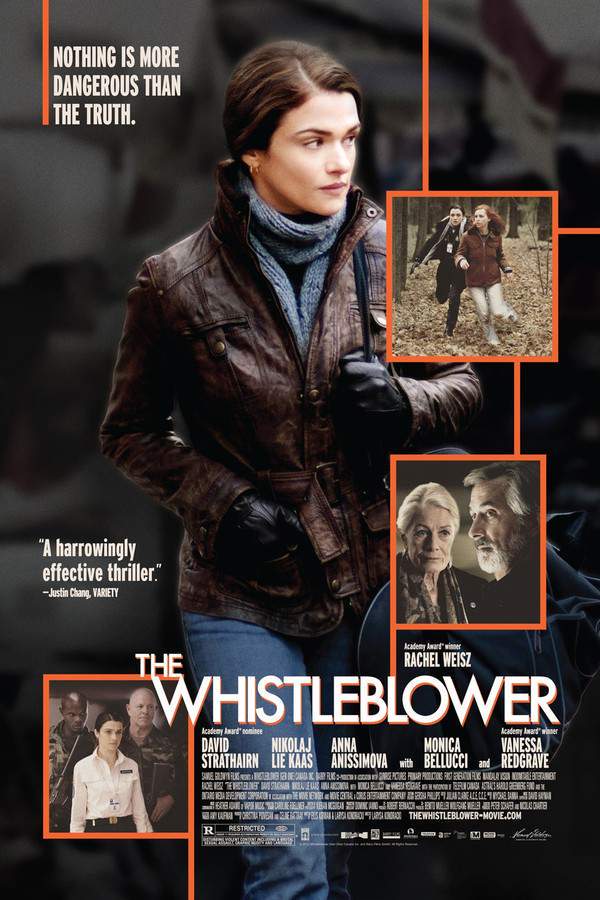
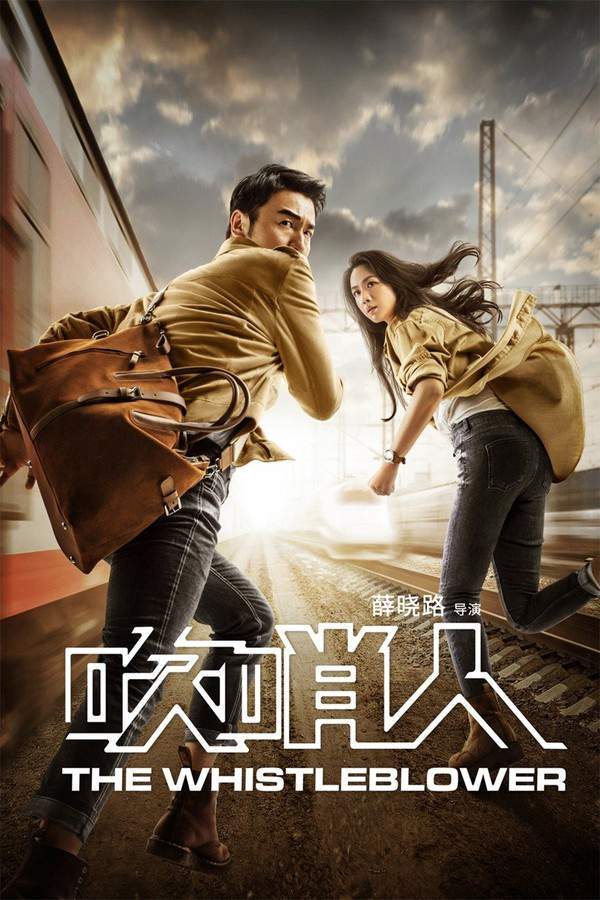
Movies about whistleblowers like The Glass Shield

Solitary figures risk everything to expose a deeply entrenched institution's rot. If you liked The Glass Shield, explore more movies about individuals exposing corruption from within. This collection features tense dramas and thrillers centered on whistleblowers facing institutional backlash, similar stories of uncovering truth in a hostile system.

  • tense
  • serious
  • determined
  • paranoid
  • gritty
  • confrontational
  • Tone: dark, tense, serious
  • Pacing: steady, investigative
Why these movies?

The story pattern: Stories typically begin with a protagonist who is part of, or believes in, an established system. A pivotal event reveals a deep-seated corruption or injustice. The protagonist's journey involves gathering evidence, facing moral dilemmas, and enduring personal and professional risk as they attempt to bring the truth to light, often at great personal cost.

Why they belong together: These films are grouped by their core narrative of institutional exposure and the intense personal conflict it creates. They share a tense, serious mood, a focus on ethical dilemmas, and a high-stakes atmosphere where the protagonist is pitted against a formidable, organized adversary.
Grim police dramas with realism like The Glass Shield

Unflinching portraits of police work marked by moral compromise and systemic failure. Fans of The Glass Shield will appreciate these similarly grim and realistic police dramas. Discover movies that explore the dark side of law enforcement, featuring corruption, moral dilemmas, and a heavy, tense atmosphere akin to the feel of The Glass Shield.

  • grim
  • oppressive
  • gritty
  • serious
  • tense
  • realistic
  • Tone: dark, grim, serious
  • Pacing: steady, procedural
Why these movies?

The story pattern: The narrative pattern involves a law enforcement protagonist confronting the harsh realities of their job, which often includes corruption, racism, or bureaucratic indifference. The journey is one of disillusionment, as idealized views of justice clash with a flawed system, leading to internal conflict and a struggle for personal integrity amidst systemic decay.

Why they belong together: These films share a dark, serious tone and a commitment to portraying the unvarnished, often ugly truths of police work and institutional justice. They are united by a heavy emotional weight, a steady, procedural pacing, and a focus on themes like corruption, racism, and moral ambiguity within the system.

If you liked this

Movies Like The Glass Shield

Similar movies to The Glass Shield: the same genre, themes or kind of story. Each one comes with its own plot summary, timeline and ending explained.

Browse all movie summaries

Every angle

The Glass Shield (1994) Explained: Plot, Timeline & Characters

Everything about The Glass Shield in one place: what happens in the plot summary, the timeline in chronological order, the characters and meaning and a spoiler-free summary. What's After the Movie adds the cast, box office and post-credit scenes.

Coming soon on iOS and Android

The Plot Explained Movie Summary App

Plot summaries, endings explained and timelines on your phone. Catch up on any movie in minutes, save your favorites and never miss a twist again.

Be the first to know when we launch. Your email stays private, always.

Learn more about the app