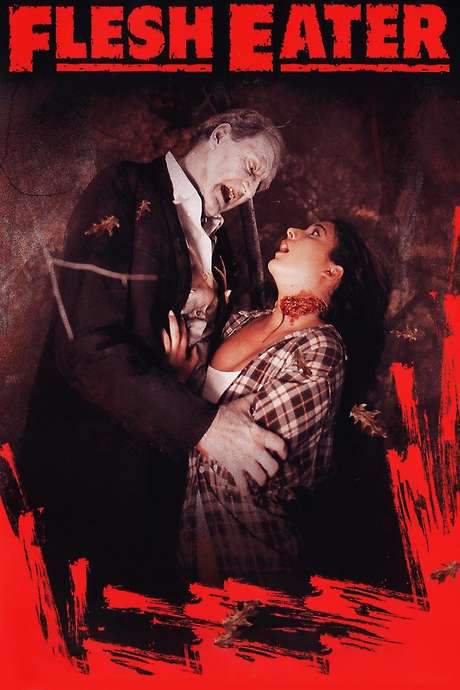
The Flesh and the Fiends

The Flesh and the Fiends

Year: 1960

Runtime: 94 mins

Language: English

Director: John Gilling

Horror

In 19th‑century Edinburgh, surgeon Dr. Robert Knox is desperate for bodies to advance his anatomical research. When conventional sources dry up, the unscrupulous pair William Burke and William Hare begin providing fresh cadavers—initially by grave‑robbing and soon by murder—to satisfy Knox’s experiments, revealing a chilling partnership between science and crime.

Where to Watch The Flesh and the Fiends?

Find where to stream, rent, or buy The Flesh and the Fiends (1960) in the US with current JustWatch availability, up-to-date pricing, and platform listings for subscription, rental, and digital purchase options.

Warning: spoilers below!

Haven’t seen The Flesh and the Fiends yet? This summary contains major spoilers. Bookmark the page, watch the movie, and come back for the full breakdown. If you're ready, scroll on and relive the story!

The Flesh and the Fiends (1960) – Full Plot Summary & Ending Explained

Read the complete plot breakdown of The Flesh and the Fiends (1960), including all key story events, major twists, and the ending explained in detail. Discover what really happened, and what it all means.

In What’s After the Movie, we explore the dark and intriguing history of Edinburgh in 1828, focusing on the notorious Dr. William Hare, a highly skilled anatomist known for drawing large crowds to his lectures on the human body. Despite his dedication to advancing medical knowledge, Dr. Knox often finds himself at odds with his conservative colleagues who oppose his methods. He is deeply respected by his students, who believe his work is vital for progress in the medical field. However, a significant obstacle they face is the scarcity of legal cadavers, as laws from that era restrict the availability of corpses for dissection. This legal limitation leads to the rise of “Resurrection men,” or graverobbers, who illegally supply bodies to the medical school, fueling a dangerous underground trade.

Dr. Knox’s assistant, Dr. Geoffrey Mitchell, and a young student named Chris Jackson are tasked with purchasing these bodies, which are highly valuable—especially when they are fresh. Their work becomes increasingly perilous as the supply of bodies is sourced from the local community, often through unscrupulous and deadly means. The story takes a gruesome turn with the involvement of William Burke and William Hare, two drunken and ambitious men who discover that a lodger at Burke’s boarding house has recently died and owes money—£4 in rent, to be exact. When they realize that the body of this deceased could fetch a considerable sum from the medical college, they abandon any moral restraint and begin a spree of murder, targeting local residents to meet the demand for cadavers.

As Burke and Hare’s killing spree continues, there is a growing suspicion among Jackson and Mitchell that the bodies supplied by Burke and Hare are not naturally deceased, but victims of foul play. Tensions escalate as the young men voice their suspicions, but Dr. Knox dismisses these concerns, refusing to report the gruesome murders to authorities. Meanwhile, Jackson falls in love with a local prostitute named Mary Patterson, a character played by Billie Whitelaw, who is also well known to Burke and Hare. Their relationship becomes complicated when Mary eventually becomes their latest victim.

Jackson’s discovery of Mary’s body in the lecture hall marks a turning point, and in a tragic climax, he confronts Burke and Hare, only to meet his own end in the violent aftermath of their murderous activities. The situation spirals out of control when Burke and Hare murder a mentally ill youth, which leads to their arrest amid a furious mob. Hare agrees to testify against Burke, resulting in Burke’s hanging, though before his death, Burke laments that Dr. Knox never paid him for the final body. Burke’s execution is a grim consequence of their criminal acts, which shock the public and stir outrage.

Despite the public outcry and widespread denunciation, Dr. Knox largely escapes censure from the medical community, with some colleagues, including Dr. Mitchell, defending his actions. Yet, the moral weight of his involvement affects him deeply. He confesses to his niece Martha that the murder victims appeared insignificant in his pursuit of scientific progress but that he was fully aware of how they had died. The movie concludes on a poignant note: Knox, expecting condemnation and the end of his lectures, finds himself unexpectedly greeted by applause from an audience of students. In a moment of remorse and reflection, he begins his next lecture, solemnly reciting the Hippocratic Oath, promising to “never do harm to anyone,” a testament to his complex feelings about his role in one of history’s darkest chapters.

Last updated: August 19, 2025 at 05:13

Was this helpful?

The Flesh and the Fiends (1960) Plot Questions Answered – Summary FAQ

Explore frequently asked questions about The Flesh and the Fiends (1960) with spoiler-rich answers covering the full plot summary, major story beats, character motivations, hidden details, and ending meaning. This movie summary FAQ helps explain confusing scenes, plot twists, and narrative decisions in clear, searchable detail.

Q1

Why did Dr. Knox ignore suspicions that Burke and Hare's bodies came from murders?

A.

Dr. Knox dismissed the suspicions because he was desperate for fresh cadavers to advance his anatomical research. When Jackson and Mitchell raised concerns about the bodies being victims of foul play, Knox refused to report it to authorities, prioritizing his scientific work over ethical considerations. He later admitted to his niece Martha that he was fully aware of how the victims died but viewed them as insignificant in his pursuit of medical progress.

Earlier scenes establish Knox's conflict with conservative colleagues who oppose his methods, showing his willingness to bend ethical rules for scientific advancement.

dr knoxburke and haremurder victimsanatomical researchdissection
Q2

How did Burke and Hare go from grave-robbing to murdering people?

A.

Their escalation began when they discovered a lodger at Burke's boarding house had died owing £4 in rent. Realizing the body could be sold to the medical college for a considerable sum, they abandoned moral restraint and started murdering locals to meet the demand for fresh cadavers. The high value of fresh bodies in medical research provided strong financial incentive to kill rather than wait for natural deaths or rely on grave-robbing alone.

The film establishes early on that fresh bodies are especially valuable to medical schools, creating the economic motive for murder.

burkeharegrave-robbingmurderedinburghcadavers
Q3

Why did Jackson get involved with Mary Patterson knowing her connection to Burke and Hare?

A.

Despite knowing Mary was well known to Burke and Hare, Jackson became romantically involved with her while conducting business at a tavern. This relationship put him in a dangerous position, as Mary ultimately became one of Burke and Hare's victims. His personal involvement with someone connected to the killers created a tragic blind spot in his judgment.

The timeline establishes Mary's notoriety and connection to the murderers before Jackson's involvement with her.

jacksonmary pattersonprostituterelationshipburkehare
Q4

Why did William Hare turn against Burke and testify against him?

A.

Hare agreed to testify against Burke to escape execution himself. After they were arrested for murdering the mentally ill youth, Hare made a deal with authorities to provide testimony against his partner in exchange for a reduced sentence. This betrayal led directly to Burke's hanging, while Hare received a lighter punishment.

Earlier scenes show the two men as opportunistic partners motivated by profit, not loyalty.

william hareburketestimonyarresthangingbetrayal
Q5

Why wasn't Dr. Knox punished for his involvement with Burke and Hare?

A.

Despite public outrage and widespread denunciation, Dr. Knox largely escaped censure from the medical community. His colleagues, including Dr. Mitchell, defended his actions, arguing that he was unaware of the exact origins of the bodies. The court recognized his scientific contributions to medicine and did not hold him legally responsible, though he was deeply affected by guilt.

The film establishes early on that Knox is highly respected by his students and valued by the medical establishment.

dr knoxpunishmentmedical communitycolleaguespublic outcry
Q6

What is the significance of Dr. Knox reciting the Hippocratic Oath at the end?

A.

The closing scene shows Knox beginning his lecture by solemnly reciting the Hippocratic Oath, promising to 'never do harm to anyone.' This represents his moment of moral reckoning and attempt at redemption after admitting to his niece that he knew about the murders but viewed the victims as insignificant. The oath serves as a poignant acknowledgment of the ethical boundaries he crossed in pursuit of scientific progress.

Earlier, Knox confesses to his niece Martha that he was fully aware of how the victims died and that they appeared 'small in my scheme of things.'

hippocratic oathdr knoxremorseredemptionethicslecture
Q7

What led to Burke and Hare's arrest?

A.

Burke and Hare's killing spree ended when they murdered a mentally ill youth. This crime triggered suspicion and led to their arrest amid a furious mob. The identification of this particular victim, combined with growing community suspicion about the source of cadavers, exposed their operation and led to their capture.

The timeline shows growing suspicion among Jackson and Mitchell about the source of the bodies prior to this event.

arrestmurdermentally ill youthmobsuspicion
Q8

Why did Jackson die trying to confront Burke and Hare?

A.

Jackson discovered his girlfriend Mary Patterson's body in the lecture hall, which drove him to confront Burke and Hare directly. In the confrontation, he was killed in the violent aftermath of their murderous activities. His death represents the tragic personal cost of his involvement with someone connected to the killers and his attempt to stop their crimes.

Jackson's relationship with Mary was established earlier, creating the emotional motivation for his fatal confrontation.

jacksondeathconfrontationburkeharemary patterson
Q9

Why did Dr. Knox resume his lectures after the scandal?

A.

Despite the murders and public outrage, Dr. Knox resumed his teaching. His lectures were unexpectedly well attended, suggesting a complex relationship between reputation, guilt, and public fascination with his work. Knox's continued presence in the medical community reflects the era's conflicted attitude toward scientific progress and the moral compromises required to achieve it.

The earlier scenes establish his strong dedication to teaching and his belief in the importance of anatomical research for medical advancement.

knoxlecturesresumptionstudentsanatomyedinburgh
Q10

How did the demand for cadavers fuel the murders?

A.

The scarcity of legally available corpses in 1828 Edinburgh created a desperate demand for bodies in medical schools. Laws restricted the availability of corpses for dissection, pushing medical practitioners to rely on illegal grave robbers. This high demand made fresh cadavers extremely valuable, providing Burke and Hare with strong financial incentive to murder rather than wait for natural deaths or rely solely on grave-robbing.

The opening establishes the legal restrictions on cadaver supply and the critical need for bodies in medical education.

cadaversdemandgrave-robbersresurrection menmedical schooledinburgh laws
Q11

Why did Burke complain that Dr. Knox never paid him for the final body?

A.

Before his execution, Burke lamented that Dr. Knox never paid him for the final body. This complaint underscores the transactional nature of their relationship, Burke viewed himself as a supplier providing a service, while Knox treated the bodies as necessary tools for research. The unpaid debt represents Burke's bitter realization that he risked everything for profit but was never fully compensated.

Earlier scenes establish the financial transactions between Knox's assistants and Burke/Hare for body delivery.

burkepaymentfinal bodyexecutionfinancial dispute
Mobile App Preview

Coming soon on iOS and Android

The Plot Explained Mobile App

From blockbusters to hidden gems - dive into movie stories anytime, anywhere. Save your favorites, discover plots faster, and never miss a twist again.

Sign up to be the first to know when we launch. Your email stays private, always.

Explore Movie Threads

Discover curated groups of movies connected by mood, themes, and story style. Browse collections built around emotion, atmosphere, and narrative focus to easily find films that match what you feel like watching right now.

Movies about scientific ambition and moral corruption like The Flesh and the Fiends

Stories where the pursuit of knowledge justifies terrible acts.If you liked The Flesh and the Fiends, you'll find similar dark stories here. This list features movies about scientific hubris, ethical dilemmas in research, and characters whose quest for knowledge leads them down a path of moral decay, perfect for fans of thought-provoking and unsettling historical horror.

moral conflictchillingsuspensefulgrimreflectivegrittyunsettling

Narrative Summary

Narratives in this thread typically follow a driven individual or institution whose noble goals become twisted by ambition. As they cross ethical boundaries, the story builds a sense of dread around the consequences of their actions, often culminating in a morally ambiguous or bittersweet resolution that questions the cost of progress.

Why These Movies?

Movies are grouped here because they share a core theme of ethical compromise in the name of science or discovery. They possess a dark, somber tone, a steady pacing that builds suspense around moral decay, and feature heavy emotional weight centered on guilt and the consequences of unchecked ambition.

Grim historical true crime movies like The Flesh and the Fiends

Based on shocking real events, steeped in period atmosphere and moral grime.Fans of The Flesh and the Fiends will appreciate these movies. Discover similar films based on shocking true stories set in the past, featuring a gritty and somber atmosphere, moral complexity, and a steady buildup of suspense that reflects the dark underbelly of history.

grittysombersuspensefulbased on true storyhistoricalmoral conflictchilling

Narrative Summary

These stories often follow a linear, fact-based narrative that exposes a criminal enterprise or a series of atrocities. The journey is less about mystery and more about the grim inevitability and the psychological toll on both perpetrators and those complicit in their actions, leading to an ending that offers little catharsis.

Why These Movies?

These films are connected by their foundation in real historical crimes, a consistently dark and gritty tone, and a steady pacing that methodically unveils the grim details. They share a high intensity stemming from the reality of the events and evoke a heavy, reflective mood centered on guilt and public outrage.

Unlock the Full Story of The Flesh and the Fiends

Don't stop at just watching - explore The Flesh and the Fiends in full detail. From the complete plot summary and scene-by-scene timeline to character breakdowns, thematic analysis, and a deep dive into the ending - every page helps you truly understand what The Flesh and the Fiends is all about. Plus, discover what's next after the movie.

The Flesh and the Fiends Timeline

Track the full timeline of The Flesh and the Fiends with every major event arranged chronologically. Perfect for decoding non-linear storytelling, flashbacks, or parallel narratives with a clear scene-by-scene breakdown.

The Flesh and the Fiends Timeline

Characters, Settings & Themes in The Flesh and the Fiends

Discover the characters, locations, and core themes that shape The Flesh and the Fiends. Get insights into symbolic elements, setting significance, and deeper narrative meaning - ideal for thematic analysis and movie breakdowns.

Characters, Settings & Themes in The Flesh and the Fiends

The Flesh and the Fiends Spoiler-Free Summary

Get a quick, spoiler-free overview of The Flesh and the Fiends that covers the main plot points and key details without revealing any major twists or spoilers. Perfect for those who want to know what to expect before diving in.

The Flesh and the Fiends Spoiler-Free Summary

More About The Flesh and the Fiends

Visit What's After the Movie to explore more about The Flesh and the Fiends: box office results, cast and crew info, production details, post-credit scenes, and external links - all in one place for movie fans and researchers.

More About The Flesh and the Fiends

Similar Movies to The Flesh and the Fiends

Discover movies like The Flesh and the Fiends that share similar genres, themes, and storytelling elements. Whether you’re drawn to the atmosphere, character arcs, or plot structure, these curated recommendations will help you explore more films you’ll love.