
The Five Days
Year: 1973
Runtime: 122 mins
Language: Italian
In 1848 Milan, a thief and a baker witness the chaotic final days of the Italian Revolution.
Warning: spoilers below!
Haven’t seen The Five Days yet? This summary contains major spoilers. Bookmark the page, watch the movie, and come back for the full breakdown. If you're ready, scroll on and relive the story!
Timeline – The Five Days (1973)
Trace every key event in The Five Days (1973) with our detailed, chronological timeline. Perfect for unpacking nonlinear stories, spotting hidden connections, and understanding how each scene builds toward the film’s climax. Whether you're revisiting or decoding for the first time, this timeline gives you the full picture.
Last updated: February 18, 2026 at 23:47
The Five Days (1973) Timeline Questions Answered – Chronology FAQ
Find frequently asked questions about the The Five Days (1973) timeline, including chronological order, nonlinear jumps, cause-and-effect links, and scene sequence clarifications. This timeline FAQ helps explain when key events happen, how moments connect, and why the story unfolds in that specific order.
Why does Meo escape from prison during the bombardment?
Meo Cainazzo seizes the opportunity when artillery blasts shake Milan to break out of prison. The chaos of the Austrian bombardment creates confusion among the guards, allowing him to slip away into the streets. His primary goal is to find his gang leader Zampino, suggesting loyalty to his criminal associates despite the revolutionary turmoil around him.
Earlier scenes establish Meo's criminal background and his connection to Zampino, making his first instinct to rejoin his old allies rather than join the revolution.
How does Meo meet the baker Romulus?
While wandering through the chaotic streets of Milan searching for Zampino, Meo encounters Romulus, a warm-hearted Roman baker who has come to the city to help his uncle with work. The two unlikely companions form an alliance amid the upheaval, with their contrasting backgrounds, a petty criminal and an ordinary tradesman, creating a partnership that helps them both survive the Five Days.
Their meeting sets up the film's central dynamic of two men from different worlds navigating the revolution together.
Why does Baron Tranzunto recruit Meo and Romulus?
Baron Tranzunto forces Meo and Romulus into his brigade to expand his military force during the uprising. The baron is ambitious and seeks to manipulate the revolutionary momentum for his own purposes. The pair have no choice but to comply, becoming unwilling participants in a conflict they did not originally join.
The baron's recruitment reveals his opportunistic nature and sets up the power dynamics that will drive much of the film's conflict.
What happens to Romulus at the Baron's residence?
When Baron Tranzunto attempts to assault the woman who was denounced as a collaborator, Romulus intervenes to defend her. During the ensuing struggle, the Baron falls down the stairs and dies. Romulus is then captured by the Baron's men and executed by shooting. His death marks a devastating turning point, showing the personal cost of taking a stand against brutality.
Romulus's earlier acts of kindness, helping build the barricade and assisting with the childbirth, establish his protective nature, making his intervention at the Baron's house a natural continuation of his character.
Why was Zampino secretly working with the Austrians?
When Meo finally reunites with his old gang leader Zampino on the final day of the uprising, he discovers that Zampino has been secretly collaborating with the Austrians throughout the revolution. This betrayal reveals that some leaders exploited the Five Days uprising for their own gain, undermining the revolution's ideals. The revelation exposes the corruption and manipulation that plagued the revolt.
Earlier moments hint at the revolution's compromised leadership, but Zampino's betrayal becomes the ultimate symbol of this deception.
What triggers the brutal raid where the soldier is killed?
A man denounces his girlfriend as a collaborator after discovering her with an Austrian soldier. Baron Tranzunto's men use this accusation as justification to raid the location, killing the soldier in the street. This incident illustrates how the revolution devolved into suspicion, violence, and vengeance, with denouncements becoming excuses for brutal reprisals.
The earlier atmosphere of patriot fervor and Austrian reprisals creates the tense environment that makes such violence possible.
How does Baron Tranzunto die?
Baron Tranzunto dies after falling down a staircase during a confrontation with Romulus. When the Baron attempts to assault the woman who was denounced, Romulus steps in to defend her. In the struggle that follows, the Baron loses his balance on the stairs and falls to his death. His death comes as both a consequence of his violent actions and a symbol of the uprising's chaos.
The escalating violence throughout the film builds toward this confrontation, where even those in power become vulnerable to the turmoil they created.
Why does the revolution ultimately fail?
The revolution fails because it was corrupted from within by leaders like Zampino who secretly collaborated with the Austrians, and by ambitious figures like Baron Tranzunto who exploited the uprising for personal power. The film shows how internal betrayal, violence between revolutionaries, and Austrian reprisals combine to undermine the Five Days uprising. By the end, Meo is left disillusioned as the noble cause he hoped for reveals itself as manipulated and hollow.
The baron's recruitment of unwilling fighters and the betrayal at the top levels of the rebellion plant seeds for this eventual collapse.
What happens to the woman after she is denounced as a collaborator?
After being denounced by her own boyfriend as a collaborator, the woman becomes the center of a violent confrontation. Baron Tranzunto's men seize her along with the soldier she was found with. The soldier is killed in the street. The Baron then attempts to assault her at his residence, leading to Romulus's intervention and the chain of events that results in both the Baron's death and Romulus's execution.
The woman's vulnerability throughout reflects the broader victimization of civilians caught between all sides of the conflict.
Why do Meo and Romulus help build the barricade with furniture?
Meo and Romulus join local residents in quickly erecting a barricade using furniture from a nymphomaniac countess's home. This farcical moment illustrates how ordinary people are drawn into the conflict, using whatever resources are available. The barricade becomes a symbol of collective resistance, though the comedic sourcing of its materials reflects the film's tragicomic tone.
This early act of participation commits the pair to the revolutionary cause, making their later forced recruitment less surprising.
Why do Meo and Romulus help a woman give birth during the uprising?
Amid the chaos of the Five Days, Meo and Romulus stumble upon a woman going into labor and assist her in giving birth in a makeshift shelter. This scene provides a rare moment of tenderness and humanity that contrasts with the surrounding violence. It underscores how civilians, including vulnerable pregnant women, must continue to live and survive even as conflict rages around them.
The contrast between this act of creation and the violence that follows highlights the film's thematic tension between life and death.

Explore Movie Threads
Discover curated groups of movies connected by mood, themes, and story style. Browse collections built around emotion, atmosphere, and narrative focus to easily find films that match what you feel like watching right now.
Historical Tragicomedies of Disillusionment like The Five Days
Stories where humor meets tragedy against the backdrop of political upheaval.If you enjoyed the mix of dark humor and grim reality in The Five Days, explore more movies like it. This list features films that blend satire with historical drama, focusing on personal stories of disillusionment amidst political chaos, perfect for fans of tragicomic storytelling.
The Five Days
1973

Boris: The Film
2011

The Roses
2025
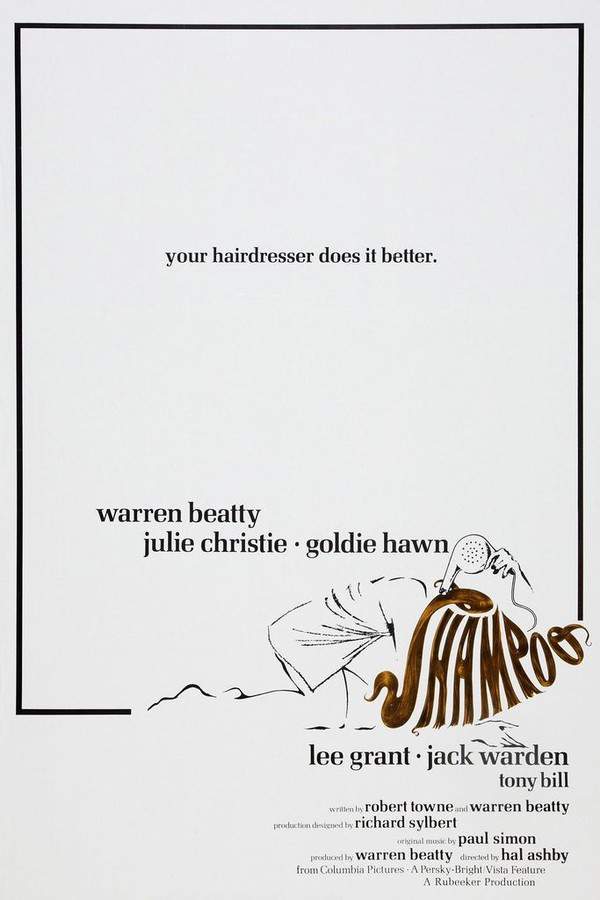
Shampoo
1975

Light Up the Sky!
1960

Wine, Women and Horses
1937

Marquise
1997

Goodbye, Columbus
1969

The Left-Hander
1986

The Ogre of Athens
1956

The Apprentice
1971
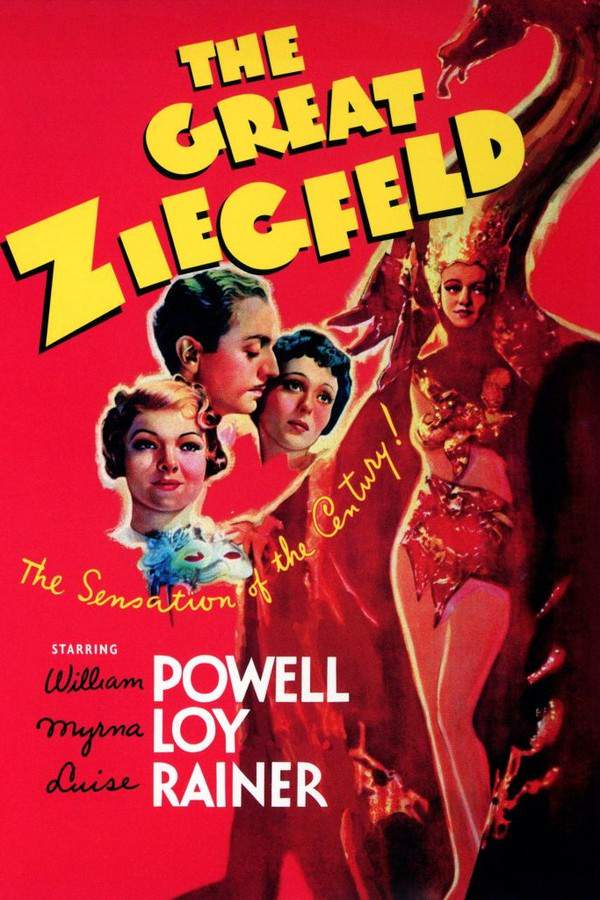
The Great Ziegfeld
1936

The Last Detail
1973

A Touch of Class
1973

My Brother Anastasia
1973
Narrative Summary
These narratives typically follow protagonists who enter a historical conflict with some idealism, only to be confronted by absurdity, chaos, and betrayal. The journey is episodic, showcasing the follies of war and revolution, and often concludes with a personal loss or a profound sense of futility rather than a clear victory.
Why These Movies?
Movies in this thread share a specific tonal blend: dark, satirical humor juxtaposed with the brutal consequences of political strife. They feature steady pacing, a medium emotional weight that avoids pure despair, and a focus on the personal, often cynical, perspectives of characters navigating historical events.
Movies about Friendship Tested by Revolution like The Five Days
Bonds of friendship strained and broken by the tides of revolution.For viewers who appreciated the dynamic between the thief and the baker in The Five Days, this collection highlights films about friendships challenged by political turmoil. Discover similar stories of loyalty, class conflict, and betrayal set against the backdrop of historical revolutions.
The Five Days
1973

The Conspirators
1969
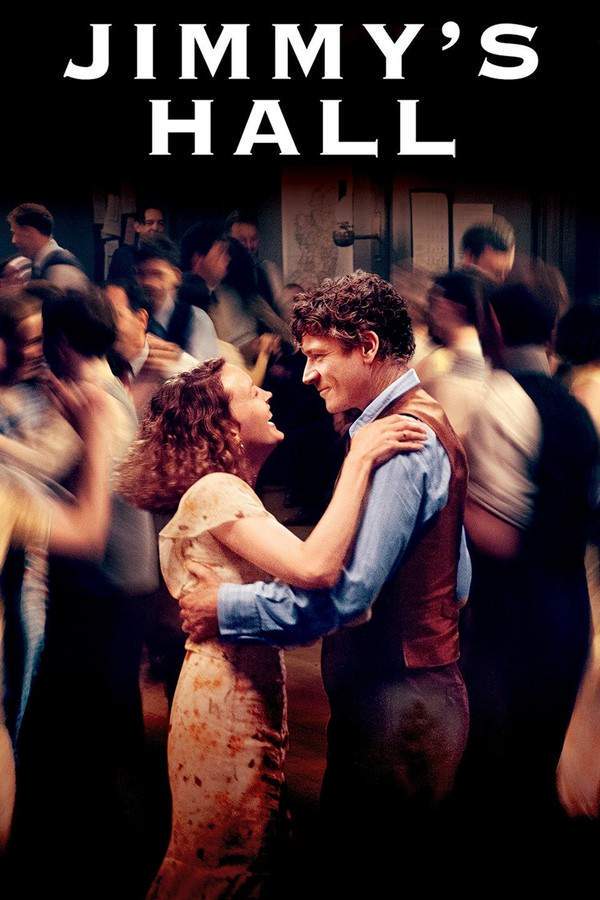
Jimmy's Hall
2015

My Dictator
2014

When Love Begins…
2008

Farewell, My Queen
2012

The Front Runner
2018
Goodbye, Columbus
1969

Little Big Soldier
2010

Mister America
2019
My Brother Anastasia
1973

Beau James
1957

Shattered Glass
2003

Henna
1991
The Last Detail
1973
Narrative Summary
The plot typically follows two or more friends with differing perspectives who are swept into a rebellion. Their relationship is tested as they confront violence, corruption, and conflicting loyalties. The arc often ends tragically or bittersweetly, with the friendship shattered or fundamentally altered by the experience, underscoring the personal toll of political struggle.
Why These Movies?
These films are grouped by their central focus on a friendship arc set against a historical or political conflict. They share a medium intensity, a steady pacing that allows for character development, and a sobering emotional weight centered on loss of innocence and the corrosive effects of ideological strife on personal bonds.
Unlock the Full Story of The Five Days
Don't stop at just watching - explore The Five Days in full detail. From the complete plot summary and scene-by-scene timeline to character breakdowns, thematic analysis, and a deep dive into the ending - every page helps you truly understand what The Five Days is all about. Plus, discover what's next after the movie.
The Five Days Summary
Read a complete plot summary of The Five Days, including all key story points, character arcs, and turning points. This in-depth recap is ideal for understanding the narrative structure or reviewing what happened in the movie.

Characters, Settings & Themes in The Five Days
Discover the characters, locations, and core themes that shape The Five Days. Get insights into symbolic elements, setting significance, and deeper narrative meaning - ideal for thematic analysis and movie breakdowns.


