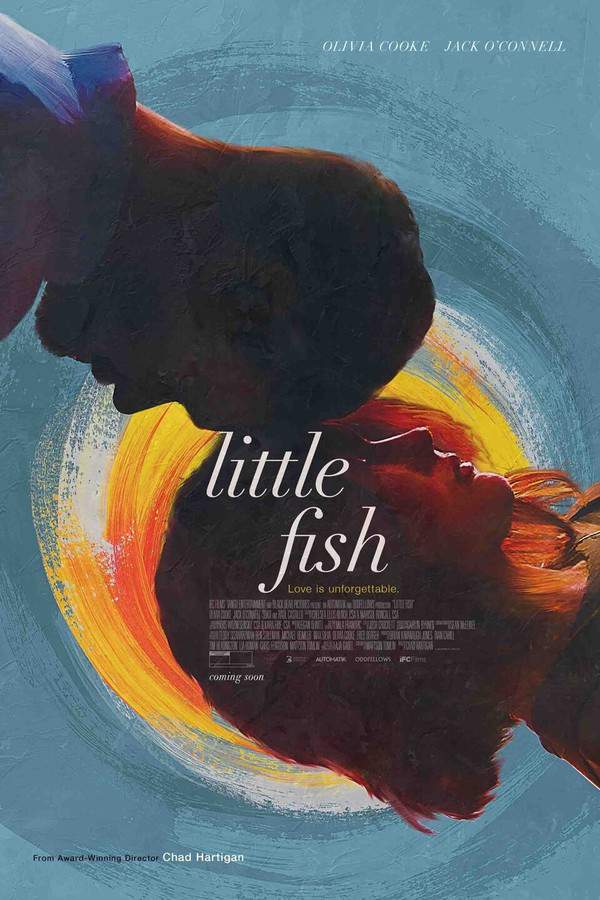
In a sun‑bleached stretch of Argentina that borders the quiet, mist‑shrouded lakes of Paraguay, two teenage girls discover a connection that feels both inevitable and impossible. Their worlds could not be more different: one grows up under the weight of a respected judge’s name, the other has learned the rhythms of service in the very house that shelters her. The film opens on a landscape where class, language and skin tone draw invisible lines, and the promise of love seems to flicker against a backdrop that rarely bends for tenderness.
Lala carries the expectations of an affluent family, her every move framed by the polished veneer of privilege. Ailin has spent her youth moving between continents and identities, her darker skin and foreign tongue marking her as an outsider even as she becomes an integral part of the household she works for. Beneath their daily interactions, a deeper intimacy blossoms, built on whispered confidences and shared moments that reveal both longing and the stark reality of a society that offers them no place to belong.
Their growing affection soon confronts a world that refuses to accommodate their bond. The yearning they feel for each other becomes a silent catalyst, urging them toward choices that feel both urgent and dangerous. An undercurrent of desperation runs through the story, hinting that love alone may not be enough to shield them from the harsh judgments and structural barriers surrounding them.
The narrative unfolds in a non‑linear, almost lyrical fashion, weaving present moments with fragmented memories and the whisper of an old legend known as the Fish Child. This mythic thread adds a haunting, almost magical‑realist texture to the film, suggesting that personal histories and cultural stories are inseparable. The tone remains intimate and tense, inviting the audience to linger in the spaces between longing and rebellion, and to wonder how far two hearts will go when the world insists they stay apart.