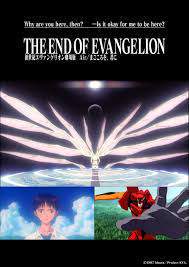
As SEELE's plan reaches its climax, the future of humanity is uncertain. This animated film explores the complex relationship between two characters as they confront their personal demons and the nature of reality itself. The story delves into profound themes of existence and psychological trauma, pushing the boundaries of animation and narrative.
Find where to stream, rent, or buy The End of Evangelion (2024) in the US with current JustWatch availability, up-to-date pricing, and platform listings for subscription, rental, and digital purchase options.
Warning: spoilers below!
Haven’t seen The End of Evangelion yet? This summary contains major spoilers. Bookmark the page, watch the movie, and come back for the full breakdown. If you're ready, scroll on and relive the story!
Trace every key event in The End of Evangelion (2024) with our detailed, chronological timeline. Perfect for unpacking nonlinear stories, spotting hidden connections, and understanding how each scene builds toward the film’s climax. Whether you're revisiting or decoding for the first time, this timeline gives you the full picture.
Last updated: November 17, 2024 at 15:58
Find frequently asked questions about the The End of Evangelion (2024) timeline, including chronological order, nonlinear jumps, cause-and-effect links, and scene sequence clarifications. This timeline FAQ helps explain when key events happen, how moments connect, and why the story unfolds in that specific order.
Shinji is consumed with guilt after killing Kaworu Nagisa, his closest friend and the only person who showed him unconditional acceptance. In the original series, Shinji was manipulated into killing Kaworu, who he had grown to love, leading to severe emotional trauma and his subsequent withdrawal from piloting the Eva.
The weight of Kaworu's death haunts Shinji throughout the film, driving his despair and reluctance to pilot Unit-01.
SEELE orchestrates the Third Impact to erase all human life on Earth and initiate Human Instrumentality, a process that merges all human consciousness into a single entity, eliminating individuality and suffering. They use the Lance of Longinus to trigger this catastrophic event.
SEELE's shadowy manipulation of events throughout the film builds toward this climactic plan.
Gendo Ikari wants to unite his deceased wife Yui's soul with Evangelion Unit-01 so she can exist eternally within the Eva, free from death. This personal obsession drives his conflict with SEELE and his manipulation of both Shinji and Rei throughout the narrative.
Gendo's fixation on Yui has been established through his cold treatment of Shinji and his secret dealings with Rei.
Misato kisses Shinji as a final act of love and encouragement before the NERV headquarters is destroyed. The kiss is meant to motivate Shinji to pilot Unit-01 and stop the Third Impact, combining her maternal affection with the desperate need for him to take action.
Misato's affection for Shinji has been present throughout the series, culminating in this tragic moment.
Rei betrays Gendo by choosing to merge with the Angel Lilith rather than remain under his control. This fusion transforms her into a colossal white being that releases the LCL primordial fluid, initiating the Human Instrumentality process and the Third Impact.
Rei's ambiguous nature as both human and Angel has been established, leading to this pivotal betrayal.
Asuka discovers that her mother's deceased spirit resides within Evangelion Unit-02, which gives her the motivation to awaken from her coma and pilot the Eva again. This revelation connects her mother's lingering presence to the Evangelion itself.
Asuka's psychological issues regarding her mother have been explored throughout the series.
Human Instrumentality is a metaphysical process that dissolves individual human consciousness into LCL, the primordial fluid, merging all souls into a single collective consciousness. SEELE believes this eliminates human suffering by erasing individuality and boundaries between people.
The concept has been discussed throughout the series as both SEELE's goal and a philosophical idea.
Shinji realizes that life contains both joy and suffering, and that existence, even with pain, is meaningful. This epiphany allows him to reject Lilith's collective consciousness and choose to live as an individual, believing humans can reclaim physical form through their own will.
Shinji's previous despair and nihilistic thoughts contrast with this transformative realization.
Shinji and Asuka return to a barren, post-apocalyptic shore after humanity is restored to individual forms. The scene represents a bittersweet ending, humanity survives but must rebuild in a devastated world, and their relationship remains fractured by trauma.
The shore reflects the destruction caused by the Third Impact and serves as a symbol of rebirth.
Shinji breaks down in tears on the shore due to overwhelming emotional trauma from all the suffering he's experienced, the guilt, the deaths of friends, and the near-destruction of humanity. His crying represents the weight of his psychological scars and his inability to process everything he's been through.
Shinji's emotional instability and history of breakdowns have been consistent throughout the narrative.
Asuka displays clear disgust when Shinji cries, representing her rejection of his weakness and emotional dependency. This moment highlights their fractured relationship and Asuka's fierce independence, refusing to comfort him despite their shared trauma.
Asuka's contempt for Shinji's passivity has been evident throughout the series.
The Lance of Longinus is a powerful artifact that descends from the Moon and provides SEELE with the means to trigger the Third Impact. It serves as the instrument required to initiate Human Instrumentality, representing the convergence of divine and human forces.
The Lance has been referenced as a crucial tool throughout SEELE's plans.
Discover curated groups of movies connected by mood, themes, and story style. Browse collections built around emotion, atmosphere, and narrative focus to easily find films that match what you feel like watching right now.
Stories where the end of the world mirrors the unraveling of the human psyche.Explore other films like The End of Evangelion that combine apocalyptic events with deep psychological and existential themes. If you enjoyed the intense exploration of trauma and reality in a collapsing world, you'll find similar stories here that challenge the mind and emotions.
Stories in this thread typically involve a catastrophic event that forces characters to confront their deepest fears and psychological wounds. The plot often escalates rapidly towards a world-altering climax, paralleling the internal breakdown of the protagonists, leading to an ambiguous or bittersweet resolution about the nature of existence and individuality.
These movies are grouped together because they share a core focus on blending high-stakes apocalyptic scenarios with intense, character-driven psychological exploration. They create a cohesive experience of existential dread and emotional heaviness, appealing to viewers who seek narratives that are both visually grand and philosophically challenging.
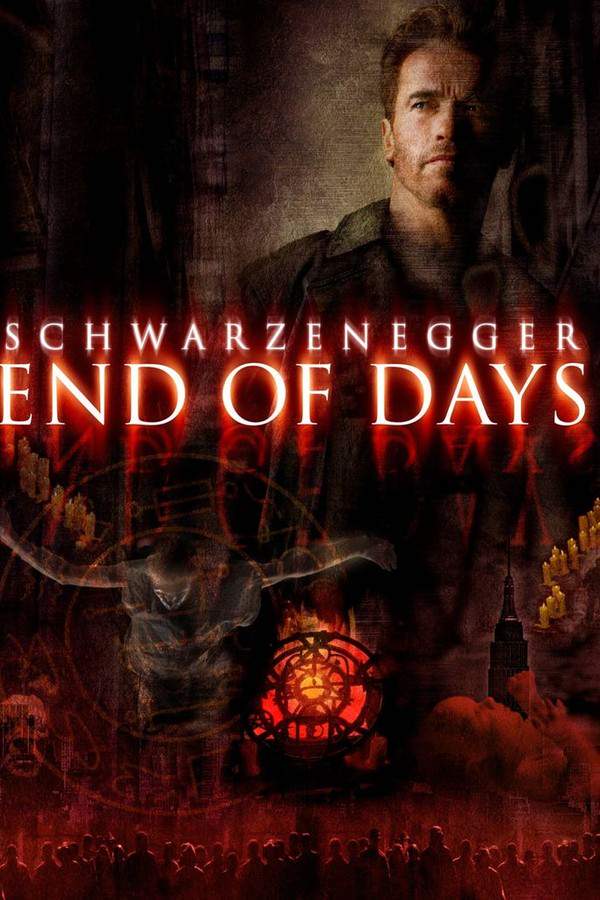
Journeys through surreal chaos concluding with deeply personal, ambiguous resolutions.Discover films similar to The End of Evangelion that feature a surreal, intense narrative pace leading to an ambiguous and emotionally heavy conclusion. If you liked the film's chaotic visual style and its thought-provoking, bittersweet finale, this collection is for you.
The narrative pattern involves a rapid escalation into surreal or metaphysical chaos, blurring the lines between reality and perception. Character arcs are defined by traumatic pasts and agonizing choices in the face of incomprehensible events, resulting in a finale that prioritizes emotional and philosophical impact over clear-cut resolution.
These films are united by their use of surrealism and a fast, intense pace to deliver a complex, emotionally heavy story with an ambiguous ending. They share a specific vibe of psychological oppression and cathartic release, appealing to audiences who appreciate challenging narratives that resist simple answers.
Don't stop at just watching - explore The End of Evangelion in full detail. From the complete plot summary and scene-by-scene timeline to character breakdowns, thematic analysis, and a deep dive into the ending - every page helps you truly understand what The End of Evangelion is all about. Plus, discover what's next after the movie.
Read a complete plot summary of The End of Evangelion, including all key story points, character arcs, and turning points. This in-depth recap is ideal for understanding the narrative structure or reviewing what happened in the movie.
Discover the characters, locations, and core themes that shape The End of Evangelion. Get insights into symbolic elements, setting significance, and deeper narrative meaning - ideal for thematic analysis and movie breakdowns.